The mount everest base camp trek represents one of the world's most iconic high-altitude adventures, drawing thousands of trekkers annually to the Khumbu region of Nepal. This legendary journey takes adventurers through traditional Sherpa villages, Buddhist monasteries, and dramatic Himalayan landscapes to reach the base of Earth's tallest peak at 17,600 feet. While the trek doesn't require technical climbing skills, it demands proper preparation, cultural sensitivity, and a commitment to sustainable travel practices that protect both the fragile mountain environment and the communities that call this region home.
Understanding the Mount Everest Base Camp Trek
The trek to Everest Base Camp typically spans 12-14 days roundtrip from Kathmandu, with most of that time spent walking through the Sagarmatha National Park. The Nepal Tourism Board provides comprehensive information on official routes, necessary permits, and seasonal considerations for this adventure.
Route Overview and Distance
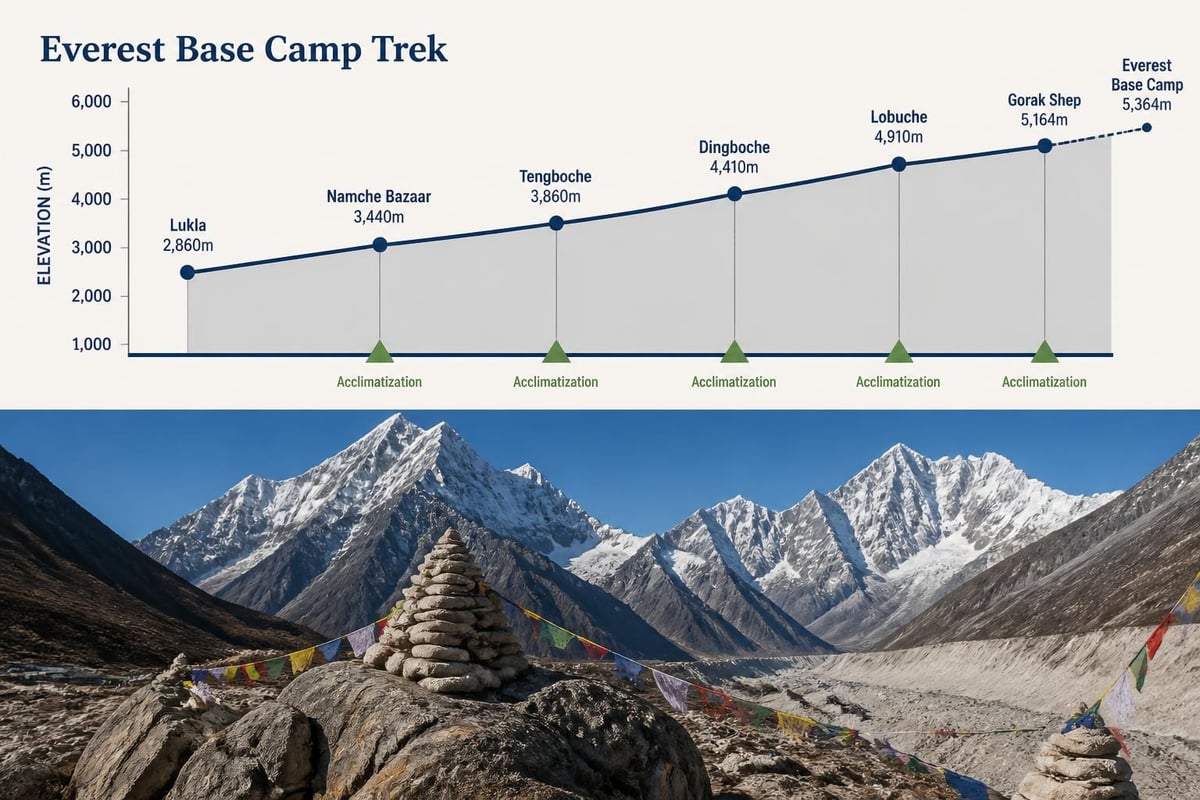
The standard route begins with a dramatic flight from Kathmandu to Lukla, a small mountain airstrip perched at 9,383 feet. From there, trekkers follow a well-established path through the Dudh Kosi river valley, ascending gradually through pine forests and alpine terrain.
The total trekking distance covers approximately 65 kilometers (40 miles) one way, though the challenge lies not in distance but in elevation gain. Starting from Lukla, trekkers climb over 8,200 vertical feet to reach base camp.
Key stops along the route include:
- Namche Bazaar (11,286 feet) – bustling Sherpa trading hub
- Tengboche (12,664 feet) – home to the region's most important monastery
- Dingboche (14,469 feet) – critical acclimatization village
- Lobuche (16,175 feet) – last settlement before base camp
- Gorak Shep (16,942 feet) – final overnight stop
Duration and Timing Considerations
Most trekkers allocate 12-14 days for the complete journey, including built-in acclimatization days that are essential for preventing altitude sickness. The detailed guide from Lonely Planet emphasizes the importance of not rushing this timeline, as proper acclimatization dramatically increases success rates and safety.
The two primary trekking seasons offer distinct experiences:
Spring Season (March-May)
- Clear mountain views with blooming rhododendrons
- Warmer temperatures at lower elevations
- Coincides with Everest climbing season
- Higher trail traffic and busier teahouses
Autumn Season (September-November)
- Crystal-clear post-monsoon skies
- Stable weather patterns
- Comfortable temperatures for trekking
- Peak season crowds
Winter and monsoon treks are possible but present additional challenges including snowfall, trail closures, limited teahouse availability, and reduced visibility during monsoon months.
Physical Preparation and Fitness Requirements
The mount everest base camp trek demands substantial physical preparation, though it doesn't require technical mountaineering skills. Trekkers walk 5-7 hours daily over uneven terrain, carrying daypacks while navigating steep ascents and descents.
Training Recommendations
Begin training at least 3-4 months before your departure date. Focus on building cardiovascular endurance through activities like hiking with a weighted backpack, running, cycling, or stair climbing. Gradually increase intensity and duration to prepare your body for consecutive days of exertion.
Strength training should target legs, core, and back muscles. Exercises like squats, lunges, planks, and deadlifts build the muscular endurance needed for sustained uphill climbing.
| Training Component | Weekly Frequency | Duration/Intensity |
|---|---|---|
| Cardio hiking | 3-4 times | 2-4 hours with elevation gain |
| Strength training | 2-3 times | 45-60 minutes full body |
| Long weekend hikes | 1 time | 4-6 hours with 1,500+ feet gain |
| Rest/recovery | 1-2 days | Active stretching, yoga |
Altitude Acclimatization Strategy
Acclimatization represents the single most critical factor for trek success. The principle "climb high, sleep low" governs the itinerary, with scheduled acclimatization days built into standard routes.
At Namche Bazaar, most groups spend two nights, using the extra day for an acclimatization hike to Everest View Hotel or the villages of Khumjung and Khunde. Similarly, Dingboche serves as another acclimatization stop where trekkers take day hikes to higher elevations before returning to sleep.
Acute Mountain Sickness (AMS) affects many trekkers above 8,000 feet. Early symptoms include headache, nausea, dizziness, and fatigue. The only cure is descent to lower altitude. Proper acclimatization, adequate hydration, and slow ascent rates significantly reduce AMS risk.
Cultural Immersion and Sherpa Heritage
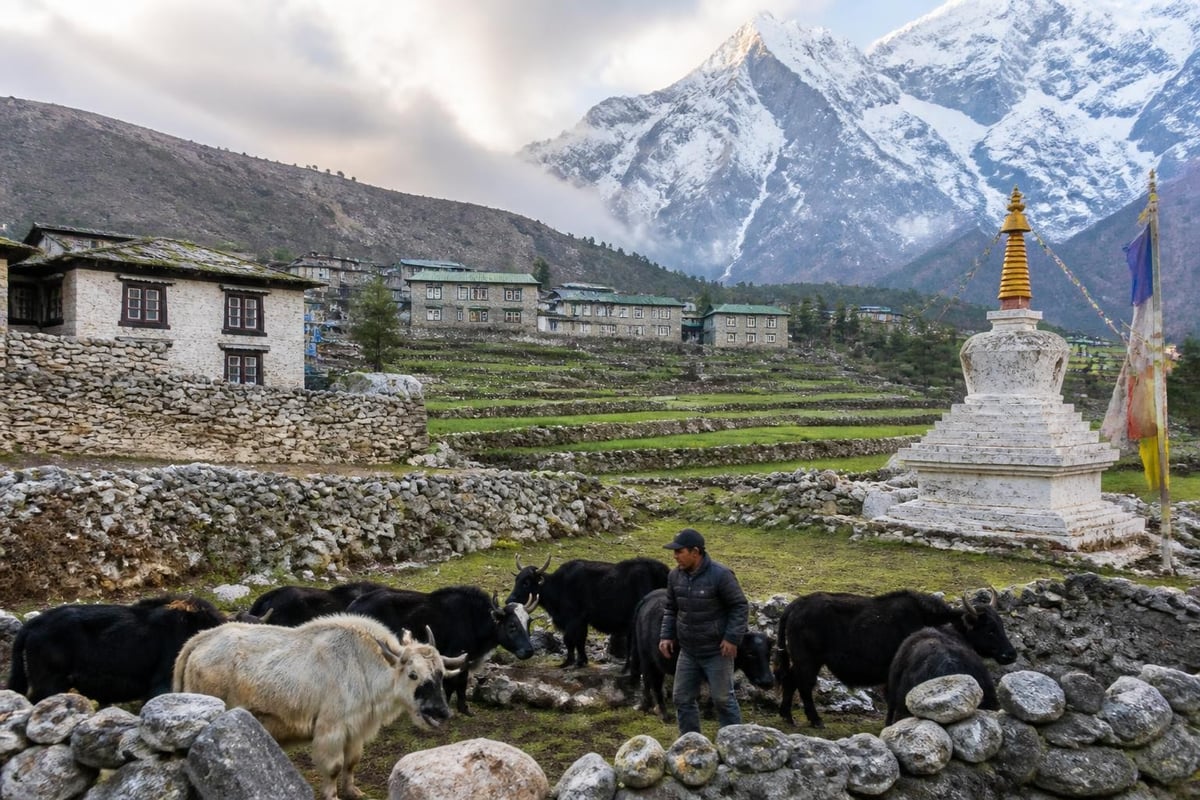
The Khumbu region's Sherpa communities have inhabited these mountain valleys for centuries, developing a unique Buddhist culture deeply connected to the Himalayan environment. The mount everest base camp trek offers profound cultural immersion opportunities when approached with respect and genuine interest.
Monastery Visits and Buddhist Traditions
Tengboche Monastery stands as the spiritual heart of the Khumbu region, where resident monks maintain centuries-old traditions. Visitors can attend morning and evening prayer sessions, observe butter lamp offerings, and view intricate Buddhist artwork and manuscripts.
Proper monastery etiquette includes:
- Removing shoes before entering prayer halls
- Walking clockwise around stupas and mani walls
- Asking permission before photographing monks or religious ceremonies
- Speaking quietly and avoiding disruptive behavior
- Making small donations to support monastery maintenance
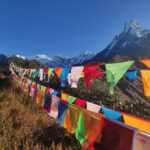
The prayer flags, mani stones, and chortens encountered throughout the trek carry sacred mantras. Trekkers should always pass these religious structures on the left side, keeping them to your right shoulder.
Supporting Local Communities
Elevated Trips emphasizes authentic community engagement that benefits local residents economically while preserving cultural integrity. The mount everest base camp trek generates crucial income for Sherpa families through teahouse lodging, porter employment, and guide services.
Responsible trekkers can amplify their positive impact by:
- Staying in locally-owned teahouses rather than international chain lodges
- Hiring local guides and porters at fair wages with proper equipment
- Purchasing handicrafts directly from artisan cooperatives
- Learning basic Nepali and Sherpa phrases to engage respectfully
- Understanding and participating appropriately in cultural events when invited
The ecotourism experiences offered on the Tibetan Plateau demonstrate similar community-centered approaches that prioritize authentic cultural exchange over superficial tourism interactions.
Environmental Stewardship and Sustainable Trekking
The Everest region faces significant environmental pressures from increasing trekker numbers, climate change impacts, and waste management challenges. Research documented in climate change studies highlights emerging risks including glacial lake outburst floods, changing weather patterns, and ecosystem disruption.
Leave No Trace Principles
Sagarmatha National Park operates under strict environmental regulations, but individual trekker behavior determines their effectiveness. Core principles include:
Waste Management
- Carry out all non-biodegradable waste, including packaging and wrappers
- Use designated toilet facilities at teahouses and campsites
- Avoid single-use plastics by bringing reusable water bottles with purification systems
- Dispose of toilet paper properly or pack it out in sealed bags
Resource Conservation
- Minimize hot shower usage to reduce firewood consumption
- Charge electronics sparingly as electricity comes from solar or hydropower
- Order meals that others in your group are eating to reduce cooking fuel use
- Choose vegetarian options that require less resource-intensive preparation
Sustainable travel products from retailers like Tinc, which specializes in plastic-free and eco-friendly gear, help trekkers reduce their environmental footprint. Items like solid shampoo bars, reusable food containers, and natural cleaning products eliminate waste while maintaining personal hygiene standards during the trek.
Water and Hygiene Practices
Safe drinking water requires either purification tablets, filter systems, or UV sterilization devices. While bottled water is available, the plastic waste accumulation in the Himalayas has reached crisis levels. Refilling from treated water stations at teahouses represents a more sustainable choice.
| Water Treatment Method | Pros | Cons | Best For |
|---|---|---|---|
| Chemical tablets | Lightweight, inexpensive | 30-minute wait time, slight taste | Backup purification |
| Pump filters | Fast, no chemicals | Heavy, requires maintenance | Group trekking |
| UV sterilizers | Quick, effective | Requires batteries, doesn't remove particles | Solo trekkers |
| Boiled water | Widely available | Fuel consumption impact | Teahouse stays |
Practical Logistics and Planning
Successful completion of the mount everest base camp trek requires careful attention to permits, gear, and logistical arrangements. National Geographic’s responsible climbing guide emphasizes thorough preparation as essential for both safety and environmental protection.
Required Permits and Documentation
Two permits are mandatory for the Everest Base Camp trek:
TIMS Card (Trekkers' Information Management System)
- Individual trekker registration
- Approximately $20 USD per person
- Obtained through registered trekking agencies
Sagarmatha National Park Entry Permit
- Park conservation fee
- 3,000 Nepali Rupees (approximately $23 USD)
- Available at park entrance in Monjo
These permits support park conservation efforts, trail maintenance, and community development projects. Always carry both permits and your passport, as checkpoints verify documentation at multiple locations.
Essential Gear and Equipment
Packing appropriately balances comfort, safety, and weight considerations. Porters typically carry main duffels up to 15 kilograms, while trekkers carry daypacks with daily essentials.
Clothing Layers
- Moisture-wicking base layers (synthetic or merino wool)
- Insulating mid-layers (fleece or down jacket)
- Waterproof/windproof outer shell jacket and pants
- Warm hat, sun hat, and buff or neck gaiter
- Liner gloves and insulated gloves
- Quality trekking boots (broken in before the trip)
- Camp shoes or sandals for teahouse evenings
Technical Equipment
- Sleeping bag rated to -15°C (5°F)
- Trekking poles for knee protection on descents
- Headlamp with extra batteries
- Sunglasses with high UV protection
- High SPF sunscreen and lip balm
- Large capacity water bottles or hydration system
Medications and First Aid
- Altitude sickness medication (Diamox) prescribed by physician
- Pain relievers and anti-inflammatory drugs
- Antibiotics for traveler's diarrhea
- Blister treatment and bandages
- Personal prescription medications
Accommodation and Food
Teahouse lodging provides basic but comfortable accommodations along the entire route. Rooms typically feature twin beds with pillows and blankets, though sleeping bags provide additional warmth and hygiene. Facilities become more basic at higher elevations, with squat toilets and limited electricity common above Dingboche.
Meals revolve around dal bhat (lentil soup with rice), fried rice, noodle dishes, potatoes, and vegetables. Western options like pizza and pasta are available but require more cooking fuel. Traditional dal bhat provides excellent nutrition and is typically served with unlimited refills, making it the most sustainable and economical choice.
Tea, coffee, and hot drinks fuel daily trekking efforts. The social atmosphere in teahouse dining rooms creates community among international trekkers and opportunities to exchange experiences with local families.
The Trek Experience Day by Day
Understanding the daily rhythm and progression helps trekkers mentally prepare for the journey's physical and emotional demands. The mount everest base camp trek builds gradually, allowing bodies to adjust to increasing altitude while progressing through diverse landscapes.
Lower Khumbu Region (Days 1-4)
The adventure begins with the thrilling flight into Lukla, where planes navigate a short, steeply inclined runway carved into the mountainside. The first day's trek descends into the Dudh Kosi valley before climbing to Phakding, a gentle introduction covering approximately 3-4 hours.
Day two brings the sustained climb to Namche Bazaar, the region's commercial center. The trail crosses high suspension bridges adorned with prayer flags, passes through pine forests, and offers the first glimpses of Everest, Lhotse, and other peaks. The final 600-meter ascent to Namche tests trekkers early, introducing the breathing rhythms necessary for high-altitude exertion.
Namche's acclimatization day allows exploration of this fascinating mountain town. The weekly market, mountaineering museum, bakeries, and equipment shops provide cultural insights and practical amenities. The recommended hike to Everest View Hotel gains 400 meters elevation before returning to sleep at Namche's altitude, following ideal acclimatization principles.
Middle Section to Dingboche (Days 5-7)
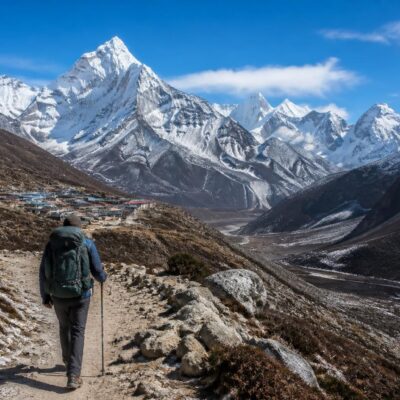
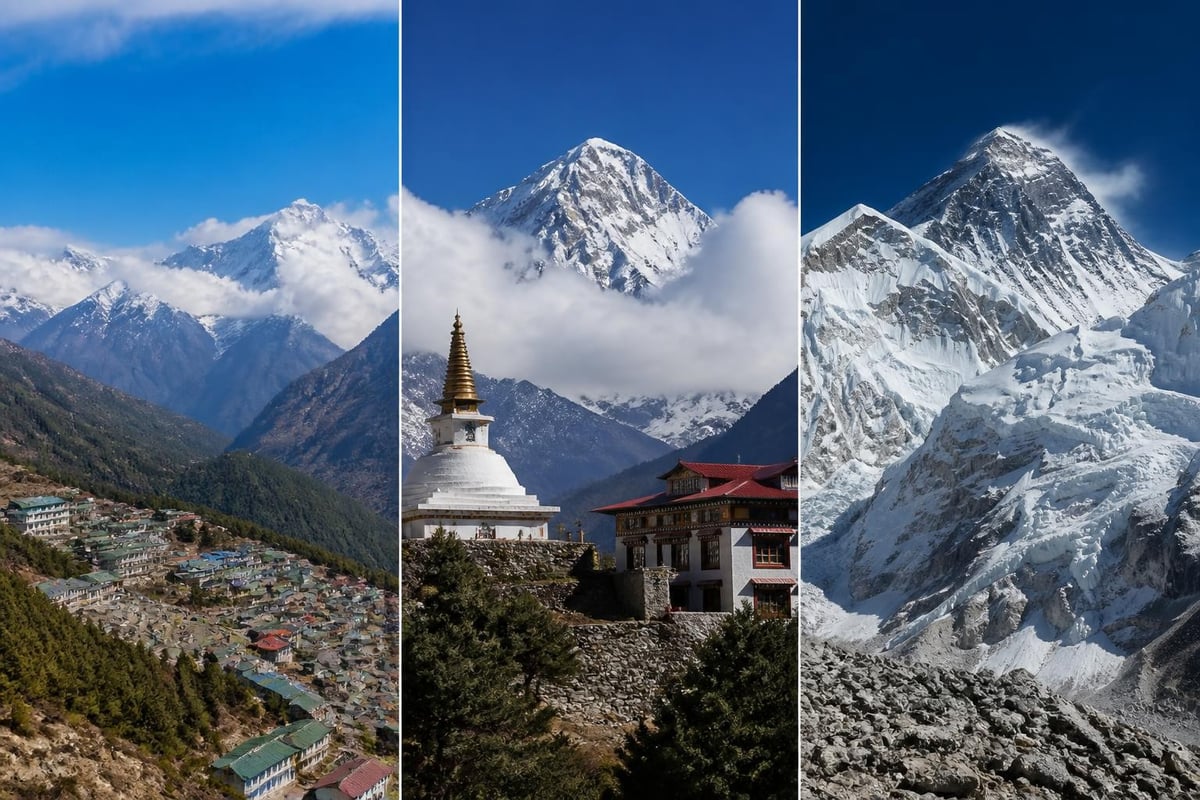
Leaving Namche, the trail contours around the valley before descending to cross the Dudh Kosi river and climbing to Tengboche. The monastery setting provides stunning panoramic views of Everest, Ama Dablam, and surrounding peaks. Many trekkers attend evening prayers, experiencing the resonant chanting and ceremonial instruments.
The descent from Tengboche through rhododendron forests leads to the village of Deboche, followed by the gradual ascent to Dingboche. This agricultural settlement at 14,469 feet marks entry into the alpine zone where trees give way to hardy grasses and shrubs.
Dingboche's acclimatization day typically involves hiking to Nagarjun Hill or Chhukung village, gaining significant elevation before returning. These side trips provide crucial adaptation while offering spectacular mountain vistas that preview the terrain ahead.
Final Push to Base Camp (Days 8-10)
Beyond Dingboche, vegetation disappears entirely as the trail enters the glacial moraine landscape. The climb to Lobuche passes memorials to climbers who died on Everest, sobering reminders of the mountain's power and the risks inherent in high-altitude mountaineering explored in Everest’s exploration history.
Gorak Shep, the final settlement, sits on a frozen lake bed surrounded by towering peaks. Most trekkers drop their bags and immediately continue to Everest Base Camp, a 3-hour roundtrip over rocky glacial terrain. Base camp itself offers limited views of Everest, blocked by the Khumbu Icefall and surrounding ridges. The true reward comes from standing at 17,600 feet at the foot of the world's tallest mountain, surrounded by the expedition camps that dot the glacier during climbing season.
Kala Patthar and Return Journey
Early morning ascent of Kala Patthar (18,514 feet) provides the trek's iconic Everest view. Starting before dawn allows trekkers to witness sunrise illuminating Everest's summit pyramid, with unobstructed panoramas including Nuptse, Changtse, and the entire Khumbu region. This challenging climb represents many trekkers' highest altitude achievement, though the thin air makes every step laborious.
The return journey typically covers the distance more quickly, descending from Gorak Shep to Pheriche or Namche Bazaar in 2-3 days before flying out from Lukla. The downward journey allows trekkers to notice details missed during the ascent, with easier breathing and renewed energy at lower elevations.
Choosing Responsible Tour Operators
Selecting an ethical trekking company significantly impacts both your experience and the trek's effect on local communities and environment. Companies committed to sustainable tourism practices ensure fair porter wages, provide proper equipment for staff, and contribute meaningfully to community development projects.
For those seeking high-altitude experiences beyond Nepal, the Lhasa to Everest Base Camp tour approaches the world's highest peak from the Tibetan side, offering cultural immersion in ancient monasteries and traditional Tibetan villages while supporting responsible tourism practices that benefit local communities.
Evaluating Trek Companies
Quality operators distinguish themselves through several key characteristics:
- Fair Employment Practices: Porter wages exceed minimum standards, with proper insurance, equipment provision, and load weight limits strictly enforced
- Environmental Commitment: Use of kerosene or gas for cooking, waste management protocols, and support for park conservation initiatives
- Cultural Sensitivity: Local guide employment, community partnership programs, and respect for cultural norms and traditions
- Safety Standards: Comprehensive emergency protocols, guide training in first aid and altitude sickness recognition, evacuation insurance coverage
- Transparent Pricing: Clear breakdown of included services, permit fees, and staff wages without hidden costs
Reviews and testimonials from previous trekkers provide valuable insights into operator reliability and ethics. The reviews and testimonials from past clients offer authentic perspectives on trek quality and company values.
Alternative Routes and Variations
While the standard Everest Base Camp route from Lukla remains most popular, several variations offer different perspectives, reduced crowds, or additional challenges for experienced trekkers.
Three Passes Trek
This extended route combines Everest Base Camp with crossings of Kongma La (18,159 feet), Cho La (17,782 feet), and Renjo La (17,585 feet) passes. The 18-20 day circuit provides spectacular alpine scenery, remote valleys, and the turquoise waters of Gokyo Lakes. This variation demands strong fitness levels and previous high-altitude experience.
Gokyo Lakes Alternative
Rather than proceeding directly to base camp from Namche, this route branches northwest to the Gokyo valley. The five sacred lakes offer stunning reflections of Cho Oyu and surrounding peaks, with the climb up Gokyo Ri (17,575 feet) providing views considered superior to Kala Patthar by many trekkers. Routes can be combined by crossing Cho La pass between Gokyo and the standard EBC trail.
Jiri to Everest Base Camp
The traditional approach used before Lukla airport existed, this route begins with a bus journey to Jiri followed by 6-7 additional trekking days through lowland villages and rhododendron forests. The extended journey offers deeper cultural immersion and acclimatization benefits, though it requires 21-24 total days.
Health and Safety Considerations
Comprehensive preparation for health challenges ensures safer trekking and higher success rates reaching base camp. Beyond altitude sickness prevention, trekkers face potential issues including weather exposure, minor injuries, and gastrointestinal problems.
Common Health Challenges
| Health Issue | Prevention | Treatment |
|---|---|---|
| Altitude sickness | Slow ascent, acclimatization days, hydration | Descent, rest, medications |
| Dehydration | Drink 3-4 liters daily | Increased fluid intake, electrolytes |
| Traveler's diarrhea | Hand hygiene, careful food choices | Antibiotics, rehydration |
| Blisters | Properly fitted boots, sock liners | Moleskin, drainage if necessary |
| Sunburn | High SPF sunscreen, protective clothing | Aloe vera, moisturizers |
| Hypothermia | Appropriate layering, staying dry | Gradual rewarming, dry clothes |
Travel insurance with helicopter evacuation coverage is essential, as medical emergencies at high altitude require rapid descent. Policies should cover medical treatment up to at least $100,000 and helicopter rescue from 20,000 feet.
Emergency Protocols
Trekking companies maintain communication systems for emergency coordination, though cell phone coverage extends only to certain areas. Satellite phones or emergency beacons provide backup communication when needed.
Helicopter rescue from high altitudes depends on weather conditions, time of day, and helicopter capabilities. Morning rescues succeed more often due to calmer winds and better visibility. Insurance companies require medical documentation of emergencies, making pre-trip policy review and understanding coverage terms critical.
Cost Considerations and Budgeting
The mount everest base camp trek investment varies significantly based on service level, group size, and season. Understanding cost components helps trekkers budget appropriately while ensuring fair compensation for local services.
Budget Breakdown
Organized Trek Package: $1,200-2,500 USD typically includes:
- Lukla flight roundtrip
- Teahouse accommodation (twin-share rooms)
- Three meals daily
- Experienced guide and porter services
- Required permits
- Airport transfers in Kathmandu
Independent Trekking: $700-1,200 USD for:
- Flights and permits (same as guided)
- Self-arranged accommodation and meals
- Optional porter hire ($20-25 daily)
- Greater flexibility but more logistical responsibility
Additional Expenses:
- International flights to Kathmandu
- Nepal visa ($50 USD)
- Kathmandu accommodation (2-3 nights)
- Travel insurance ($150-300)
- Personal gear purchases or rentals
- Tips for guides and porters (10-15% of trek cost)
- Hot showers ($3-5 each at higher elevations)
- Battery charging fees ($2-5 per device)
- Emergency contingency fund
Beyond Base Camp: Extended Opportunities
Trekkers completing Everest Base Camp often seek additional Himalayan adventures that build on their experience while exploring new regions. The greater Himalayan range offers countless opportunities for cultural immersion and wilderness exploration.
Nepal's Annapurna region provides distinct landscapes and culture, from the Annapurna Circuit's high passes to the shorter Poon Hill trek. Langtang Valley offers accessible high-altitude trekking closer to Kathmandu with significant Tamang cultural elements.
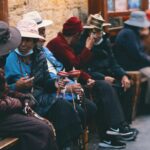
The Tibetan Plateau's vast expanses present unique opportunities for those drawn to high-altitude landscapes and Tibetan Buddhist culture. Tibet's accessibility from Lhasa combines monastery visits, nomadic interactions, and perspectives on Himalayan peaks from their northern approaches.
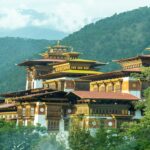
Bhutan's protected kingdom maintains strict visitor policies that preserve cultural authenticity while limiting tourism impacts. Treks through Bhutan's fortress monasteries and pristine valleys offer intimate cultural experiences in one of the world's last Himalayan kingdoms.
The mount everest base camp trek delivers transformative experiences through physical challenge, cultural immersion, and connection with one of Earth's most spectacular mountain environments. Success requires thorough preparation, cultural respect, environmental stewardship, and commitment to sustainable practices that protect this fragile region for future generations. Elevated Trips specializes in authentic, community-focused adventures throughout the Himalayas, offering small group treks that prioritize cultural exchange and environmental responsibility while supporting the local communities that make these journeys possible.