Understanding the Nepal Base Camp Experience
The classic nepal base camp tour typically begins with a dramatic flight from Kathmandu to Lukla, one of the world's most thrilling airport approaches. From this mountain airstrip, trekkers embark on a 12-14 day journey through the Khumbu Valley, gradually ascending through diverse ecological zones while their bodies adapt to decreasing oxygen levels.
Route Overview and Daily Progression
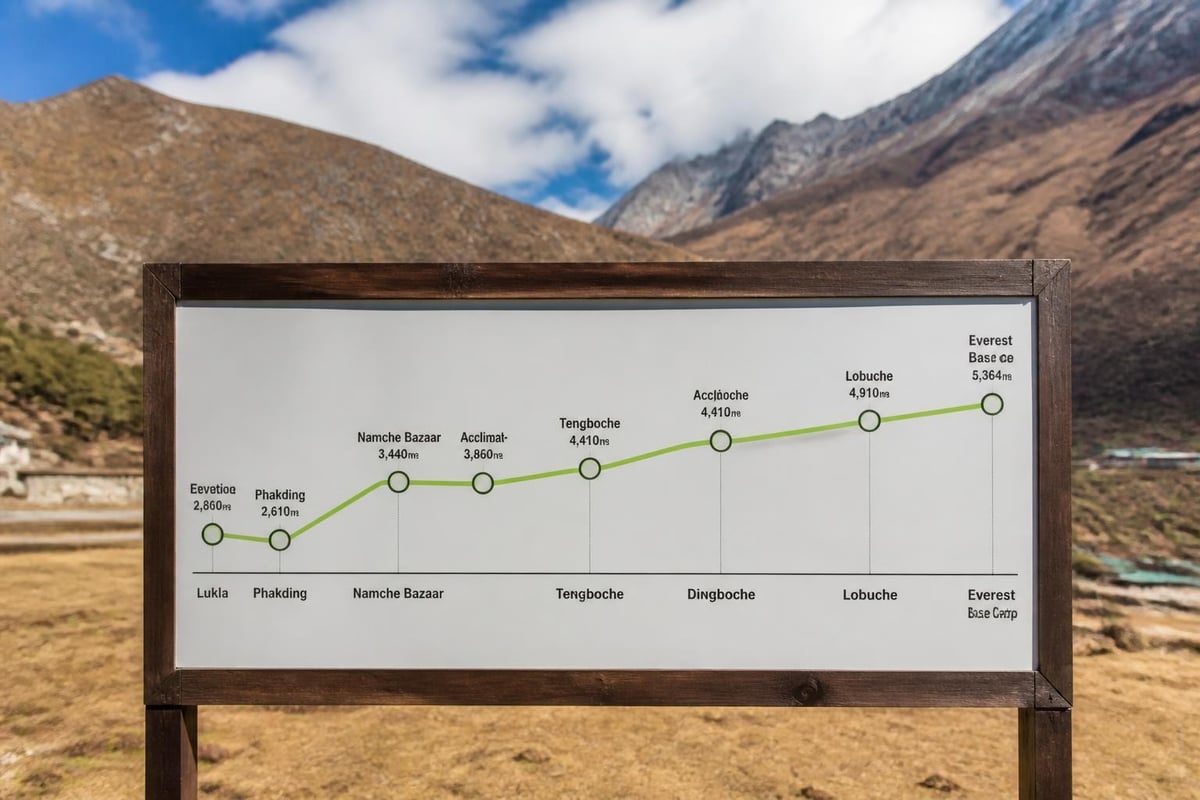
The standard itinerary follows a well-established path that prioritizes proper acclimatization. Trekkers typically spend their first nights in Phakding before moving to Namche Bazaar, the Sherpa capital perched at 3,440 meters. This bustling trading hub serves as the first major acclimatization stop.
From Namche, the route continues through:
- Tengboche (3,860m) with its famous monastery and spectacular Ama Dablam views
- Dingboche (4,410m) providing crucial altitude adaptation
- Lobuche (4,940m) as the final staging point
- Gorak Shep (5,164m) serving as base camp for the final push
- Everest Base Camp itself at approximately 5,364 meters
Most trekkers also climb Kala Patthar (5,545m) for the best panoramic views of Everest's summit. According to the comprehensive route details from Nepal Intrepid Treks, the total trekking distance covers approximately 130 kilometers round trip.
Physical Preparation and Fitness Requirements
A successful nepal base camp tour demands adequate physical conditioning, though you don't need to be an elite athlete. The trek involves 5-7 hours of walking daily across varied terrain, carrying a daypack while porters transport main luggage.
Training Recommendations
Begin your preparation at least three months before departure. Cardiovascular endurance matters most, as your heart and lungs will work harder in thin air. Effective training activities include:
- Hiking with elevation gain carrying 5-10 kg backpacks
- Stair climbing for 45-60 minutes sessions
- Running or cycling to build aerobic capacity
- Strength training focusing on legs, core, and upper body
- Flexibility work through yoga or stretching routines
| Training Phase | Timeline | Focus Areas | Weekly Commitment |
|---|---|---|---|
| Foundation | Months 1-2 | Base cardio, general fitness | 3-4 sessions |
| Building | Month 3 | Longer hikes, altitude simulation | 4-5 sessions |
| Peak | Final 2 weeks | Tapering, mental preparation | 2-3 light sessions |
The safety considerations outlined by Nepal Treks and Tour emphasize that proper physical preparation significantly reduces risk factors associated with high-altitude trekking.
Altitude Acclimatization and Health Considerations
Altitude sickness represents the primary health concern on any nepal base camp tour. Acute Mountain Sickness (AMS) can affect anyone regardless of fitness level, making proper acclimatization protocols essential. Understanding altitude management strategies proves invaluable for Himalayan trekking.
Recognizing and Managing Altitude Sickness
AMS symptoms typically appear above 2,500 meters and include headache, nausea, dizziness, and fatigue. The golden rule remains simple: climb high, sleep low. Schedule rest days at strategic elevations to allow your body to produce more red blood cells and adapt to reduced oxygen.
Warning signs requiring immediate descent:
- Severe headache unresponsive to medication
- Confusion or altered mental state
- Loss of coordination (ataxia)
- Persistent vomiting
- Shortness of breath at rest
- Fluid buildup in lungs (crackling sounds)
Carry Diamox (acetazolamide) after consulting with your physician, stay hydrated with 3-4 liters daily, and maintain a slow, steady pace. The mantra "pole pole" (slowly, slowly in Swahili, commonly used by guides) should govern your movement.
Cultural Immersion and Sherpa Heritage
Beyond physical achievement, a nepal base camp tour offers profound cultural experiences within Sherpa communities that have inhabited these mountains for over 500 years. The Sherpa people, originally from Tibet, developed unique adaptations to high-altitude life while maintaining deep Buddhist spiritual practices.
Monastery Visits and Spiritual Landmarks
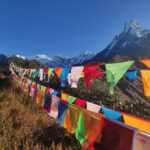
The trek passes numerous monasteries, stupas, and prayer flag-adorned ridges. Tengboche Monastery deserves special attention as the spiritual heart of the Khumbu region. Visitors can often observe morning prayers (puja) and receive blessings from resident monks.
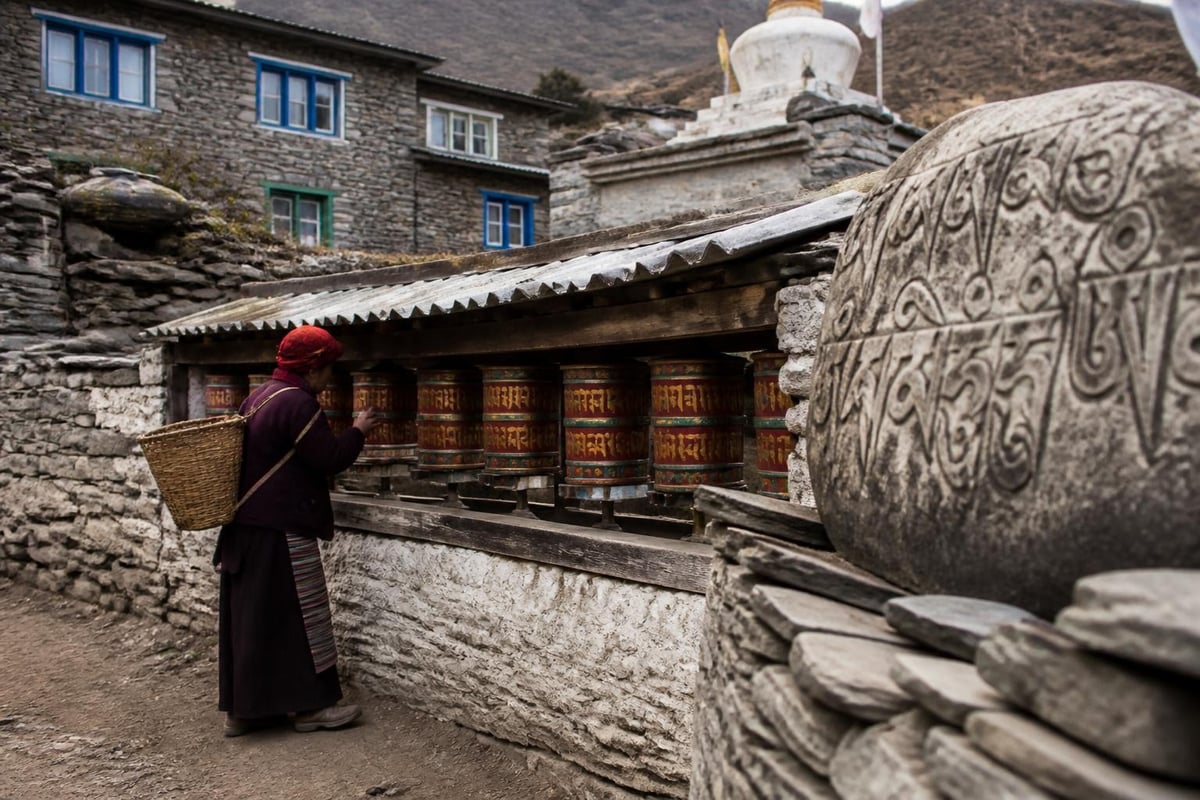
Respect local customs by:
- Walking clockwise around Buddhist monuments
- Not photographing inside monasteries without permission
- Dressing modestly when visiting religious sites
- Removing shoes before entering sacred spaces
- Supporting local businesses and tea houses
The economic model of teahouse trekking directly benefits Sherpa families, with tourism providing essential income to these remote communities. This sustainable approach aligns with responsible travel principles that prioritize local welfare over profit extraction.
Seasonal Considerations and Weather Patterns
Timing your nepal base camp tour significantly impacts your experience. Each season offers distinct advantages and challenges based on weather, visibility, trail conditions, and crowd levels.
Spring Season (March-May)
Spring represents peak trekking season with stable weather and clear mountain views. Rhododendron forests burst into vibrant blooms creating spectacular color displays. Temperatures prove comfortable, though trails become crowded with hundreds of daily trekkers.
Autumn Season (September-November)
Post-monsoon autumn delivers the clearest skies and most reliable weather. Crisp air provides exceptional mountain visibility, though temperatures drop significantly at higher elevations. This period sees maximum trail traffic as it coincides with climbing season on Everest itself.
| Season | Pros | Cons | Recommended For |
|---|---|---|---|
| Spring | Blooming flowers, moderate temps | Crowded trails, afternoon clouds | First-time trekkers |
| Autumn | Crystal-clear views, stable weather | Cold nights, maximum crowds | Photography enthusiasts |
| Winter | Solitude, lower costs | Extreme cold, some lodges closed | Experienced trekkers |
| Monsoon | Green landscapes, few people | Rain, leeches, obscured views | Adventure seekers only |
According to detailed planning resources from Mountain Treks Nepal, autumn and spring account for approximately 80% of annual trekking traffic.
Permits, Logistics, and Pre-Trek Arrangements
Organizing a nepal base camp tour requires several permits and advance planning. The two essential permits include the Sagarmatha National Park Entry Permit and the Khumbu Pasang Lhamu Rural Municipality Permit, both obtainable in Kathmandu or at entry points.
Required Documentation
Ensure your passport remains valid for six months beyond your travel dates. Nepal offers visa-on-arrival for most nationalities at Tribhuvan International Airport in Kathmandu. Budget approximately $50-70 USD for permits and $30-50 for the visa depending on duration.
Essential items to arrange:
- International flights to Kathmandu
- Lukla flights (book early as these fill quickly)
- Travel insurance covering helicopter evacuation up to 6,000 meters
- Accommodation in Kathmandu before and after the trek
- Guide and porter services if not going independently
While independent trekking remains possible, hiring a local guide provides cultural insights, navigation assistance, and crucial support during emergencies. Elevated Trips specializes in creating culturally immersive experiences throughout the Himalayan region. Their approach emphasizes authentic interactions with local communities while supporting sustainable tourism practices that benefit mountain villages.
Packing Essentials and Gear Requirements
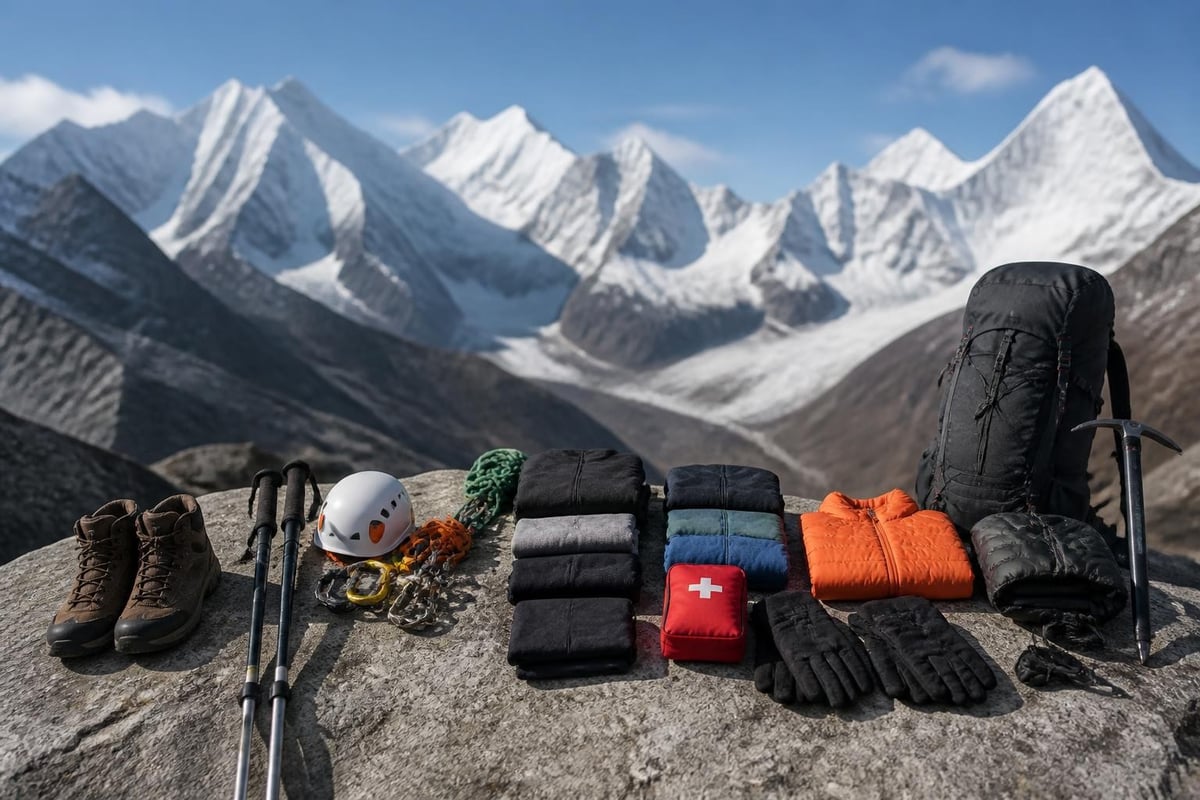
Proper equipment makes the difference between comfort and misery on a nepal base camp tour. The comprehensive packing advice from Navigate Globe emphasizes layering systems that adapt to dramatic temperature variations.
Clothing Layers Strategy
Temperature swings from warm afternoons to freezing nights demand versatile clothing options. Base layers should wick moisture, mid-layers provide insulation, and outer layers block wind and precipitation.
Core clothing items:
- Moisture-wicking base layers (top and bottom)
- Insulated down or synthetic jacket
- Waterproof and breathable shell jacket
- Trekking pants and thermal leggings
- Warm hat, sun hat, and buff/scarf
- Quality hiking boots (broken in) and camp shoes
- Wool or synthetic socks (4-5 pairs)
Technical Equipment and Accessories
| Category | Essential Items | Optional but Recommended |
|---|---|---|
| Sleeping | 4-season sleeping bag (-15°C rating) | Sleeping bag liner |
| Hydration | Water bottles, purification tablets | Insulated bottle cover |
| Navigation | Map, charged phone | GPS device, power bank |
| Sun Protection | Sunglasses (UV400), sunscreen (SPF50+) | Lip balm with SPF |
| Trekking Aids | Poles, headlamp, batteries | Gaiters, hand warmers |
Quality gear represents an investment, but rental options exist in Kathmandu for items like sleeping bags and down jackets. Pack light while ensuring you have essential safety and comfort items.
Accommodation and Dining Along the Trail
The teahouse network throughout the Khumbu Valley provides basic but adequate accommodation on your nepal base camp tour. These family-run lodges offer communal dining areas, simple rooms with twin beds, and the social atmosphere that makes the trek memorable.
Teahouse Amenities and Expectations
Rooms typically feature foam mattresses, pillows, and blankets, though bringing your own sleeping bag ensures warmth and hygiene. Shared bathroom facilities range from basic squat toilets to Western-style options, with hot showers available for additional fees (approximately $3-5 USD).
Typical meal options include:
- Dal bhat (rice, lentil soup, vegetables) – the trekker's staple
- Tibetan bread, pancakes, or porridge for breakfast
- Noodle soups, fried rice, and momos (dumplings)
- Tea, coffee, and hot lemon drinks
- Chocolate bars and snacks (increasingly expensive at altitude)
Dining costs increase with elevation as all supplies arrive via porter or yak. Budget $25-30 daily at lower elevations, rising to $40-50 at base camp area. The practical insights from Nepal Trekking Agency help set realistic budget expectations.
Safety Protocols and Emergency Procedures
Understanding safety measures proves essential for any nepal base camp tour. While thousands complete the trek safely each year, statistics on trek-related incidents remind us that proper precautions save lives.
Communication and Emergency Support
Most villages above Namche Bazaar now have mobile phone coverage, allowing emergency communication. Purchase a local SIM card in Kathmandu for affordable data and calling. Satellite phones or emergency beacons provide backup in remote areas.
Helicopter evacuation remains the primary emergency response for serious altitude sickness or injury. This underscores why comprehensive travel insurance covering high-altitude rescue (up to 6,000+ meters) is non-negotiable. Policies should include medical evacuation, treatment, and trip cancellation coverage.
Create a safety framework:
- Share detailed itinerary with family/friends
- Register with your embassy if recommended
- Trek with others rather than solo
- Maintain communication schedule
- Carry emergency contact information
- Know location of health posts along route
Your guide monitors group health daily, checking oxygen saturation levels and symptoms. Trust their expertise if they recommend rest days or descent.
Environmental Responsibility and Sustainable Trekking
The popularity of the nepal base camp tour creates environmental pressures on fragile mountain ecosystems. Responsible trekkers minimize their impact through conscious choices that preserve the Khumbu region for future generations.
Leave No Trace Principles
Sagarmatha National Park regulations prohibit littering, yet waste management remains challenging. Pack out everything you pack in, including batteries, wrappers, and hygiene products. Many lodges now provide filtered water refill stations to reduce plastic bottle consumption.
Support eco-friendly practices by:
- Using refillable water bottles with purification systems
- Declining plastic bags and unnecessary packaging
- Disposing of toilet paper properly (burn or carry out)
- Staying on established trails to prevent erosion
- Using solar-charged electronics when possible
- Choosing lodges with environmental certifications
The Sherpa community increasingly embraces sustainable tourism through solar energy installation, waste management programs, and reforestation projects. Your patronage of environmentally conscious businesses reinforces these positive developments.
Training Your Mind for High-Altitude Success
Mental preparation proves equally important as physical training for a nepal base camp tour. The psychological challenges of altitude, discomfort, and extended physical exertion test even well-conditioned trekkers.
Developing Mental Resilience
Long days on the trail provide ample time for reflection, but also potential for negative self-talk when fatigue sets in. Cultivate a positive mindset through visualization exercises before departure, imagining yourself successfully reaching base camp and handling difficult moments with grace.
Mental strategies that work:
- Break the journey into manageable segments
- Focus on the present rather than remaining distance
- Practice gratitude for the experience and surroundings
- Embrace discomfort as part of growth
- Connect with fellow trekkers for mutual encouragement
- Maintain perspective during challenging moments
The practical tips shared by experienced guides emphasize that mental attitude often determines success more than physical fitness. Many physically strong individuals struggle while determined trekkers with moderate fitness thrive through sheer willpower.
Photography and Documenting Your Journey
Capturing the visual splendor of a nepal base camp tour creates lasting memories, but photography at altitude requires special considerations. Cold temperatures drain batteries quickly, while altitude can affect electronic devices.
Technical Photography Tips
Bring extra batteries and keep them warm inside jacket pockets. Memory cards should have ample capacity as you'll likely shoot extensively. The dramatic mountain light during golden hours (sunrise and sunset) produces the most striking images.
Consider these subjects beyond standard mountain vistas:
- Prayer flags catching wind against blue skies
- Sherpa porters demonstrating incredible strength
- Monastery details and Buddhist iconography
- Intimate tea house moments and local life
- Fellow trekkers' expressions of achievement
- Wildlife including Himalayan tahr and colorful pheasants
Respect local customs regarding photography. Always ask permission before photographing people, especially in villages and religious sites. Some locations prohibit interior monastery photography to preserve sacred spaces.
Budget Planning and Financial Considerations
Understanding costs helps you budget appropriately for your nepal base camp tour. Total expenses vary significantly based on service level, season, and personal spending habits.
Comprehensive Cost Breakdown
| Expense Category | Budget Range | Mid-Range | Luxury |
|---|---|---|---|
| Permits | $50-70 | $50-70 | $50-70 |
| Flights (Kathmandu-Lukla return) | $350-400 | $350-400 | $350-400 |
| Guide services | $25-30/day | $25-30/day | $40+/day |
| Porter services | $20-25/day | $20-25/day | $20-25/day |
| Accommodation & meals | $25-35/day | $35-50/day | $80+/day |
| Tips for staff | $100-150 | $150-200 | $300+ |
| Miscellaneous | $150-200 | $200-300 | $400+ |
These figures assume a 14-day trek. Independent trekkers save on guide costs but miss cultural insights and safety support. The detailed cost analysis from Tour Guide in Nepal helps refine budget expectations.
ATMs exist in Namche Bazaar but become unreliable higher up. Carry sufficient Nepali rupees in small denominations for the entire trek, as many lodges don't accept cards.
Health and Hygiene Maintenance
Maintaining health standards on a nepal base camp tour prevents illness that could end your trek prematurely. Gastrointestinal issues represent the most common non-altitude related health problem.
Water and Food Safety
Drink only purified, boiled, or filtered water. Avoid raw vegetables that may have been washed in contaminated water. Stick to hot, freshly cooked meals rather than items sitting at room temperature.
Hand hygiene becomes critical with limited washing facilities. Carry:
- Antibacterial hand gel (alcohol-based)
- Biodegradable wet wipes for face and body
- Personal towel and toiletries
- Toilet paper and trowel for emergency situations
- First aid kit with blister treatment, pain relievers, and altitude medication
Common ailments include blisters, minor cuts, sun/wind burn, and digestive upset. Address issues immediately before they compound. The essential preparation tips from experienced organizers stress that small health problems can derail your entire adventure if neglected.
Post-Trek Recovery and Reflection
Completing a nepal base camp tour represents a significant achievement worthy of celebration and reflection. The return journey to Lukla typically takes 3-4 days, moving faster at lower elevations.
Physical Recovery Process
Your body needs time to recover from sustained high-altitude exertion. Common post-trek experiences include:
- Deep fatigue for several days
- Improved cardiovascular capacity
- Weight loss (typically 3-6 kg)
- Enhanced mental clarity and confidence
- Potential mild depression as adventure ends
Schedule buffer days in Kathmandu for rest, hot showers, quality meals, and processing your experience before returning home. Many trekkers find journaling helpful for capturing insights while memories remain fresh.
The friendships forged on the trail often endure beyond the trek. Exchange contact information with fellow trekkers and guides, maintaining connections with people who shared this transformative journey. For those seeking similar adventures, exploring other Himalayan trekking options extends the adventure.
A nepal base camp tour delivers far more than stunning mountain scenery; it offers personal growth, cultural exchange, and connection with one of Earth's most spectacular environments. The physical challenge, while significant, remains accessible to properly prepared trekkers willing to invest in training and respect the mountain's demands. If you're ready to embark on this life-changing adventure with expert guidance and culturally immersive experiences that benefit local Himalayan communities, Elevated Trips specializes in small group tours throughout Nepal, Tibet, and Bhutan that prioritize authentic connections and sustainable practices. Start planning your journey to the roof of the world today.