The Evolution of Adventure Tourism in India
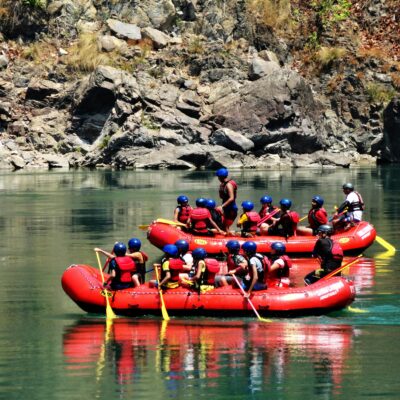
Adventure travel India has transformed from a niche market into a significant sector of the country's tourism industry. The Adventure Tour Operators Association of India has played a pivotal role in this growth, establishing safety standards and professional guidelines that have elevated the entire industry. Since its founding in 1994, the organization has worked to position India as a year-round adventure destination on the global stage.
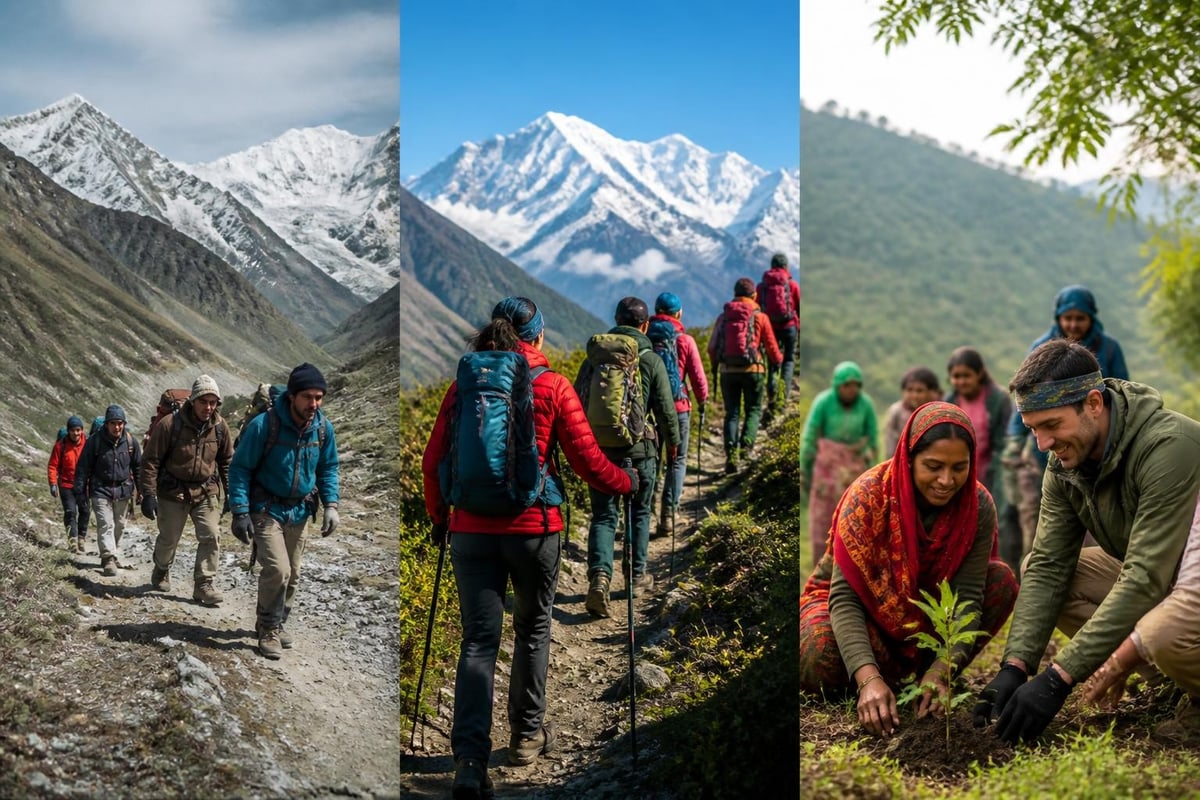
The growth reflects changing traveler preferences. Modern adventurers seek more than adrenaline rushes; they want meaningful connections with local communities and minimal environmental impact. This shift has opened doors for specialized operators who prioritize sustainability and cultural authenticity over mass tourism models.
Market Dynamics and Growth Factors
Research on adventure tourism in India identifies several key factors driving expansion. Infrastructure improvements in remote regions have made previously inaccessible areas reachable while maintaining their pristine character. Government initiatives promoting regional tourism have created new opportunities in lesser-known destinations.
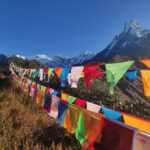
The Himalayan region continues to dominate adventure travel India offerings, but emerging destinations in the Western Ghats, Northeastern states, and plateau regions attract travelers seeking undiscovered territories. These areas offer unique combinations of natural beauty, cultural richness, and adventure possibilities.
| Region | Primary Adventures | Best Season | Cultural Highlights |
|---|---|---|---|
| Ladakh & Tibet | High-altitude trekking, monastery tours | May-September | Buddhist culture, traditional festivals |
| Himachal Pradesh | Paragliding, skiing, rafting | March-June, Dec-Feb | Hill station heritage, local crafts |
| Uttarakhand | Trekking, yoga retreats, wildlife | April-June, Sept-Nov | Spiritual sites, Garhwali traditions |
| Northeast India | Jungle trekking, tribal experiences | October-April | Indigenous cultures, biodiversity |
Himalayan Adventures: The Crown Jewel
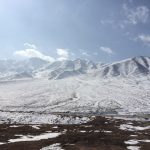
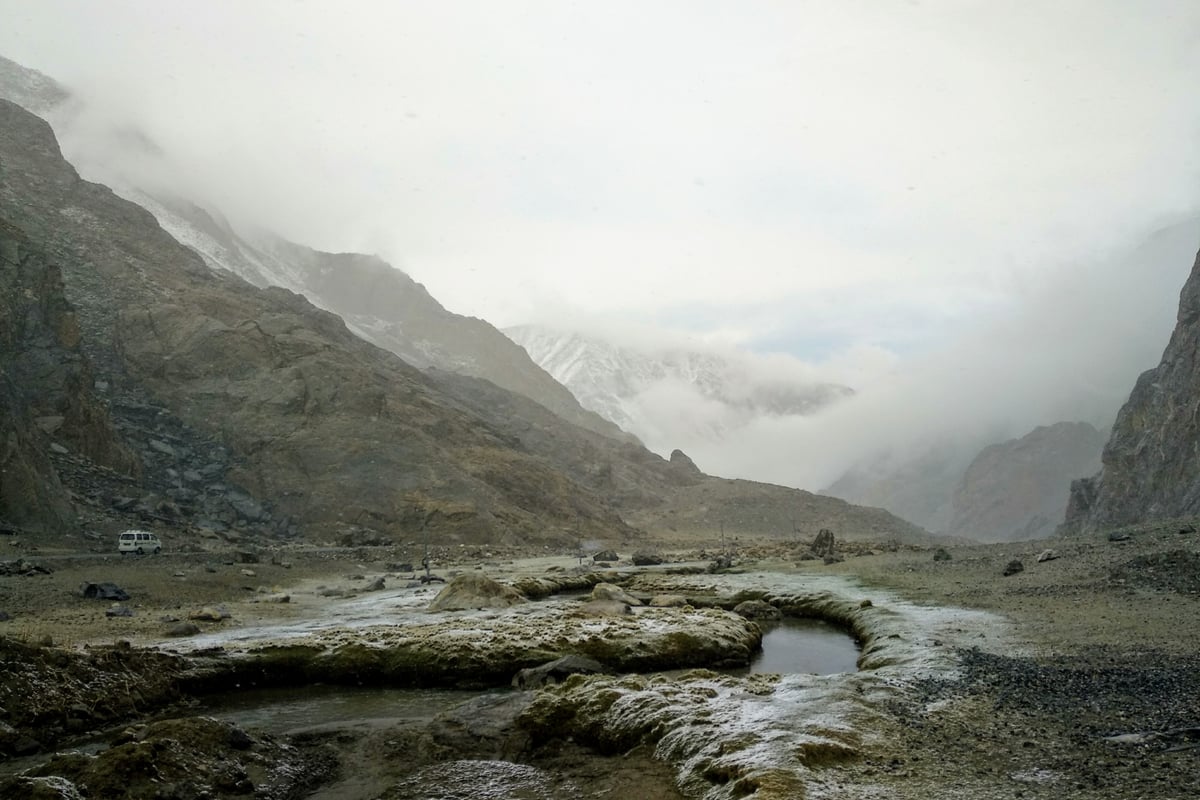
The Himalayan range represents the pinnacle of adventure travel India experiences. This vast mountain system stretches across multiple states and neighboring countries, creating diverse opportunities for exploration. The Tibetan Plateau, with its stark beauty and profound cultural heritage, offers particularly compelling adventures for those seeking both physical challenge and spiritual enrichment.
High-altitude trekking in regions like Ladakh and Spiti requires careful acclimatization. Understanding altitude management strategies becomes essential for safe and enjoyable journeys. Responsible operators build itineraries that allow gradual elevation gain, reducing altitude sickness risks while maximizing cultural encounters.
Monastery Routes and Cultural Treks
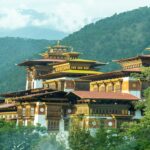
Adventure travel India experiences gain depth when they incorporate cultural elements. Monastery routes combine moderate trekking with visits to ancient Buddhist centers where travelers can observe centuries-old traditions. These journeys often include stays in village homestays, creating direct economic benefits for local communities.
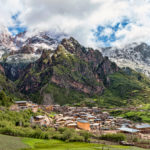
The remote valleys of Kham and other eastern Tibetan regions showcase this integration beautifully. Travelers traverse landscapes of snow-capped peaks and turquoise lakes while engaging with Tibetan communities maintaining traditional lifestyles. These expeditions require respectful engagement and support sustainable tourism practices that preserve cultural integrity.
For photographers and cultural enthusiasts, specialized journeys like the Kham Tibet Photography Tour provide structured opportunities to document and immerse in one of Tibet's most visually stunning and culturally rich regions, with expert guidance ensuring authentic interactions and stunning visual opportunities.
Water-Based Adventures Across India
Rivers flowing from the Himalayas create world-class rafting and kayaking opportunities. The Ganges, Brahmaputra, and their tributaries offer rapids ranging from gentle Class II flows suitable for beginners to challenging Class V sections that test expert paddlers. Adventure travel India water sports peak during post-monsoon months when water levels provide optimal conditions.
Aquaterra Adventures, recognized internationally for excellence in river expeditions, exemplifies the professionalism that has elevated India's water adventure sector. Their focus on safety protocols and environmental stewardship sets industry benchmarks.
River Expeditions and Safety Standards
Choosing operators with proper certification matters significantly. The best providers maintain rigorous safety standards, including:
- Certified river guides with wilderness first aid training
- High-quality equipment regularly inspected and replaced
- Comprehensive safety briefings covering rescue procedures
- Environmental protocols minimizing river ecosystem impact
- Small group sizes ensuring personalized attention
Multi-day river expeditions combine paddling with riverside camping, creating immersive wilderness experiences. These journeys often pass through remote valleys where traditional villages offer glimpses into rural Indian life largely unchanged by modern development.
Wildlife and Nature-Based Adventures
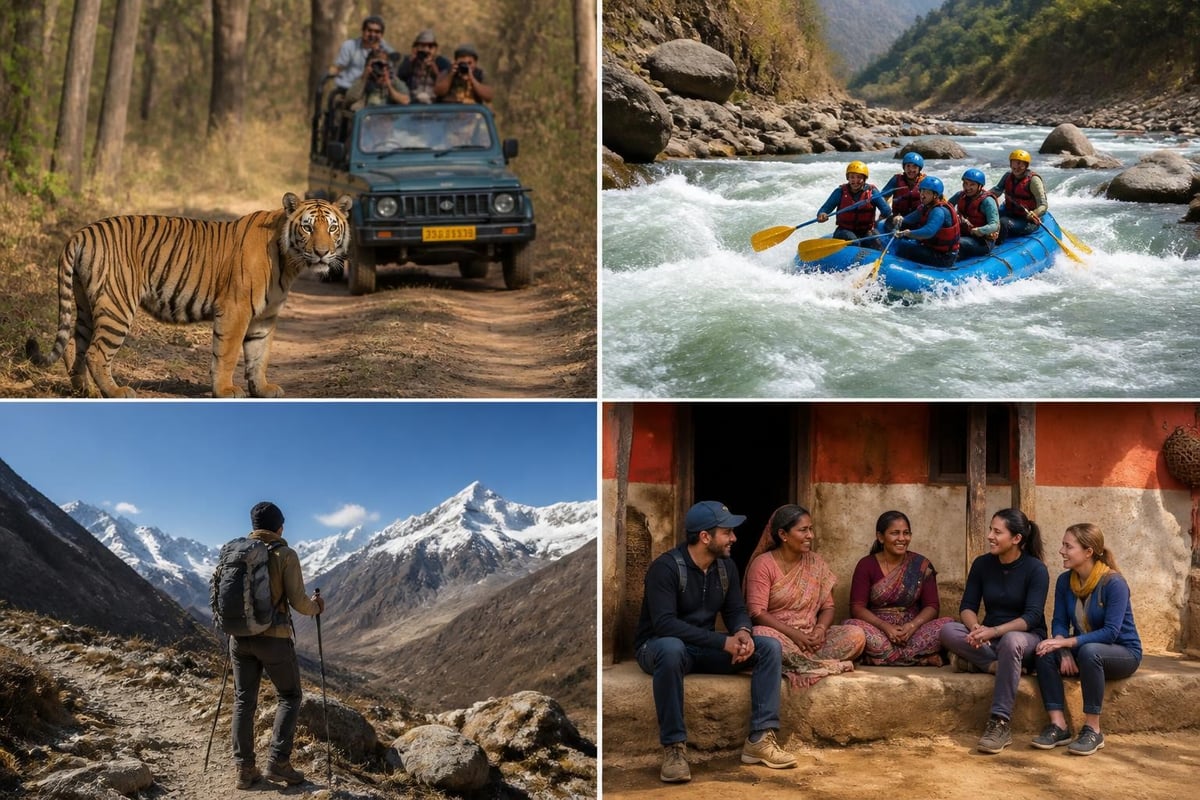
India's biodiversity supports adventure travel experiences centered on wildlife observation and nature exploration. Tiger safaris in national parks like Ranthambore and Jim Corbett attract wildlife enthusiasts, while birding expeditions in wetlands and forests appeal to ornithologists and nature photographers.
The Western Ghats biodiversity hotspot offers jungle trekking through dense forests home to endemic species found nowhere else on Earth. These adventures require knowledgeable guides who understand ecosystems and can interpret the complex relationships between species and their habitats.
Conservation-Focused Expeditions
Responsible adventure travel India operators increasingly incorporate conservation education into their programs. Travelers learn about habitat preservation challenges, anti-poaching efforts, and community conservation initiatives. Some programs include opportunities to participate in citizen science projects, contributing valuable data to ongoing research.
Cultural Immersion Adventures
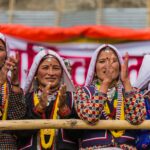
Adventure extends beyond physical activities to encompass deep cultural engagement. Festival-timed journeys allow travelers to witness and respectfully participate in traditional celebrations. These experiences require cultural sensitivity and proper guidance to ensure interactions benefit local communities rather than commodifying sacred traditions.
Village homestay programs create authentic cultural exchanges. Travelers share meals with families, learn traditional crafts, and gain insights into daily life rhythms. These programs generate income that stays within communities, supporting local economies without requiring massive infrastructure development.
Responsible Cultural Engagement
Successful cultural immersion in adventure travel India follows key principles:
- Advance community consultation ensuring local people welcome and benefit from tourism
- Fair compensation for homestay hosts, guides, and cultural teachers
- Respectful photography with permission and appropriate context
- Cultural education preparing travelers before community interactions
- Small group sizes minimizing disruption to daily life
- Long-term relationships between operators and communities
Plateau Adventures: Beyond Traditional Routes
The Tibetan Plateau and high-altitude regions of India offer adventure travel experiences distinct from typical Himalayan treks. These vast landscapes of rolling grasslands, remote monasteries, and nomadic encampments present unique challenges and rewards. The combination of extreme altitude, sparse population, and profound cultural heritage creates transformative journeys.
Plateau expeditions often involve vehicle-supported travel interspersed with day hikes, allowing travelers to cover significant distances while experiencing diverse landscapes. Encounters with nomadic yak herders provide insights into adaptation to harsh environments and sustainable resource use practiced for generations.
Climate Considerations and Timing
| Season | Conditions | Advantages | Challenges |
|---|---|---|---|
| Spring (April-May) | Warming temps, occasional snow | Wildflowers, fewer crowds | Unpredictable weather |
| Summer (June-August) | Pleasant days, cool nights | Best weather, festivals | Peak season prices |
| Autumn (Sept-Oct) | Clear skies, stable weather | Photography, harvest season | Cooling temperatures |
| Winter (Nov-March) | Extreme cold, snow | Solitude, winter festivals | Limited access, harsh conditions |
Adventures Overland demonstrates how adventure travel India has expanded to include epic overland journeys connecting India with distant destinations, though their cross-continental road trips represent the extreme end of the adventure spectrum.
Selecting Eco-Conscious Adventure Operators
The quality of adventure travel India experiences depends heavily on operator selection. Responsible companies prioritize environmental sustainability, cultural respect, and traveler safety equally. Certified adventure operators meeting international standards ensure programs deliver authentic experiences while maintaining rigorous safety protocols.
Key evaluation criteria include operator certifications, safety records, environmental policies, community relationships, and staff qualifications. Transparent operators readily share this information and welcome questions about their practices.
Certification and Industry Recognition
Look for operators affiliated with professional organizations that enforce standards. ATOAI membership indicates commitment to industry best practices. Recognition from credible sources like National Geographic validates operator quality and ethical practices.
Small group sizes typically indicate higher-quality experiences with less environmental impact. Groups of 6-12 travelers allow meaningful cultural interactions and flexible itineraries while maintaining economic viability for operators.
Essential Preparation for India Adventures
Successful adventure travel India experiences require thorough preparation. Physical conditioning appropriate to activity levels prevents injuries and ensures enjoyment. High-altitude treks demand cardiovascular fitness and prior hiking experience. Consult physicians about altitude sickness prevention and necessary vaccinations well before departure.
Packing and Equipment Considerations
Gear requirements vary dramatically by region and season. Himalayan expeditions need:
- Layered clothing systems managing temperature extremes
- Quality footwear broken in before the trip
- Sun protection including high-SPF sunscreen and UV-blocking sunglasses
- Personal medications with prescriptions and generic names
- Water purification methods for remote areas
- Technical equipment often provided by operators but verify beforehand
Research specific requirements for your chosen adventure. Operators should provide detailed packing lists and equipment specifications.
Health and Safety in Remote Regions
Adventure travel India often ventures into areas with limited medical infrastructure. Comprehensive travel insurance covering emergency evacuation becomes essential, not optional. Verify coverage includes adventure activities specifically, as many standard policies exclude them.
Preventive measures include staying current on vaccinations, taking prescribed antimalarials in appropriate regions, and maintaining excellent hydration. Recognize early symptoms of altitude sickness, dehydration, and heat exhaustion to address issues before they become serious.
Emergency Protocols and Communication
Reliable operators maintain emergency action plans including:
- Satellite communication devices in areas without cell coverage
- Evacuation protocols with helicopter service relationships
- Guides trained in wilderness first aid
- Regular check-ins with base operations
- Comprehensive medical kits appropriate to journey length and remoteness
Understanding these systems before departure provides peace of mind and enables informed decision-making if situations arise.
Sustainable Practices for Conscious Travelers
Adventure travel India participants bear responsibility for minimizing their environmental and cultural footprint. Simple practices make significant differences:
- Pack out all waste, including organic materials in fragile ecosystems
- Use designated trails to prevent erosion and habitat damage
- Choose reusable water bottles with filtration over single-use plastic
- Respect wildlife by maintaining appropriate distances and avoiding feeding
- Support local economies by purchasing crafts directly from artisans
- Learn basic phrases in local languages as signs of respect
These actions align with the principles guiding responsible adventure tourism development.
Leave No Trace in Fragile Environments
High-altitude and plateau environments recover slowly from damage. Minimize campfire impact by using established sites or portable stoves. Dispose of human waste properly using designated facilities or proper burial techniques far from water sources. Stay on established trails even when muddy or snow-covered.
The Future of Adventure Travel in India
The adventure travel India sector continues evolving toward greater sustainability and authenticity. Emerging trends include climate-conscious travel minimizing carbon footprints, deeper community partnerships ensuring equitable benefit distribution, and integration of traditional knowledge with modern adventure practices.
Technology enables improved safety and communication without diminishing wilderness experiences. GPS devices, weather forecasting, and emergency communication enhance security while travelers still disconnect from daily digital noise.
Emerging Destinations and Experiences
Lesser-known regions gain recognition as travelers seek undiscovered territories. The Northeastern states offer extraordinary biodiversity and cultural diversity with minimal tourism infrastructure. Central Indian tribal regions provide authentic cultural experiences combined with moderate adventure activities.
Specialized interests drive niche adventure development. Birding expeditions, botanical tours, astronomy-focused high-altitude camps, and traditional medicine learning journeys attract dedicated enthusiasts. These specialized programs often deliver exceptional sustainability outcomes through small group sizes and expert leadership.
Building Your India Adventure Itinerary
Crafting the ideal adventure travel India journey requires balancing ambitions with realistic assessments of fitness, experience, and available time. First-time visitors often benefit from professionally guided trips providing structure and local expertise. Experienced adventurers might combine guided sections in complex regions with independent exploration in accessible areas.
Consider seasonal factors carefully. Monsoon conditions make some regions impassable while creating ideal conditions elsewhere. Cultural festivals add richness to journeys but require advance planning as accommodation fills quickly.
Combining Multiple Adventure Types
Well-designed itineraries incorporate variety preventing fatigue and maximizing regional exploration. A Himalayan journey might combine trekking, monastery visits, village homestays, and whitewater rafting. This diversity appeals to different interests within travel groups and provides recovery time between physically demanding activities.
Allow buffer days for weather delays, particularly in mountain regions where conditions change rapidly. These "flex days" reduce stress and often become highlights when spent in unplanned cultural interactions or spontaneous explorations.
Adventure travel India offers transformative experiences combining physical challenge, cultural immersion, and natural beauty across extraordinarily diverse landscapes. Choosing operators committed to sustainability, safety, and authentic community engagement ensures your journey benefits both you and the regions you explore. Elevated Trips specializes in exactly these kinds of meaningful adventures across the Tibetan Plateau, India, Nepal, and Bhutan, with small group expeditions designed to create deep cultural connections while supporting local communities through responsible tourism practices.