Planning Your Travel Hike Adventure
Successful travel hiking begins months before you lace up your boots. Research forms the foundation of any worthwhile expedition, especially when venturing into remote regions where infrastructure may be limited and weather conditions unpredictable.
Choosing the Right Destination
Your destination should align with your fitness level, experience, and personal interests. Consider factors beyond scenic beauty:
- Altitude and climate conditions that match your acclimatization abilities
- Cultural significance and opportunities for authentic community interaction
- Seasonal weather patterns that affect trail accessibility
- Permit requirements and local regulations
- Transportation logistics to and from trailheads
Regions like the Tibetan Plateau offer unique combinations of dramatic landscapes and rich cultural heritage, making them ideal for travelers seeking meaningful connections beyond physical achievement. The National Park Service’s hiking safety guidelines emphasize the importance of understanding your destination's specific challenges before departure.
Physical Preparation and Training
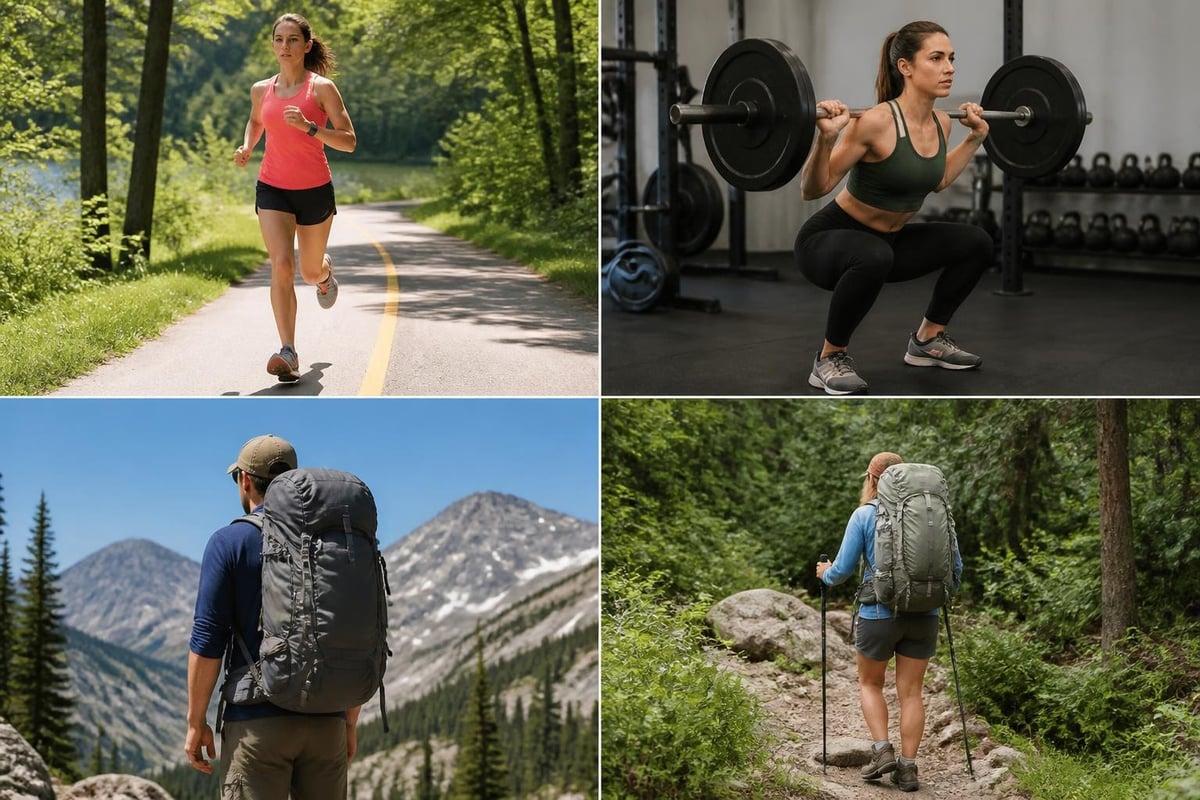
A travel hike demands more than weekend warrior fitness. Begin conditioning at least two to three months before your departure date, focusing on cardiovascular endurance, leg strength, and core stability.
Progressive training schedule:
- Start with flat terrain walks carrying a light daypack
- Gradually increase distance and elevation gain weekly
- Add weight to your pack incrementally, reaching your planned load
- Include strength training targeting quads, hamstrings, and calves
- Practice hiking consecutive days to simulate multi-day trek demands
Mental preparation proves equally crucial. Long days on the trail test patience, determination, and adaptability. Visualization techniques and meditation practices help build psychological resilience for challenging moments when fatigue or discomfort threaten to diminish your experience.
Essential Gear for Travel Hiking
Packing appropriately for a travel hike requires balancing preparedness with weight consciousness. Every item should justify its space in your pack through functionality or safety value.
The Critical Equipment List
| Category | Essential Items | Weight Consideration |
|---|---|---|
| Shelter | Lightweight tent or sleeping arrangements | 1.5-3 kg |
| Sleep System | Sleeping bag rated for conditions, insulated pad | 1-2 kg |
| Clothing | Moisture-wicking layers, insulation, rain protection | 2-3 kg |
| Footwear | Broken-in hiking boots, camp shoes | 1.5-2 kg |
| Navigation | Map, compass, GPS device, power bank | 0.5-1 kg |
| Safety | First aid kit, emergency shelter, headlamp | 1-1.5 kg |
Your backpack itself deserves careful selection. A properly fitted pack distributes weight across hips rather than shoulders, reducing fatigue and preventing injury. Visit specialty retailers for professional fitting sessions that account for torso length, load capacity, and body type.
The U.S. Forest Service’s hiking preparation guide provides comprehensive checklists covering various trail conditions and duration levels. Cross-reference these resources with destination-specific requirements to ensure nothing critical gets overlooked.
Sustainable and Lightweight Options
Modern travel hikers increasingly prioritize environmental responsibility alongside performance. Sustainable gear choices reduce ecological impact while often delivering superior functionality:
- Durable multi-use items that eliminate redundancy
- Rechargeable batteries and solar chargers instead of disposables
- Water filtration systems rather than bottled water
- Biodegradable soap and eco-friendly toiletries
- Reusable storage bags instead of single-use plastics
Companies like Tinc specialize in zero-waste products perfect for conscious travelers, offering solid shampoo bars, natural cleaning supplies, and plastic-free alternatives that minimize environmental footprint without sacrificing convenience. Learning how to pack a backpack efficiently maximizes space while maintaining organized access to frequently needed items.
Navigating Cultural Immersion on Trail
The most memorable travel hikes extend beyond physical landscapes into cultural territories rich with tradition and community life. Approaching local cultures with respect and genuine curiosity transforms ordinary treks into profound learning experiences.
Cultural Sensitivity and Etiquette
When hiking through inhabited regions, particularly areas like the Tibetan Plateau, Nepal, or Bhutan, understanding local customs prevents unintended offense and opens doors to authentic interactions.
Key cultural considerations:
- Research religious sites and appropriate behavior before visiting temples or monasteries
- Learn basic greetings and phrases in local languages
- Dress modestly, especially in conservative rural communities
- Ask permission before photographing people or sacred objects
- Support local economies by purchasing supplies from village shops
- Hire local guides who provide cultural context and economic benefit
Small group tours often facilitate deeper cultural connections than independent travel, as experienced guides bridge language barriers and introduce travelers to community members in respectful, mutually beneficial ways. The Prayers in the Plateau journey exemplifies how thoughtfully designed itineraries balance wilderness exploration with authentic cultural immersion, taking participants into Tibetan villages and nomadic communities for genuine interaction.
Environmental Stewardship
Leave No Trace principles form the ethical foundation of responsible travel hiking. These guidelines protect fragile ecosystems while preserving natural beauty for future generations:
- Plan ahead and prepare to minimize resource use
- Travel and camp on durable surfaces to prevent erosion
- Dispose of waste properly-pack out everything you pack in
- Leave what you find; avoid disturbing natural or cultural artifacts
- Minimize campfire impact or use established fire rings only
- Respect wildlife by observing from distance without feeding
- Be considerate of other visitors and local residents
Trail conditions vary significantly across regions. California State Parks offers detailed guidance on environmental awareness specific to diverse terrain types, from coastal paths to high-altitude mountain routes. Adapting these principles to your specific destination ensures your travel hike contributes positively to ecosystem health.
Safety and Risk Management
Understanding potential hazards and implementing proactive safety measures separates successful travel hikes from dangerous misadventures. Remote locations demand self-sufficiency and sound judgment.
Weather and Altitude Considerations
Mountain weather changes rapidly, transforming sunny mornings into afternoon storms without warning. Monitor forecasts religiously, but prepare for unexpected conditions regardless of predictions.
Altitude presents unique challenges:
- Acclimatize gradually, allowing one rest day for every 1,000 meters above 3,000 meters
- Recognize acute mountain sickness symptoms: headache, nausea, dizziness, fatigue
- Descend immediately if severe symptoms develop
- Stay hydrated, consuming 3-4 liters of water daily at elevation
- Avoid alcohol and sleeping medications that suppress breathing
Ohio State Health’s hiking safety recommendations emphasize physical preparation and post-hike recovery strategies that prevent injuries and enhance long-term enjoyment of outdoor activities.
Emergency Preparedness
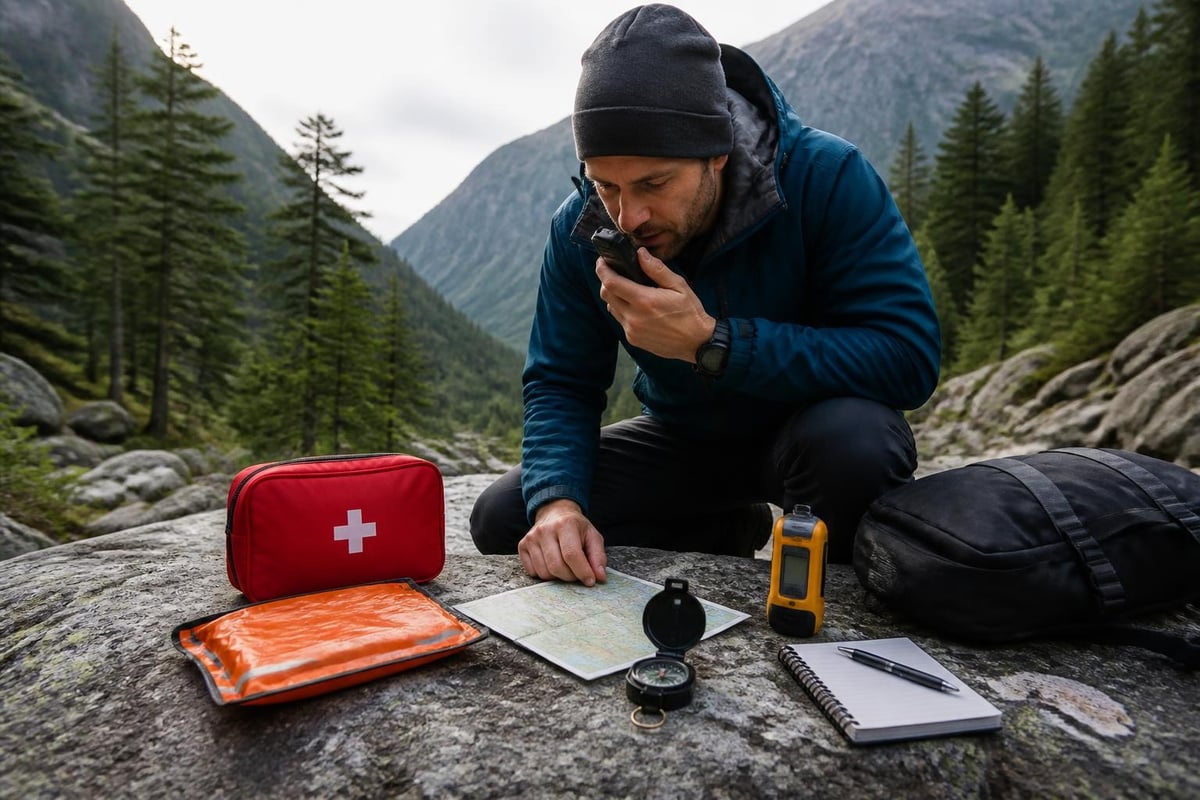
Communication becomes challenging in remote wilderness areas where cell service proves unreliable or nonexistent. Establish contingency plans before departure:
| Emergency Scenario | Preparation Strategy |
|---|---|
| Medical emergency | Comprehensive first aid training, satellite communication device |
| Navigation error | Physical maps, compass skills, downloaded offline GPS maps |
| Equipment failure | Repair kit, backup critical items, knowledge of improvisation |
| Weather emergency | Emergency shelter, extra food/water, weatherproof layers |
| Wildlife encounter | Bear spray or appropriate deterrent, food storage protocols |
Share detailed itineraries with trusted contacts, including expected check-in times and emergency contact numbers for local authorities or rescue services. The National Park Service’s Mount Rainier hiking safety page provides excellent templates for trip planning and communication protocols.
Maximizing Your Travel Hike Experience
Technical preparation ensures safety and comfort, but mindset determines whether your travel hike becomes truly transformative. Approaching each day with openness and flexibility allows unexpected moments to become highlight memories.
Photography and Documentation
Capturing your journey preserves memories while sharing inspiration with others. However, balance documentation with presence-experiencing moments fully before reaching for the camera.
Photography best practices:
- Golden hour (sunrise/sunset) provides optimal natural lighting
- Include foreground elements to create depth and scale
- Capture candid cultural moments respectfully, with permission
- Document small details alongside sweeping vistas
- Back up photos regularly to prevent devastating data loss
Professional photography tours, like specialized expeditions through Kham Tibet, combine expert instruction with access to exceptionally photogenic locations, elevating both technical skills and artistic vision. For inspiration on capturing your adventure's essence, explore insights from experienced adventure travelers who document their journeys.
Building Mental Resilience
Long-distance travel hiking tests mental fortitude as much as physical endurance. Difficult moments inevitably arise-weather delays, physical discomfort, cultural misunderstandings, or simple homesickness.
Strategies for maintaining positive mindset:
- Set realistic daily expectations rather than aggressive mileage goals
- Practice gratitude journaling each evening
- Embrace discomfort as opportunity for growth
- Connect genuinely with fellow travelers or local communities
- Remember inspiring quotes that motivated your initial planning
The journey itself holds value equal to reaching destinations. Slowing down to observe details-morning mist rising from valleys, prayer flags dancing in mountain winds, spontaneous conversations with shepherds-creates richness no summit view alone can provide.
Nutrition and Hydration Strategies
Fueling your body properly during a travel hike directly impacts performance, recovery, and overall enjoyment. Multi-day treks demand careful planning to balance nutritional needs with pack weight constraints.
Trail Food Fundamentals
Calculate approximately 2,500-4,000 calories daily depending on exertion level, body size, and environmental conditions. Cold weather and high altitude increase caloric requirements significantly.
Ideal trail food characteristics:
- High calorie density relative to weight
- Minimal cooking requirements
- Stable in varying temperatures
- Familiar to your digestive system
- Enjoyable enough to maintain appetite
| Meal Type | Recommended Options | Preparation Time |
|---|---|---|
| Breakfast | Instant oatmeal, granola, dried fruit, nuts | 5-10 minutes |
| Lunch | Energy bars, jerky, cheese, crackers, chocolate | No preparation |
| Dinner | Dehydrated meals, rice/pasta with sauce, soup | 15-20 minutes |
| Snacks | Trail mix, energy gels, dried mango, nut butter packets | Continuous |
Hydration requires equal attention. Dehydration compounds altitude effects and impairs judgment. Carry sufficient water capacity between reliable sources, typically 2-3 liters, and purify all natural water through filtration, chemical treatment, or boiling.
Special Dietary Considerations
Vegetarian, vegan, gluten-free, and other dietary restrictions require additional planning, particularly when traveling internationally. Research local food availability and pack supplemental options to ensure adequate nutrition throughout your trek.
Many regions offer unique local foods worth sampling-trying traditional dishes connects you more deeply with cultural heritage while supporting local economies. In areas surrounding Rebkong, for instance, you might encounter yak butter tea and tsampa, staples of Tibetan highland cuisine that provide excellent cold-weather energy.
Selecting the Right Travel Hike Experience
Independent trekking appeals to some adventurers, while others prefer guided group experiences. Both approaches offer distinct advantages depending on your priorities, experience level, and personal preferences.
Independent vs. Guided Travel Hiking
Independent trekking advantages:
- Complete schedule flexibility
- Lower overall costs in some regions
- Personal achievement and self-reliance
- Freedom to change plans spontaneously
Guided group trekking advantages:
- Expert local knowledge and cultural interpretation
- Logistical support for permits, accommodations, transportation
- Enhanced safety through professional leadership
- Immediate community economic benefit
- Built-in companionship and shared experience
Certain destinations practically require professional guidance due to permit regulations, language barriers, or complex logistics. Tibet, Bhutan, and restricted areas of Nepal mandate approved tour operators, making guided experiences the only legal option while simultaneously ensuring higher-quality, more culturally sensitive journeys.
Choosing a Responsible Tour Operator
When selecting guided travel hike experiences, evaluate operators based on their commitment to sustainability and community benefit:
- Small group sizes that minimize environmental impact
- Local employment of guides, porters, and support staff
- Fair wages and working conditions for all team members
- Cultural sensitivity training for staff and clients
- Environmental practices including waste management and carbon offsetting
- Community investment through education, infrastructure, or conservation projects
Organizations specializing in ecotourism naturally prioritize these values, creating travel hikes that enrich rather than exploit the regions they visit. The Minnesota DNR’s hiking safety guidelines emphasize knowing your limits and choosing appropriate difficulty levels, advice that applies equally when selecting professional guided experiences.
Post-Hike Recovery and Reflection
Your travel hike doesn't end when you reach the final destination or return home. Proper recovery and thoughtful reflection integrate the experience into your broader life narrative.
Physical Recovery Protocols
Multi-day trekking stresses muscles, joints, and connective tissues. Implement recovery strategies immediately upon completing your journey:
- Rehydrate aggressively with electrolyte-enhanced fluids
- Consume protein-rich meals to support muscle repair
- Stretch major muscle groups gently each day
- Rest completely for 2-3 days before resuming exercise
- Address blisters, abrasions, or minor injuries promptly
- Schedule massage or physical therapy if significant soreness persists
Listen to your body's signals. Pushing through genuine pain risks converting temporary discomfort into chronic injury that jeopardizes future adventures.
Sharing Your Experience Meaningfully
Processing your travel hike through writing, photography sharing, or conversation helps crystallize insights and preserve memories. Beyond personal benefit, sharing experiences thoughtfully can inspire others while raising awareness about conservation needs and cultural appreciation.
Consider these approaches:
- Create photo essays that tell stories rather than merely displaying images
- Write detailed trip reports for online communities, emphasizing practical advice
- Support conservation organizations protecting areas you visited
- Maintain connections with local guides or community members
- Plan your next adventure, applying lessons learned
Destinations like Jiuzhaigou offer stunning natural beauty that benefits from increased awareness and responsible visitation. Sharing your experiences can direct more conscious travelers toward areas that welcome tourism while discouraging irresponsible exploitation.
Long-Term Benefits of Travel Hiking
Regular travel hiking provides benefits extending far beyond individual trips. Physical fitness, mental clarity, cultural understanding, and environmental awareness compound over time, shaping perspectives and priorities.
Personal Transformation Through Adventure
People who commit to travel hiking consistently report profound life changes:
- Increased confidence from overcoming physical and mental challenges
- Enhanced problem-solving abilities developed through trail obstacles
- Broader worldviews gained from cultural immersion
- Deeper environmental values born from wilderness connection
- Stronger social bonds formed with adventure companions
- Improved stress management through nature exposure and physical activity
These benefits influence professional performance, relationships, and overall life satisfaction. The discipline required for successful travel hiking-planning, preparation, perseverance-transfers directly to other challenging endeavors.
Building a Sustainable Adventure Practice
Developing a long-term travel hiking practice requires balancing ambition with sustainability. Avoid burnout by:
- Varying difficulty levels across different trips
- Allowing adequate recovery time between major expeditions
- Continuing fitness maintenance during off-seasons
- Investing in quality gear that lasts years rather than replacing cheap equipment
- Deepening knowledge through courses, workshops, or mentorship
- Supporting conservation through volunteering or donations
Consider developing specialized interests within travel hiking-photography, botany, geology, cultural anthropology-that add intellectual depth to physical adventures. Expertise in specific areas makes each journey richer and more purposeful.
A travel hike represents more than miles covered or peaks summited-it's an investment in personal growth, cultural understanding, and environmental stewardship that resonates long after returning home. By approaching these adventures with thorough preparation, cultural sensitivity, and environmental responsibility, you create meaningful experiences that benefit both yourself and the communities you visit. Elevated Trips specializes in culturally immersive trekking experiences across the Tibetan Plateau, India, Nepal, and Bhutan, offering small group journeys that prioritize authentic connections and local community benefit while exploring some of the world's most spectacular landscapes.