The Amazon rainforest represents one of Earth's most biodiverse regions, housing millions of species within its vast canopy. As global interest in sustainable travel continues to grow, amazon rainforest ecotourism has emerged as a vital mechanism for conservation funding while offering travelers authentic wilderness experiences. This approach to exploration balances environmental protection with economic opportunities for indigenous communities, creating a sustainable model that addresses both conservation needs and local development. Understanding how responsible tourism operates in this critical ecosystem provides valuable insights for travelers seeking meaningful adventures across the world's most fragile environments.
The Foundation of Sustainable Rainforest Tourism
Amazon rainforest ecotourism operates on principles that prioritize ecosystem health over short-term economic gains. Successful programs integrate conservation science, community involvement, and visitor education into cohesive strategies that generate revenue while minimizing environmental impact.
Research from the International Union for Conservation of Nature demonstrates that well-managed rainforest tourism can provide significant funding for protected areas while creating employment alternatives to extractive industries. These programs establish carrying capacity limits, implement strict waste management protocols, and ensure that tourism infrastructure blends harmoniously with natural surroundings.
Key Components of Responsible Programs
Effective amazon rainforest ecotourism initiatives share several defining characteristics:
- Science-based visitor limits that prevent habitat degradation
- Revenue-sharing agreements with indigenous communities
- Environmental education programs for both guides and tourists
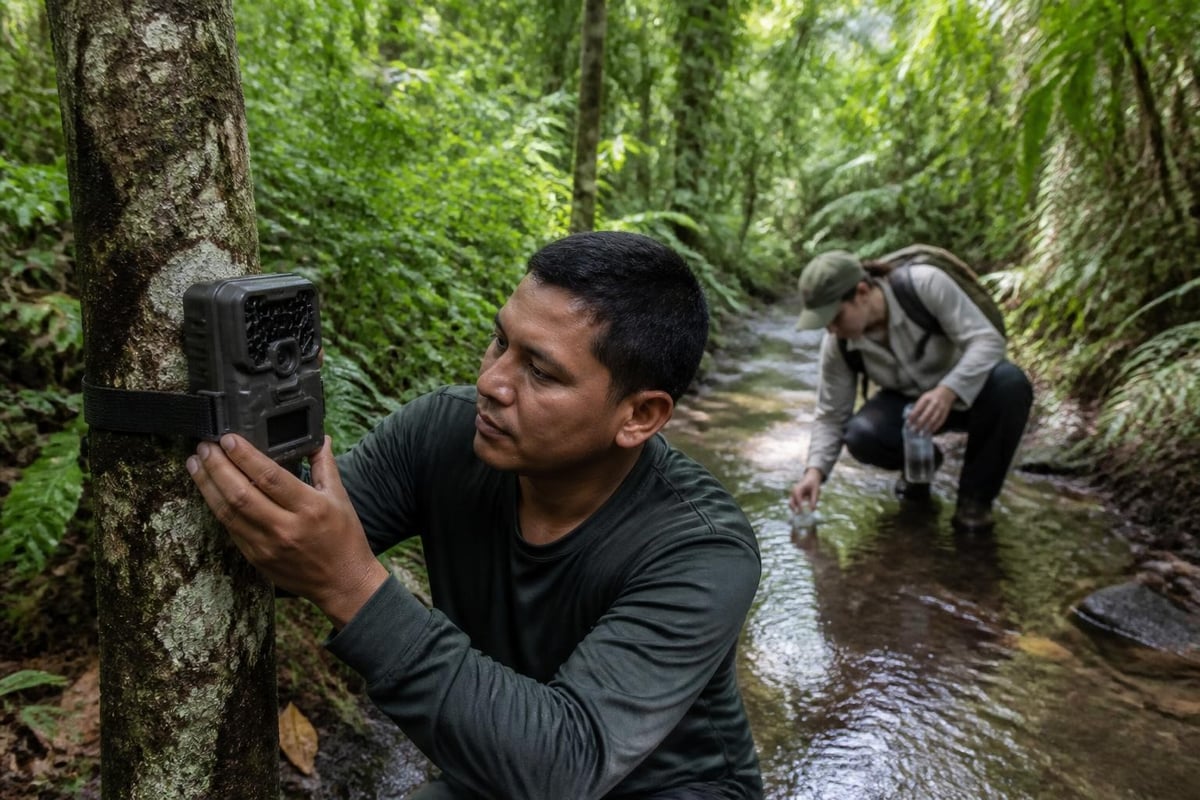
- Ongoing monitoring systems to track ecological impacts
- Partnerships with conservation organizations for research support
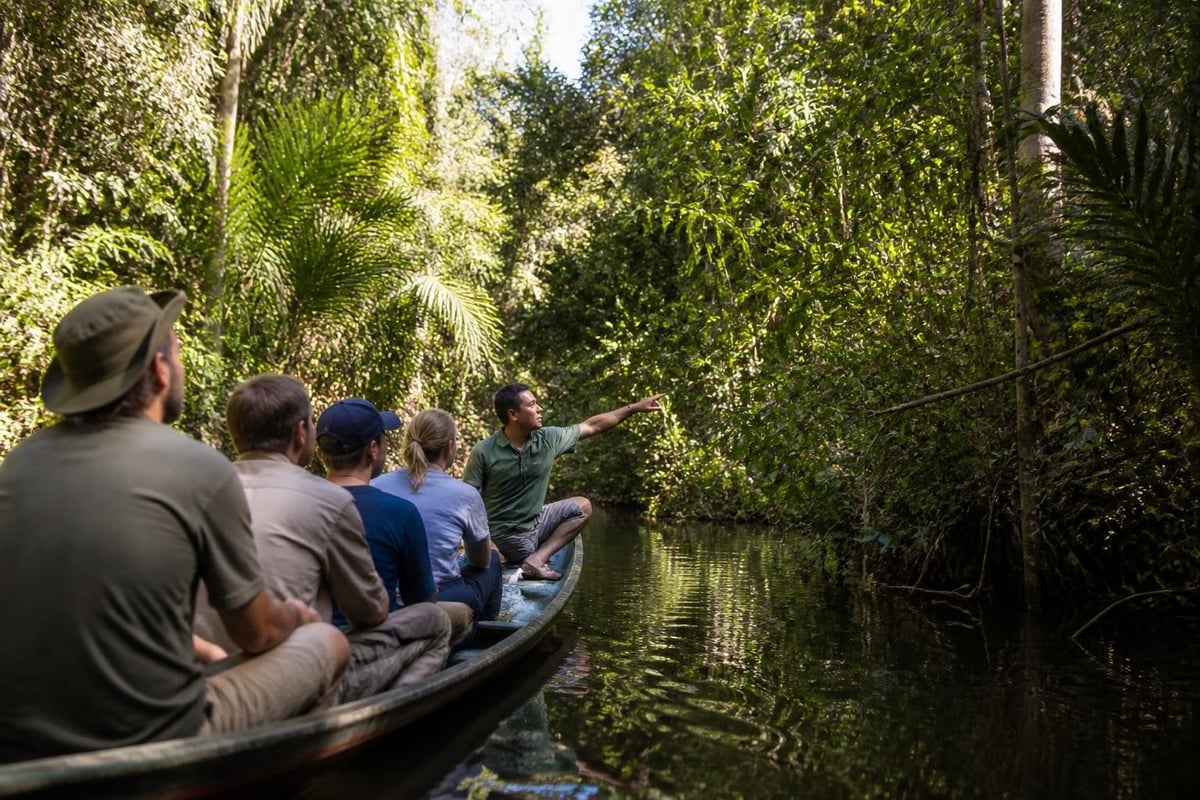
The most successful operations employ local guides who possess traditional ecological knowledge combined with contemporary conservation training. This approach ensures authentic cultural exchanges while maintaining high standards for environmental stewardship.
Economic Impact on Indigenous Communities
Local populations throughout the Amazon basin increasingly recognize tourism as a viable economic alternative to logging, mining, and agricultural expansion. Studies examining community-based ecotourism in the Ecuadorian Amazon reveal that well-structured programs can generate substantial income while preserving traditional lifestyles.
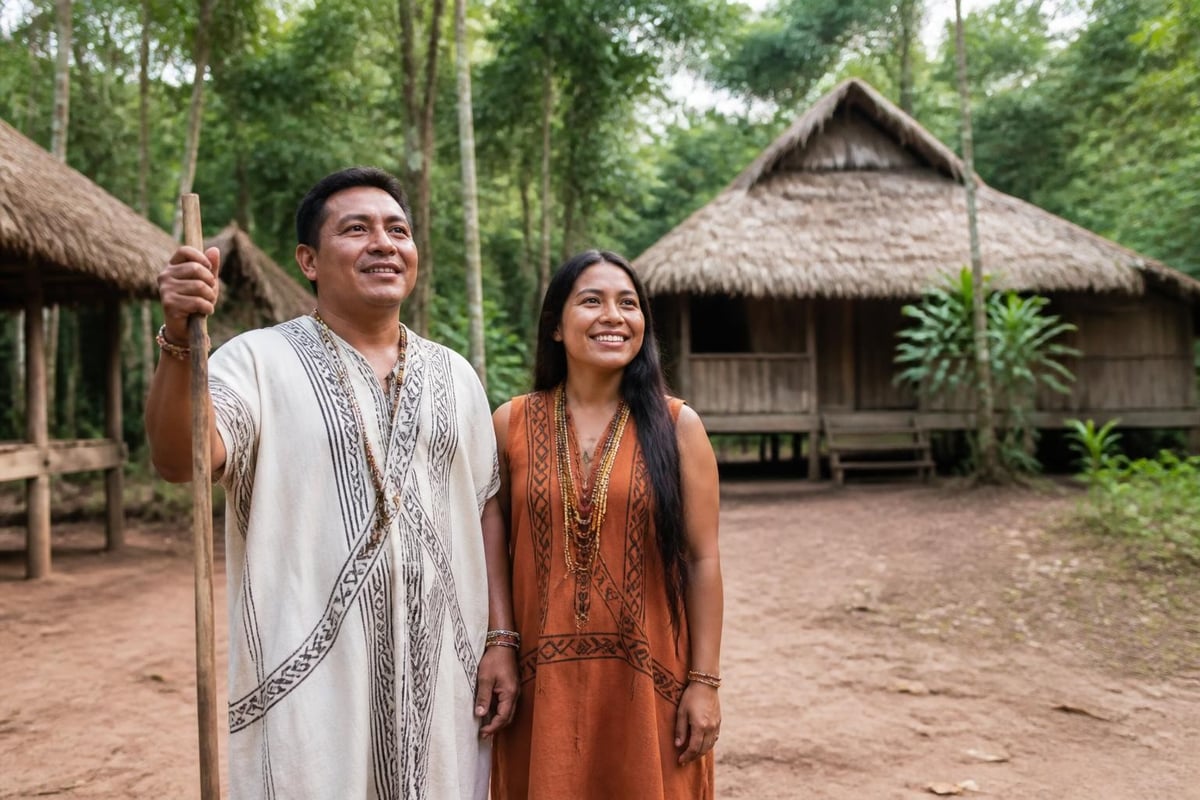
Indigenous communities participating in amazon rainforest ecotourism ventures typically maintain control over access to their territories and cultural presentations. This autonomy ensures that tourism development aligns with community values and long-term sustainability goals.
Community Benefits and Challenges
| Benefit Category | Positive Outcomes | Ongoing Challenges |
|---|---|---|
| Economic | Direct employment, craft sales, guide fees | Revenue seasonality, market fluctuations |
| Cultural | Preservation of traditions, language maintenance | Risk of commodification, external pressures |
| Environmental | Incentive for conservation, reduced deforestation | Need for ongoing monitoring, enforcement costs |
| Social | Infrastructure improvements, education access | Potential social disruption, inequality concerns |
The transition to tourism-based economies requires significant capacity building. Communities need training in hospitality management, business administration, marketing, and environmental interpretation to compete effectively in global tourism markets.
Conservation Outcomes and Biodiversity Protection
Amazon rainforest ecotourism creates powerful incentives for habitat preservation by demonstrating that intact ecosystems possess greater economic value than converted lands. Research on ecotourism profitability in the Peruvian Amazon shows that strategically developed tourism can compete financially with extractive industries while maintaining ecological integrity.
Protected areas that incorporate tourism infrastructure experience lower rates of illegal logging, poaching, and land conversion compared to zones without visitor programs. The presence of guides, tourists, and monitoring equipment deters illegal activities while funding enhanced enforcement capabilities.
Measuring Success
Effective conservation through tourism requires rigorous monitoring across multiple indicators:
- Species population trends within tourism zones versus control areas
- Habitat quality assessments measuring vegetation structure and composition
- Carbon sequestration rates demonstrating climate mitigation benefits
- Water quality monitoring in rivers and streams near tourism facilities
- Economic metrics tracking revenue generation and community distribution
Recent research on the safe operating space for the Amazon rainforest under climate change emphasizes the critical importance of sustainable practices like ecotourism in maintaining ecosystem resilience. The study highlights that combining conservation tourism with strict protection measures offers the best chance for long-term rainforest survival.
Choosing Responsible Tour Operators
Travelers seeking authentic amazon rainforest ecotourism experiences must carefully evaluate operators to ensure their investments support genuine conservation efforts. The proliferation of "greenwashing" in adventure travel makes due diligence essential for conscientious tourists.
Certification programs provide helpful starting points for identifying legitimate operators. Look for affiliations with established conservation organizations, transparent sustainability reporting, and documented community partnerships. The best operators publish annual impact reports detailing environmental metrics, community contributions, and conservation achievements.
Evaluation Criteria
Responsible operators demonstrate commitment through concrete actions rather than marketing rhetoric. Examine whether potential tour companies:
- Employ predominantly local staff at fair wages
- Invest in community development projects
- Limit group sizes to minimize ecological impact
- Provide thorough pre-trip environmental briefings
- Support scientific research through data collection or funding
- Maintain certified naturalist guides with ongoing training
Similar to how Elevated Trips emphasizes culturally immersive experiences that benefit local communities across the Tibetan Plateau, the most reputable Amazon operators prioritize authentic engagement over superficial encounters. This philosophy ensures travelers gain meaningful insights while contributing positively to destination communities.
Operational Standards and Best Practices
The physical infrastructure supporting amazon rainforest ecotourism varies considerably in environmental performance. Lodges and camps that minimize ecological footprints typically incorporate renewable energy systems, composting toilets, rainwater harvesting, and locally sourced construction materials.
Infrastructure Comparison
| Facility Type | Typical Capacity | Environmental Features | Community Integration |
|---|---|---|---|
| Remote Camps | 8-16 guests | Solar power, composting systems, temporary structures | High – often community-owned |
| Eco-lodges | 20-40 guests | Renewable energy, water treatment, permanent buildings | Medium – employment focus |
| Research Stations | 12-24 guests | Advanced monitoring equipment, minimal footprint | Variable – research partnerships |
| River Vessels | 16-32 guests | Regulated waste disposal, restricted access zones | Low to medium – supply chain |
Waste management presents particular challenges in remote rainforest settings. Leading facilities implement comprehensive systems that separate organic materials for composting, recycle or pack out inorganic waste, and treat wastewater through natural filtration before discharge.
The establishment of field research facilities in the Amazon demonstrates how scientific infrastructure can complement tourism operations, providing educational opportunities for visitors while advancing conservation knowledge.
Climate Change Implications
The Amazon rainforest functions as a critical carbon sink, storing approximately 150-200 billion tons of carbon within its biomass and soils. Amazon rainforest ecotourism contributes to climate mitigation both through direct conservation funding and by raising awareness about deforestation's global consequences.
Evidence of potential Amazon dieback in climate models underscores the urgency of supporting conservation mechanisms like sustainable tourism. As warming temperatures and altered precipitation patterns threaten rainforest stability, economic models that value standing forests become increasingly critical.
Tourism operations must also address their own carbon footprints, particularly regarding international air travel. Progressive operators offer carbon offset programs, invest in renewable energy, and develop low-impact transportation options within destination regions.
Alternative Livelihoods to Destructive Industries
Amazon rainforest ecotourism provides crucial economic alternatives to activities driving deforestation. Recent monitoring of illegal gold mining in the Amazon reveals the scale of environmental destruction caused by extractive industries, emphasizing the importance of viable substitutes.
Communities that successfully transition to tourism-based economies report improved health outcomes, educational opportunities, and cultural preservation. However, this transition requires substantial support including:
- Business development training for tourism entrepreneurs
- Language education to facilitate visitor communication
- Marketing assistance to reach international audiences
- Infrastructure investments in transportation and communication
- Financial services tailored to seasonal tourism revenues
Legal Framework and Regulatory Environment
The legal perspective on ecotourism development in Brazil illustrates the complex regulatory landscape governing amazon rainforest ecotourism across the basin. International conventions, national legislation, and indigenous rights frameworks intersect to create both opportunities and constraints for tourism development.
Protected area designations establish the foundation for conservation tourism, creating zones where sustainable visitation is permitted under strict conditions. These classifications range from fully protected national parks to sustainable-use reserves where communities can develop compatible economic activities.
Regulatory Challenges
Tourism operators navigate multiple layers of requirements:
- Environmental impact assessments before facility construction
- Operating permits from environmental agencies
- Indigenous consultation processes for territories affecting traditional lands
- Health and safety certifications for visitor facilities
- Tax compliance across multiple jurisdictions
Effective regulation balances conservation imperatives with economic development needs, ensuring that amazon rainforest ecotourism generates benefits without compromising ecosystem integrity.
Educational Value and Awareness Building
Beyond direct conservation funding, amazon rainforest ecotourism serves critical educational functions by connecting visitors with ecosystem complexity. This experiential learning creates conservation advocates who return home with heightened environmental awareness and commitment to sustainability.
Quality interpretation programs explain ecological relationships, indigenous knowledge systems, and conservation challenges in accessible formats. Visitors who understand the Amazon's role in global climate regulation, freshwater production, and biodiversity maintenance become powerful voices for protection policies.
Interpretive approaches that prove most effective include:
- Hands-on activities like wildlife monitoring or tree identification
- Stories connecting local communities with conservation outcomes
- Visual demonstrations of ecosystem services like water filtration
- Comparisons showing economic values of intact versus degraded forests
- Discussions of personal consumption choices affecting rainforest health
The knowledge gained through immersive experiences often translates into behavioral changes and advocacy efforts that extend far beyond individual trips.
Planning Your Responsible Amazon Journey
Travelers preparing for amazon rainforest ecotourism adventures should invest time in pre-trip education to maximize their experience while minimizing negative impacts. Understanding regional ecology, cultural protocols, and conservation challenges enhances appreciation and enables more meaningful interactions.
Essential preparation steps include:
- Researching the specific Amazon region you'll visit and its conservation status
- Learning basic phrases in local indigenous languages
- Understanding appropriate photography protocols respecting privacy and culture
- Preparing physically for tropical conditions and moderate activity levels
- Selecting appropriate gear that minimizes environmental impact
- Arranging comprehensive travel insurance including medical evacuation
Those interested in experiencing other mountain ecosystems might explore similar community-focused adventures, such as the culturally immersive journeys offered across various tour regions in Asia's high-altitude environments.
Long-term Sustainability Considerations
The future viability of amazon rainforest ecotourism depends on maintaining ecological integrity while adapting to changing environmental conditions. Climate variability, infrastructure development pressures, and evolving visitor expectations create ongoing management challenges requiring flexible, adaptive strategies.
Successful long-term programs demonstrate several common characteristics:
| Success Factor | Implementation Strategy | Measurement Approach |
|---|---|---|
| Adaptive management | Regular protocol reviews based on monitoring data | Annual ecological assessments |
| Community empowerment | Increasing local ownership and decision-making authority | Participation rates, leadership diversity |
| Financial sustainability | Diversified revenue streams beyond tourism | Financial audits, reserve fund growth |
| Ecosystem resilience | Habitat connectivity, restoration programs | Species diversity indices, forest health metrics |
The most resilient operations build redundancy into their business models, ensuring that temporary disruptions from weather, economics, or health concerns don't collapse community livelihoods or conservation funding.
Visitor Responsibilities and Ethics
Travelers participating in amazon rainforest ecotourism bear responsibility for minimizing their environmental and cultural footprints. Ethical visitors recognize that their presence creates impacts requiring conscious mitigation through informed choices and respectful behavior.
Core principles for responsible visitors:
- Follow all guide instructions regarding wildlife viewing distances and trail protocols
- Pack out all waste including biodegradable materials that decompose slowly in tropical conditions
- Respect cultural boundaries and photography restrictions in indigenous communities
- Purchase crafts and services directly from artisans at fair prices
- Minimize noise and artificial light that disturb wildlife
- Avoid touching plants and animals unless specifically instructed by guides
- Support conservation organizations working in visited regions
Recognizing tourism as a privilege requiring reciprocal responsibility transforms visitors from passive consumers into active conservation participants.
Integration with Broader Conservation Strategies
Amazon rainforest ecotourism functions most effectively when integrated into comprehensive conservation landscapes combining protected areas, sustainable-use zones, and restoration corridors. Isolated tourism operations cannot address landscape-scale threats like road construction, agricultural expansion, and climate change.
Successful integration requires coordination among governments, NGOs, communities, and private sector operators. Tourism revenue helps fund ranger patrols, research programs, and community development initiatives that collectively maintain ecosystem integrity across broader regions.
The lessons learned from amazon rainforest ecotourism apply to fragile ecosystems worldwide, from coral reefs to mountain environments. Travelers who develop conservation ethics in the Amazon often carry these values to other destinations, creating positive impacts across global tourism.
Amazon rainforest ecotourism demonstrates how thoughtful travel can support conservation while providing economic opportunities for local communities and transformative experiences for visitors. By choosing responsible operators, preparing thoroughly, and traveling with cultural sensitivity, you contribute to protecting one of Earth's most critical ecosystems. If you're passionate about culturally immersive, sustainable adventures that benefit local communities, Elevated Trips offers expertly guided small group tours across the Tibetan Plateau, India, Nepal, and Bhutan that embody these same principles of authentic engagement and environmental stewardship.