Understanding the Route from Bhutan to Nepal
The journey from Bhutan to Nepal presents travelers with limited but well-established options. Unlike neighboring countries with multiple border crossings, the geographic reality of these two nations means air travel dominates as the primary connection method.
Geographic Considerations Between the Two Nations
Bhutan and Nepal don't share a direct border, which surprises many first-time visitors to the region. The Indian state of Sikkim sits between these two Himalayan kingdoms, creating a geographic buffer that significantly impacts travel planning. This positioning means any overland journey from Bhutan to Nepal must transit through Indian territory, requiring additional permits and documentation.
The aerial distance between Paro, Bhutan's only international airport, and Kathmandu measures approximately 400 miles. However, overland routes extend considerably longer due to mountain terrain and the necessary route through Indian checkpoints. Travelers must account for elevation changes, border formalities, and seasonal weather patterns when planning their crossing.
Flight Options and Airlines
Flying remains the most efficient and popular method for traveling from Bhutan to Nepal. Several airlines operate this route with varying schedules throughout the year.
Direct Flight Services
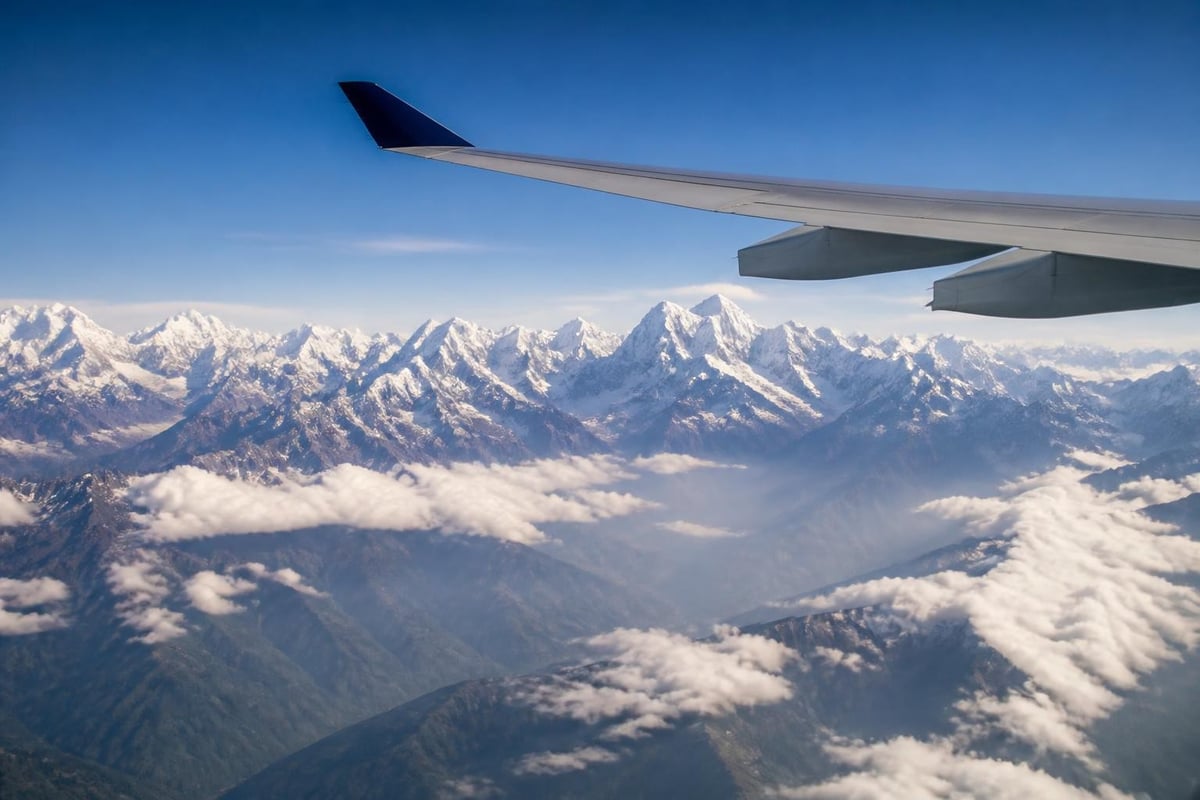
Druk Air (Royal Bhutan Airlines) and Bhutan Airlines provide the primary connections between Paro and Kathmandu. These carriers typically schedule flights multiple times per week, with frequency adjusting based on seasonal demand. Flight duration averages around 90 minutes, offering passengers spectacular aerial views of the Himalayan range, including distant glimpses of Mount Everest on clear days.
Key Flight Details:
- Average flight time: 1.5 hours
- Typical frequency: 3-5 flights weekly (varies by season)
- Peak season: March-May and September-November
- Booking window: Reserve 2-3 months in advance for best availability
The airlines serving Bhutan maintain modern fleets and employ pilots specially trained for mountain approaches, as Paro's airport ranks among the world's most challenging for landings.
Booking Strategies and Pricing
Airfare for the Bhutan to Nepal route fluctuates significantly based on booking timing and travel season. Expect prices ranging from $200 to $450 USD for one-way tickets, with premium rates during peak trekking seasons.
| Booking Window | Expected Price Range | Availability |
|---|---|---|
| 3+ months advance | $200-$280 | Excellent |
| 1-2 months advance | $280-$350 | Good |
| Less than 1 month | $350-$450+ | Limited |
| Last minute | $400-$500+ | Very limited |
Working with specialized tour operators can secure better rates through consolidated bookings and established airline relationships. Many ecotourism companies maintain partnerships with carriers serving this route, potentially offering bundled pricing advantages.
Overland Journey Through India
For adventurous travelers seeking a more immersive experience, the overland route from Bhutan to Nepal provides cultural richness despite its complexity. This journey requires careful planning and appropriate documentation.
Route Overview and Border Crossings
The overland journey typically follows this sequence: exit Bhutan at Phuentsholing, travel through West Bengal and Bihar states in India, then enter Nepal at either Kakarbhitta or Birgunj. Total driving distance exceeds 600 miles, requiring multiple days with overnight stops.
Typical Overland Itinerary:
- Phuentsholing (Bhutan) to Siliguri (India) – 4-5 hours
- Siliguri to Kakarbhitta border (Nepal) – 2-3 hours
- Kakarbhitta to Kathmandu – 12-14 hours (or overnight stop recommended)
- Alternative: Route through Birgunj adds central Nepal perspective
This ground-level perspective allows travelers to witness the dramatic cultural and geographic transitions between Himalayan kingdoms. The route passes through tea plantations, bustling Indian cities, and gradually descending elevations as you move from Bhutan's mountain kingdom toward Nepal's Terai plains before ascending again toward Kathmandu.
Permit Requirements for Transit
Transiting through India requires specific documentation beyond standard tourist visas. Travelers need valid Indian visas with multiple-entry provisions if planning to return through the same route. Entry procedures into Bhutan already require pre-arranged tours for most nationalities, and similar advance planning helps with the Nepal leg.
Required Documentation:
- Valid passport (6+ months validity)
- Indian visa (multiple entry recommended)
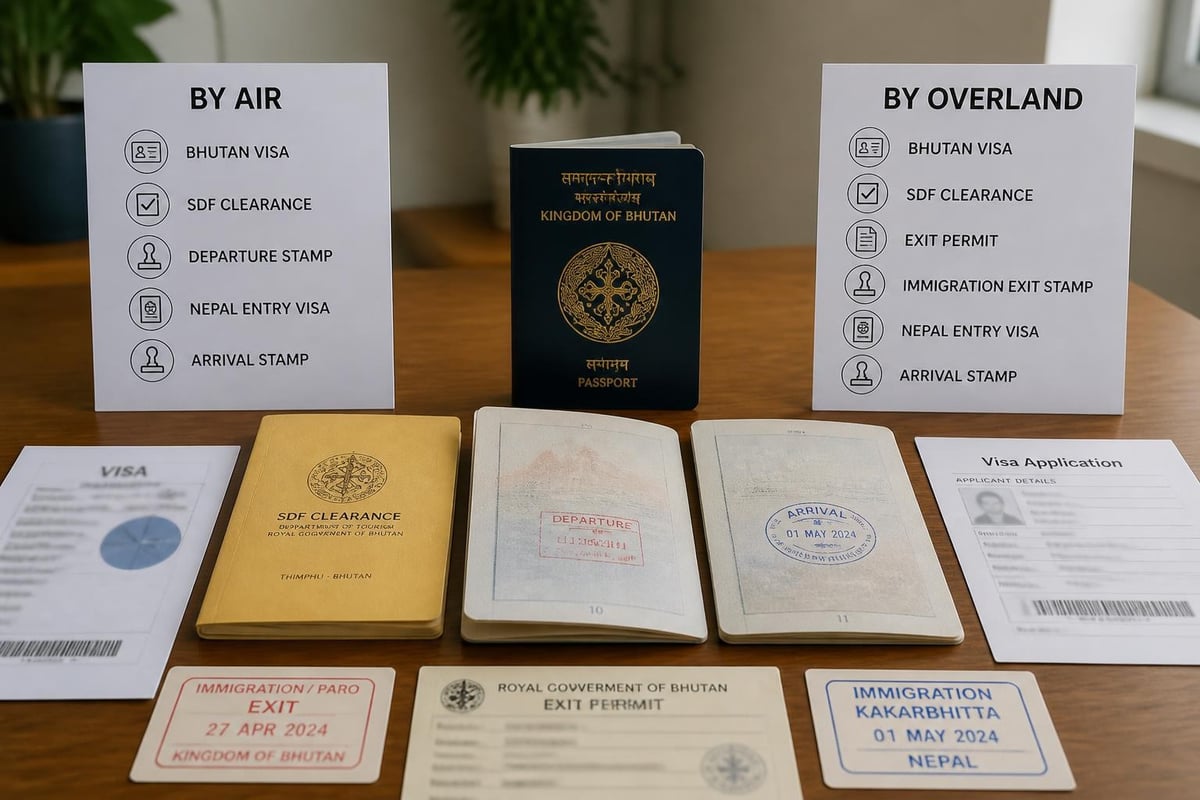
- Bhutan departure clearance
- Nepal entry visa (available on arrival for many nationalities)
- Vehicle permits if driving personal/rental vehicles
Visa and Entry Requirements
Understanding visa protocols for both countries prevents delays and complications during your Himalayan journey.
Bhutan Exit Procedures
Departing Bhutan involves clearing immigration at either Paro Airport for flights or land border checkpoints for overland travel. Your tour operator typically handles much of this process, as Bhutan's tourism model requires travelers to book through licensed operators or pay the Sustainable Development Fee (SDF) directly.
The SDF stands at $100 USD per person per night during high season, applied throughout your Bhutan stay. Upon departure, ensure all SDF payments are settled and documentation is complete. Processing usually moves smoothly, but allow extra time during peak seasons when multiple flights may depart simultaneously.
Nepal Entry Requirements
Nepal maintains a relatively accessible visa policy for international visitors. Most nationalities can obtain visas on arrival at Tribhuvan International Airport in Kathmandu or at land border crossings. Current fees range from $30 for 15 days to $125 for 90 days.
Traveling from Nepal to Bhutan requires advance planning, but the reverse journey offers more flexibility. Processing typically takes 30-60 minutes during normal periods, though land crossings may experience longer waits.
Comparing Cultural Experiences
The transition from Bhutan to Nepal reveals fascinating contrasts in how two Buddhist-majority nations have developed their tourism sectors and preserved their heritage.
Bhutan's High-Value, Low-Impact Model
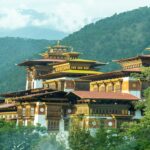
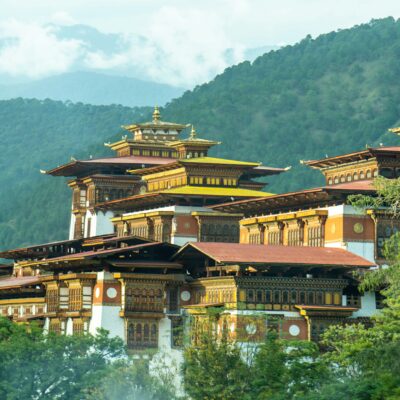
Bhutan pioneered the concept of "high-value, low-impact" tourism, intentionally limiting visitor numbers to protect cultural integrity and environmental resources. This philosophy manifests in the SDF requirement and mandatory guided tour structures. Travelers experience pristine landscapes, well-preserved dzongs (fortress monasteries), and communities less impacted by mass tourism.
The country measures success through Gross National Happiness rather than GDP, influencing everything from architectural standards to development policies. This creates an almost timeless quality in Bhutanese towns and villages.
Nepal's Open Access and Diversity
Nepal embraces a more accessible tourism model, welcoming independent travelers alongside organized groups. This openness has created a robust trekking infrastructure, diverse accommodation options at every price point, and well-established trail networks through the Himalayas.
The cultural and geographical differences between these nations become immediately apparent. Nepal's ethnic diversity includes over 120 languages and numerous religious traditions beyond Buddhism, including Hinduism, which influences temple architecture and daily rituals throughout the country.
Planning Your Multi-Country Itinerary
Combining Bhutan and Nepal creates a comprehensive Himalayan experience, but optimal routing requires strategic planning.
Suggested Itinerary Frameworks
Option 1: Bhutan Cultural Immersion to Nepal Trekking (18-21 days)
- Days 1-8: Bhutan cultural tour (Thimphu, Punakha, Paro, Tiger's Nest)
- Day 9: Flight to Kathmandu
- Days 10-11: Kathmandu cultural exploration
- Days 12-20: Nepal Everest Base Camp trek
- Day 21: Departure
Option 2: Festival-Focused Journey (12-14 days)
- Days 1-6: Time Bhutan visit for tshechu (festival) attendance
- Day 7: Travel day Bhutan to Nepal
- Days 8-13: Nepal cultural sites and short Himalayan trek
- Day 14: Departure from Kathmandu
Option 3: Extended Himalayan Exploration (25-30 days)
This framework allows deeper engagement with both nations, including remote valleys, extended treks, and community homestays that showcase authentic mountain life.
Seasonal Considerations
Timing significantly impacts your Bhutan to Nepal journey experience. The Himalayan region experiences distinct seasons that affect accessibility, views, and cultural events.
| Season | Bhutan Conditions | Nepal Conditions | Best For |
|---|---|---|---|
| Spring (Mar-May) | Clear skies, rhododendrons blooming | Peak trekking, warm temperatures | Mountain views, festivals |
| Monsoon (Jun-Aug) | Heavy rain, lush landscapes | Wet trails, limited visibility | Budget travel, fewer crowds |
| Autumn (Sep-Nov) | Ideal weather, crisp views | Perfect trekking conditions | Photography, high-altitude treks |
| Winter (Dec-Feb) | Cold but clear, snow at altitude | Lower elevations ideal | Cultural tours, lower prices |
Spring and autumn represent premium seasons for traveling from Bhutan to Nepal, offering the most reliable weather and best mountain visibility. However, these periods also see peak crowds and higher prices across both destinations.
Practical Logistics and Travel Tips
Successfully navigating from Bhutan to Nepal requires attention to details beyond basic routing and documentation.
Currency and Financial Planning
Bhutan uses the ngultrum (BTN), pegged at parity with the Indian rupee, which is also accepted throughout Bhutan. Nepal's currency is the Nepali rupee (NPR). Neither currency is widely exchangeable outside the region, so plan to exchange remaining Bhutanese currency before departing.
Financial Best Practices:
- Carry USD for easy exchange in both countries
- Use ATMs in major cities (Thimphu, Paro, Kathmandu, Pokhara)
- Credit cards accepted in upscale establishments but not reliable elsewhere
- Inform your bank of travel dates to prevent card blocks
- Keep small denominations for tips, entry fees, and rural purchases
Communication and Connectivity
Both nations have improved connectivity significantly in recent years, though expectations should remain modest compared to Western standards. Bhutan's major towns offer WiFi in hotels and restaurants, while Nepal provides broader coverage including some trekking routes.
Consider purchasing local SIM cards in each country for data access and local calls. Bhutan's providers include B-Mobile and TashiCell, while Nepal offers Ncell and NTC as primary options. Tourist SIM cards are available at airports and require passport documentation.
Health and Safety Preparations
Altitude considerations affect both Bhutanese and Nepali destinations. Paro sits at 7,300 feet, while Kathmandu reaches 4,600 feet. Trekking routes in both countries ascend considerably higher, making acclimatization crucial.
Recommended vaccinations include Hepatitis A and B, typhoid, and routine immunizations. Consult travel medicine specialists 6-8 weeks before departure. Water purification tablets or filters are essential, as tap water throughout the region requires treatment for foreign visitors.
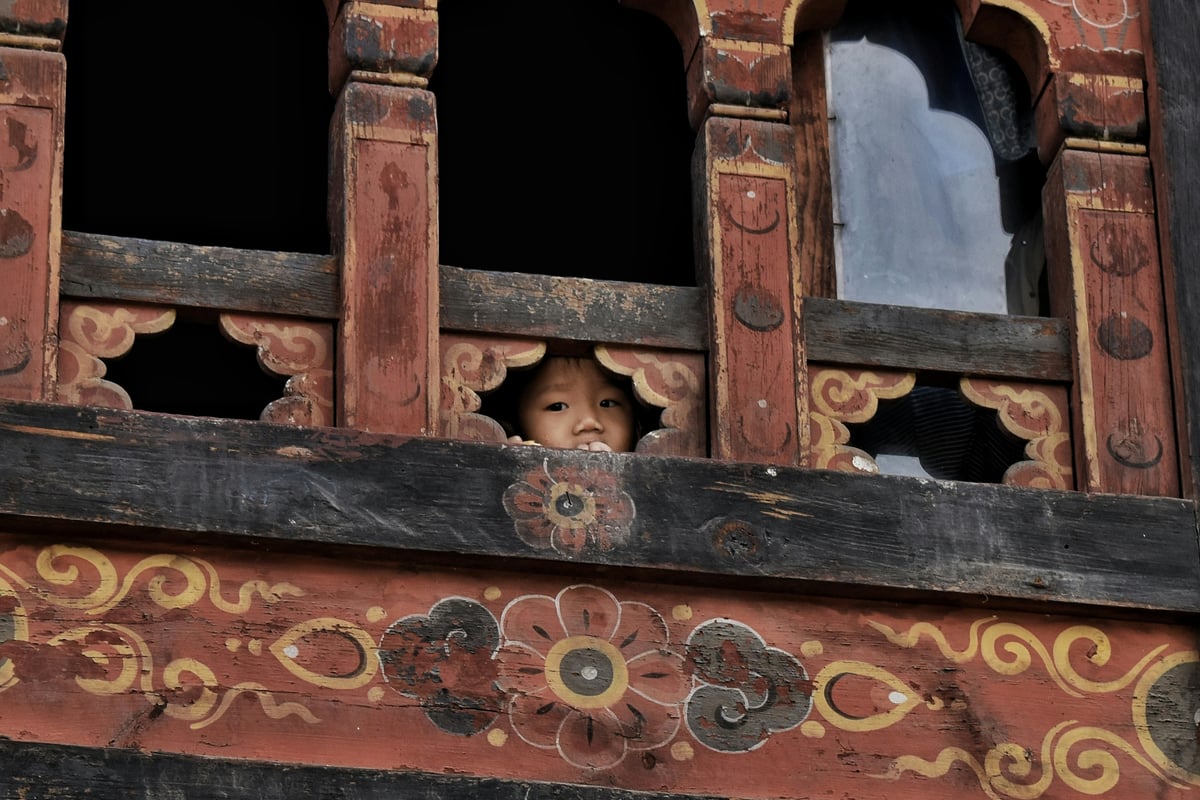
For travelers seeking expertly guided experiences that honor local cultures while minimizing environmental impact, the Bhutan Cultural Tour offers an immersive introduction to the Thunder Dragon Kingdom before continuing to Nepal. This tour provides the logistical support and cultural insights that transform a simple border crossing into a meaningful journey.
Cultural Etiquette and Responsible Travel
Transitioning between Bhutan and Nepal requires cultural awareness to engage respectfully with host communities in both nations.
Religious Sensitivity
Both countries are predominantly Buddhist, though Nepal includes significant Hindu populations. Basic etiquette applies across both destinations: remove shoes before entering temples, walk clockwise around religious monuments, and ask permission before photographing people or ceremonies.
Dress modestly, particularly in religious sites. In Bhutan, men should avoid shorts in dzongs, while women should cover shoulders and knees. Nepal maintains similar expectations though enforcement varies by location.
Supporting Local Communities
The ecotourism model prioritizes community benefit through thoughtful spending and engagement. Purchase handicrafts directly from artisans, eat at family-run restaurants, and choose locally owned guesthouses when options exist. Both Bhutan's mandated guide system and Nepal's teahouse networks channel tourism revenue into local economies when travelers make conscious choices.
Responsible Travel Practices:
- Minimize plastic use and pack out all waste
- Support community-based tourism initiatives
- Learn basic phrases in Dzongkha and Nepali
- Respect photography restrictions in monasteries
- Hire local guides for treks and cultural sites
Packing Essentials for Cross-Country Travel
Moving between Bhutan and Nepal requires versatile packing that accommodates cultural sites, potential trekking, and varying elevations.
Clothing Strategies
Layering systems work best across the diverse conditions you'll encounter. Base layers, insulating mid-layers, and waterproof shells handle everything from Kathmandu's urban environment to high-altitude monasteries. Include:
- Moisture-wicking base layers (synthetic or merino wool)
- Warm fleece or down jacket for altitude
- Waterproof/windproof outer shell
- Comfortable walking shoes and sandals for cities
- Trekking boots if planning mountain routes
- Sun hat, warm hat, and gloves
- Modest clothing for temple visits
Essential Gear and Supplies
Beyond clothing, certain items enhance comfort and safety throughout your journey. Water purification systems (tablets, UV pens, or filters) prove essential. Reusable water bottles reduce plastic waste while ensuring hydration. Headlamps serve dual purposes for electricity-limited areas and early morning temple visits.
First aid kits should include altitude medication (discuss Diamox with your physician), basic wound care, anti-diarrheal medication, and any personal prescriptions with sufficient quantities for your entire trip plus extra for delays.
Transportation Within Each Country
Understanding domestic transportation options helps you maximize your time in both nations after completing the Bhutan to Nepal crossing.
Getting Around Bhutan
Bhutan's tourism structure means your tour operator arranges all internal transportation, typically in comfortable vehicles with experienced drivers familiar with mountain roads. Independent travel within Bhutan remains restricted for most visitors, simplifying logistics but reducing spontaneity.
The country lacks railways, and domestic flights serve limited routes. Road quality varies from excellent highways connecting major towns to narrow mountain tracks requiring skilled navigation.
Navigating Nepal
Nepal offers considerably more transportation independence. Domestic flights connect Kathmandu with Pokhara, Lukla (for Everest treks), and other regional centers. Tourist buses run regular routes between popular destinations, while local buses provide cheaper alternatives with less comfort.
Taxis and rickshaws handle urban transportation, though establishing prices before departure prevents disputes. For combined India and Nepal trips, overland buses cross the border at multiple points, extending travel possibilities throughout the subcontinent.
Extending Your Himalayan Journey
Many travelers use the Bhutan to Nepal route as part of broader regional exploration, leveraging proximity to India, Tibet, and Southeast Asia.
Adding Tibet to Your Itinerary
Tibet shares borders with both Bhutan and Nepal, though distinct permit requirements and political considerations affect access. The Lhasa to Kathmandu route (or reverse) combines remarkably well with Bhutan, creating a comprehensive Tibetan Plateau experience.
Travelers should note that Tibet requires Chinese visas plus Tibet Travel Permits arranged through licensed tour operators. Independent travel remains prohibited. Methods to reach Bhutan from various starting points including Tibet require advance coordination given the specialized nature of Himalayan tourism.
India's Northeastern States
Sikkim, Darjeeling, and Arunachal Pradesh offer natural extensions to Bhutan-Nepal itineraries. These regions share cultural connections with both nations while providing distinct perspectives on Himalayan Buddhism, tea culture, and biodiversity.
Protected area permits apply for certain northeastern states, requiring advance applications through registered tour operators. The infrastructure ranges from well-developed (Darjeeling) to adventurous (Arunachal Pradesh), allowing travelers to calibrate their experience based on comfort preferences.
Costs and Budget Planning
Financial planning for traveling from Bhutan to Nepal requires understanding the significant cost differences between these neighboring nations.
Bhutan's Premium Pricing
Bhutan's Sustainable Development Fee creates a minimum daily expenditure that differs from Nepal's budget-friendly reputation. The $100 SDF covers accommodations, meals, guide services, and internal transportation, but international flights and personal expenses remain additional.
Total daily costs in Bhutan typically range from $250-$350 per person when including the SDF and other expenses. This premium positioning ensures smaller crowds and well-preserved cultural sites.
Nepal's Budget Flexibility
Nepal accommodates every budget level from backpacker to luxury. Basic teahouse trekking costs $25-$40 daily, mid-range travel averages $60-$100, while premium experiences reach $150-$300+ per day. This flexibility allows travelers to adjust spending based on preferences and priorities.
Sample Budget Comparison:
| Category | Bhutan (Daily) | Nepal (Daily – Mid-Range) |
|---|---|---|
| Accommodation | Included in SDF | $30-$60 |
| Meals | Included in SDF | $15-$25 |
| Guide/Transportation | Included in SDF | $20-$40 |
| Entrance fees | Extra | $10-$20 |
| Total | $250-$300+ | $75-$145 |
Best Resources for Planning
Successful journeys from Bhutan to Nepal benefit from reliable information sources and expert guidance.
Official Tourism Boards
Bhutan's Tourism Council of Bhutan (TCB) provides current visa requirements, SDF details, and approved tour operator lists. Nepal Tourism Board offers comprehensive destination information, though the country's open tourism model means less centralized control than Bhutan.
Specialized Tour Operators
Working with operators experienced in both destinations streamlines logistics significantly. Companies specializing in Himalayan ecotourism understand permit requirements, optimal routing, and cultural sensitivities that make multi-country itineraries successful.
Expert guidance for Bhutan-Nepal travel proves invaluable, particularly for first-time visitors to the region. Operators managing small groups can coordinate complex logistics while maintaining the authentic, community-focused experiences that define quality Himalayan tourism.
Travel Communities and Forums
Online communities of Himalayan travelers share current conditions, recent experiences, and practical advice. However, verify information timeliness, as regulations and conditions change regularly in this region.
Traveling from Bhutan to Nepal offers an unparalleled opportunity to experience two distinct approaches to preserving Himalayan culture while welcoming thoughtful visitors. The journey rewards careful planning with transformative encounters in mountain kingdoms where ancient traditions continue shaping daily life. Elevated Trips specializes in exactly these types of culturally immersive, ecologically responsible adventures across the Himalayan region, offering small group tours that benefit local communities while providing authentic engagement with these remarkable destinations. Whether you're drawn to Bhutan's contemplative monasteries or Nepal's legendary trekking routes, expert guidance ensures your cross-country journey becomes a highlight of your Himalayan exploration.