Understanding Nepal Trekking Package Types
Nepal trekking packages vary significantly in structure, service level, and focus. Standard packages typically include permits, guide services, accommodation, and meals along the trail, while premium options add porter services, upgraded lodging, and additional cultural experiences. Budget-conscious travelers can find basic packages that cover essential logistics, whereas luxury packages incorporate helicopter transfers, private guides, and boutique teahouse accommodations.
Group size fundamentally shapes the trekking experience. Small group tours create opportunities for meaningful cultural exchange with local communities and minimize environmental impact on fragile mountain ecosystems. These intimate expeditions allow guides to adjust pacing to group abilities and facilitate deeper connections with Sherpa, Gurung, and Tamang communities encountered along popular routes.
Package Inclusions and Exclusions
Before committing to any nepal trekking packages, carefully review what services are covered. Most comprehensive packages include:
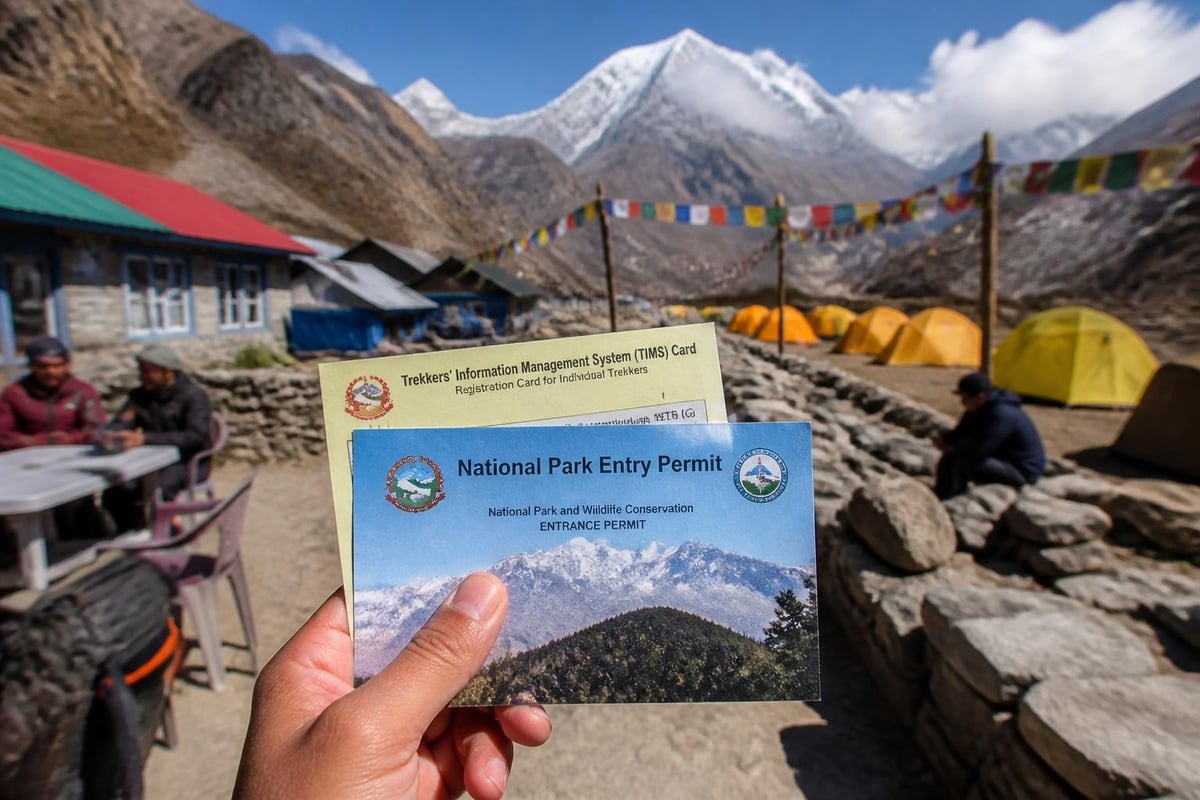
- Trekking permits (TIMS card and national park entry fees)
- Licensed trekking guide and porter services
- Accommodation in teahouses or lodges
- Three meals daily during the trek
- Ground transportation to and from trailheads
- Basic first aid supplies and emergency communication
Typical exclusions require additional budgeting. International airfare, Nepal visa fees, travel insurance with helicopter evacuation coverage, personal equipment rental, hot showers and device charging fees, and alcoholic beverages fall outside standard package costs. Understanding trekking safety protocols helps travelers prepare adequately for high-altitude environments.
Popular Trekking Routes and Their Characteristics
The Everest Base Camp trek remains Nepal's most iconic route, drawing thousands of trekkers annually to witness the world's highest peak. This 12-14 day journey traverses Sherpa heartland, passing through Namche Bazaar, Tengboche Monastery, and ultimately reaching the base camp at 5,364 meters. The route demands solid fitness levels and proper acclimatization schedules to minimize altitude sickness risks.
Annapurna Circuit offers unparalleled diversity, circling the Annapurna massif through subtropical forests, arid high-altitude deserts, and traditional Gurung villages. Recent road construction has altered some sections, yet the trek maintains its reputation for cultural richness and dramatic scenery. The Thorong La Pass at 5,416 meters presents the trek's greatest challenge and most rewarding views.
Lesser-Known Gems Worth Exploring
While classic routes dominate most nepal trekking packages, alternative treks provide equally stunning experiences with fewer crowds:
Manaslu Circuit – This restricted area trek circles the eighth-highest mountain, offering wilderness solitude and authentic cultural encounters. The challenging Larkya La Pass rewards trekkers with spectacular panoramas rivaling more famous routes.
Langtang Valley – Closer to Kathmandu than other major treks, this valley combines accessibility with pristine beauty. Post-2015 earthquake reconstruction efforts have revitalized communities, making this trek an excellent choice for supporting local economic recovery.
Upper Mustang – The former forbidden kingdom preserves Tibetan Buddhist culture in relative isolation. This high-altitude desert trek requires special permits but delivers unmatched cultural immersion in centuries-old monasteries and traditional villages.
| Trek Route | Duration | Max Altitude | Difficulty | Best Seasons |
|---|---|---|---|---|
| Everest Base Camp | 12-14 days | 5,364m | Moderate-Challenging | Mar-May, Sep-Nov |
| Annapurna Circuit | 15-20 days | 5,416m | Moderate-Challenging | Mar-May, Oct-Nov |
| Langtang Valley | 7-10 days | 4,984m | Moderate | Mar-May, Sep-Nov |
| Manaslu Circuit | 14-18 days | 5,106m | Challenging | Mar-May, Sep-Nov |
| Upper Mustang | 10-12 days | 3,840m | Moderate | Mar-Nov |
Seasonal Considerations for Optimal Trekking
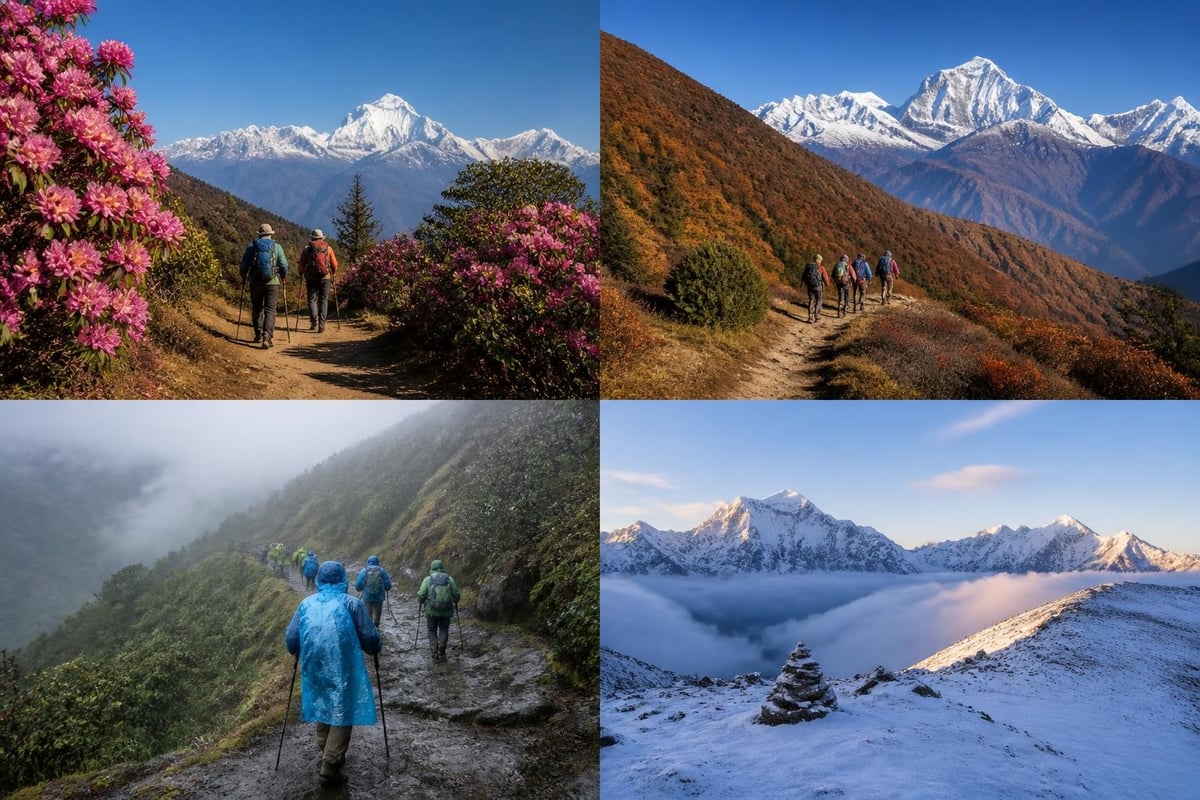
Timing significantly impacts trekking conditions, crowd levels, and overall experience. Spring (March through May) brings stable weather, blooming rhododendrons, and excellent mountain visibility. Temperatures gradually warm as the season progresses, with trails becoming increasingly busy as peak season approaches in April.
Autumn (September through November) represents Nepal's most popular trekking season. Post-monsoon clarity delivers spectacular mountain views, while moderate temperatures create comfortable hiking conditions. Festival season adds cultural richness, though popular routes experience peak crowding during October.
Monsoon and Winter Opportunities
Summer monsoon (June through August) receives limited trekking traffic, yet certain routes remain viable. Rain shadow areas like Upper Mustang and Dolpo stay relatively dry, offering solitude and discounted package rates. Cloud cover obscures mountain views, but lush valleys showcase verdant beauty absent during drier seasons.
Winter trekking (December through February) suits lower-altitude routes where temperatures remain manageable. Ghorepani Poon Hill and lower Annapurna Base Camp sections provide accessible winter options. Higher elevations face extreme cold and potential trail closures, limiting package availability but rewarding hardy trekkers with crystal-clear skies and empty trails.
Cultural Immersion and Community Impact
Responsible nepal trekking packages prioritize meaningful cultural exchange while supporting local economies. Staying in family-run teahouses directly channels tourism revenue to mountain communities, funding education, healthcare, and infrastructure improvements. Many operators partner with organizations promoting sustainable trekking practices to ensure tourism benefits reach remote villages.
Language learning enhances cultural connections. Basic Nepali phrases demonstrate respect and facilitate genuine interactions with hosts and guides. Understanding local customs around monasteries, stupas, and sacred sites shows cultural sensitivity essential for responsible tourism.
Supporting Local Economies Sustainably
Purchasing locally made crafts and products strengthens community economies beyond accommodation and guiding services. Fair trade practices ensure artisans receive equitable compensation for their work. Avoiding plastic water bottles by using purification systems reduces environmental impact while supporting local refill stations.
Porter welfare deserves special attention when evaluating package operators. Ethical companies provide porters with adequate clothing, reasonable loads (maximum 20kg), proper insurance, and fair wages. The International Porter Protection Group standards offer benchmarks for responsible porter treatment.
Trek operators committed to community development often fund school construction, medical clinics, and environmental conservation projects. These initiatives ensure tourism contributes positively to Nepal’s mountain communities rather than exploiting them.
Physical Preparation and Fitness Requirements
Successful high-altitude trekking requires months of dedicated physical conditioning. Cardiovascular endurance forms the foundation, built through regular hiking, cycling, or running. Aim for four to five weekly sessions lasting 45-60 minutes, gradually incorporating elevation gain and weight-bearing exercises.
Leg strength prevents knee injuries on steep descents and powers uphill climbs. Lunges, squats, and step-ups target key muscle groups used during extended trekking days. Core stability exercises improve balance on uneven terrain and reduce lower back strain from backpack weight.
Altitude Acclimatization Strategies
Proper acclimatization schedules separate successful treks from medical evacuations. Quality nepal trekking packages build rest days into itineraries at strategic elevations, allowing bodies to adapt gradually to reduced oxygen levels. The "climb high, sleep low" principle guides smart altitude gain patterns.
Recognizing altitude sickness symptoms prevents dangerous complications:
- Mild symptoms – Headache, nausea, fatigue, dizziness, difficulty sleeping
- Moderate symptoms – Severe headache unrelieved by medication, vomiting, increased weakness
- Severe symptoms – Confusion, inability to walk straight, fluid in lungs (crackling sound when breathing)
Immediate descent remains the only reliable treatment for severe altitude sickness. Reputable operators carry portable altitude chambers (Gamow bags) and maintain evacuation protocols, but prevention through proper pacing proves far superior to emergency response.
Equipment and Packing Essentials
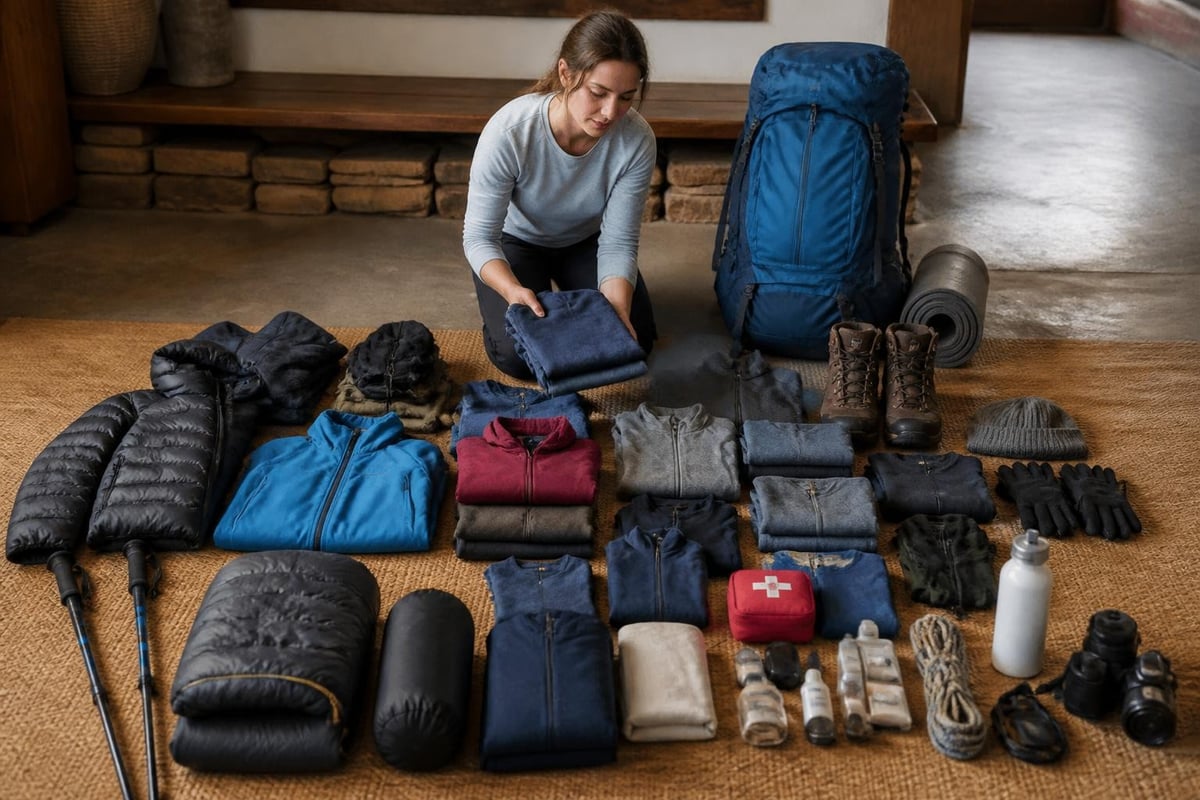
Proper gear makes the difference between comfortable trekking and miserable suffering. Layering systems adapt to dramatic temperature fluctuations between sunny afternoons and freezing nights. Base layers wick moisture, insulating mid-layers trap warmth, and waterproof outer shells protect against wind and precipitation.
Footwear requires special consideration. Broken-in hiking boots with ankle support prevent blisters and provide stability on rocky terrain. Bring camp shoes for evening comfort and backup footwear in case primary boots fail. Quality moisture-wicking socks (wool or synthetic) prevent hotspots and maintain foot health.
| Essential Gear | Purpose | Considerations |
|---|---|---|
| Sleeping bag | Warmth at altitude | Rated for -10°C minimum |
| Trekking poles | Stability and knee protection | Adjustable, shock-absorbing |
| Headlamp | Early starts and evening use | Extra batteries essential |
| Water purification | Safe drinking water | Tablets or filter system |
| First aid kit | Minor injuries and ailments | Include altitude medication |
| Sun protection | UV exposure at altitude | High SPF sunscreen, quality sunglasses |
Rental vs. Purchase Decisions
Kathmandu's Thamel district offers extensive gear rental options for budget-conscious trekkers. Sleeping bags, down jackets, and trekking poles rent for reasonable daily rates, eliminating luggage weight and purchase costs. However, rental quality varies significantly. Inspect items carefully before accepting them, checking zippers, seams, and cleanliness.
Personal items merit purchasing rather than renting. Boots require proper break-in periods, backpacks need individual fitting, and base layers demand hygiene standards difficult to guarantee with rentals. Investing in quality core items pays dividends through comfort and performance on the trail.
Choosing Responsible Tour Operators
Vetting tour operators ensures safety, quality, and ethical practices. Licensed companies registered with Nepal's Tourism Board meet minimum standards, though excellence requires deeper investigation. Reviews from recent clients reveal operator reliability, guide quality, and problem-resolution capabilities.
Environmental practices distinguish responsible operators from those prioritizing profit over sustainability. Look for companies implementing leave-no-trace principles, supporting waste management initiatives, and using renewable energy sources in owned properties. Carbon offset programs demonstrate commitment to climate responsibility.
Certifications and Industry Standards
Several organizations certify tour operators meeting environmental and social responsibility criteria. The Travelife certification evaluates sustainability across operations, while B Corporation status indicates verified social and environmental performance standards. Adventure Travel Trade Association membership suggests adherence to industry best practices.
If you're seeking culturally immersive adventures that combine spectacular trekking with authentic community connections, exploring options like the Nepal Everest Base Camp trek provides insights into responsible tourism approaches. Small group sizes and local partnerships characterize operators genuinely committed to sustainable tourism models.
Cost Factors and Budget Planning
Nepal trekking packages span enormous price ranges, from budget options under $1,000 to luxury experiences exceeding $5,000. Understanding cost drivers helps travelers allocate budgets effectively. Guide and porter wages, permit fees, accommodation standards, group size, and included amenities all influence final pricing.
Budget packages minimize costs through larger groups, basic teahouse accommodation, and limited services. Mid-range options balance comfort and value with smaller groups (8-12 trekkers), experienced guides, and strategic rest days. Luxury packages provide private guides, upgraded lodges, helicopter options, and comprehensive support services.
Hidden Costs to Anticipate
Beyond package prices, additional expenses accumulate throughout the journey. Tips for guides and porters typically total $150-300 per trekker for two-week treks, varying by group size and service quality. Hot showers cost $3-5 per use at higher elevations, where fuel scarcity increases operational costs.
Device charging fees range from $2-5 per charge as altitude increases. Extra snacks, beverages, and personal items purchased along the trail carry premium pricing due to porter transport costs. Emergency evacuation insurance with helicopter coverage costs $100-200 but proves invaluable in medical emergencies.
Budgeting an additional 20-30% beyond package costs accommodates these supplementary expenses comfortably. Bringing sufficient cash in Nepali rupees prevents ATM dependency, as machines become scarce beyond Kathmandu and major trekking hubs like Namche Bazaar.
Health and Safety Protocols
Comprehensive travel insurance with high-altitude trekking coverage and helicopter evacuation provisions represents non-negotiable preparation. Standard policies exclude adventure activities, requiring specialized coverage addressing trekking-specific risks. Verify policy altitude limits, as some exclude treks above 4,000 or 5,000 meters.
Pre-trek health assessments identify potential issues before departure. Cardiovascular screening, particularly for travelers over 50, reveals conditions that might complicate high-altitude exposure. Dental checkups prevent toothaches at altitude where treatment options prove extremely limited.
Water and Food Safety Practices
Waterborne illnesses derail countless treks annually. Purification systems (filters, UV treatment, or chemical tablets) ensure safe drinking water throughout the journey. Avoid ice in drinks, as freezing doesn't eliminate all pathogens. Boiled beverages like tea remain safest at teahouse establishments.
Food safety requires vigilance. Stick with thoroughly cooked items, avoiding raw vegetables that may have been washed in untreated water. Dal bhat (lentils and rice) provides reliable nutrition and safe eating across most establishments. Hand sanitization before meals prevents common gastrointestinal issues.
Permit Requirements and Regulations
Nepal's trekking permit system funds conservation while managing visitor numbers. The Trekkers' Information Management System (TIMS) card tracks trekker movements and facilitates emergency assistance. National park entry permits (for Sagarmatha, Annapurna, Langtang) support conservation efforts in protected areas.
Restricted area permits apply to Upper Mustang, Manaslu, Kanchenjunga, and other sensitive regions. These special permits cost significantly more ($500+ for Upper Mustang) and require organized group travel with licensed guides. Processing times extend several weeks, necessitating advance planning.
Environmental Regulations and Responsibilities
National parks enforce strict environmental regulations protecting fragile ecosystems. Plastic bags face bans in many trekking regions, with enforcement varying by area. Carrying reusable bags and refusing plastic packaging demonstrates environmental commitment.
Waste management remains challenging at high altitudes. Pack out all non-organic waste, including batteries, packaging, and hygiene products. Some teahouses charge nominal fees for waste disposal, funding porter transport to valley disposal facilities. Supporting these systems ensures cleaner trails for future generations.
Firewood use restrictions protect diminishing forest resources. Choose accommodations using kerosene, solar power, or other alternatives to wood-burning stoves. During colder months, bring adequate sleeping bags rather than requesting additional heating that strains local resources.
Preparing for Cultural Encounters
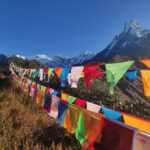
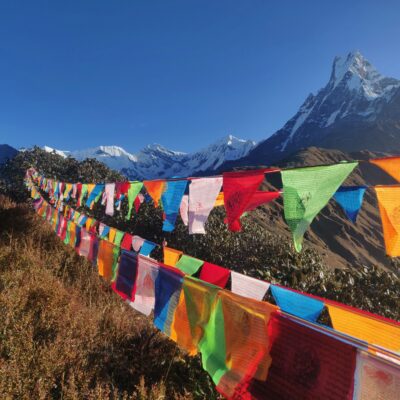
Nepal's mountain regions host diverse ethnic groups, each with distinct languages, customs, and religious practices. Buddhist and Hindu traditions interweave throughout trekking routes, manifested in monasteries, prayer flags, and sacred sites. Respectful behavior at religious locations maintains cultural sensitivity.
Dress modestly in villages and around monasteries. While trekking attire relaxes standards somewhat, cover shoulders and avoid revealing clothing in settlements. Remove shoes before entering temples and homes. Walk clockwise around stupas and mani walls, keeping these sacred structures on your right side.
Photography etiquette requires permission before photographing people, particularly monks and religious ceremonies. Many monasteries charge photography fees supporting their maintenance. Interior monastery photography often faces prohibition, protecting sacred art and meditation spaces.
Meaningful Community Interaction
Quality nepal trekking packages facilitate authentic cultural exchange through homestays, monastery visits, and village interactions. These experiences benefit communities economically while providing trekkers with genuine insights into mountain life. Approach interactions with humility and openness, recognizing locals as hosts sharing their homeland.
Learning about local livelihoods, agricultural practices, and seasonal rhythms deepens appreciation for mountain communities' resilience. Understanding challenges these communities face regarding education access, healthcare limitations, and climate change impacts fosters more meaningful connections than superficial tourism interactions.
Gift-giving requires thoughtful consideration. Rather than distributing candy or money to children (creating dependency and begging behavior), support community projects through reputable organizations. School supplies donated through local teachers or healthcare items provided to clinics create sustainable benefits.
Post-Trek Recovery and Reflection
Physical recovery begins during the trek's descent but continues for weeks afterward. Gradual return to regular exercise prevents injury, as muscles adapt to standard elevation and activity levels. Stretching, massage, and adequate rest address accumulated fatigue and minor strains.
Mental and emotional processing deepens the trekking experience. Journaling captures details, emotions, and insights while memories remain vivid. Sharing experiences with fellow trekkers through online communities or reunions maintains connections forged on the trail.
Continuing Your Impact
Post-trek engagement extends positive impacts beyond your journey. Sharing responsible tourism practices through travel blogs and reviews guides future trekkers toward ethical operators. Supporting Himalayan communities through charitable organizations or direct assistance to guides and porters maintains relationships built during your trek.
Many trekkers return to Nepal repeatedly, exploring different regions or volunteering with community development projects. These ongoing connections transform single adventures into lasting commitments to Himalayan peoples and places.
Selecting among the diverse nepal trekking packages available in 2026 requires balancing personal adventure goals with environmental responsibility and cultural respect. The Himalayas offer transformative experiences for those who approach them with proper preparation, ethical awareness, and openness to genuine cultural exchange. Elevated Trips specializes in small-group, culturally immersive treks throughout Nepal and the greater Tibetan Plateau region, combining authentic community connections with expert guidance and environmental stewardship. Ready to begin planning your responsible Himalayan adventure with operators who prioritize both unforgettable experiences and positive local impact?