The Traditional Nomadic Lifestyle on the Tibetan Plateau
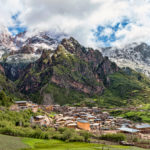
Tibetan nomads have inhabited the high grasslands for over 4,000 years, developing survival strategies perfectly adapted to extreme conditions. Their lifestyle centers on drokpa communities, a term meaning "people of the high pastures" in Tibetan. These pastoral communities traditionally move with their herds across seasonal grazing lands, following patterns established over countless generations.
Seasonal Migration Patterns and Grazing Practices
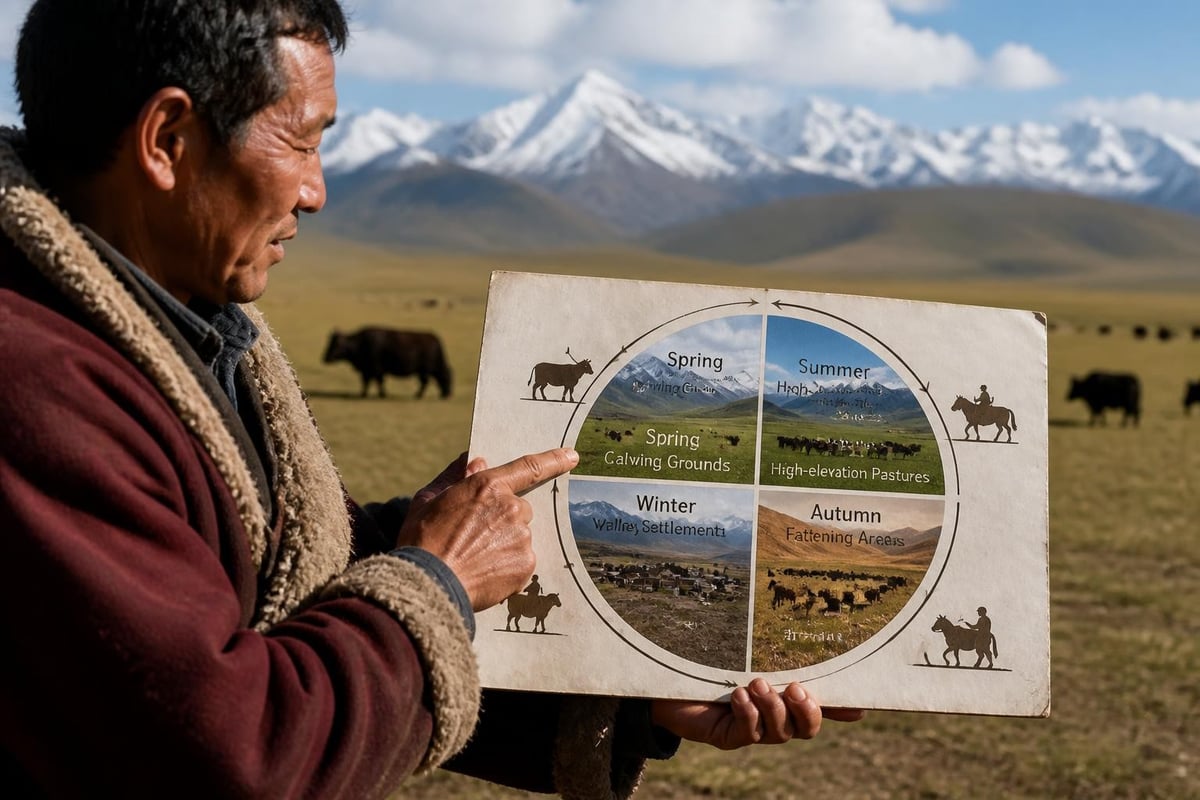
The nomadic calendar divides into distinct seasons, each requiring specific locations and activities. During summer months, families move to higher elevations where fresh grass provides optimal nutrition for their herds. Winter brings migration to lower valleys offering protection from harsh winds and heavy snowfall.
Key aspects of seasonal movement include:
- Spring migrations to calving grounds where young animals are born
- Summer encampments at elevations exceeding 15,000 feet
- Autumn transitions to intermediate pastures for fattening livestock
- Winter settlements in protected valleys with stored fodder supplies
This rotational grazing system prevents overuse of any single area, allowing grasslands to regenerate naturally. The practice demonstrates remarkable environmental stewardship, maintaining ecological balance across the high plateau’s fragile ecosystems.
The Central Role of Yaks and Livestock
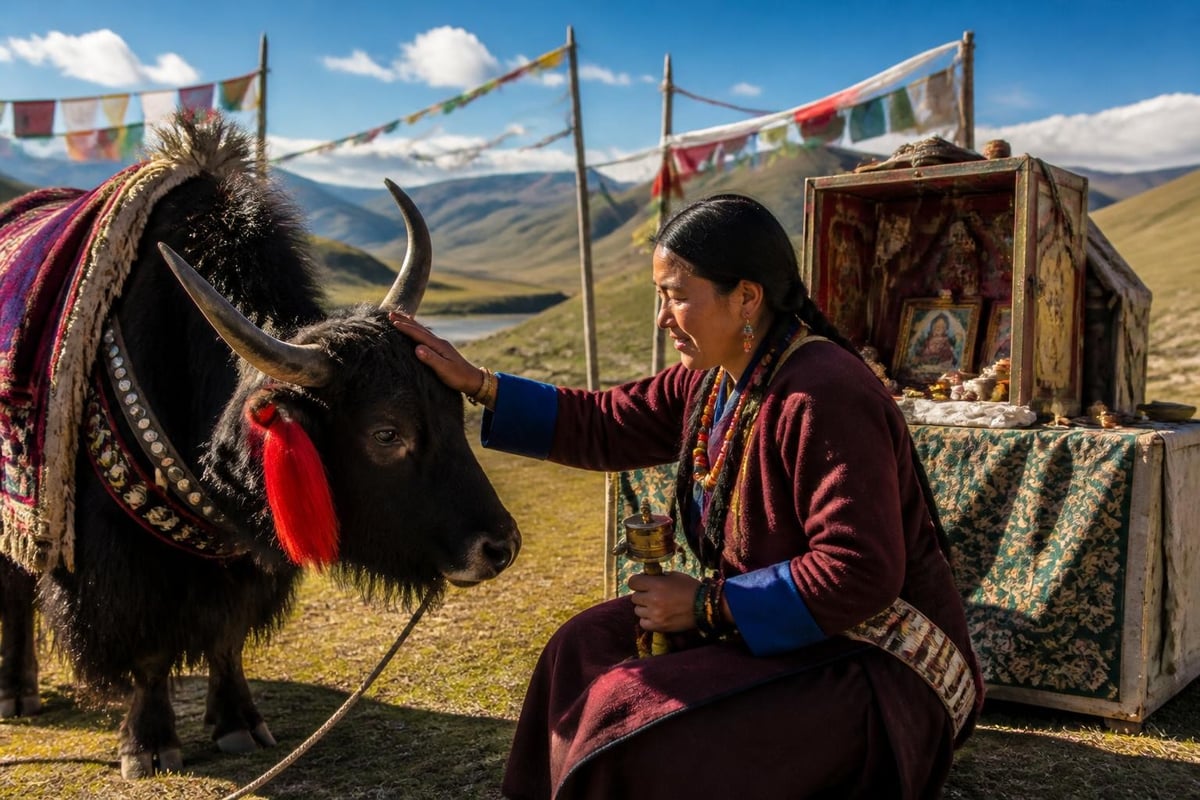
Yaks form the foundation of nomadic economy and culture. These remarkable animals provide milk, meat, wool, leather, and dung for fuel. A single yak can produce several liters of rich milk daily, which families transform into butter, cheese, and yogurt. Their thick wool creates felt for tent coverings and warm clothing essential for plateau survival.
Beyond yaks, nomadic herds typically include sheep, goats, and horses. Each animal serves specific purposes within the household economy. Sheep provide wool for trading and meat for consumption. Goats produce exceptionally fine cashmere fibers valued in regional markets. Horses enable transportation across vast distances and remain symbols of wealth and prestige.
| Livestock Type | Primary Products | Cultural Significance |
|---|---|---|
| Yaks | Milk, meat, wool, leather, fuel | Sacred animals, wealth indicators |
| Sheep | Wool, meat | Trading commodities, food security |
| Goats | Cashmere, milk | Premium fiber production |
| Horses | Transportation | Status symbols, essential mobility |
Living in Harmony with the Environment
Tibetan nomads have refined sustainable practices that minimize environmental impact while meeting community needs. Their traditional knowledge encompasses weather prediction, grassland management, and resource conservation techniques passed through oral tradition.
Traditional Black Tents and Mobile Dwellings
The iconic black tent, woven from yak hair, represents nomadic engineering excellence. These portable structures withstand fierce plateau winds while remaining breathable and water-resistant. The weaving process alone can take several months, with women creating panels that are sewn together to form tents large enough to house extended families.
Inside, the layout follows traditional patterns. The hearth occupies the central position, providing warmth and a cooking area. Storage chests containing butter, cheese, and grains line the walls. Sleeping areas arrange around the perimeter, with the most honored position opposite the entrance reserved for family elders or important guests.
Essential features of nomadic tents:
- Adjustable ventilation flaps for temperature control
- Waterproof yak hair weaving that swells when wet
- Portable structure allowing rapid setup and breakdown
- Insulating properties suitable for extreme temperature fluctuations
Sustainable Resource Management
Resource conservation pervades every aspect of nomadic life. Nothing goes to waste in communities where survival depends on maximizing limited resources. Yak dung, collected and dried, provides the primary fuel source for cooking and heating in regions where trees are scarce.
Food preservation techniques ensure year-round nutrition. Families dry meat in thin strips, preserving protein for winter months. Butter stored in yak skin bags can last for years. Cheese dries on tent roofs, creating concentrated nutrition sources requiring minimal storage space.
Water management demonstrates sophisticated understanding of hydrology. Nomadic communities protect water sources and springs, recognizing their critical importance for both human consumption and grassland health.
Cultural and Spiritual Dimensions
Tibetan nomadic culture intertwines Buddhist spirituality with ancient animist traditions. This synthesis creates rich ceremonial life and ethical frameworks governing relationships with nature, animals, and community members.
Buddhist Practice in Nomadic Communities
Prayer flags flutter above every nomadic encampment, their colors representing elements of earth, water, fire, air, and sky. Nomads carry portable shrines containing sacred images and texts, maintaining devotional practices despite constant movement. Many families schedule migrations to coincide with important religious festivals at nearby monasteries.
The principle of ahimsa (non-violence) influences animal husbandry practices. While nomads rely on livestock for survival, they slaughter animals with rituals acknowledging the sacrifice. Butter lamps illuminate tent shrines, and families dedicate portions of their herds to religious purposes, releasing animals to live out natural lifespans.
Social Structure and Community Bonds
Nomadic society organizes around extended family units and larger tribal affiliations. Decision-making traditionally involves collective discussion among family elders, with consensus-building valued over individual authority. Community cooperation extends to shared grazing areas, collective herd protection, and mutual support during emergencies.
Marriage customs strengthen inter-family bonds and ensure genetic diversity within herds through livestock exchanges. Wedding celebrations can last several days, with families traveling considerable distances to participate. These gatherings serve important social functions, allowing information exchange, trade negotiations, and relationship building across dispersed communities.
Children learn essential skills through observation and participation. Young boys begin helping with herds by age seven or eight. Girls master weaving, food preparation, and dairy processing. The division of labor reflects complementary roles rather than rigid hierarchies, with both men and women performing physically demanding tasks.
Modern Challenges Facing Nomadic Communities
Contemporary tibetan nomads confront unprecedented pressures transforming their traditional lifestyle. These challenges stem from policy changes, environmental degradation, and economic shifts reshaping the plateau's human geography.
Government Policies and Resettlement Programs
Since the early 2000s, resettlement initiatives have encouraged or required nomadic families to abandon pastoral life for permanent settlements. Environmental policies aimed at grassland protection have sometimes resulted in restricting traditional grazing practices or relocating entire communities.
Proponents argue these programs reduce grassland degradation and provide nomads with modern amenities like education and healthcare. Critics contend that removing herders from grasslands disrupts ecological knowledge systems and may actually worsen environmental conditions by eliminating sustainable management practices.
Resettlement program impacts include:
- Loss of traditional livelihood skills and knowledge
- Difficulties adapting to sedentary employment
- Psychological stress from lifestyle disruption
- Changes in diet and health outcomes
- Erosion of cultural practices and language
For travelers interested in witnessing authentic nomadic culture before further changes occur, experiences like Prayers in the Plateau offer immersive encounters with traditional communities while supporting local economies.

Climate Change and Environmental Pressures
The Tibetan Plateau warms at approximately twice the global average rate, fundamentally altering conditions that nomadic life depends upon. Glacial retreat affects water availability for grasslands and livestock. Changing precipitation patterns disrupt traditional seasonal cycles, making migration timing unpredictable.
Permafrost degradation undermines soil stability, while extreme weather events increase in frequency and intensity. These environmental shifts challenge nomadic adaptation strategies developed over millennia for relatively stable conditions.
| Climate Impact | Effect on Nomadic Life | Adaptation Response |
|---|---|---|
| Glacier retreat | Reduced summer water flow | Earlier seasonal movements |
| Erratic precipitation | Unpredictable grass growth | Diversified grazing areas |
| Temperature increase | Pest proliferation | Altered livestock management |
| Extreme weather | Livestock losses | Emergency fodder reserves |
Economic Transformation and Market Integration
Tibetan nomads increasingly participate in cash economies, trading traditional products while adopting modern consumer goods. This integration brings opportunities and challenges to communities historically operating within subsistence frameworks.
Contemporary Trade and Commerce
Cashmere production has emerged as a significant income source for many nomadic families. The fine wool from plateau goats commands premium prices in international markets, providing cash for purchasing motorcycles, solar panels, and mobile phones. However, market integration also creates vulnerabilities to price fluctuations and encourages herd expansion that may stress grassland carrying capacity.
Tourism represents another economic opportunity. Visitors seeking authentic cultural experiences pay to stay in nomadic camps, purchase handicrafts, and learn traditional skills. When conducted responsibly through culturally immersive travel experiences, tourism can provide income while incentivizing cultural preservation.
Technology Adoption in Traditional Settings
Modern technology increasingly appears in nomadic camps. Solar panels power LED lights and charge mobile phones, dramatically improving quality of life. Motorcycles supplement horses for herding, allowing faster responses to scattered livestock. Weather forecasts accessed via mobile networks help inform migration decisions.
Yet technology adoption occurs selectively. Families maintain traditional skills alongside modern conveniences, recognizing that electronic devices fail in extreme cold or remote areas where traditional knowledge remains essential for survival.
Preserving Traditional Knowledge Systems
The accumulated wisdom of tibetan nomads represents invaluable cultural and ecological knowledge. Preservation efforts recognize that this information benefits not only nomadic communities but broader understanding of sustainable living in challenging environments.
Ethnobotanical and Veterinary Expertise
Nomadic healers possess detailed knowledge of plateau medicinal plants, treating both human ailments and livestock diseases. This pharmacological understanding, transmitted orally across generations, includes plant identification, preparation methods, and dosage protocols developed through centuries of experimentation.
Traditional veterinary practices demonstrate sophisticated understanding of animal health. Herders recognize disease symptoms, perform minor surgeries, and employ preventive care strategies. This expertise proves increasingly valuable as modern veterinary services remain inaccessible in remote grazing areas.
Educational Initiatives and Cultural Documentation
Contemporary projects work to record traditional knowledge before it disappears. Researchers collaborate with elder nomads to document migration routes, grazing management techniques, and cultural practices. Video recordings, written transcripts, and photographic archives create resources for future generations.
Educational programs attempt to balance modern schooling with traditional knowledge transmission. Some initiatives bring formal education to nomadic areas, allowing children to maintain pastoral life while gaining literacy and numeracy skills. Others create boarding schools that risk separating young people from family-based learning.
Successful preservation strategies involve:
- Community-led documentation projects
- Integration of traditional knowledge in formal curricula
- Support for intergenerational knowledge transfer
- Recognition of nomadic expertise in policy discussions
- Economic incentives for maintaining traditional practices
The Role of Responsible Tourism
Thoughtfully designed travel experiences can support nomadic communities while providing visitors with profound cultural insights. Responsible tourism generates income, validates traditional lifestyles, and creates cross-cultural understanding that benefits both travelers and hosts.
Authentic Cultural Exchange
Quality ecotourism programs facilitate genuine interactions rather than staged performances. Visitors participate in daily activities like milking yaks, making butter tea, or helping move camps. These hands-on experiences foster appreciation for nomadic skills and the challenges of plateau life.
Cultural immersion strengthens connections between visitors and communities, creating advocates for nomadic rights and environmental protection. Travelers return home with firsthand understanding of issues facing these populations, often becoming supporters of preservation initiatives.
Economic Benefits and Community Empowerment
Tourism income provides alternatives to unsustainable practices like excessive herd expansion. Families hosting visitors earn compensation while maintaining traditional livelihoods. This economic model values cultural preservation, making traditional knowledge an asset rather than an obsolete relic.
Community-controlled tourism ensures benefits remain local rather than flowing to external operators. When nomadic families directly negotiate terms and receive payments, tourism becomes a tool for empowerment rather than exploitation.
Future Prospects for Nomadic Communities
The trajectory of tibetan nomads remains uncertain, shaped by competing forces of modernization, environmental change, and cultural resilience. Several scenarios may unfold depending on policy decisions, climate trends, and community choices.
Hybrid Lifestyles and Adaptive Strategies
Many nomadic families are developing hybrid approaches combining traditional and modern elements. Some practice seasonal nomadism while maintaining permanent winter homes with amenities like schools and clinics. Others rotate family members, with some pursuing pastoral life while others work in urban areas, remitting income to support herding operations.
These adaptive strategies demonstrate flexibility that has always characterized nomadic survival. Rather than viewing change as inevitably destroying traditional culture, communities innovate while preserving core values and practices.
Policy Recommendations for Sustainable Futures
Supporting nomadic communities requires policies recognizing their environmental stewardship and cultural value. Recommendations from researchers and advocacy organizations include:
- Community participation in grassland management decisions
- Support for mobile education and healthcare services
- Recognition of traditional grazing rights and migration routes
- Investment in sustainable livelihood diversification
- Climate adaptation resources addressing plateau-specific challenges
Successful policies acknowledge that nomadic knowledge contributes to ecosystem health rather than threatening it. Collaborative approaches involving herders in conservation planning produce better outcomes than top-down interventions.
The Importance of Global Awareness
International attention supports nomadic communities by highlighting their contributions to cultural diversity and environmental stewardship. Media coverage, academic research, and tourism all raise awareness of challenges facing these populations. Global climate action becomes more urgent when understanding how plateau warming affects nomadic livelihoods and the ecosystem services the region provides.
Cross-cultural exchange through responsible travel creates networks of support extending beyond immediate policy contexts. Visitors who experience nomadic hospitality often become lifelong advocates, supporting organizations working for nomadic rights and environmental protection.
The resilient tibetan nomads of the high plateau embody sustainable living principles refined across millennia. Their traditional knowledge, spiritual practices, and environmental stewardship offer lessons increasingly relevant in our changing world. As these communities navigate unprecedented challenges, thoughtful engagement through responsible tourism and advocacy can support their right to maintain cultural traditions while adapting to modern realities. Elevated Trips specializes in authentic cultural experiences that connect travelers with nomadic communities across the Tibetan Plateau, creating meaningful exchanges that benefit local populations while providing unforgettable journeys. Join us for an adventure that goes beyond sightseeing to foster genuine understanding and support for these remarkable guardians of the high grasslands.