Understanding Nepal's Travel Landscape Through Digital Storytelling
Nepal's tourism ecosystem has evolved dramatically over the past decade. A quality Nepal blog must reflect this transformation while honoring the country's rich heritage. The digital space has become crowded with generic travel advice, but authentic storytelling that prioritizes local voices and sustainable practices stands out.
The Himalayan kingdom attracts over one million visitors annually, each seeking different experiences. Some come for the world-class trekking routes, others for spiritual retreats, and many for cultural immersion. This diversity creates opportunities for specialized content that serves specific traveler interests.
Identifying Your Nepal Blog Niche
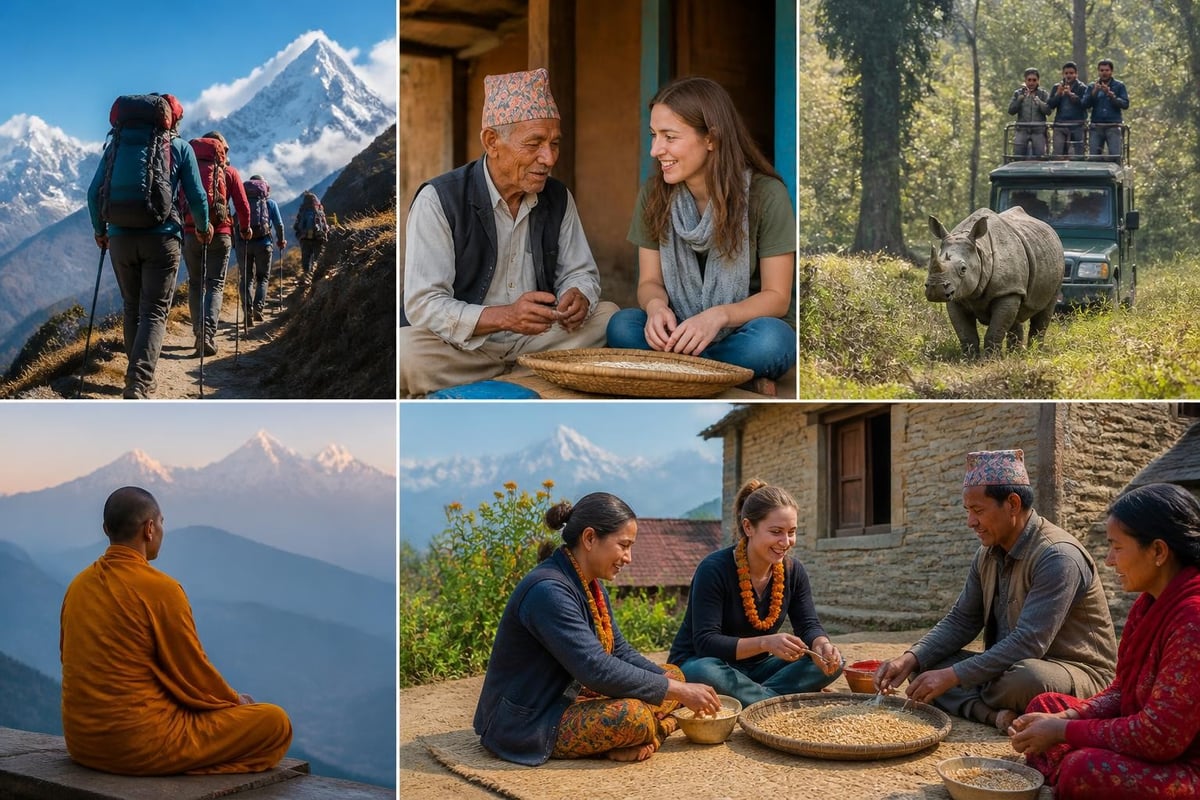
Successful travel content focuses on specific aspects of the Nepalese experience rather than trying to cover everything. Consider these distinct angles:
- Eco-conscious trekking and responsible tourism practices
- Cultural festivals and traditional ceremonies
- Wildlife conservation and biodiversity
- Local community stories and homestay experiences
- Adventure sports beyond traditional trekking
- Spiritual journeys and meditation retreats
Each niche requires different expertise and connections. For instance, Lonely Planet’s Nepal travel stories demonstrate how varied approaches can coexist while serving different reader needs. The key is authenticity backed by firsthand experience.
Partnering with local guides and community organizations strengthens your content's credibility. This approach ensures that your Nepal blog accurately represents local perspectives rather than perpetuating outsider misconceptions.
Creating Authentic Cultural Content
Cultural authenticity separates memorable travel content from forgettable tourism promotion. Nepal's ethnic diversity includes over 120 distinct cultural groups, each with unique traditions, languages, and customs. Superficial coverage does justice to none of them.
Researching Historical and Social Context
Understanding Nepal's complex history enriches every piece of content you create. The comprehensive historical overview from prehistoric times through modern developments provides essential context for contemporary travel experiences. This background helps explain why certain traditions persist and how communities have adapted to tourism pressures.
When writing about cultural practices, consider these research principles:
- Consult multiple local sources before publishing
- Verify ceremonial details with community members
- Acknowledge regional variations in traditions
- Credit local experts and storytellers appropriately
- Update content as practices evolve
Language preservation represents a critical cultural concern. Recent developments in automatic speech recognition for Nepal Bhasha highlight efforts to preserve endangered languages through technology. These initiatives deserve coverage in any Nepal blog focused on cultural sustainability.
Balancing Tourism and Preservation
Every visitor impacts local communities, whether positively or negatively. Your Nepal blog should address this reality honestly. Discuss how travelers can contribute to community welfare through responsible choices in accommodations, guides, and spending patterns.
| Impact Area | Positive Practices | Negative Practices |
|---|---|---|
| Accommodations | Community-run lodges and homestays | International chain hotels with minimal local benefit |
| Guides | Licensed local guides with fair wages | Unlicensed or underpaid guides |
| Shopping | Direct purchases from artisan cooperatives | Imported souvenirs marketed as local |
| Photography | Respectful images with permission | Intrusive photography of ceremonies or children |
The community homestay network insights demonstrate how tourism can directly benefit local families while providing authentic experiences for visitors. This model deserves prominent coverage in responsible travel content.
Trekking and Adventure Content Strategy
Nepal's trekking routes attract the majority of adventure travelers, but generic trail descriptions flood the internet. A distinctive Nepal blog approach requires deeper analysis of trekking experiences, preparation requirements, and environmental considerations.
Beyond the Popular Routes
While Everest Base Camp and Annapurna Circuit dominate search results, dozens of less-traveled routes offer equally compelling experiences with fewer crowds. These alternative treks often provide more authentic cultural encounters and reduced environmental impact.
Consider profiling routes like:
- Manaslu Circuit for remote mountain scenery
- Upper Mustang for Tibetan Buddhist culture
- Kanchenjunga Base Camp for wilderness trekking
- Rara Lake for pristine alpine beauty
- Makalu Base Camp for serious adventurers
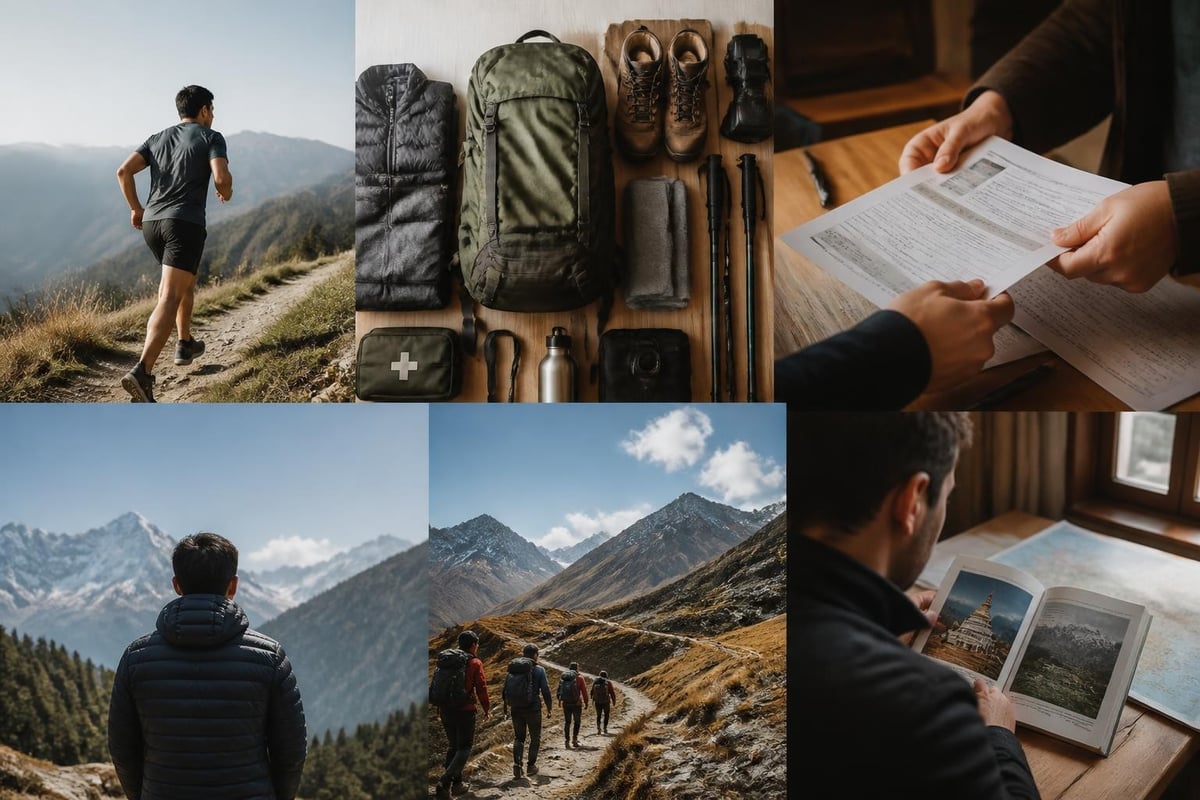
Each trek presents unique logistical challenges and cultural contexts. Detailed preparation guides serve readers better than superficial overviews. Include information about permit requirements, seasonal considerations, acclimatization protocols, and cultural etiquette specific to each region.
Addressing Climate and Weather Challenges
Nepal's mountainous terrain creates complex weather patterns that significantly impact trekking conditions. Research on implementing weather radar systems underscores the challenges of accurate forecasting in this environment. Your Nepal blog should provide realistic expectations about weather variability and how it affects different trekking seasons.
Seasonal Trekking Considerations:
- Spring (March-May): Clear views, rhododendron blooms, warmer temperatures, but increasing crowds
- Monsoon (June-August): Lush landscapes, fewer trekkers, but leeches and landslide risks
- Autumn (September-November): Peak season with stable weather and excellent visibility
- Winter (December-February): Crystal-clear views, empty trails, but extreme cold at higher elevations
Developing Sustainable Tourism Narratives
Sustainable tourism extends beyond environmental concerns to encompass economic equity, cultural preservation, and community empowerment. A thoughtful Nepal blog integrates these dimensions throughout its content rather than isolating them in occasional "responsible travel" posts.
Economic Impact and Community Benefits
Tourism revenue distribution remains uneven across Nepal's regions and communities. Content that highlights businesses directly benefiting local populations helps shift economic power toward those communities. For travelers exploring the broader Himalayan region, experiences like the Bhutan Cultural Tour demonstrate how small group tours can prioritize cultural immersion while ensuring benefits reach local communities.
Transparent discussion of where tourist dollars go empowers travelers to make informed choices. Break down typical trek costs to show how much reaches porters, guides, lodge owners, and local suppliers versus international booking platforms or Kathmandu-based agencies.
Environmental Stewardship on the Trail
Nepal's fragile mountain ecosystems face mounting pressure from increasing visitor numbers. Practical environmental guidance should appear throughout your Nepal blog rather than as standalone lectures.
Trail Conservation Practices:
- Pack out all waste, including biodegradable items
- Use refillable water bottles with purification systems
- Stay on established trails to prevent erosion
- Support lodges with solar power and waste management systems
- Minimize firewood use by choosing lodges with alternative heating
The practical trekking insights from experienced guides provide valuable perspectives on minimizing environmental impact while maintaining safety and comfort. These voices deserve amplification in responsible Nepal blog content.
Photography and Visual Storytelling Ethics
Images drive engagement with Nepal blog content, but photography in culturally sensitive contexts requires careful consideration. The line between documentation and exploitation can be thin, especially when photographing ceremonies, religious sites, or local people.
Ethical Photography Guidelines
Permission and Respect:
- Always request permission before photographing people
- Respect "no photography" signs at religious sites
- Avoid photographing ceremonies unless explicitly welcomed
- Never photograph children without parental consent
- Compensate subjects fairly if images are used commercially
Cultural Sensitivity:
- Research religious and cultural significance before shooting
- Dress appropriately when visiting sacred spaces
- Understand that some ceremonies are not meant for outside documentation
- Recognize that your presence with a camera changes the dynamic
| Photography Scenario | Appropriate Approach | Problematic Approach |
|---|---|---|
| Village portraits | Ask permission, share contact info for photos | Snap candid shots from distance without interaction |
| Religious ceremonies | Observe first, photograph only if welcomed | Push to front with large camera setup |
| Children | Engage with parents first, respect refusal | Take photos because children are "cute" |
| Sacred sites | Follow posted rules, hire local guide | Ignore restrictions for "better shots" |
Visual storytelling serves an important role in Nepal blog content, but it must never prioritize compelling images over human dignity and cultural respect. Consider whether each photograph serves a genuine informational purpose or merely feeds visual consumption.
Leveraging Local Expertise and Partnerships
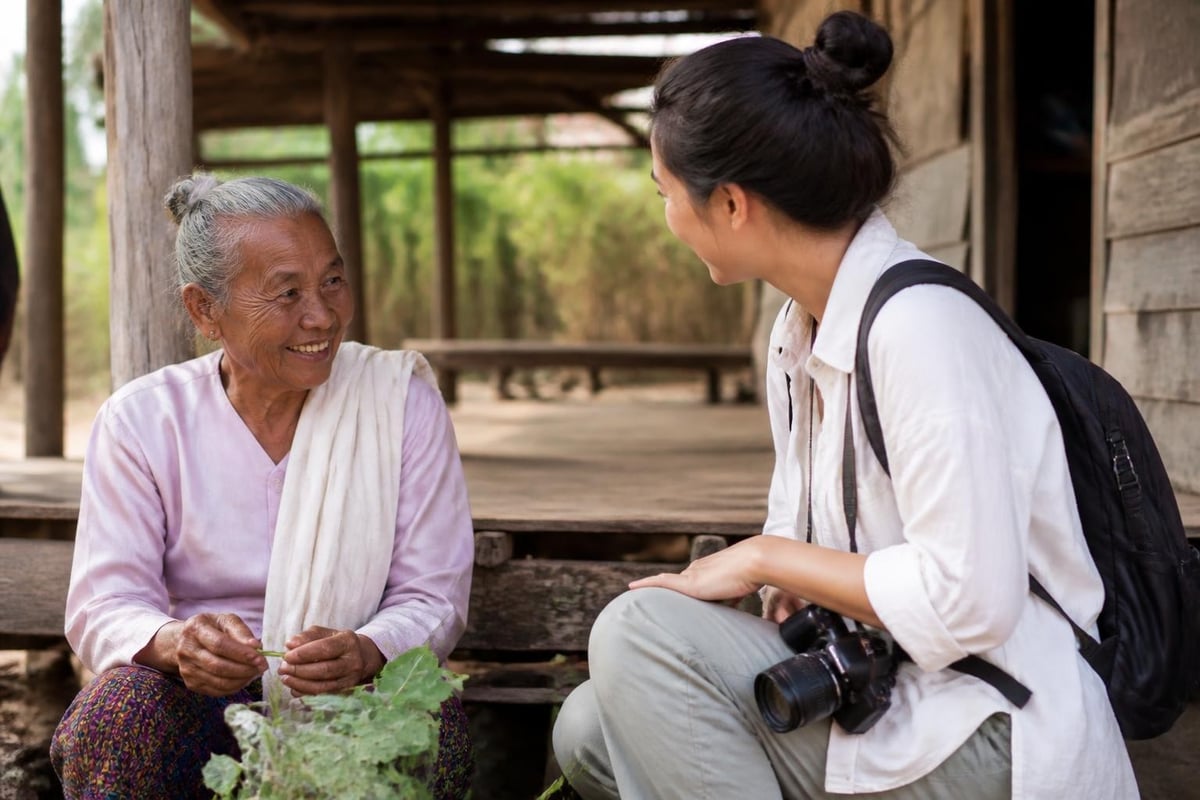
The most valuable Nepal blog content comes from deep local knowledge and sustained community relationships. One-week tourists cannot develop this expertise, regardless of their writing skills. Building partnerships with local guides, community leaders, and cultural experts elevates content quality dramatically.
Collaborative Content Development
Inviting local voices into your content creation process ensures accuracy and authenticity. This might include:
- Guest posts from Nepali guides and cultural experts
- Interviews with community tourism coordinators
- Photography contributions from local photographers
- Language review by native speakers
- Fact-checking through community connections
These collaborations also address power dynamics inherent in Western travelers writing about non-Western cultures. Sharing bylines and compensating local contributors fairly demonstrates commitment to equitable representation.
Building Long-term Community Relationships
Single visits rarely provide sufficient depth for authoritative content. Regular return trips, maintained relationships with local contacts, and ongoing engagement with Nepali communities strengthen your Nepal blog's credibility.
Programs like those offered by Elevated Trips exemplify how sustained commitment to regions enables deeper cultural understanding. Their small group approach prioritizes authentic encounters over superficial tourist experiences, creating opportunities for meaningful content development.
Consider these relationship-building strategies:
- Return to the same villages across multiple seasons
- Maintain communication with local contacts between visits
- Support community projects beyond your travel needs
- Learn basic Nepali language skills
- Attend community events unrelated to tourism when possible
Practical Information That Serves Readers
While inspirational content attracts initial attention, practical guidance keeps readers returning to your Nepal blog. Detailed preparation information, honest difficulty assessments, and transparent cost breakdowns provide genuine value.
Permit and Logistics Navigation
Nepal's permit system confuses many first-time visitors. Clear explanations of TIMS cards, national park permits, restricted area permits, and application processes help readers plan effectively.
Common Permit Requirements:
- TIMS Card: Required for most trekking routes, obtained through registered agencies
- National Park Permits: Needed for protected areas like Sagarmatha and Annapurna
- Restricted Area Permits: Required for regions like Upper Mustang, Manaslu, and Kanchenjunga
- Special Permits: Some cultural sites require additional permissions
Breaking down the application process step-by-step eliminates confusion. Include current costs, processing times, required documentation, and where to obtain each permit type.
Budget Planning and Cost Transparency
Honest budget information helps travelers plan appropriately while understanding value differences between budget and premium options. Create detailed cost breakdowns for different travel styles.
| Budget Level | Daily Cost Range | Typical Accommodations | Meals | Guides/Porters |
|---|---|---|---|---|
| Budget | $25-40 | Basic teahouses, shared bathrooms | Dal bhat and simple meals | Independent trekking or porter only |
| Mid-range | $50-100 | Comfortable lodges, private rooms | Varied menu options | Licensed guide and porter |
| Premium | $150-300+ | Best available lodges, amenities | Full menu, special requests | Expert guide, full support team |
These figures should be updated regularly and clearly dated, as costs fluctuate with seasons, fuel prices, and economic conditions.
Digital Platform Optimization
A Nepal blog's technical foundation affects its reach and impact. Search optimization, mobile responsiveness, and content structure determine whether your expertise reaches the readers who need it.
Content Structure for Discoverability
Organizing content by region, activity type, difficulty level, and season helps readers find relevant information quickly. Internal linking between related posts improves both user experience and search performance.
Effective Content Categories:
- Trekking routes by region and difficulty
- Cultural experiences by ethnic group or festival
- Practical guides (permits, packing, health)
- Seasonal highlights and timing guides
- Responsible tourism and sustainability topics
Cross-linking related content creates comprehensive resource networks. For example, a Langtang trek guide should link to permit information, seasonal weather patterns, cultural context for Tamang villages, and responsible tourism practices specific to that region.
Building Reader Community
Engaged readers become advocates who share your Nepal blog content and contribute their own experiences. Foster this community through:
- Detailed comment responses that add value
- Reader trip report features with proper credit
- Question forums for planning assistance
- Social media engagement beyond content promotion
- Email newsletters with exclusive insights
Community building requires consistent effort but creates loyal readership that values your expertise. These readers often become customers for tour operators and travel services aligned with your Nepal blog's values.
Seasonal Content Planning
Nepal's dramatic seasonal changes create opportunities for timely content that addresses current conditions and upcoming travel windows. A strategic Nepal blog maintains relevance throughout the year by anticipating reader planning cycles.
Annual Content Calendar Framework
Pre-monsoon (January-March):
- Spring trekking preparation guides
- Festival coverage (Losar, Holi, Shivaratri)
- Wildlife viewing in lowland parks
- Training programs for autumn treks
Monsoon (June-August):
- Rain-shadow region highlights (Upper Mustang, Dolpo)
- Cultural deep-dives for off-season reading
- Equipment reviews and gear preparation
- Permit application guides for autumn season
Post-monsoon (September-November):
- Real-time trail condition updates
- Peak season logistics and booking tips
- Alternative route suggestions to avoid crowds
- Winter preparation for experienced trekkers
Winter (December-February):
- Low-altitude trek options
- Cultural tours in Kathmandu Valley
- Planning content for spring season
- Year-end reflection and top experiences
This cyclical approach ensures your Nepal blog remains relevant regardless of when readers discover it. Archive content by season so readers can access information appropriate to their travel timing.
A well-crafted Nepal blog balances inspiration with practical guidance, cultural respect with honest storytelling, and personal experience with local expertise. By prioritizing authentic connections, sustainable practices, and comprehensive information, your content serves both readers and the communities you write about. Elevated Trips specializes in creating these meaningful connections through small group tours across Nepal, Bhutan, and the Tibetan Plateau, emphasizing cultural immersion and community benefit. Whether you're ready to experience Nepal firsthand or seeking to deepen your understanding of Himalayan cultures, authentic partnerships make all the difference.