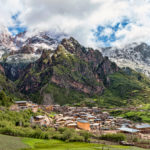
Understanding the Nepal Tours Landscape

The tourism industry in Nepal has evolved significantly over the past decade, with operators now offering specialized experiences that go far beyond traditional sightseeing. Modern Nepal tours emphasize authentic cultural exchange, environmental stewardship, and economic benefits for local communities.

Types of Nepal Tours Available

Adventure seekers can choose from numerous trekking expeditions, including the famous Everest Base Camp route, Annapurna Circuit, and lesser-known trails through remote villages. Cultural enthusiasts find rich experiences exploring Kathmandu Valley's UNESCO World Heritage Sites, Tibetan Buddhist monasteries, and traditional festivals throughout the year.

Popular tour categories include:

  • Trekking and mountaineering expeditions ranging from beginner-friendly hikes to technical climbs
  • Cultural immersion programs featuring homestays in traditional villages
  • Wildlife safaris in Chitwan and Bardia National Parks
  • Spiritual journeys focused on Buddhist meditation and monastery visits
  • Photography tours capturing landscapes, wildlife, and cultural ceremonies
  • Multi-country combinations linking Nepal with Tibet, Bhutan, and India
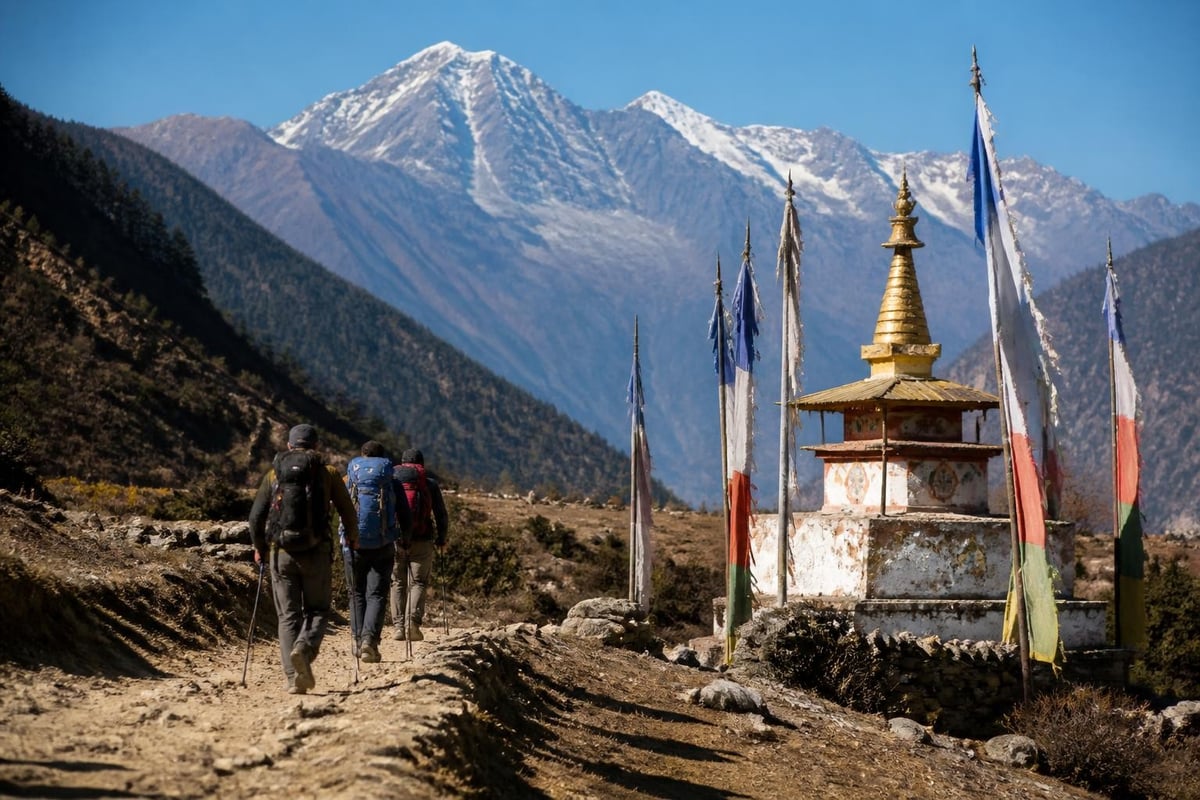
Nepal tour categories

The Nepal Tourism Board offers comprehensive city tours that showcase the architectural and cultural heritage of major urban centers. These structured programs provide excellent foundations for understanding Nepali history before venturing into rural areas.

Seasonal Considerations for Your Journey

Timing significantly impacts the quality of Nepal tours. The pre-monsoon season from March through May brings rhododendron blooms and clear mountain views, while October through November offers stable weather and excellent visibility after monsoon rains clear the air.

Season Months Advantages Considerations
Pre-Monsoon March-May Blooming flowers, warm temperatures Crowded trails, hazy views at times
Monsoon June-August Lush landscapes, fewer tourists Heavy rainfall, trail closures
Post-Monsoon September-November Crystal clear skies, stable weather Peak tourist season, higher prices
Winter December-February Empty trails, cultural festivals Cold temperatures, snow at altitude

Ecotourism Principles in Nepal Tours

Responsible travel practices have become essential components of quality Nepal tours. Operators committed to sustainability implement strategies that minimize environmental impact while maximizing community benefits.

Community-Based Tourism Models

The most effective Nepal tours incorporate direct engagement with local communities. Village homestay programs allow visitors to experience daily life while providing income directly to host families. These arrangements often include participation in agricultural activities, traditional cooking classes, and cultural ceremonies.

Small group tours create meaningful connections that large tour buses cannot replicate. Groups of eight to twelve participants allow guides to provide personalized attention while maintaining manageable environmental footprints on trails and in villages.

Key ecotourism practices include:

  1. Hiring local guides and porters from communities along trekking routes
  2. Using locally owned teahouses and lodges rather than foreign-owned hotels
  3. Purchasing supplies from village shops to support local economies
  4. Participating in waste management programs that remove trash from trails
  5. Respecting cultural protocols at religious sites and in private homes

Environmental Conservation Efforts

Responsible operators integrate conservation into every aspect of Nepal tours. This includes using kerosene or solar cooking systems instead of wood fires, carrying reusable water bottles with purification systems, and following Leave No Trace principles on all treks.

Organizations working in Nepal have established strict guidelines for waste disposal, particularly in popular trekking regions where human impact threatens fragile ecosystems. Quality tour operators participate in these initiatives and educate travelers about their environmental responsibilities.

Cultural Immersion Opportunities

The depth of cultural experiences available through Nepal tours sets them apart from standard vacation packages. Authentic interactions with local communities create lasting memories and mutual understanding between visitors and hosts.

Buddhist Heritage and Monastic Life

Nepal's Buddhist traditions offer profound insights for spiritually curious travelers. Morning visits to monastery complexes allow participation in prayer ceremonies, while extended stays enable meditation instruction from resident monks.

The Kathmandu Valley contains numerous sacred sites where pilgrims and tourists mingle freely. Swayambhunath and Boudhanath stupas serve as living centers of Buddhist practice, with daily rituals continuing traditions spanning centuries.

Traditional Villages and Rural Life

Remote villages accessible only by foot provide glimpses into agricultural societies largely unchanged for generations. Nepal tours that include village stays typically involve participation in daily activities like harvesting crops, tending livestock, or preparing traditional meals.

These immersive experiences benefit both travelers seeking authentic connections and communities earning supplemental income during tourist seasons. The economic boost helps young people remain in their home villages rather than migrating to cities for work.
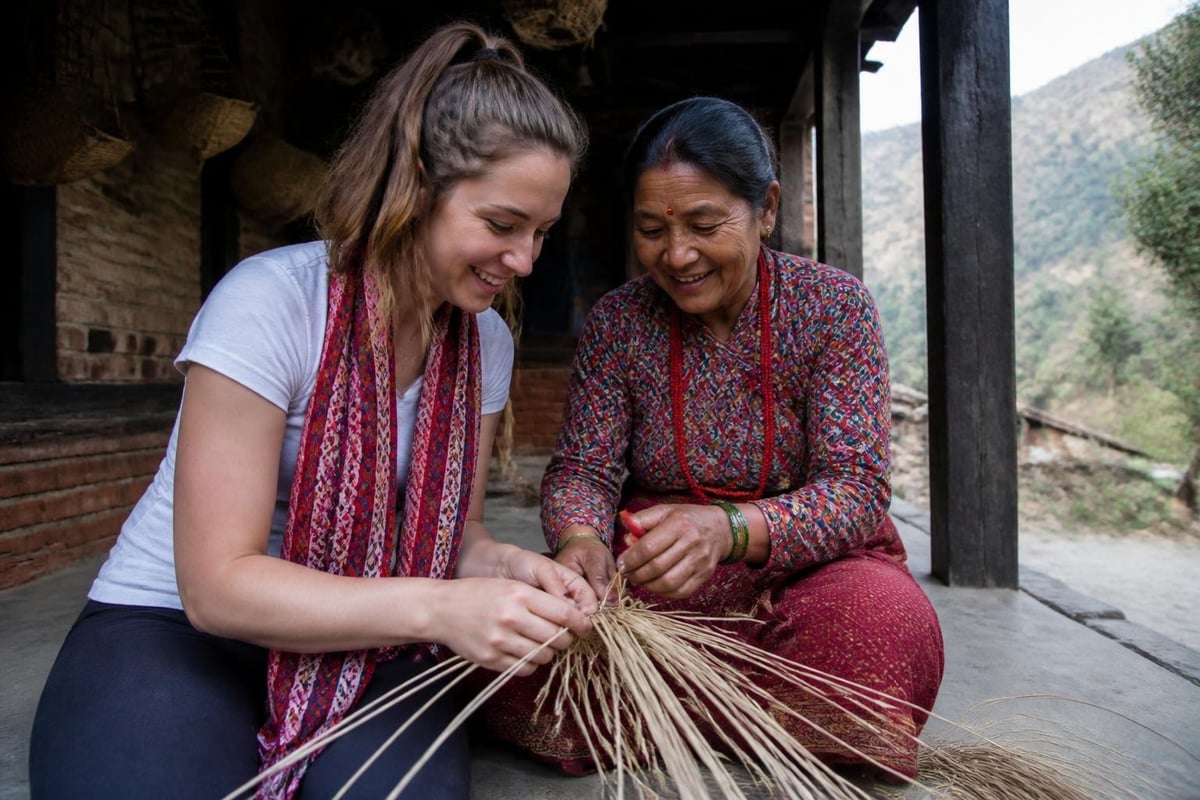
Nepal village cultural exchange

Trekking Adventures Through the Himalayas

The mountain landscapes of Nepal draw adventurers from around the world. Well-planned Nepal tours balance physical challenges with cultural exploration and environmental responsibility.

Classic Trekking Routes

The Everest region remains Nepal's most iconic trekking destination. Routes ranging from the challenging Everest Base Camp trek to shorter Everest View hikes accommodate varying fitness levels and time constraints. Sherpa villages along these trails maintain strong cultural identities while hosting international visitors.

The Annapurna region offers equally spectacular scenery with more diverse terrain. Circuits passing through subtropical valleys, alpine meadows, and high desert landscapes expose trekkers to remarkable ecological variety within compact geographic areas.

Trek Duration Maximum Elevation Difficulty Level Cultural Highlights
Everest Base Camp 12-14 days 5,364m Moderate-Challenging Sherpa villages, Buddhist monasteries
Annapurna Circuit 15-20 days 5,416m Moderate-Challenging Diverse ethnic communities, Muktinath temple
Langtang Valley 7-10 days 3,800m Moderate Tamang culture, cheese factories
Manaslu Circuit 14-18 days 5,106m Challenging Remote Buddhist communities

Off-the-Beaten-Path Options

Lesser-known trekking routes provide authentic experiences away from crowded main trails. The Upper Mustang region near the Tibetan border preserves ancient Buddhist cave monasteries and traditional Tibetan culture. Restricted access maintains cultural integrity while limiting environmental impact.

Eastern Nepal's Kanchenjunga region attracts serious trekkers seeking wilderness experiences. These remote areas require more logistical planning but reward visitors with pristine landscapes and genuine cultural encounters.

Planning Practical Aspects of Nepal Tours

Successful Nepal tours require careful preparation addressing permits, health considerations, and logistical arrangements. Working with experienced operators simplifies these processes while ensuring compliance with local regulations.

Permit Requirements and Regulations

Trekking in Nepal requires various permits depending on destination and route. The Trekkers' Information Management System (TIMS) card tracks trekkers for safety purposes, while national park entry permits fund conservation efforts.

Restricted areas like Upper Mustang and Manaslu require special permits issued only through registered agencies. These regulations protect sensitive cultural and environmental zones while generating revenue for local development projects.

Before finalizing Nepal tours, reviewing current travel advisories from the U.S. Department of State helps travelers understand safety conditions and entry requirements. Regulations update periodically, particularly regarding visa procedures and health documentation.

Health and Safety Preparations

Altitude sickness poses the primary health risk on high-elevation Nepal tours. Proper acclimatization schedules building gradual elevation gain prevent serious complications. Quality operators design itineraries allowing rest days at strategic elevations.

Essential health preparations include:

  • Consulting travel medicine specialists about altitude medications and vaccinations
  • Arranging comprehensive travel insurance covering helicopter evacuation
  • Packing comprehensive first aid supplies for minor injuries and illnesses
  • Understanding symptoms of altitude sickness and descent protocols
  • Carrying water purification systems to prevent gastrointestinal issues

Selecting Responsible Tour Operators

The quality of Nepal tours depends heavily on operator expertise and commitment to sustainable practices. Researching companies thoroughly before booking protects both travelers and communities.

Look for operators employing local guides year-round rather than hiring seasonal staff. Permanent employment relationships ensure guides receive fair wages and benefits while building deep expertise. Companies like Elevated Trips demonstrate this commitment through small group tours and culturally immersive experiences that prioritize authentic local engagement.

Transparent pricing that details how tour costs benefit local communities indicates ethical business practices. Operators should clearly explain what percentages support local guides, accommodation providers, and community development initiatives.
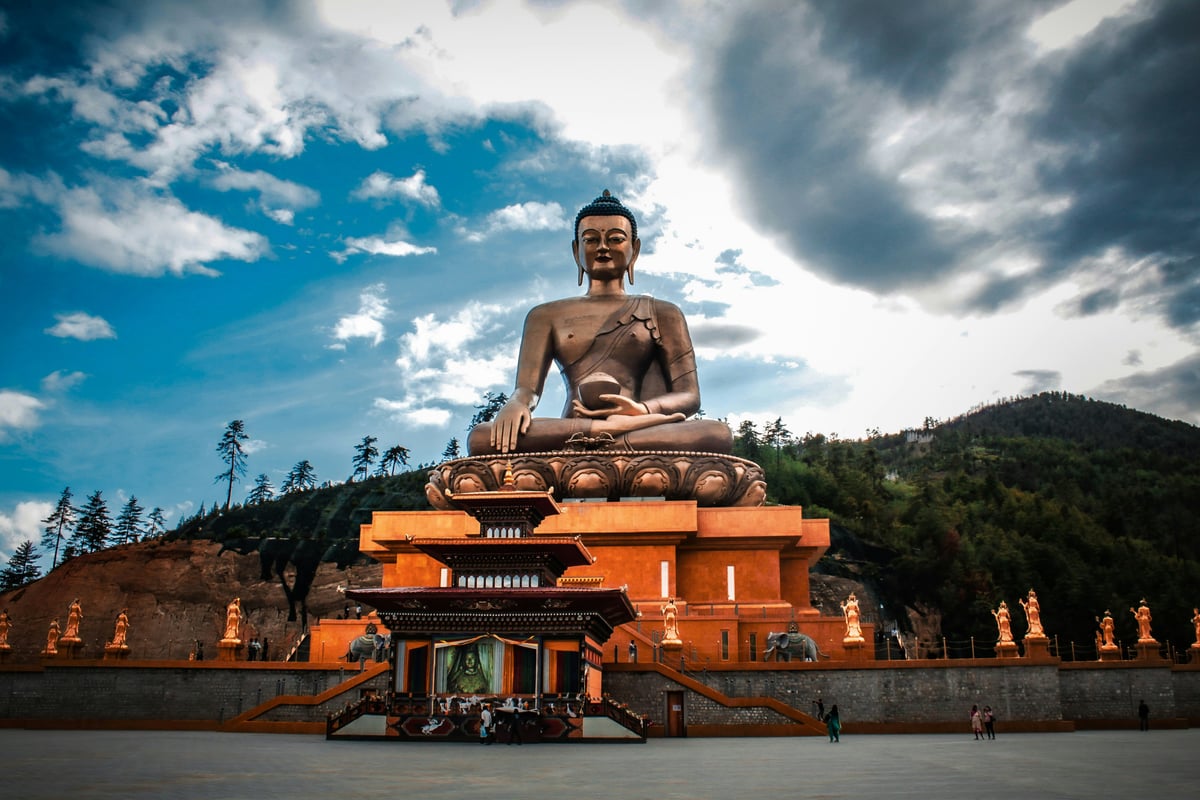
Bhutan Cultural Tour - Elevated Trips

Regional Highlights Beyond the Mountains

While trekking dominates discussions of Nepal tours, lowland regions offer equally compelling experiences. The Terai plains support diverse ecosystems and fascinating cultural traditions distinct from mountain communities.

Wildlife Conservation Areas

Chitwan National Park protects one of South Asia's last populations of one-horned rhinoceros. Safari experiences here combine jungle walks, canoe trips, and jeep tours searching for rhinos, tigers, leopards, and hundreds of bird species.

Community-based forest management programs surrounding these parks demonstrate how conservation and local livelihoods can coexist. Village homestays near park boundaries allow travelers to support families directly while learning about human-wildlife coexistence challenges.

Lowland Cultural Centers

The Terai region's distinct ethnic communities maintain cultural traditions separate from Himalayan populations. Tharu people, indigenous to the plains, welcome visitors to experience their unique architecture, cuisine, and seasonal festivals.

Understanding Nepal's cultural diversity requires exploring both highland and lowland communities. Comprehensive Nepal tours incorporate these varied experiences rather than focusing exclusively on mountain regions.

Combining Nepal with Neighboring Destinations

Geographic proximity and cultural connections make Nepal an ideal component of multi-country tours across the Himalayan region. Combining destinations creates richer understanding of regional Buddhist heritage and cultural variations.

Tibet and Nepal Connections

The historical relationship between Tibet and Nepal created shared religious and cultural traditions visible in architecture, art, and spiritual practices. Tours connecting both regions trace the transmission of Buddhism across the Himalayas while highlighting distinct cultural adaptations.

For travelers interested in broader Himalayan exploration, Elevated Trips offers various regional tours that combine multiple destinations for comprehensive cultural immersion. These thoughtfully designed itineraries balance logistics with authentic community engagement.

Bhutan and India Extensions

Bhutan's Gross National Happiness philosophy and preserved Buddhist culture complement Nepal's tourism offerings. Combined tours allow comparison of different development approaches while experiencing diverse Himalayan landscapes and traditions.

Northern India's Himalayan states share cultural ties with Nepal through religious pilgrimage routes and ethnic communities. Multi-country itineraries following these connections provide historical context for understanding regional dynamics.

Maximizing Cultural Exchange

The most memorable Nepal tours facilitate genuine cross-cultural learning that benefits both visitors and host communities. Thoughtful preparation enhances these interactions while demonstrating respect for local customs.

Language and Communication

Learning basic Nepali phrases shows respect and facilitates warmer interactions. Simple greetings, thank you expressions, and food-related vocabulary help travelers connect with people in villages where English fluency varies.

Working with experienced guides bridges language gaps while providing cultural interpretation. Quality guides explain the significance of rituals, architectural features, and social customs that visitors might otherwise miss.

Photography Ethics

Photographing people requires permission and cultural sensitivity. Many communities welcome photography when approached respectfully, while some religious ceremonies or private moments should remain undocumented.

Responsible photography guidelines:

  1. Always ask permission before photographing individuals, especially children
  2. Respect restrictions on photography inside temples and monasteries
  3. Avoid intrusive telephoto lens use in private village spaces
  4. Share photos with subjects when possible
  5. Never photograph without permission in exchange for money or gifts

Gift Giving and Economic Interactions

Direct cash donations to children perpetuate begging behavior and disrupt traditional social structures. Instead, supporting community schools, health clinics, or development projects through established organizations creates sustainable benefits.

Purchasing handicrafts directly from artisans ensures fair compensation while preserving traditional skills. Quality Nepal tours include visits to cooperatives and workshops where travelers learn about craft production while supporting local economies.

Preparing for Your Journey

Physical and mental preparation enhances enjoyment of Nepal tours while reducing risks. Training programs, equipment selection, and cultural research all contribute to successful experiences.

Physical Conditioning

Trekking fitness requires cardiovascular endurance and leg strength. Training programs beginning three months before departure should include regular hiking with gradually increasing pack weights and elevation gain.

Core strength and flexibility prevent injuries on uneven terrain. Yoga and balance exercises prove particularly valuable for maintaining stability on steep, rocky trails.

Equipment Essentials

Quality gear appropriate for seasonal conditions ensures comfort and safety. Layering systems addressing dramatic temperature variations between day and night, valleys and high passes, prove essential in mountain environments.

Critical equipment includes:

  • Broken-in hiking boots with ankle support and waterproofing
  • Sleeping bags rated for expected minimum temperatures
  • Trekking poles reducing knee strain on descents
  • Water purification systems for safe hydration from streams and taps
  • Headlamps with extra batteries for early starts and lodge power outages
  • Sun protection including high-SPF sunscreen, sunglasses, and wide-brimmed hats

Cultural Research

Understanding Buddhist practices, Hindu traditions, and local customs prevents unintentional offense. Reading about Nepal's history, ethnic diversity, and current social issues provides context for observations during travel.

Resources like Intrepid Travel’s Nepal guides offer practical advice on cultural etiquette, packing recommendations, and itinerary options. These overviews help travelers set realistic expectations while identifying specific interests to pursue.

Supporting Long-Term Community Development

The most impactful Nepal tours extend benefits beyond immediate economic transactions. Thoughtful travelers consider how their choices influence long-term community wellbeing and cultural preservation.

Education and Skill Development

Tourism creates opportunities for local residents to develop language skills, guiding expertise, and hospitality management capabilities. Supporting operators who invest in staff training helps build sustainable tourism sectors providing year-round employment.

Many communities use tourism revenue to fund schools and scholarship programs. Travelers can amplify these efforts by choosing operators who contribute percentages of profits to education initiatives or visiting social enterprises linked to schools.

Infrastructure and Environmental Projects

Responsible tourism supports infrastructure improvements benefiting both travelers and residents. Trail maintenance, clean water systems, and waste management facilities serve local populations long after tourist seasons end.

Some operators organize volunteer components allowing travelers to participate directly in community projects. These programs range from school renovations to reforestation efforts, creating tangible contributions beyond economic transactions.
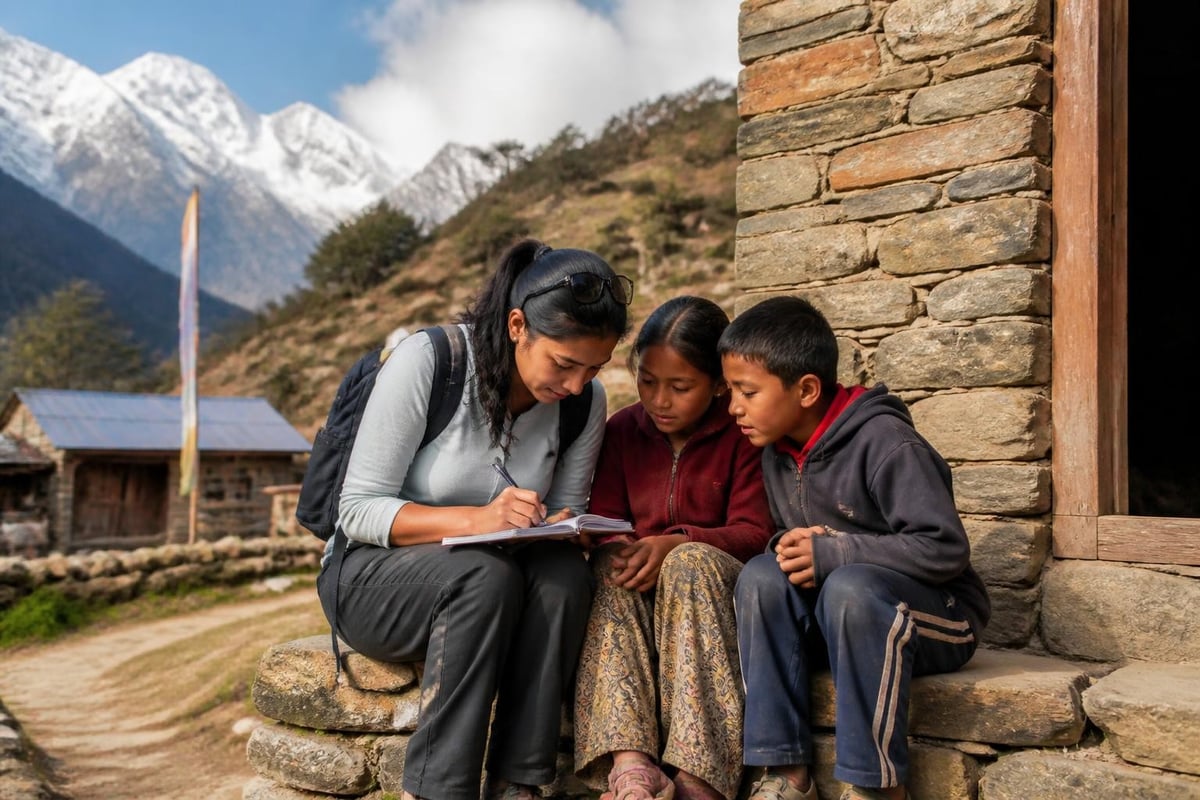
Nepal sustainable tourism impact


Nepal tours offer transformative experiences when approached with cultural sensitivity and environmental responsibility. The combination of spectacular Himalayan landscapes, rich Buddhist heritage, and welcoming communities creates journeys that resonate long after travelers return home. Elevated Trips specializes in exactly these types of meaningful adventures, designing small group tours throughout Nepal and the broader Himalayan region that prioritize authentic cultural exchange and tangible benefits for local communities. Whether you're drawn to mountain trekking, Buddhist spiritual exploration, or village immersion experiences, thoughtfully planned journeys create positive impacts while delivering the adventure and cultural richness that make Himalayan travel so compelling.
Understanding the Nepal Tours Landscape

The tourism industry in Nepal has evolved significantly over the past decade, with operators now offering specialized experiences that go far beyond traditional sightseeing. Modern Nepal tours emphasize authentic cultural exchange, environmental stewardship, and economic benefits for local communities.

Types of Nepal Tours Available

Adventure seekers can choose from numerous trekking expeditions, including the famous Everest Base Camp route, Annapurna Circuit, and lesser-known trails through remote villages. Cultural enthusiasts find rich experiences exploring Kathmandu Valley's UNESCO World Heritage Sites, Tibetan Buddhist monasteries, and traditional festivals throughout the year.

Popular tour categories include:

  • Trekking and mountaineering expeditions ranging from beginner-friendly hikes to technical climbs
  • Cultural immersion programs featuring homestays in traditional villages
  • Wildlife safaris in Chitwan and Bardia National Parks
  • Spiritual journeys focused on Buddhist meditation and monastery visits
  • Photography tours capturing landscapes, wildlife, and cultural ceremonies
  • Multi-country combinations linking Nepal with Tibet, Bhutan, and India

Nepal tour categories

The Nepal Tourism Board offers comprehensive city tours that showcase the architectural and cultural heritage of major urban centers. These structured programs provide excellent foundations for understanding Nepali history before venturing into rural areas.

Seasonal Considerations for Your Journey

Timing significantly impacts the quality of Nepal tours. The pre-monsoon season from March through May brings rhododendron blooms and clear mountain views, while October through November offers stable weather and excellent visibility after monsoon rains clear the air.

Season Months Advantages Considerations
Pre-Monsoon March-May Blooming flowers, warm temperatures Crowded trails, hazy views at times
Monsoon June-August Lush landscapes, fewer tourists Heavy rainfall, trail closures
Post-Monsoon September-November Crystal clear skies, stable weather Peak tourist season, higher prices
Winter December-February Empty trails, cultural festivals Cold temperatures, snow at altitude

Ecotourism Principles in Nepal Tours

Responsible travel practices have become essential components of quality Nepal tours. Operators committed to sustainability implement strategies that minimize environmental impact while maximizing community benefits.

Community-Based Tourism Models

The most effective Nepal tours incorporate direct engagement with local communities. Village homestay programs allow visitors to experience daily life while providing income directly to host families. These arrangements often include participation in agricultural activities, traditional cooking classes, and cultural ceremonies.

Small group tours create meaningful connections that large tour buses cannot replicate. Groups of eight to twelve participants allow guides to provide personalized attention while maintaining manageable environmental footprints on trails and in villages.

Key ecotourism practices include:

  1. Hiring local guides and porters from communities along trekking routes
  2. Using locally owned teahouses and lodges rather than foreign-owned hotels
  3. Purchasing supplies from village shops to support local economies
  4. Participating in waste management programs that remove trash from trails
  5. Respecting cultural protocols at religious sites and in private homes

Environmental Conservation Efforts

Responsible operators integrate conservation into every aspect of Nepal tours. This includes using kerosene or solar cooking systems instead of wood fires, carrying reusable water bottles with purification systems, and following Leave No Trace principles on all treks.

Organizations working in Nepal have established strict guidelines for waste disposal, particularly in popular trekking regions where human impact threatens fragile ecosystems. Quality tour operators participate in these initiatives and educate travelers about their environmental responsibilities.

Cultural Immersion Opportunities

The depth of cultural experiences available through Nepal tours sets them apart from standard vacation packages. Authentic interactions with local communities create lasting memories and mutual understanding between visitors and hosts.

Buddhist Heritage and Monastic Life

Nepal's Buddhist traditions offer profound insights for spiritually curious travelers. Morning visits to monastery complexes allow participation in prayer ceremonies, while extended stays enable meditation instruction from resident monks.

The Kathmandu Valley contains numerous sacred sites where pilgrims and tourists mingle freely. Swayambhunath and Boudhanath stupas serve as living centers of Buddhist practice, with daily rituals continuing traditions spanning centuries.

Traditional Villages and Rural Life

Remote villages accessible only by foot provide glimpses into agricultural societies largely unchanged for generations. Nepal tours that include village stays typically involve participation in daily activities like harvesting crops, tending livestock, or preparing traditional meals.

These immersive experiences benefit both travelers seeking authentic connections and communities earning supplemental income during tourist seasons. The economic boost helps young people remain in their home villages rather than migrating to cities for work.

Nepal village cultural exchange

Trekking Adventures Through the Himalayas

The mountain landscapes of Nepal draw adventurers from around the world. Well-planned Nepal tours balance physical challenges with cultural exploration and environmental responsibility.

Classic Trekking Routes

The Everest region remains Nepal's most iconic trekking destination. Routes ranging from the challenging Everest Base Camp trek to shorter Everest View hikes accommodate varying fitness levels and time constraints. Sherpa villages along these trails maintain strong cultural identities while hosting international visitors.

The Annapurna region offers equally spectacular scenery with more diverse terrain. Circuits passing through subtropical valleys, alpine meadows, and high desert landscapes expose trekkers to remarkable ecological variety within compact geographic areas.

Trek Duration Maximum Elevation Difficulty Level Cultural Highlights
Everest Base Camp 12-14 days 5,364m Moderate-Challenging Sherpa villages, Buddhist monasteries
Annapurna Circuit 15-20 days 5,416m Moderate-Challenging Diverse ethnic communities, Muktinath temple
Langtang Valley 7-10 days 3,800m Moderate Tamang culture, cheese factories
Manaslu Circuit 14-18 days 5,106m Challenging Remote Buddhist communities

Off-the-Beaten-Path Options

Lesser-known trekking routes provide authentic experiences away from crowded main trails. The Upper Mustang region near the Tibetan border preserves ancient Buddhist cave monasteries and traditional Tibetan culture. Restricted access maintains cultural integrity while limiting environmental impact.

Eastern Nepal's Kanchenjunga region attracts serious trekkers seeking wilderness experiences. These remote areas require more logistical planning but reward visitors with pristine landscapes and genuine cultural encounters.

Planning Practical Aspects of Nepal Tours

Successful Nepal tours require careful preparation addressing permits, health considerations, and logistical arrangements. Working with experienced operators simplifies these processes while ensuring compliance with local regulations.

Permit Requirements and Regulations

Trekking in Nepal requires various permits depending on destination and route. The Trekkers' Information Management System (TIMS) card tracks trekkers for safety purposes, while national park entry permits fund conservation efforts.

Restricted areas like Upper Mustang and Manaslu require special permits issued only through registered agencies. These regulations protect sensitive cultural and environmental zones while generating revenue for local development projects.

Before finalizing Nepal tours, reviewing current travel advisories from the U.S. Department of State helps travelers understand safety conditions and entry requirements. Regulations update periodically, particularly regarding visa procedures and health documentation.

Health and Safety Preparations

Altitude sickness poses the primary health risk on high-elevation Nepal tours. Proper acclimatization schedules building gradual elevation gain prevent serious complications. Quality operators design itineraries allowing rest days at strategic elevations.

Essential health preparations include:

  • Consulting travel medicine specialists about altitude medications and vaccinations
  • Arranging comprehensive travel insurance covering helicopter evacuation
  • Packing comprehensive first aid supplies for minor injuries and illnesses
  • Understanding symptoms of altitude sickness and descent protocols
  • Carrying water purification systems to prevent gastrointestinal issues

Selecting Responsible Tour Operators

The quality of Nepal tours depends heavily on operator expertise and commitment to sustainable practices. Researching companies thoroughly before booking protects both travelers and communities.

Look for operators employing local guides year-round rather than hiring seasonal staff. Permanent employment relationships ensure guides receive fair wages and benefits while building deep expertise. Companies like Elevated Trips demonstrate this commitment through small group tours and culturally immersive experiences that prioritize authentic local engagement.

Transparent pricing that details how tour costs benefit local communities indicates ethical business practices. Operators should clearly explain what percentages support local guides, accommodation providers, and community development initiatives.

Bhutan Cultural Tour - Elevated Trips

Regional Highlights Beyond the Mountains

While trekking dominates discussions of Nepal tours, lowland regions offer equally compelling experiences. The Terai plains support diverse ecosystems and fascinating cultural traditions distinct from mountain communities.

Wildlife Conservation Areas

Chitwan National Park protects one of South Asia's last populations of one-horned rhinoceros. Safari experiences here combine jungle walks, canoe trips, and jeep tours searching for rhinos, tigers, leopards, and hundreds of bird species.

Community-based forest management programs surrounding these parks demonstrate how conservation and local livelihoods can coexist. Village homestays near park boundaries allow travelers to support families directly while learning about human-wildlife coexistence challenges.

Lowland Cultural Centers

The Terai region's distinct ethnic communities maintain cultural traditions separate from Himalayan populations. Tharu people, indigenous to the plains, welcome visitors to experience their unique architecture, cuisine, and seasonal festivals.

Understanding Nepal's cultural diversity requires exploring both highland and lowland communities. Comprehensive Nepal tours incorporate these varied experiences rather than focusing exclusively on mountain regions.

Combining Nepal with Neighboring Destinations

Geographic proximity and cultural connections make Nepal an ideal component of multi-country tours across the Himalayan region. Combining destinations creates richer understanding of regional Buddhist heritage and cultural variations.

Tibet and Nepal Connections

The historical relationship between Tibet and Nepal created shared religious and cultural traditions visible in architecture, art, and spiritual practices. Tours connecting both regions trace the transmission of Buddhism across the Himalayas while highlighting distinct cultural adaptations.

For travelers interested in broader Himalayan exploration, Elevated Trips offers various regional tours that combine multiple destinations for comprehensive cultural immersion. These thoughtfully designed itineraries balance logistics with authentic community engagement.

Bhutan and India Extensions

Bhutan's Gross National Happiness philosophy and preserved Buddhist culture complement Nepal's tourism offerings. Combined tours allow comparison of different development approaches while experiencing diverse Himalayan landscapes and traditions.

Northern India's Himalayan states share cultural ties with Nepal through religious pilgrimage routes and ethnic communities. Multi-country itineraries following these connections provide historical context for understanding regional dynamics.

Maximizing Cultural Exchange

The most memorable Nepal tours facilitate genuine cross-cultural learning that benefits both visitors and host communities. Thoughtful preparation enhances these interactions while demonstrating respect for local customs.

Language and Communication

Learning basic Nepali phrases shows respect and facilitates warmer interactions. Simple greetings, thank you expressions, and food-related vocabulary help travelers connect with people in villages where English fluency varies.

Working with experienced guides bridges language gaps while providing cultural interpretation. Quality guides explain the significance of rituals, architectural features, and social customs that visitors might otherwise miss.

Photography Ethics

Photographing people requires permission and cultural sensitivity. Many communities welcome photography when approached respectfully, while some religious ceremonies or private moments should remain undocumented.

Responsible photography guidelines:

  1. Always ask permission before photographing individuals, especially children
  2. Respect restrictions on photography inside temples and monasteries
  3. Avoid intrusive telephoto lens use in private village spaces
  4. Share photos with subjects when possible
  5. Never photograph without permission in exchange for money or gifts

Gift Giving and Economic Interactions

Direct cash donations to children perpetuate begging behavior and disrupt traditional social structures. Instead, supporting community schools, health clinics, or development projects through established organizations creates sustainable benefits.

Purchasing handicrafts directly from artisans ensures fair compensation while preserving traditional skills. Quality Nepal tours include visits to cooperatives and workshops where travelers learn about craft production while supporting local economies.

Preparing for Your Journey

Physical and mental preparation enhances enjoyment of Nepal tours while reducing risks. Training programs, equipment selection, and cultural research all contribute to successful experiences.

Physical Conditioning

Trekking fitness requires cardiovascular endurance and leg strength. Training programs beginning three months before departure should include regular hiking with gradually increasing pack weights and elevation gain.

Core strength and flexibility prevent injuries on uneven terrain. Yoga and balance exercises prove particularly valuable for maintaining stability on steep, rocky trails.

Equipment Essentials

Quality gear appropriate for seasonal conditions ensures comfort and safety. Layering systems addressing dramatic temperature variations between day and night, valleys and high passes, prove essential in mountain environments.

Critical equipment includes:

  • Broken-in hiking boots with ankle support and waterproofing
  • Sleeping bags rated for expected minimum temperatures
  • Trekking poles reducing knee strain on descents
  • Water purification systems for safe hydration from streams and taps
  • Headlamps with extra batteries for early starts and lodge power outages
  • Sun protection including high-SPF sunscreen, sunglasses, and wide-brimmed hats

Cultural Research

Understanding Buddhist practices, Hindu traditions, and local customs prevents unintentional offense. Reading about Nepal's history, ethnic diversity, and current social issues provides context for observations during travel.

Resources like Intrepid Travel’s Nepal guides offer practical advice on cultural etiquette, packing recommendations, and itinerary options. These overviews help travelers set realistic expectations while identifying specific interests to pursue.

Supporting Long-Term Community Development

The most impactful Nepal tours extend benefits beyond immediate economic transactions. Thoughtful travelers consider how their choices influence long-term community wellbeing and cultural preservation.

Education and Skill Development

Tourism creates opportunities for local residents to develop language skills, guiding expertise, and hospitality management capabilities. Supporting operators who invest in staff training helps build sustainable tourism sectors providing year-round employment.

Many communities use tourism revenue to fund schools and scholarship programs. Travelers can amplify these efforts by choosing operators who contribute percentages of profits to education initiatives or visiting social enterprises linked to schools.

Infrastructure and Environmental Projects

Responsible tourism supports infrastructure improvements benefiting both travelers and residents. Trail maintenance, clean water systems, and waste management facilities serve local populations long after tourist seasons end.

Some operators organize volunteer components allowing travelers to participate directly in community projects. These programs range from school renovations to reforestation efforts, creating tangible contributions beyond economic transactions.

Nepal sustainable tourism impact


Nepal tours offer transformative experiences when approached with cultural sensitivity and environmental responsibility. The combination of spectacular Himalayan landscapes, rich Buddhist heritage, and welcoming communities creates journeys that resonate long after travelers return home. Elevated Trips specializes in exactly these types of meaningful adventures, designing small group tours throughout Nepal and the broader Himalayan region that prioritize authentic cultural exchange and tangible benefits for local communities. Whether you're drawn to mountain trekking, Buddhist spiritual exploration, or village immersion experiences, thoughtfully planned journeys create positive impacts while delivering the adventure and cultural richness that make Himalayan travel so compelling.
Leave a Reply

Your email address will not be published. Required fields are marked *

captcha

Please enter the characters shown in the CAPTCHA to ensure that you are human.