Planning Your Perfect Day Hike

The foundation of successful hiking day trips begins weeks before you step onto the trail. Research potential destinations that match your fitness level, interests, and available time. Consider factors like trail difficulty, elevation gain, distance, and seasonal conditions when making your selection.

Start by identifying your primary objective for the hike. Are you seeking solitude in nature, photographing wildlife, or experiencing cultural sites along the trail? Your goals will influence everything from trail selection to what you pack. Physical preparation matters significantly, especially when planning hikes in high-altitude regions where thinner air demands greater cardiovascular fitness.

Assessing Trail Difficulty and Distance

Trail ratings vary between regions, but understanding difficulty classifications helps prevent overcommitment. Easy trails typically feature minimal elevation change and well-maintained paths. Moderate trails may include steeper sections, rougher terrain, and longer distances. Challenging routes demand excellent fitness, navigation skills, and experience with technical terrain.

Calculate your expected hiking time using Naismith's Rule: one hour for every three miles, plus an additional hour for every 2,000 feet of elevation gain. Add buffer time for breaks, photography, and unexpected delays. Most hiking day trips should keep total time under eight hours to ensure you return before dark.
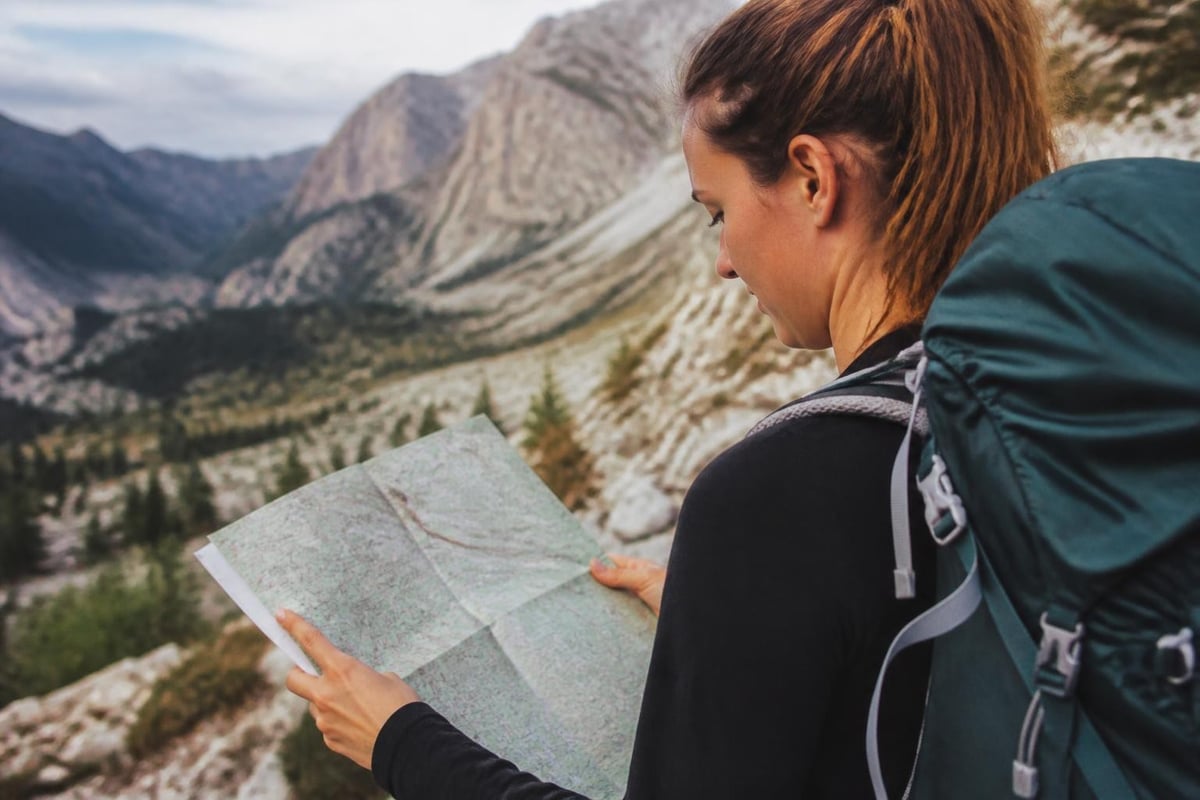
Trail difficulty assessment

Trail Difficulty Typical Features Fitness Level Required Example Duration
Easy Flat, well-maintained, under 5 miles Beginner-friendly 2-3 hours
Moderate Some elevation, 5-10 miles Regular exercise routine 4-6 hours
Challenging Steep sections, 10+ miles or 2000+ ft gain Experienced hiker 6-8 hours
Strenuous Technical terrain, high altitude, 3000+ ft gain Advanced fitness Full day

Research trail conditions through official park websites, hiking apps, and recent trip reports. Weather patterns change rapidly in mountainous regions, affecting trail accessibility and safety. The National Park Service provides comprehensive hiking safety information that applies to destinations worldwide.

Essential Gear for Day Hiking Success

Packing appropriately for hiking day trips requires balancing preparedness with weight management. The classic "Ten Essentials" system provides a framework for safety without overburdening yourself.

Navigation tools top the essentials list. Carry physical maps and a compass even when using GPS devices or smartphone apps. Electronics fail, batteries die, and satellite signals disappear in canyons and dense forests. Learn basic map reading and compass skills before venturing onto unfamiliar trails.

Sun protection becomes critical at higher elevations where UV radiation intensifies. Pack sunscreen, sunglasses, and a wide-brimmed hat. Those planning hikes across the Tibetan Plateau or similar high-altitude environments should double their sun protection efforts.

Building Your Daypack

Your daypack should accommodate 15-25 liters for most hiking day trips. Organize items for easy access, placing frequently needed items like water, snacks, and sunscreen in outer pockets.

  • Water: Carry at least two liters, more in hot weather or at altitude
  • Food: Pack calorie-dense snacks plus an extra meal for emergencies
  • First aid kit: Include blister treatment, pain relievers, and personal medications
  • Emergency shelter: Lightweight emergency bivy or space blanket
  • Fire starter: Waterproof matches or lighter with dry tinder
  • Repair kit: Duct tape, safety pins, multi-tool
  • Illumination: Headlamp with extra batteries
  • Extra clothing: Insulating layer and rain shell regardless of forecast

Footwear deserves special attention. Well-fitted hiking boots or trail shoes prevent blisters and provide ankle support on uneven terrain. Break in new footwear before attempting longer hikes. Proper safety preparation includes testing all gear before departure.

Safety Protocols and Risk Management

Responsible hiking day trips prioritize safety through preparation and good judgment. Share your detailed itinerary with someone reliable, including trailhead location, planned route, and expected return time. Establish check-in protocols for when you complete your hike.

Weather awareness prevents many hiking emergencies. Check forecasts before departure and monitor conditions throughout your hike. Mountain weather changes rapidly, with afternoon thunderstorms common in many regions during summer months. Start early to complete exposed sections before storms develop.

Wildlife Encounters and Environmental Hazards

Understanding local wildlife behavior keeps both hikers and animals safe. Research which species inhabit your hiking area and learn appropriate response protocols. Bear country requires bear spray and knowledge of proper food storage. Other regions present different challenges, from venomous snakes to territorial birds during nesting season.

Environmental hazards vary by location and season. High-altitude hiking day trips bring risks of altitude sickness, requiring gradual acclimatization. Rocky terrain increases ankle injury risks. River crossings become dangerous during spring snowmelt. The Mount Rainier National Park safety guidelines address many universally applicable hazards.

Recognize when to turn back. Summit fever pushes many hikers beyond safe limits. Establish turnaround times before starting, typically when you've used half your daylight or reached your halfway point time-wise. Adverse weather, injury, or excessive fatigue all justify early returns.
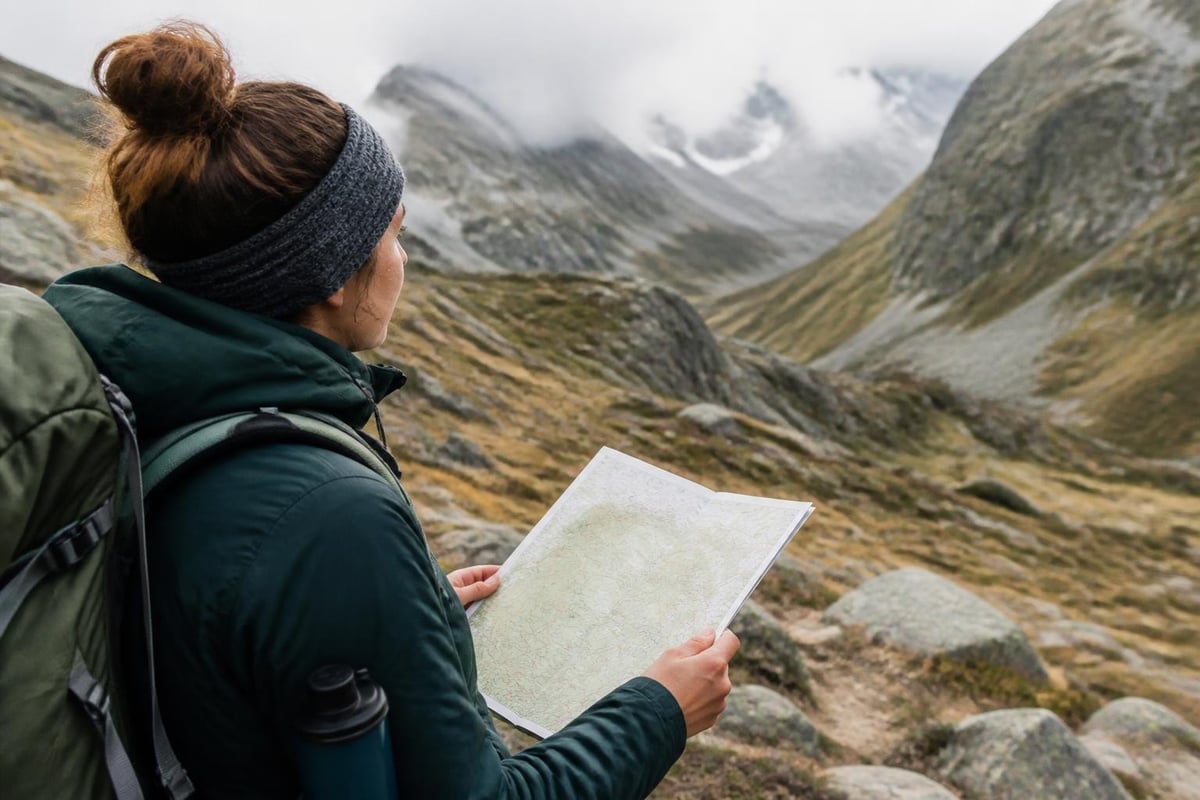
Hiking safety decision-making

Sustainable and Culturally Respectful Hiking

Ecotourism principles transform hiking day trips from simple recreation into conservation-minded experiences. Leave No Trace ethics provide the framework for minimizing environmental impact while maximizing enjoyment.

Pack out everything you pack in, including organic waste like fruit peels and nut shells. These items decompose slowly in many environments and attract wildlife to human presence. Dispose of human waste properly, using designated facilities when available or catholes dug 6-8 inches deep at least 200 feet from water sources.

Respecting Cultural Sites and Local Communities

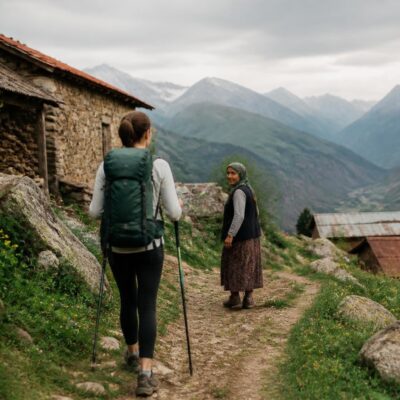
Many of the world's most spectacular hiking day trips traverse lands with deep cultural significance. When hiking through regions inhabited by Indigenous peoples or near sacred sites, research and observe local customs and restrictions.

Some trails pass through working landscapes where local communities maintain traditional livelihoods. Stay on designated paths to avoid damaging crops or grazing areas. Ask permission before photographing people or private property. Consider how your presence affects daily life for residents.

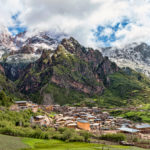
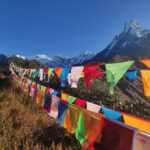
For those planning Prayers in the Plateau, the journey combines wilderness exploration with authentic cultural immersion across the Tibetan Plateau. This approach to hiking day trips integrates trail adventures with visits to secluded temples and Tibetan villages, creating meaningful connections that benefit local communities through responsible tourism.

Prayers in the Plateau - Elevated Trips

Supporting local economies through responsible spending amplifies the positive impact of your hiking day trips. Purchase supplies from community vendors, hire local guides when exploring unfamiliar regions, and choose tour operators committed to environmental and cultural preservation.

Seasonal Considerations for Year-Round Hiking

Each season offers unique rewards and challenges for hiking day trips. Understanding seasonal variations helps you select optimal timing and prepare appropriately.

Spring hiking brings wildflowers, flowing waterfalls, and moderate temperatures. However, trails at higher elevations remain snow-covered well into summer. River crossings become hazardous with snowmelt. Mud season can damage trails, with many land managers requesting hikers avoid certain areas during peak mud periods.

Summer provides maximum trail accessibility and longest daylight hours. Popular destinations become crowded, requiring early starts to secure parking and find solitude. Heat exhaustion risks increase, demanding more water and electrolyte replacement. Afternoon thunderstorms pose lightning dangers in exposed alpine areas.

Autumn and Winter Hiking Opportunities

Fall delivers spectacular foliage, cooler temperatures, and fewer crowds. Days shorten rapidly as autumn progresses, requiring earlier starts and faster paces to complete hiking day trips before dark. First snows arrive unpredictably in mountain regions, making snowshoes or microspikes necessary additions to your pack.

Winter transforms familiar trails into different experiences entirely. Snow obscures trail markers and increases navigation difficulty. Avalanche danger demands specialized knowledge and equipment in mountainous terrain. Shorter days limit hiking windows. However, winter hiking day trips reward prepared adventurers with solitude, pristine snow-covered landscapes, and unique wildlife viewing opportunities.

Season Benefits Challenges Essential Additions
Spring Wildflowers, waterfalls Snow patches, mud, river crossings Trekking poles, gaiters
Summer Long days, full access Crowds, heat, storms Extra water, sun protection
Autumn Foliage, comfortable temps Shorter days, early snow Headlamp, warm layers
Winter Solitude, snow beauty Cold, avalanche risk, navigation Microspikes, insulation

Maximizing the Hiking Experience

Transforming ordinary hiking day trips into memorable adventures involves mindful engagement with your surroundings. Practice walking meditation by focusing attention on each footstep, breathing rhythm, and sensory input. This mindfulness reduces stress and deepens nature connection.

Photography skills enhance appreciation for natural beauty while creating lasting memories. Learn basic composition principles and how different light conditions affect images. Golden hours around sunrise and sunset provide optimal lighting for landscape photography during hiking day trips.

Building Hiking Communities

Solo hiking offers solitude and self-reflection, but joining hiking groups creates social connections and increases safety. Local hiking clubs organize regular outings accommodating various skill levels. Online platforms connect hikers planning trips to specific destinations. Consider comprehensive travel information when planning adventures to less familiar regions.

Mentoring new hikers multiplies positive impacts by building the next generation of conservation-minded outdoor enthusiasts. Share knowledge generously, model responsible behavior, and encourage others to explore hiking day trips appropriate to their abilities.

Document your experiences through journals, photographs, or blogs. These records help you track personal growth, remember special moments, and provide valuable trip reports for other hikers planning similar adventures.
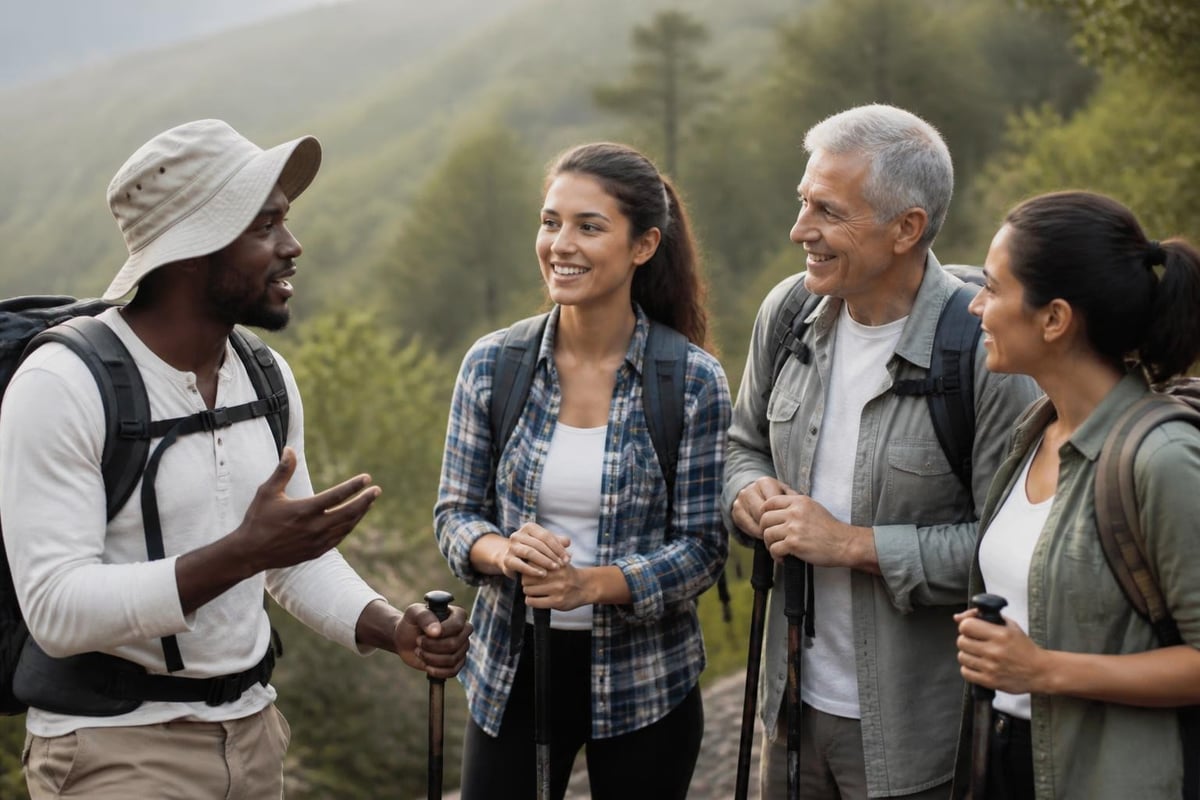
Hiking community connections

Physical and Mental Health Benefits

Regular hiking day trips deliver profound physical and mental health benefits backed by extensive research. Cardiovascular fitness improves as your heart works harder to pump oxygen-rich blood during extended periods of moderate exertion. Weight-bearing exercise strengthens bones and muscles while burning significant calories.

Mental health benefits often exceed physical advantages. Natural environments reduce stress hormones while increasing endorphin production. Forest bathing, the practice of mindful immersion in forest environments, lowers blood pressure and improves mood. Regular hiking day trips correlate with reduced anxiety and depression symptoms.

Cognitive Enhancement Through Outdoor Activity

Hiking stimulates cognitive function in ways indoor exercise cannot replicate. Navigating natural terrain requires constant decision-making about foot placement, route selection, and environmental assessment. These cognitive demands strengthen neural pathways and may protect against age-related cognitive decline.

Creative problem-solving abilities improve after time in nature. The Great Smoky Mountains National Park hiking safety guidelines emphasize how preparation and awareness during hiking day trips develop transferable skills applicable to daily life challenges.

Disconnect from digital devices during hiking day trips to fully realize mental health benefits. Constant connectivity prevents the mental rest necessary for creative thinking and stress recovery. Nature provides the ideal environment for digital detox while still offering rich sensory stimulation.

Trail Etiquette and Shared Use

Proper trail etiquette ensures positive experiences for all users while protecting natural resources. Right-of-way conventions vary slightly by region, but general principles apply universally to hiking day trips.

Uphill hikers typically have right-of-way over descending hikers, as maintaining uphill momentum requires more effort. However, uphill hikers may choose to step aside for breaks, particularly on steep sections. Communicate clearly with approaching hikers to coordinate passing smoothly.

Faster hikers should announce their presence when approaching from behind rather than startling slower parties. Step to the downhill side when yielding, as it provides more stable footing and safer positions if anyone stumbles.

Multi-Use Trail Considerations

Many trails accommodate hikers, mountain bikers, and equestrians. Hikers should yield to horses, as these large animals spook easily and pose safety risks when frightened. Step off the trail on the downhill side, remain quiet, and follow any instructions from riders.

Mountain bikers technically should yield to hikers, but stepping aside for fast-moving cyclists often proves simpler and safer. Make your presence known on blind corners where cyclists cannot see pedestrians ahead.

Keep noise levels moderate to preserve natural soundscapes for wildlife and other visitors. Georgia State Parks hiking safety tips remind hikers that excessive noise disturbs wildlife and diminishes everyone's experience during hiking day trips.

Control pets when allowed on trails. Many areas prohibit dogs to protect wildlife, prevent trail damage, and accommodate visitors with allergies or fears. Where permitted, keep dogs leashed, pick up waste, and ensure they don't approach other hikers or wildlife.

Advanced Planning for Remote Destinations

Hiking day trips in remote locations like the Tibetan Plateau, Himalayas, or other wilderness areas require additional preparation beyond standard day hikes. Altitude acclimatization becomes essential when hiking above 8,000 feet, with acute mountain sickness affecting many people above 10,000 feet regardless of fitness level.

Spend several days at intermediate elevations before attempting high-altitude hiking day trips. Ascend gradually, following the mountaineering principle of "climb high, sleep low." Recognize symptoms of altitude sickness including headache, nausea, dizziness, and fatigue. Descend immediately if symptoms worsen despite rest and hydration.

International Hiking Considerations

Research permit requirements, restricted areas, and local regulations well before international hiking day trips. Many countries require hiking permits, guide services, or limit visitor numbers in sensitive ecosystems. Processing times for permits can extend weeks or months.

Cultural preparation matches physical preparation in importance. Learn basic phrases in local languages, understand appropriate dress codes, and research cultural norms around photography, religious sites, and interactions with local people. Resources from organizations specializing in sustainable ecotourism experiences provide valuable cultural context for respectful travel.

Verify medical insurance coverage for international destinations and evacuation services. Remote hiking day trips may place you hours from medical facilities, making evacuation insurance a worthwhile investment. Carry documentation of vaccinations, medications, and emergency contacts in multiple formats.

Training and Fitness Preparation

Physical conditioning significantly improves enjoyment and safety during challenging hiking day trips. Begin training programs at least six weeks before ambitious hikes, focusing on cardiovascular endurance, leg strength, and core stability.

Cardiovascular base building forms the foundation of hiking fitness. Walk, run, cycle, or use cardio equipment for 30-60 minutes at moderate intensity five days weekly. Gradually increase duration and intensity over several weeks. Include one longer session weekly that approaches your planned hiking duration.

Strength training prevents injuries and improves hiking efficiency. Focus on exercises targeting quadriceps, hamstrings, glutes, and calves. Squats, lunges, step-ups, and calf raises build hiking-specific strength. Core exercises improve balance and reduce lower back strain during long hiking day trips.

Sport-Specific Training Methods

Simulate actual hiking conditions during training. Wear your loaded daypack during training walks to adapt your body to carrying weight. Find hills or stairs to practice elevation gain. The U.S. Army hiking safety guidelines emphasize gradual progression to prevent overuse injuries.

Practice hiking on varied terrain including rocky paths, sand, and uneven surfaces. This strengthens stabilizing muscles and improves proprioception, reducing ankle injury risks. Balance exercises on wobble boards or single-leg stands enhance trail-specific stability.

Test all gear during training hikes. Break in footwear, adjust pack fit, and ensure clothing layers function properly before committing to ambitious hiking day trips. Training reveals equipment problems while you can still make adjustments or replacements.

Navigation Skills and Technology

Competent navigation separates confident hikers from those who stick to heavily trafficked trails. Master map and compass skills before relying exclusively on GPS devices. Understand how to orient maps to surrounding terrain, identify landmarks, and triangulate your position.

Topographic maps reveal elevation changes, water sources, and terrain features invisible on standard trail maps. Learn to read contour lines to visualize steepness and identify saddles, ridges, and valleys. Calculate distances using map scales and estimate hiking times based on terrain.

Modern GPS devices and smartphone apps provide powerful navigation tools for hiking day trips when used properly. Download offline maps before entering areas without cell service. Carry external battery packs to extend device runtime. However, comprehensive day hiking safety checklists emphasize that electronic navigation should supplement rather than replace traditional skills.

Practice using your navigation tools in familiar areas before depending on them in wilderness settings. Intentionally navigate using only map and compass to build proficiency. Verify GPS accuracy by comparing electronic positions with known landmarks.


Successful hiking day trips combine thorough preparation, physical readiness, environmental awareness, and cultural respect to create transformative outdoor experiences. Whether you're exploring local trails or venturing into remote wilderness, these principles ensure safe, rewarding adventures that minimize environmental impact while maximizing personal growth. Elevated Trips specializes in culturally immersive hiking experiences across the Tibetan Plateau, India, Nepal, and Bhutan, where expert guides facilitate meaningful connections with both spectacular landscapes and local communities. Start planning your next adventure today to discover how thoughtfully designed hiking day trips can expand your horizons while supporting sustainable tourism practices.
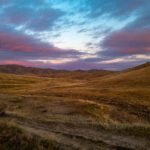
Planning Your Perfect Day Hike

The foundation of successful hiking day trips begins weeks before you step onto the trail. Research potential destinations that match your fitness level, interests, and available time. Consider factors like trail difficulty, elevation gain, distance, and seasonal conditions when making your selection.

Start by identifying your primary objective for the hike. Are you seeking solitude in nature, photographing wildlife, or experiencing cultural sites along the trail? Your goals will influence everything from trail selection to what you pack. Physical preparation matters significantly, especially when planning hikes in high-altitude regions where thinner air demands greater cardiovascular fitness.

Assessing Trail Difficulty and Distance

Trail ratings vary between regions, but understanding difficulty classifications helps prevent overcommitment. Easy trails typically feature minimal elevation change and well-maintained paths. Moderate trails may include steeper sections, rougher terrain, and longer distances. Challenging routes demand excellent fitness, navigation skills, and experience with technical terrain.

Calculate your expected hiking time using Naismith's Rule: one hour for every three miles, plus an additional hour for every 2,000 feet of elevation gain. Add buffer time for breaks, photography, and unexpected delays. Most hiking day trips should keep total time under eight hours to ensure you return before dark.

Trail difficulty assessment

Trail Difficulty Typical Features Fitness Level Required Example Duration
Easy Flat, well-maintained, under 5 miles Beginner-friendly 2-3 hours
Moderate Some elevation, 5-10 miles Regular exercise routine 4-6 hours
Challenging Steep sections, 10+ miles or 2000+ ft gain Experienced hiker 6-8 hours
Strenuous Technical terrain, high altitude, 3000+ ft gain Advanced fitness Full day

Research trail conditions through official park websites, hiking apps, and recent trip reports. Weather patterns change rapidly in mountainous regions, affecting trail accessibility and safety. The National Park Service provides comprehensive hiking safety information that applies to destinations worldwide.

Essential Gear for Day Hiking Success

Packing appropriately for hiking day trips requires balancing preparedness with weight management. The classic "Ten Essentials" system provides a framework for safety without overburdening yourself.

Navigation tools top the essentials list. Carry physical maps and a compass even when using GPS devices or smartphone apps. Electronics fail, batteries die, and satellite signals disappear in canyons and dense forests. Learn basic map reading and compass skills before venturing onto unfamiliar trails.

Sun protection becomes critical at higher elevations where UV radiation intensifies. Pack sunscreen, sunglasses, and a wide-brimmed hat. Those planning hikes across the Tibetan Plateau or similar high-altitude environments should double their sun protection efforts.

Building Your Daypack

Your daypack should accommodate 15-25 liters for most hiking day trips. Organize items for easy access, placing frequently needed items like water, snacks, and sunscreen in outer pockets.

  • Water: Carry at least two liters, more in hot weather or at altitude
  • Food: Pack calorie-dense snacks plus an extra meal for emergencies
  • First aid kit: Include blister treatment, pain relievers, and personal medications
  • Emergency shelter: Lightweight emergency bivy or space blanket
  • Fire starter: Waterproof matches or lighter with dry tinder
  • Repair kit: Duct tape, safety pins, multi-tool
  • Illumination: Headlamp with extra batteries
  • Extra clothing: Insulating layer and rain shell regardless of forecast

Footwear deserves special attention. Well-fitted hiking boots or trail shoes prevent blisters and provide ankle support on uneven terrain. Break in new footwear before attempting longer hikes. Proper safety preparation includes testing all gear before departure.

Safety Protocols and Risk Management

Responsible hiking day trips prioritize safety through preparation and good judgment. Share your detailed itinerary with someone reliable, including trailhead location, planned route, and expected return time. Establish check-in protocols for when you complete your hike.

Weather awareness prevents many hiking emergencies. Check forecasts before departure and monitor conditions throughout your hike. Mountain weather changes rapidly, with afternoon thunderstorms common in many regions during summer months. Start early to complete exposed sections before storms develop.

Wildlife Encounters and Environmental Hazards

Understanding local wildlife behavior keeps both hikers and animals safe. Research which species inhabit your hiking area and learn appropriate response protocols. Bear country requires bear spray and knowledge of proper food storage. Other regions present different challenges, from venomous snakes to territorial birds during nesting season.

Environmental hazards vary by location and season. High-altitude hiking day trips bring risks of altitude sickness, requiring gradual acclimatization. Rocky terrain increases ankle injury risks. River crossings become dangerous during spring snowmelt. The Mount Rainier National Park safety guidelines address many universally applicable hazards.

Recognize when to turn back. Summit fever pushes many hikers beyond safe limits. Establish turnaround times before starting, typically when you've used half your daylight or reached your halfway point time-wise. Adverse weather, injury, or excessive fatigue all justify early returns.

Hiking safety decision-making

Sustainable and Culturally Respectful Hiking

Ecotourism principles transform hiking day trips from simple recreation into conservation-minded experiences. Leave No Trace ethics provide the framework for minimizing environmental impact while maximizing enjoyment.

Pack out everything you pack in, including organic waste like fruit peels and nut shells. These items decompose slowly in many environments and attract wildlife to human presence. Dispose of human waste properly, using designated facilities when available or catholes dug 6-8 inches deep at least 200 feet from water sources.

Respecting Cultural Sites and Local Communities

Many of the world's most spectacular hiking day trips traverse lands with deep cultural significance. When hiking through regions inhabited by Indigenous peoples or near sacred sites, research and observe local customs and restrictions.

Some trails pass through working landscapes where local communities maintain traditional livelihoods. Stay on designated paths to avoid damaging crops or grazing areas. Ask permission before photographing people or private property. Consider how your presence affects daily life for residents.

For those planning Prayers in the Plateau, the journey combines wilderness exploration with authentic cultural immersion across the Tibetan Plateau. This approach to hiking day trips integrates trail adventures with visits to secluded temples and Tibetan villages, creating meaningful connections that benefit local communities through responsible tourism.

Prayers in the Plateau - Elevated Trips

Supporting local economies through responsible spending amplifies the positive impact of your hiking day trips. Purchase supplies from community vendors, hire local guides when exploring unfamiliar regions, and choose tour operators committed to environmental and cultural preservation.

Seasonal Considerations for Year-Round Hiking

Each season offers unique rewards and challenges for hiking day trips. Understanding seasonal variations helps you select optimal timing and prepare appropriately.

Spring hiking brings wildflowers, flowing waterfalls, and moderate temperatures. However, trails at higher elevations remain snow-covered well into summer. River crossings become hazardous with snowmelt. Mud season can damage trails, with many land managers requesting hikers avoid certain areas during peak mud periods.

Summer provides maximum trail accessibility and longest daylight hours. Popular destinations become crowded, requiring early starts to secure parking and find solitude. Heat exhaustion risks increase, demanding more water and electrolyte replacement. Afternoon thunderstorms pose lightning dangers in exposed alpine areas.

Autumn and Winter Hiking Opportunities

Fall delivers spectacular foliage, cooler temperatures, and fewer crowds. Days shorten rapidly as autumn progresses, requiring earlier starts and faster paces to complete hiking day trips before dark. First snows arrive unpredictably in mountain regions, making snowshoes or microspikes necessary additions to your pack.

Winter transforms familiar trails into different experiences entirely. Snow obscures trail markers and increases navigation difficulty. Avalanche danger demands specialized knowledge and equipment in mountainous terrain. Shorter days limit hiking windows. However, winter hiking day trips reward prepared adventurers with solitude, pristine snow-covered landscapes, and unique wildlife viewing opportunities.

Season Benefits Challenges Essential Additions
Spring Wildflowers, waterfalls Snow patches, mud, river crossings Trekking poles, gaiters
Summer Long days, full access Crowds, heat, storms Extra water, sun protection
Autumn Foliage, comfortable temps Shorter days, early snow Headlamp, warm layers
Winter Solitude, snow beauty Cold, avalanche risk, navigation Microspikes, insulation

Maximizing the Hiking Experience

Transforming ordinary hiking day trips into memorable adventures involves mindful engagement with your surroundings. Practice walking meditation by focusing attention on each footstep, breathing rhythm, and sensory input. This mindfulness reduces stress and deepens nature connection.

Photography skills enhance appreciation for natural beauty while creating lasting memories. Learn basic composition principles and how different light conditions affect images. Golden hours around sunrise and sunset provide optimal lighting for landscape photography during hiking day trips.

Building Hiking Communities

Solo hiking offers solitude and self-reflection, but joining hiking groups creates social connections and increases safety. Local hiking clubs organize regular outings accommodating various skill levels. Online platforms connect hikers planning trips to specific destinations. Consider comprehensive travel information when planning adventures to less familiar regions.

Mentoring new hikers multiplies positive impacts by building the next generation of conservation-minded outdoor enthusiasts. Share knowledge generously, model responsible behavior, and encourage others to explore hiking day trips appropriate to their abilities.

Document your experiences through journals, photographs, or blogs. These records help you track personal growth, remember special moments, and provide valuable trip reports for other hikers planning similar adventures.

Hiking community connections

Physical and Mental Health Benefits

Regular hiking day trips deliver profound physical and mental health benefits backed by extensive research. Cardiovascular fitness improves as your heart works harder to pump oxygen-rich blood during extended periods of moderate exertion. Weight-bearing exercise strengthens bones and muscles while burning significant calories.

Mental health benefits often exceed physical advantages. Natural environments reduce stress hormones while increasing endorphin production. Forest bathing, the practice of mindful immersion in forest environments, lowers blood pressure and improves mood. Regular hiking day trips correlate with reduced anxiety and depression symptoms.

Cognitive Enhancement Through Outdoor Activity

Hiking stimulates cognitive function in ways indoor exercise cannot replicate. Navigating natural terrain requires constant decision-making about foot placement, route selection, and environmental assessment. These cognitive demands strengthen neural pathways and may protect against age-related cognitive decline.

Creative problem-solving abilities improve after time in nature. The Great Smoky Mountains National Park hiking safety guidelines emphasize how preparation and awareness during hiking day trips develop transferable skills applicable to daily life challenges.

Disconnect from digital devices during hiking day trips to fully realize mental health benefits. Constant connectivity prevents the mental rest necessary for creative thinking and stress recovery. Nature provides the ideal environment for digital detox while still offering rich sensory stimulation.

Trail Etiquette and Shared Use

Proper trail etiquette ensures positive experiences for all users while protecting natural resources. Right-of-way conventions vary slightly by region, but general principles apply universally to hiking day trips.

Uphill hikers typically have right-of-way over descending hikers, as maintaining uphill momentum requires more effort. However, uphill hikers may choose to step aside for breaks, particularly on steep sections. Communicate clearly with approaching hikers to coordinate passing smoothly.

Faster hikers should announce their presence when approaching from behind rather than startling slower parties. Step to the downhill side when yielding, as it provides more stable footing and safer positions if anyone stumbles.

Multi-Use Trail Considerations

Many trails accommodate hikers, mountain bikers, and equestrians. Hikers should yield to horses, as these large animals spook easily and pose safety risks when frightened. Step off the trail on the downhill side, remain quiet, and follow any instructions from riders.

Mountain bikers technically should yield to hikers, but stepping aside for fast-moving cyclists often proves simpler and safer. Make your presence known on blind corners where cyclists cannot see pedestrians ahead.

Keep noise levels moderate to preserve natural soundscapes for wildlife and other visitors. Georgia State Parks hiking safety tips remind hikers that excessive noise disturbs wildlife and diminishes everyone's experience during hiking day trips.

Control pets when allowed on trails. Many areas prohibit dogs to protect wildlife, prevent trail damage, and accommodate visitors with allergies or fears. Where permitted, keep dogs leashed, pick up waste, and ensure they don't approach other hikers or wildlife.

Advanced Planning for Remote Destinations

Hiking day trips in remote locations like the Tibetan Plateau, Himalayas, or other wilderness areas require additional preparation beyond standard day hikes. Altitude acclimatization becomes essential when hiking above 8,000 feet, with acute mountain sickness affecting many people above 10,000 feet regardless of fitness level.

Spend several days at intermediate elevations before attempting high-altitude hiking day trips. Ascend gradually, following the mountaineering principle of "climb high, sleep low." Recognize symptoms of altitude sickness including headache, nausea, dizziness, and fatigue. Descend immediately if symptoms worsen despite rest and hydration.

International Hiking Considerations

Research permit requirements, restricted areas, and local regulations well before international hiking day trips. Many countries require hiking permits, guide services, or limit visitor numbers in sensitive ecosystems. Processing times for permits can extend weeks or months.

Cultural preparation matches physical preparation in importance. Learn basic phrases in local languages, understand appropriate dress codes, and research cultural norms around photography, religious sites, and interactions with local people. Resources from organizations specializing in sustainable ecotourism experiences provide valuable cultural context for respectful travel.

Verify medical insurance coverage for international destinations and evacuation services. Remote hiking day trips may place you hours from medical facilities, making evacuation insurance a worthwhile investment. Carry documentation of vaccinations, medications, and emergency contacts in multiple formats.

Training and Fitness Preparation

Physical conditioning significantly improves enjoyment and safety during challenging hiking day trips. Begin training programs at least six weeks before ambitious hikes, focusing on cardiovascular endurance, leg strength, and core stability.

Cardiovascular base building forms the foundation of hiking fitness. Walk, run, cycle, or use cardio equipment for 30-60 minutes at moderate intensity five days weekly. Gradually increase duration and intensity over several weeks. Include one longer session weekly that approaches your planned hiking duration.

Strength training prevents injuries and improves hiking efficiency. Focus on exercises targeting quadriceps, hamstrings, glutes, and calves. Squats, lunges, step-ups, and calf raises build hiking-specific strength. Core exercises improve balance and reduce lower back strain during long hiking day trips.

Sport-Specific Training Methods

Simulate actual hiking conditions during training. Wear your loaded daypack during training walks to adapt your body to carrying weight. Find hills or stairs to practice elevation gain. The U.S. Army hiking safety guidelines emphasize gradual progression to prevent overuse injuries.

Practice hiking on varied terrain including rocky paths, sand, and uneven surfaces. This strengthens stabilizing muscles and improves proprioception, reducing ankle injury risks. Balance exercises on wobble boards or single-leg stands enhance trail-specific stability.

Test all gear during training hikes. Break in footwear, adjust pack fit, and ensure clothing layers function properly before committing to ambitious hiking day trips. Training reveals equipment problems while you can still make adjustments or replacements.

Navigation Skills and Technology

Competent navigation separates confident hikers from those who stick to heavily trafficked trails. Master map and compass skills before relying exclusively on GPS devices. Understand how to orient maps to surrounding terrain, identify landmarks, and triangulate your position.

Topographic maps reveal elevation changes, water sources, and terrain features invisible on standard trail maps. Learn to read contour lines to visualize steepness and identify saddles, ridges, and valleys. Calculate distances using map scales and estimate hiking times based on terrain.

Modern GPS devices and smartphone apps provide powerful navigation tools for hiking day trips when used properly. Download offline maps before entering areas without cell service. Carry external battery packs to extend device runtime. However, comprehensive day hiking safety checklists emphasize that electronic navigation should supplement rather than replace traditional skills.

Practice using your navigation tools in familiar areas before depending on them in wilderness settings. Intentionally navigate using only map and compass to build proficiency. Verify GPS accuracy by comparing electronic positions with known landmarks.


Successful hiking day trips combine thorough preparation, physical readiness, environmental awareness, and cultural respect to create transformative outdoor experiences. Whether you're exploring local trails or venturing into remote wilderness, these principles ensure safe, rewarding adventures that minimize environmental impact while maximizing personal growth. Elevated Trips specializes in culturally immersive hiking experiences across the Tibetan Plateau, India, Nepal, and Bhutan, where expert guides facilitate meaningful connections with both spectacular landscapes and local communities. Start planning your next adventure today to discover how thoughtfully designed hiking day trips can expand your horizons while supporting sustainable tourism practices.
Leave a Reply

Your email address will not be published. Required fields are marked *

captcha

Please enter the characters shown in the CAPTCHA to ensure that you are human.