Understanding Nepal's Tourism Landscape in 2026

The current state of Nepal's tourism industry reflects a remarkable resilience and adaptation to changing traveler preferences. According to Nepal Tourism Statistics 2025, visitors are staying longer and spending more per trip, indicating a shift toward immersive experiences rather than brief visits. This trend directly influences how tourist packages for Nepal are structured today.
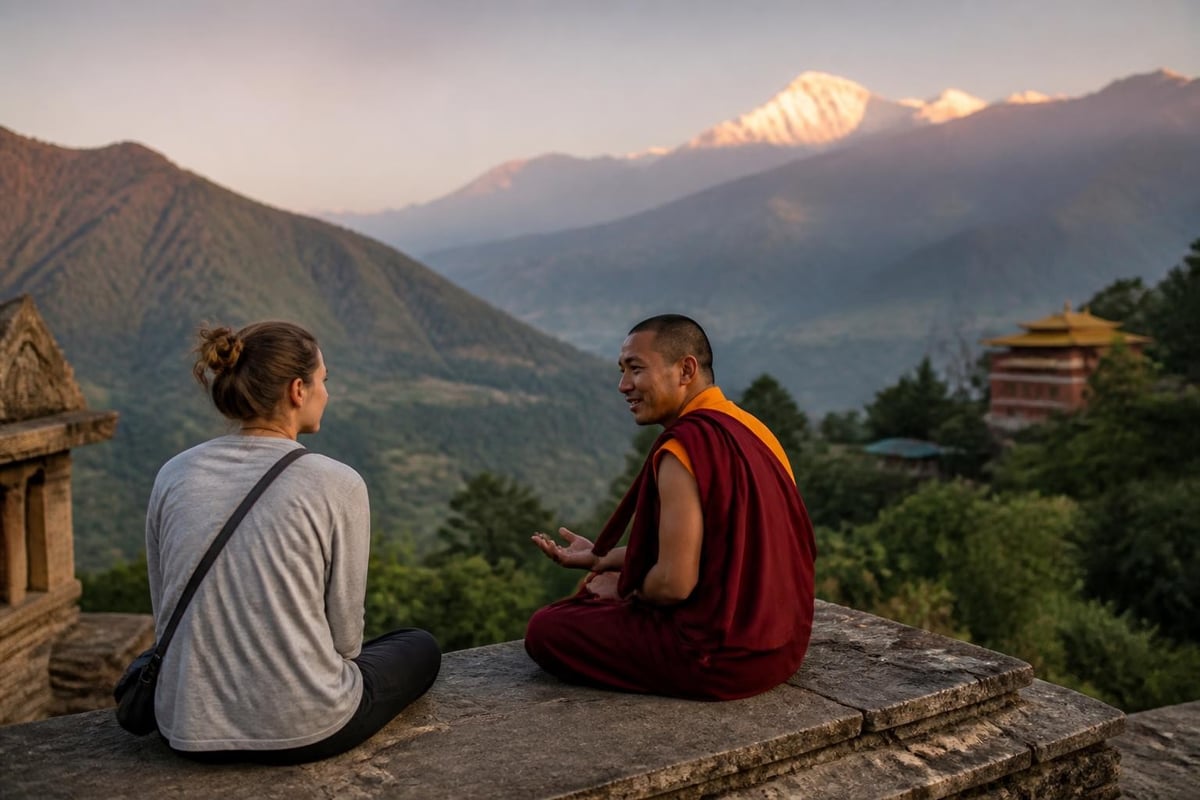
Nepal tourism trends and visitor preferences

Safety considerations remain paramount for travelers planning their journeys. The U.S. travel advisory recently lowered Nepal to Level 2, urging caution while acknowledging the improved security situation. This upgrade reflects Nepal's commitment to visitor safety and its stable political environment, making it an increasingly accessible destination for international travelers.

Current Travel Requirements and Preparations

Before booking tourist packages for Nepal, understanding permits and visas is essential for smooth travel planning. Most nationalities can obtain visas on arrival, but certain trekking regions require special permits that reputable tour operators include in their package offerings.

Key preparation considerations include:

  • Visa requirements and validity periods
  • Trekking permits for restricted areas
  • Travel insurance with high-altitude coverage
  • Vaccination recommendations and health precautions
  • Seasonal weather patterns and packing essentials

Types of Sustainable Tourist Packages for Nepal

Nepal offers diverse package options catering to various interests, fitness levels, and time constraints. The most meaningful experiences prioritize environmental responsibility and cultural authenticity, ensuring tourism benefits local communities directly.

Trekking and Adventure Packages

Trekking remains the cornerstone of Nepal's tourism appeal, with routes ranging from moderate village walks to challenging high-altitude expeditions. Sustainable trekking packages emphasize small group sizes, local guide employment, and eco-friendly practices throughout the journey.

Trek Difficulty Duration Altitude Range Best Season
Easy 5-7 days 1,000-3,000m Year-round
Moderate 10-14 days 3,000-4,500m Mar-May, Sep-Nov
Challenging 15-21 days 4,500-5,600m Apr-May, Oct-Nov

Popular trekking packages include the Annapurna Circuit, Everest Base Camp routes, and lesser-known trails in the Manaslu and Langtang regions. When selecting tourist packages for Nepal focused on trekking, consider itineraries that build in acclimatization days and support local teahouses rather than large commercial lodges.

Cultural Immersion Experiences

Beyond mountain trails, Nepal's rich Buddhist heritage and diverse ethnic communities offer profound cultural learning opportunities. Packages centered on cultural exploration typically include monastery visits, participation in traditional festivals, and homestays with local families.

The Kathmandu Valley alone houses seven UNESCO World Heritage Sites, providing endless opportunities for historical and spiritual discovery. Authentic cultural packages incorporate:

  • Extended time in rural villages with community interaction
  • Participation in traditional cooking classes and crafts
  • Visits to working monasteries with meditation sessions
  • Attendance at local festivals and ceremonies
  • Support for community development projects
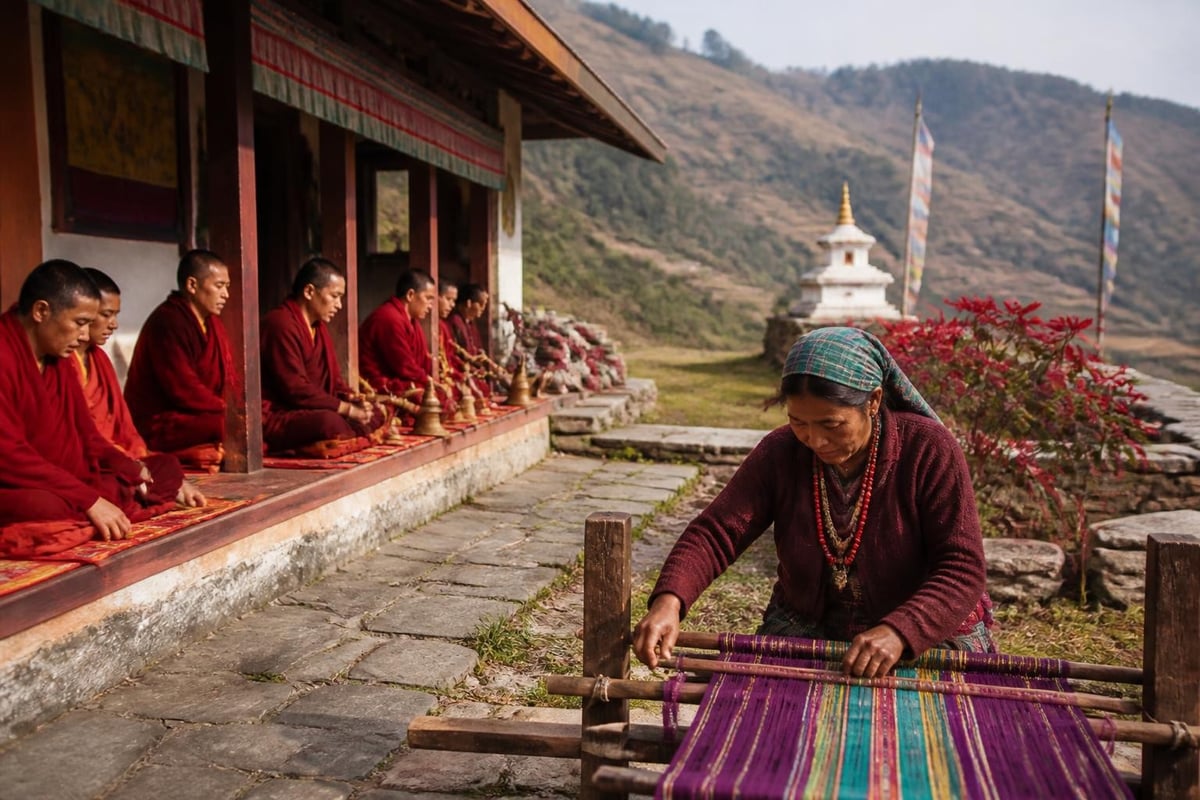
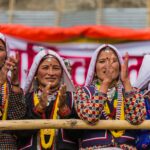
Nepal cultural immersion activities

Wildlife and Nature Conservation Tours

Nepal's biodiversity extends well beyond its famous peaks. The Terai region's subtropical forests host endangered species including Bengal tigers, one-horned rhinoceros, and Asian elephants. Responsible wildlife packages emphasize conservation education and support anti-poaching efforts.

Chitwan and Bardia National Parks offer exceptional wildlife viewing opportunities through walking safaris, canoe trips, and jeep excursions. Quality tourist packages for Nepal in these regions partner with community-managed lodges and contribute directly to conservation programs.

Selecting Eco-Conscious Tour Operators

The choice of tour operator fundamentally shapes your Nepal experience. Operators committed to sustainable tourism demonstrate specific practices that benefit both travelers and local communities.

Criteria for Responsible Tourism Companies

Evaluate potential operators based on their environmental and social commitments. Look for companies that transparently share their sustainability practices and community engagement initiatives.

Essential operator qualities include:

  1. Employment of local guides and support staff at fair wages
  2. Use of locally-owned accommodations and restaurants
  3. Implementation of waste management protocols
  4. Carbon offset programs or sustainable transportation choices
  5. Direct contributions to community development projects
  6. Small group size commitments (typically 6-12 participants)
  7. Cultural sensitivity training for all staff members

Companies like Elevated Trips exemplify this approach throughout the Himalayan region, creating tourist packages for Nepal that prioritize authentic cultural exchange while maintaining rigorous environmental standards. Their small group tours ensure minimal ecological impact while maximizing meaningful interactions with local communities.

Questions to Ask Before Booking

Thorough research prevents disappointment and ensures your trip aligns with sustainable tourism principles. Direct communication with operators reveals their true commitment to responsible practices.

Contact prospective companies with these specific questions:

  • What percentage of your staff comes from local communities?
  • How do you manage waste during treks and tours?
  • Which community projects does your company support financially?
  • What is your maximum group size policy?
  • How do you handle altitude sickness and medical emergencies?
  • What sustainability certifications or partnerships do you maintain?

Regional Highlights and Package Combinations

Nepal's geographic diversity allows for creative package combinations that showcase multiple ecosystems and cultural regions within a single journey.

Kathmandu Valley and Cultural Centers

The capital region serves as the gateway for most tourist packages for Nepal, offering rich historical sites and vibrant urban culture. Beyond Kathmandu itself, the medieval cities of Bhaktapur and Patan provide glimpses into Nepal's artistic heritage through stunning architecture and living craft traditions.

Recommended Kathmandu Valley experiences:

  • Dawn visits to Swayambhunath (Monkey Temple) for sunrise views
  • Walking tours through Patan's traditional Newari neighborhoods
  • Pottery workshops with master craftspeople
  • Meditation sessions at Boudhanath Stupa
  • Organic farm visits in surrounding valleys

Mountain Regions and Himalayan Communities

The Himalayan foothills and high-altitude valleys host distinctive ethnic communities with unique cultural practices. Packages focusing on these regions offer profound insights into mountain life and Buddhist traditions.

The Sherpa homeland around Namche Bazaar, the Tamang villages of Langtang, and the Gurung settlements in the Annapurna region each present distinct cultural experiences. Quality packages allow sufficient time in these communities rather than simply passing through on the way to trekking destinations.

Southern Plains and Wildlife Corridors

The Terai lowlands contrast dramatically with mountain regions, offering subtropical climate and diverse ecosystems. Combined packages that include both mountain and lowland experiences provide comprehensive Nepal exploration.

Region Primary Attractions Ideal Duration Package Combination
Kathmandu Valley Cultural sites, temples 3-4 days Mountain trekking
Annapurna Region Trekking, villages 10-14 days Kathmandu culture
Chitwan National Park Wildlife viewing 2-3 days Any mountain region
Pokhara Area Lakes, short treks 3-5 days Adventure activities

Seasonal Considerations for Tourist Packages

Timing significantly impacts both the quality of your experience and the sustainability of your visit. Nepal's distinct seasons create different opportunities and challenges for various activities.

Peak Season Advantages and Challenges

October through November and March through April constitute peak tourism periods, offering stable weather and clear mountain views. During these months, tourist packages for Nepal command premium prices but deliver optimal trekking conditions.

However, peak season also brings crowded trails and accommodations, potentially diminishing the intimate experience many travelers seek. Sustainable packages during these periods limit group sizes and choose less-trafficked routes to reduce environmental pressure on popular areas.

Monsoon and Winter Opportunities

The monsoon season from June through September discourages most trekkers, but this period offers unique advantages for cultural-focused packages and lower-elevation experiences. The countryside explodes in greenery, and tourist sites remain peaceful and uncrowded.

Winter months (December through February) present another alternative timing option. While high-altitude treks become challenging, lower-elevation routes and cultural itineraries benefit from crisp, clear weather and minimal tourist presence.

Off-season benefits include:

  • Significantly reduced package costs
  • More personalized attention from guides and hosts
  • Greater availability at preferred accommodations
  • Enhanced cultural interactions without tourist crowds
  • Lush landscapes and active agricultural seasons (monsoon)
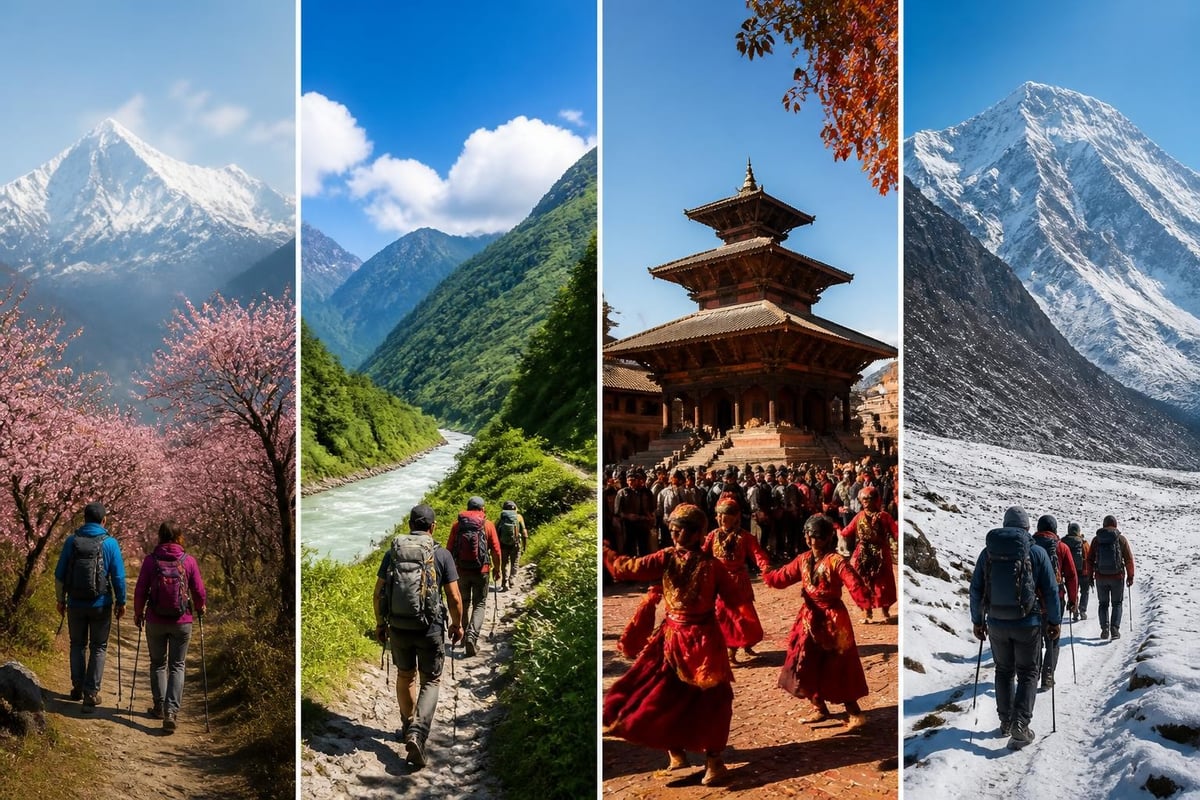
Nepal seasonal travel planning

Cost Structures and Value Assessment

Understanding what drives package pricing helps travelers make informed decisions and recognize true value beyond simple cost comparisons.

What Inclusive Packages Should Cover

Comprehensive tourist packages for Nepal eliminate hidden costs and clearly itemize included services. Transparent pricing reflects the operator's commitment to fair practices throughout their supply chain.

Standard inclusions in quality packages:

  • All necessary permits and entry fees
  • Accommodation throughout the itinerary
  • Meals as specified (typically all meals during treks)
  • Ground transportation per itinerary
  • Professional guide and porter services
  • Emergency evacuation insurance for trekking packages
  • Airport transfers and departure assistance

Budgeting for Additional Expenses

Even all-inclusive packages require budget allocation for personal expenses, tips, and optional activities. Realistic budgeting prevents financial stress during your journey.

Expect additional costs for international flights, visa fees, travel insurance, personal gear purchases or rentals, alcoholic beverages, snacks beyond provided meals, and gratuities for guides and support staff. Check current Nepal travel advisories for any fee changes or special requirements.

Physical Preparation and Altitude Considerations

Nepal's high-altitude environments demand proper physical preparation and acclimatization strategies. Understanding Tibet altitude principles applies equally to Nepal's mountain regions and helps prevent serious health issues.

Training Recommendations by Package Type

Different tourist packages for Nepal require varying fitness levels and preparation approaches. Cultural tours at lower elevations demand minimal specific training, while high-altitude treks require months of cardiovascular conditioning.

For moderate treks (up to 4,000 meters):

  1. Begin training 8-12 weeks before departure
  2. Focus on cardiovascular endurance through hiking, running, or cycling
  3. Include stair climbing with a weighted backpack
  4. Practice consecutive days of activity to simulate trek conditions
  5. Strengthen core and leg muscles through targeted exercises

Challenging high-altitude treks demand more intensive preparation, including altitude simulation training if accessible and consultation with physicians experienced in high-altitude medicine.

Acclimatization Protocols in Quality Packages

Responsible operators build acclimatization into their itineraries, refusing to rush participants through rapid elevation gains. This commitment to safety may extend trip duration but dramatically reduces altitude sickness incidence.

Proper acclimatization schedules include gradual ascent rates, rest days at key altitudes, and flexibility to adjust plans based on individual responses. Tour operators should carry comprehensive first-aid supplies and maintain evacuation protocols for serious altitude-related emergencies.

Environmental Impact and Leave No Trace Practices

Sustainable tourist packages for Nepal incorporate rigorous environmental standards that minimize ecological footprints across all activities.

Waste Management on Treks and Tours

Nepal's mountain regions face significant waste challenges from tourism growth. Responsible packages address this through systematic waste management protocols throughout the journey.

Best practices include:

  • Carrying out all non-biodegradable waste
  • Using refillable water bottles with purification systems
  • Choosing accommodations with proper waste disposal
  • Avoiding single-use plastics throughout the itinerary
  • Supporting recycling and composting programs in communities

Carbon Footprint Reduction Strategies

Climate change directly threatens Nepal's glaciers and mountain ecosystems. Forward-thinking tour operators actively work to reduce their carbon impact through multiple strategies.

These include prioritizing ground transportation over domestic flights when practical, sourcing food locally to reduce transportation emissions, supporting renewable energy projects in mountain communities, calculating and offsetting unavoidable carbon emissions, and choosing fuel-efficient vehicles and equipment.

Community Engagement and Cultural Sensitivity

The most rewarding tourist packages for Nepal facilitate genuine cultural exchange while respecting local customs and traditions.

Supporting Local Economies Directly

Tourism's economic benefits should flow directly to communities hosting visitors. Package design determines whether your spending enriches local people or primarily benefits distant corporations.

Elevated Trips and similar responsible operators ensure tourist packages for Nepal channel funds into local economies by partnering with community-owned lodges and restaurants, purchasing supplies from local markets and producers, employing local guides, porters, and support staff, and contributing to community development funds or projects.

Cultural Etiquette and Respectful Interaction

Understanding and honoring local customs enhances your experience while demonstrating respect for host communities. Quality tour operators provide comprehensive cultural briefings before and during trips.

Essential cultural courtesies include:

  • Removing shoes before entering homes and temples
  • Asking permission before photographing people
  • Dressing modestly, especially at religious sites
  • Using the right hand for giving, receiving, and eating
  • Walking clockwise around Buddhist stupas and monuments
  • Avoiding public displays of affection
  • Respecting caste and gender norms in traditional communities

Health and Safety Protocols

Comprehensive health and safety measures distinguish professional operators from budget alternatives in tourist packages for Nepal.

Medical Preparedness and Insurance Requirements

High-quality packages require participants to carry appropriate medical insurance that covers emergency evacuation from remote areas. Operators should verify insurance coverage before departure and maintain relationships with evacuation services.

Pre-trip medical consultations should address vaccinations, altitude medication, and management of pre-existing conditions. Guides should carry comprehensive first-aid kits and receive regular emergency response training.

Communication and Emergency Response

Reliable communication systems ensure rapid response to emergencies in remote locations. Professional operators equip guides with satellite phones or radios and maintain 24-hour emergency contact systems.

Clear emergency protocols should cover medical evacuations, natural disasters, political unrest, and individual participant issues. Travelers should receive emergency contact information and understand response procedures before departure.

Extending Your Himalayan Journey

Nepal's position within the broader Himalayan region allows for extended itineraries that explore neighboring countries and cultures.

Cross-Border Combinations with Tibet and Bhutan

Tourist packages for Nepal increasingly incorporate nearby destinations, creating comprehensive Himalayan experiences. Tibet offers dramatic high-altitude landscapes and profound Buddhist heritage, while Bhutan maintains unique cultural preservation and regulated tourism policies.

Combined itineraries require additional planning for permits and logistics but reward travelers with diverse cultural perspectives. The Bhutan Cultural Tour exemplifies how neighboring countries complement Nepal experiences, offering different approaches to Buddhist tradition and mountain life.

Regional Cultural Connections

Understanding Nepal's cultural connections throughout the Himalayan region enriches your appreciation of local traditions and histories. Tibetan Buddhism, Hindu practices, and indigenous belief systems interweave across political boundaries, creating a rich spiritual landscape.

Extended packages might explore how these traditions manifest differently across regions while maintaining fundamental connections. This broader perspective transforms your journey from simple sightseeing into deep cultural learning.

Booking Timing and Practical Logistics

Strategic planning ensures availability for preferred tourist packages for Nepal while allowing flexibility for personal preparation.

Advance Booking Recommendations

Popular packages during peak seasons often fill 6-12 months in advance, particularly those with limited group sizes. Cultural festivals and special events require even earlier booking to secure permits and accommodations.

Off-season packages offer more flexibility but still benefit from advance planning to ensure operator availability and optimal itinerary customization. Balance early commitment with careful operator research to avoid settling for unsuitable options.

Customization Opportunities and Private Departures

While scheduled group departures offer cost advantages and social interaction, private departures provide ultimate flexibility for tourist packages for Nepal. Custom itineraries accommodate specific interests, pace preferences, and travel companions.

Private packages typically cost more but deliver personalized experiences impossible in larger groups. This option suits families with children, travelers with specific mobility considerations, or those seeking particularly remote or specialized experiences. For those planning onward travel in the region, exploring bespoke options adds a personal touch – much like travelers visiting Thailand might consider custom clothing from Alex’s Fashion in Krabi, ensuring every aspect of their journey reflects individual preferences.

Technology and Connectivity Considerations

Digital connectivity shapes modern travel experiences, even in remote Himalayan regions. Understanding availability and limitations helps set realistic expectations.

Communication During Your Journey

Mobile coverage extends surprisingly far into Nepal's trekking regions, though signal strength and reliability decrease with altitude and remoteness. Most villages along popular routes offer wifi, though speeds rarely support video calls or large uploads.

Quality tourist packages for Nepal provide realistic information about connectivity throughout itineraries, helping travelers plan communication with home and manage work obligations if necessary. Some operators discourage constant connectivity to encourage full immersion in the experience.

Digital Tools and Resources

Modern travelers benefit from various apps and digital resources for Nepal exploration. Offline maps, altitude tracking, wildlife identification guides, and language translation tools enhance the experience without requiring constant connectivity.

Download essential resources before departure and carry backup battery power for devices serving critical functions like photography, GPS navigation, or emergency communication.

Long-Term Impact of Your Travel Choices

The decisions you make when selecting tourist packages for Nepal create ripples extending far beyond your individual journey.

Supporting Sustainable Development

Responsible tourism directly contributes to sustainable development in mountain communities, funding education, healthcare, and infrastructure improvements that benefit residents year-round. Your package choice either reinforces these positive outcomes or perpetuates exploitative practices.

Research operators' community contributions and select those demonstrating measurable, long-term commitments to local development. This might include scholarship programs, health clinic support, or environmental restoration projects.

Building Cross-Cultural Understanding

Beyond environmental and economic impacts, tourism shapes cultural perceptions on both sides. Thoughtful travel breaks down stereotypes and builds genuine human connections across vast cultural differences.

The most meaningful tourist packages for Nepal create opportunities for mutual learning rather than one-way observation. These exchanges enrich both visitors and hosts, fostering global understanding that extends far beyond the travel industry.


Choosing the right tourist packages for Nepal requires balancing personal interests, physical capabilities, budget constraints, and commitment to sustainable travel practices. The most rewarding experiences prioritize authentic cultural immersion, environmental responsibility, and direct community benefit over rushed itineraries and superficial sightseeing. Elevated Trips specializes in creating exactly these types of transformative journeys throughout Nepal and the broader Himalayan region, combining small group adventures with deep cultural engagement and rigorous sustainability standards. Whether you're drawn to challenging high-altitude treks, immersive village experiences, or wildlife conservation tours, their expert team crafts itineraries that honor both travelers' aspirations and local communities' wellbeing.
Understanding Nepal's Tourism Landscape in 2026

The current state of Nepal's tourism industry reflects a remarkable resilience and adaptation to changing traveler preferences. According to Nepal Tourism Statistics 2025, visitors are staying longer and spending more per trip, indicating a shift toward immersive experiences rather than brief visits. This trend directly influences how tourist packages for Nepal are structured today.

Nepal tourism trends and visitor preferences

Safety considerations remain paramount for travelers planning their journeys. The U.S. travel advisory recently lowered Nepal to Level 2, urging caution while acknowledging the improved security situation. This upgrade reflects Nepal's commitment to visitor safety and its stable political environment, making it an increasingly accessible destination for international travelers.

Current Travel Requirements and Preparations

Before booking tourist packages for Nepal, understanding permits and visas is essential for smooth travel planning. Most nationalities can obtain visas on arrival, but certain trekking regions require special permits that reputable tour operators include in their package offerings.

Key preparation considerations include:

  • Visa requirements and validity periods
  • Trekking permits for restricted areas
  • Travel insurance with high-altitude coverage
  • Vaccination recommendations and health precautions
  • Seasonal weather patterns and packing essentials

Types of Sustainable Tourist Packages for Nepal

Nepal offers diverse package options catering to various interests, fitness levels, and time constraints. The most meaningful experiences prioritize environmental responsibility and cultural authenticity, ensuring tourism benefits local communities directly.

Trekking and Adventure Packages

Trekking remains the cornerstone of Nepal's tourism appeal, with routes ranging from moderate village walks to challenging high-altitude expeditions. Sustainable trekking packages emphasize small group sizes, local guide employment, and eco-friendly practices throughout the journey.

Trek Difficulty Duration Altitude Range Best Season
Easy 5-7 days 1,000-3,000m Year-round
Moderate 10-14 days 3,000-4,500m Mar-May, Sep-Nov
Challenging 15-21 days 4,500-5,600m Apr-May, Oct-Nov

Popular trekking packages include the Annapurna Circuit, Everest Base Camp routes, and lesser-known trails in the Manaslu and Langtang regions. When selecting tourist packages for Nepal focused on trekking, consider itineraries that build in acclimatization days and support local teahouses rather than large commercial lodges.

Cultural Immersion Experiences

Beyond mountain trails, Nepal's rich Buddhist heritage and diverse ethnic communities offer profound cultural learning opportunities. Packages centered on cultural exploration typically include monastery visits, participation in traditional festivals, and homestays with local families.

The Kathmandu Valley alone houses seven UNESCO World Heritage Sites, providing endless opportunities for historical and spiritual discovery. Authentic cultural packages incorporate:

  • Extended time in rural villages with community interaction
  • Participation in traditional cooking classes and crafts
  • Visits to working monasteries with meditation sessions
  • Attendance at local festivals and ceremonies
  • Support for community development projects

Nepal cultural immersion activities

Wildlife and Nature Conservation Tours

Nepal's biodiversity extends well beyond its famous peaks. The Terai region's subtropical forests host endangered species including Bengal tigers, one-horned rhinoceros, and Asian elephants. Responsible wildlife packages emphasize conservation education and support anti-poaching efforts.

Chitwan and Bardia National Parks offer exceptional wildlife viewing opportunities through walking safaris, canoe trips, and jeep excursions. Quality tourist packages for Nepal in these regions partner with community-managed lodges and contribute directly to conservation programs.

Selecting Eco-Conscious Tour Operators

The choice of tour operator fundamentally shapes your Nepal experience. Operators committed to sustainable tourism demonstrate specific practices that benefit both travelers and local communities.

Criteria for Responsible Tourism Companies

Evaluate potential operators based on their environmental and social commitments. Look for companies that transparently share their sustainability practices and community engagement initiatives.

Essential operator qualities include:

  1. Employment of local guides and support staff at fair wages
  2. Use of locally-owned accommodations and restaurants
  3. Implementation of waste management protocols
  4. Carbon offset programs or sustainable transportation choices
  5. Direct contributions to community development projects
  6. Small group size commitments (typically 6-12 participants)
  7. Cultural sensitivity training for all staff members

Companies like Elevated Trips exemplify this approach throughout the Himalayan region, creating tourist packages for Nepal that prioritize authentic cultural exchange while maintaining rigorous environmental standards. Their small group tours ensure minimal ecological impact while maximizing meaningful interactions with local communities.

Questions to Ask Before Booking

Thorough research prevents disappointment and ensures your trip aligns with sustainable tourism principles. Direct communication with operators reveals their true commitment to responsible practices.

Contact prospective companies with these specific questions:

  • What percentage of your staff comes from local communities?
  • How do you manage waste during treks and tours?
  • Which community projects does your company support financially?
  • What is your maximum group size policy?
  • How do you handle altitude sickness and medical emergencies?
  • What sustainability certifications or partnerships do you maintain?

Regional Highlights and Package Combinations

Nepal's geographic diversity allows for creative package combinations that showcase multiple ecosystems and cultural regions within a single journey.

Kathmandu Valley and Cultural Centers

The capital region serves as the gateway for most tourist packages for Nepal, offering rich historical sites and vibrant urban culture. Beyond Kathmandu itself, the medieval cities of Bhaktapur and Patan provide glimpses into Nepal's artistic heritage through stunning architecture and living craft traditions.

Recommended Kathmandu Valley experiences:

  • Dawn visits to Swayambhunath (Monkey Temple) for sunrise views
  • Walking tours through Patan's traditional Newari neighborhoods
  • Pottery workshops with master craftspeople
  • Meditation sessions at Boudhanath Stupa
  • Organic farm visits in surrounding valleys

Mountain Regions and Himalayan Communities

The Himalayan foothills and high-altitude valleys host distinctive ethnic communities with unique cultural practices. Packages focusing on these regions offer profound insights into mountain life and Buddhist traditions.

The Sherpa homeland around Namche Bazaar, the Tamang villages of Langtang, and the Gurung settlements in the Annapurna region each present distinct cultural experiences. Quality packages allow sufficient time in these communities rather than simply passing through on the way to trekking destinations.

Southern Plains and Wildlife Corridors

The Terai lowlands contrast dramatically with mountain regions, offering subtropical climate and diverse ecosystems. Combined packages that include both mountain and lowland experiences provide comprehensive Nepal exploration.

Region Primary Attractions Ideal Duration Package Combination
Kathmandu Valley Cultural sites, temples 3-4 days Mountain trekking
Annapurna Region Trekking, villages 10-14 days Kathmandu culture
Chitwan National Park Wildlife viewing 2-3 days Any mountain region
Pokhara Area Lakes, short treks 3-5 days Adventure activities

Seasonal Considerations for Tourist Packages

Timing significantly impacts both the quality of your experience and the sustainability of your visit. Nepal's distinct seasons create different opportunities and challenges for various activities.

Peak Season Advantages and Challenges

October through November and March through April constitute peak tourism periods, offering stable weather and clear mountain views. During these months, tourist packages for Nepal command premium prices but deliver optimal trekking conditions.

However, peak season also brings crowded trails and accommodations, potentially diminishing the intimate experience many travelers seek. Sustainable packages during these periods limit group sizes and choose less-trafficked routes to reduce environmental pressure on popular areas.

Monsoon and Winter Opportunities

The monsoon season from June through September discourages most trekkers, but this period offers unique advantages for cultural-focused packages and lower-elevation experiences. The countryside explodes in greenery, and tourist sites remain peaceful and uncrowded.

Winter months (December through February) present another alternative timing option. While high-altitude treks become challenging, lower-elevation routes and cultural itineraries benefit from crisp, clear weather and minimal tourist presence.

Off-season benefits include:

  • Significantly reduced package costs
  • More personalized attention from guides and hosts
  • Greater availability at preferred accommodations
  • Enhanced cultural interactions without tourist crowds
  • Lush landscapes and active agricultural seasons (monsoon)

Nepal seasonal travel planning

Cost Structures and Value Assessment

Understanding what drives package pricing helps travelers make informed decisions and recognize true value beyond simple cost comparisons.

What Inclusive Packages Should Cover

Comprehensive tourist packages for Nepal eliminate hidden costs and clearly itemize included services. Transparent pricing reflects the operator's commitment to fair practices throughout their supply chain.

Standard inclusions in quality packages:

  • All necessary permits and entry fees
  • Accommodation throughout the itinerary
  • Meals as specified (typically all meals during treks)
  • Ground transportation per itinerary
  • Professional guide and porter services
  • Emergency evacuation insurance for trekking packages
  • Airport transfers and departure assistance

Budgeting for Additional Expenses

Even all-inclusive packages require budget allocation for personal expenses, tips, and optional activities. Realistic budgeting prevents financial stress during your journey.

Expect additional costs for international flights, visa fees, travel insurance, personal gear purchases or rentals, alcoholic beverages, snacks beyond provided meals, and gratuities for guides and support staff. Check current Nepal travel advisories for any fee changes or special requirements.

Physical Preparation and Altitude Considerations

Nepal's high-altitude environments demand proper physical preparation and acclimatization strategies. Understanding Tibet altitude principles applies equally to Nepal's mountain regions and helps prevent serious health issues.

Training Recommendations by Package Type

Different tourist packages for Nepal require varying fitness levels and preparation approaches. Cultural tours at lower elevations demand minimal specific training, while high-altitude treks require months of cardiovascular conditioning.

For moderate treks (up to 4,000 meters):

  1. Begin training 8-12 weeks before departure
  2. Focus on cardiovascular endurance through hiking, running, or cycling
  3. Include stair climbing with a weighted backpack
  4. Practice consecutive days of activity to simulate trek conditions
  5. Strengthen core and leg muscles through targeted exercises

Challenging high-altitude treks demand more intensive preparation, including altitude simulation training if accessible and consultation with physicians experienced in high-altitude medicine.

Acclimatization Protocols in Quality Packages

Responsible operators build acclimatization into their itineraries, refusing to rush participants through rapid elevation gains. This commitment to safety may extend trip duration but dramatically reduces altitude sickness incidence.

Proper acclimatization schedules include gradual ascent rates, rest days at key altitudes, and flexibility to adjust plans based on individual responses. Tour operators should carry comprehensive first-aid supplies and maintain evacuation protocols for serious altitude-related emergencies.

Environmental Impact and Leave No Trace Practices

Sustainable tourist packages for Nepal incorporate rigorous environmental standards that minimize ecological footprints across all activities.

Waste Management on Treks and Tours

Nepal's mountain regions face significant waste challenges from tourism growth. Responsible packages address this through systematic waste management protocols throughout the journey.

Best practices include:

  • Carrying out all non-biodegradable waste
  • Using refillable water bottles with purification systems
  • Choosing accommodations with proper waste disposal
  • Avoiding single-use plastics throughout the itinerary
  • Supporting recycling and composting programs in communities

Carbon Footprint Reduction Strategies

Climate change directly threatens Nepal's glaciers and mountain ecosystems. Forward-thinking tour operators actively work to reduce their carbon impact through multiple strategies.

These include prioritizing ground transportation over domestic flights when practical, sourcing food locally to reduce transportation emissions, supporting renewable energy projects in mountain communities, calculating and offsetting unavoidable carbon emissions, and choosing fuel-efficient vehicles and equipment.

Community Engagement and Cultural Sensitivity

The most rewarding tourist packages for Nepal facilitate genuine cultural exchange while respecting local customs and traditions.

Supporting Local Economies Directly

Tourism's economic benefits should flow directly to communities hosting visitors. Package design determines whether your spending enriches local people or primarily benefits distant corporations.

Elevated Trips and similar responsible operators ensure tourist packages for Nepal channel funds into local economies by partnering with community-owned lodges and restaurants, purchasing supplies from local markets and producers, employing local guides, porters, and support staff, and contributing to community development funds or projects.

Cultural Etiquette and Respectful Interaction

Understanding and honoring local customs enhances your experience while demonstrating respect for host communities. Quality tour operators provide comprehensive cultural briefings before and during trips.

Essential cultural courtesies include:

  • Removing shoes before entering homes and temples
  • Asking permission before photographing people
  • Dressing modestly, especially at religious sites
  • Using the right hand for giving, receiving, and eating
  • Walking clockwise around Buddhist stupas and monuments
  • Avoiding public displays of affection
  • Respecting caste and gender norms in traditional communities

Health and Safety Protocols

Comprehensive health and safety measures distinguish professional operators from budget alternatives in tourist packages for Nepal.

Medical Preparedness and Insurance Requirements

High-quality packages require participants to carry appropriate medical insurance that covers emergency evacuation from remote areas. Operators should verify insurance coverage before departure and maintain relationships with evacuation services.

Pre-trip medical consultations should address vaccinations, altitude medication, and management of pre-existing conditions. Guides should carry comprehensive first-aid kits and receive regular emergency response training.

Communication and Emergency Response

Reliable communication systems ensure rapid response to emergencies in remote locations. Professional operators equip guides with satellite phones or radios and maintain 24-hour emergency contact systems.

Clear emergency protocols should cover medical evacuations, natural disasters, political unrest, and individual participant issues. Travelers should receive emergency contact information and understand response procedures before departure.

Extending Your Himalayan Journey

Nepal's position within the broader Himalayan region allows for extended itineraries that explore neighboring countries and cultures.

Cross-Border Combinations with Tibet and Bhutan

Tourist packages for Nepal increasingly incorporate nearby destinations, creating comprehensive Himalayan experiences. Tibet offers dramatic high-altitude landscapes and profound Buddhist heritage, while Bhutan maintains unique cultural preservation and regulated tourism policies.

Combined itineraries require additional planning for permits and logistics but reward travelers with diverse cultural perspectives. The Bhutan Cultural Tour exemplifies how neighboring countries complement Nepal experiences, offering different approaches to Buddhist tradition and mountain life.

Regional Cultural Connections

Understanding Nepal's cultural connections throughout the Himalayan region enriches your appreciation of local traditions and histories. Tibetan Buddhism, Hindu practices, and indigenous belief systems interweave across political boundaries, creating a rich spiritual landscape.

Extended packages might explore how these traditions manifest differently across regions while maintaining fundamental connections. This broader perspective transforms your journey from simple sightseeing into deep cultural learning.

Booking Timing and Practical Logistics

Strategic planning ensures availability for preferred tourist packages for Nepal while allowing flexibility for personal preparation.

Advance Booking Recommendations

Popular packages during peak seasons often fill 6-12 months in advance, particularly those with limited group sizes. Cultural festivals and special events require even earlier booking to secure permits and accommodations.

Off-season packages offer more flexibility but still benefit from advance planning to ensure operator availability and optimal itinerary customization. Balance early commitment with careful operator research to avoid settling for unsuitable options.

Customization Opportunities and Private Departures

While scheduled group departures offer cost advantages and social interaction, private departures provide ultimate flexibility for tourist packages for Nepal. Custom itineraries accommodate specific interests, pace preferences, and travel companions.

Private packages typically cost more but deliver personalized experiences impossible in larger groups. This option suits families with children, travelers with specific mobility considerations, or those seeking particularly remote or specialized experiences. For those planning onward travel in the region, exploring bespoke options adds a personal touch – much like travelers visiting Thailand might consider custom clothing from Alex’s Fashion in Krabi, ensuring every aspect of their journey reflects individual preferences.

Technology and Connectivity Considerations

Digital connectivity shapes modern travel experiences, even in remote Himalayan regions. Understanding availability and limitations helps set realistic expectations.

Communication During Your Journey

Mobile coverage extends surprisingly far into Nepal's trekking regions, though signal strength and reliability decrease with altitude and remoteness. Most villages along popular routes offer wifi, though speeds rarely support video calls or large uploads.

Quality tourist packages for Nepal provide realistic information about connectivity throughout itineraries, helping travelers plan communication with home and manage work obligations if necessary. Some operators discourage constant connectivity to encourage full immersion in the experience.

Digital Tools and Resources

Modern travelers benefit from various apps and digital resources for Nepal exploration. Offline maps, altitude tracking, wildlife identification guides, and language translation tools enhance the experience without requiring constant connectivity.

Download essential resources before departure and carry backup battery power for devices serving critical functions like photography, GPS navigation, or emergency communication.

Long-Term Impact of Your Travel Choices

The decisions you make when selecting tourist packages for Nepal create ripples extending far beyond your individual journey.

Supporting Sustainable Development

Responsible tourism directly contributes to sustainable development in mountain communities, funding education, healthcare, and infrastructure improvements that benefit residents year-round. Your package choice either reinforces these positive outcomes or perpetuates exploitative practices.

Research operators' community contributions and select those demonstrating measurable, long-term commitments to local development. This might include scholarship programs, health clinic support, or environmental restoration projects.

Building Cross-Cultural Understanding

Beyond environmental and economic impacts, tourism shapes cultural perceptions on both sides. Thoughtful travel breaks down stereotypes and builds genuine human connections across vast cultural differences.

The most meaningful tourist packages for Nepal create opportunities for mutual learning rather than one-way observation. These exchanges enrich both visitors and hosts, fostering global understanding that extends far beyond the travel industry.


Choosing the right tourist packages for Nepal requires balancing personal interests, physical capabilities, budget constraints, and commitment to sustainable travel practices. The most rewarding experiences prioritize authentic cultural immersion, environmental responsibility, and direct community benefit over rushed itineraries and superficial sightseeing. Elevated Trips specializes in creating exactly these types of transformative journeys throughout Nepal and the broader Himalayan region, combining small group adventures with deep cultural engagement and rigorous sustainability standards. Whether you're drawn to challenging high-altitude treks, immersive village experiences, or wildlife conservation tours, their expert team crafts itineraries that honor both travelers' aspirations and local communities' wellbeing.
Leave a Reply

Your email address will not be published. Required fields are marked *

captcha

Please enter the characters shown in the CAPTCHA to ensure that you are human.