Understanding Nepal's Trekking Regions
The Himalayan nation divides into several distinct trekking regions, each offering unique landscapes and cultural encounters. The most popular areas include the Everest, Annapurna, Langtang, and Manaslu regions, though numerous lesser-traveled destinations provide equally rewarding experiences.
The Everest Region
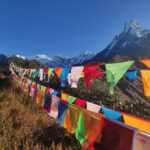
The Khumbu region hosts the world's most famous trekking routes, leading adventurers through Sherpa villages toward the base of Mount Everest. Trails here range from the classic Everest Base Camp trek to more challenging routes like the Three Passes circuit. Trekkers encounter Buddhist monasteries, prayer flags fluttering in mountain winds, and panoramic views of peaks exceeding 8,000 meters.
The region's popularity means well-developed infrastructure, with teahouses providing accommodation and meals along most routes. However, this accessibility also brings crowds during peak seasons. When planning tour trekking Nepal in the Everest region, consider shoulder seasons for a balance between weather reliability and fewer fellow trekkers.
Annapurna Conservation Area
The Annapurna region offers incredible diversity, from subtropical valleys to arid high-altitude deserts. The Annapurna Circuit traditionally circumnavigates the entire massif, while shorter options like the Annapurna Base Camp trek or Poon Hill provide accessible multi-day adventures.
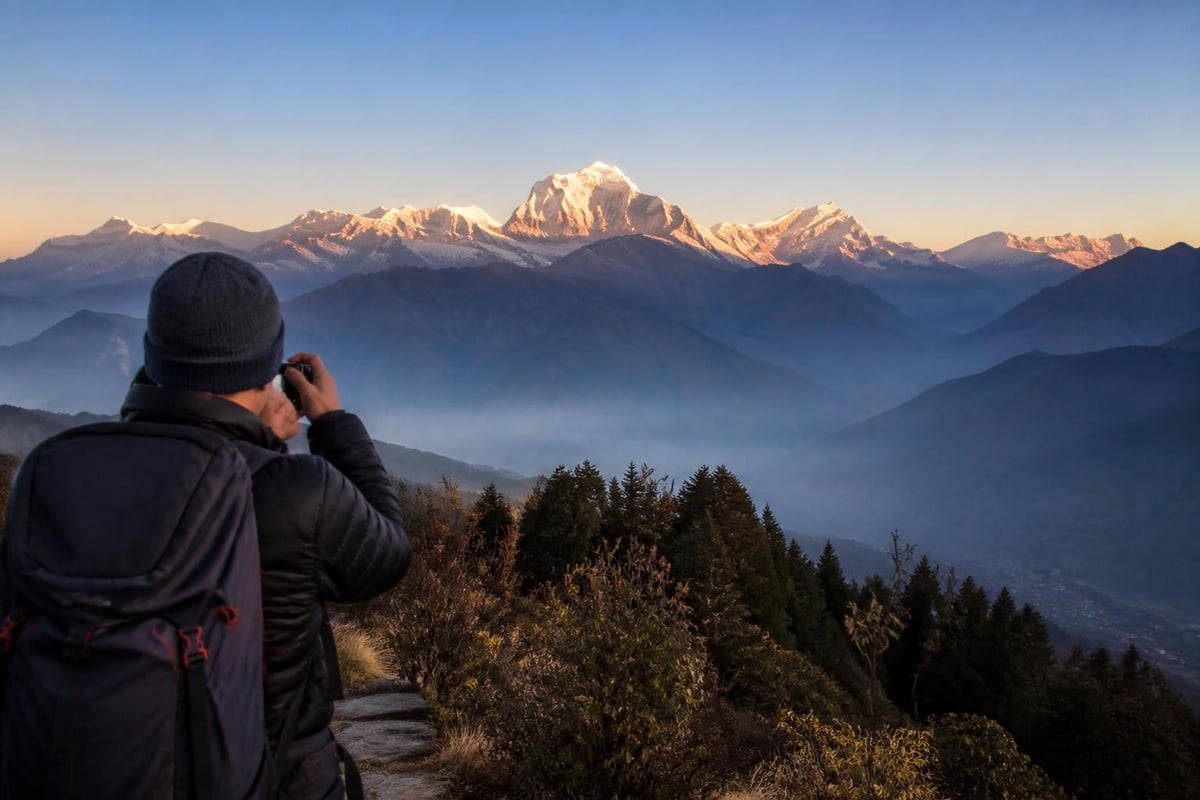
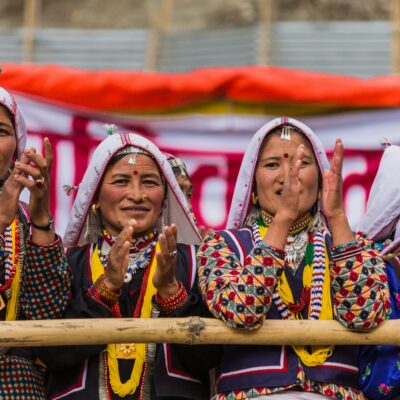
This conservation area showcases remarkable ethnic diversity, with Gurung, Thakali, and Tibetan communities maintaining distinct cultural traditions. Trekkers pass through terraced rice fields, rhododendron forests, and alpine meadows, with accommodation options ranging from basic lodges to comfortable guesthouses.
Lesser-Known Destinations
Beyond the famous circuits, regions like Manaslu, Makalu, Kanchenjunga, and Dolpo reward adventurous trekkers with authentic experiences and pristine environments. These areas require more planning, often involving camping and specialized permits, but offer solitude impossible to find on crowded trails.
The Mardi Himal trek, a relatively recent addition to Nepal's trekking portfolio, exemplifies how new routes continue emerging. This moderately challenging trail provides stunning mountain views without the crowds of more established paths.
Essential Permits and Regulations
All foreign trekkers must obtain appropriate permits before embarking on Nepal treks. The Trekkers’ Information Management System (TIMS) serves as the primary registration system, tracking trekker movements for safety purposes.
Required Documentation
| Permit Type | Required For | Cost (2026) | Validity |
|---|---|---|---|
| TIMS Card | Most trekking areas | $20 USD (individual) | Per trek |
| National Park Entry | Protected areas (Everest, Annapurna, etc.) | $30-50 USD | Duration of stay |
| Restricted Area Permit | Manaslu, Upper Mustang, Dolpo | $70-500 USD | Specific duration |
| Conservation Area Fee | ACAP, Manaslu CAP | $30 USD | Single entry |
Obtaining permits through registered trekking agencies streamlines the process and ensures compliance with current regulations. The Trekking Agencies' Association of Nepal provides updated information on permit requirements and procedural changes.
Guide and Porter Requirements
As of 2026, regulations around mandatory guides continue evolving. While some restricted areas require registered guides, many popular routes remain accessible for independent trekkers with proper permits. However, hiring local guides benefits both trekkers and communities through enhanced safety, cultural interpretation, and economic support.
Porter services allow trekkers to carry minimal weight while providing valuable employment. Responsible agencies ensure porters receive adequate equipment, fair wages, and appropriate insurance coverage.
Seasonal Considerations for Tour Trekking Nepal
Nepal's climate dramatically influences trekking conditions, with distinct seasons offering different advantages. The monsoon pattern dominates weather cycles, creating clearly defined trekking windows.
Spring Season (March-May)
Spring ranks as a premier time for tour trekking Nepal, offering stable weather and blooming rhododendron forests. Temperatures gradually warm, making high-altitude passes more accessible. However, afternoon clouds can obscure mountain views, and popular trails become crowded.
Spring advantages:
- Warmer temperatures at altitude
- Rhododendron blooms (particularly mid-March to April)
- Generally stable weather patterns
- Vibrant valley landscapes
Autumn Season (September-November)
Most trekkers consider autumn optimal for Himalayan adventures. Post-monsoon clarity delivers spectacular mountain vistas, while comfortable temperatures make hiking pleasant. This popularity means maximum crowds on popular routes and higher accommodation prices.
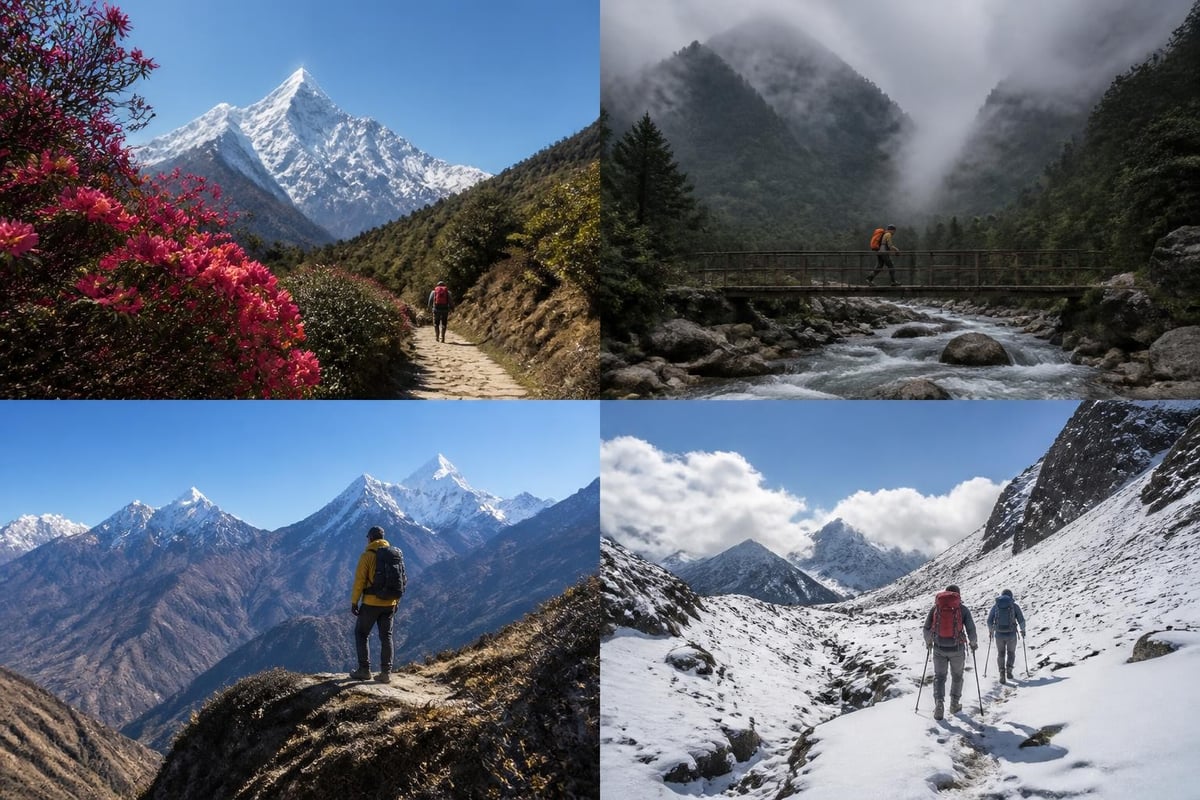
The weather remains remarkably stable through October, though nights grow colder as November progresses. Booking teahouses in advance becomes essential on popular routes during peak autumn weeks.
Monsoon and Winter Options
Summer monsoons (June-August) bring heavy rainfall to most regions, though rain-shadow areas like Upper Mustang and Dolpo remain accessible. Winter trekking (December-February) suits lower-elevation routes, with Everest region treks possible for experienced, well-equipped parties.
Physical Preparation and Fitness
Successful tour trekking Nepal requires appropriate physical conditioning matched to your chosen route's demands. While some treks suit moderately fit beginners, others demand excellent cardiovascular fitness and previous high-altitude experience.
Training Recommendations
Begin preparation at least three months before departure, focusing on cardiovascular endurance and leg strength. Hiking with a weighted pack builds relevant fitness, while stair climbing or step machine workouts strengthen muscles used in continuous ascent and descent.
Key training elements:
- Cardiovascular base building (4-5 sessions weekly)
- Weighted pack hikes (gradually increasing duration)
- Core strengthening exercises
- Flexibility and balance work
- Practice hikes at available elevations
Altitude Acclimatization
High-altitude trekking introduces physiological challenges beyond basic fitness. The body requires time to adapt to reduced oxygen levels, with acclimatization schedules built into well-designed itineraries.
| Elevation Range | Physiological Impact | Acclimatization Strategy |
|---|---|---|
| Below 3,000m | Minimal altitude effect | Normal pace acceptable |
| 3,000-4,000m | Noticeable breathlessness | Gradual ascent, rest days |
| 4,000-5,000m | Significant stress | Multiple acclimatization days |
| Above 5,000m | Severe oxygen reduction | Slow ascent, immediate descent if symptoms |
Following the "climb high, sleep low" principle helps bodies adjust. Adequate hydration, avoiding alcohol, and recognizing altitude sickness symptoms (headache, nausea, dizziness) prove crucial for safety.
Cultural Immersion and Local Etiquette
Tour trekking Nepal offers profound cultural encounters with diverse ethnic communities maintaining centuries-old traditions. Respectful interaction enriches experiences while supporting communities welcoming visitors into their homeland.
Buddhist and Hindu Customs
Many trekking regions follow Tibetan Buddhism, with gompas (monasteries), stupas, and prayer wheels marking the landscape. Always pass mani walls and chortens keeping them on your right side. Remove shoes before entering religious buildings, and ask permission before photographing ceremonies or monks.
Hindu communities in lower valleys maintain different customs. Dress modestly, especially when visiting temples, and avoid public displays of affection. Leather items may be prohibited in certain religious sites.
Community Engagement
Learning basic Nepali phrases demonstrates respect and facilitates connection. "Namaste" (hello/goodbye), "dhanyabad" (thank you), and "mitho cha" (delicious) open friendly interactions. Hiring local guides and porters, purchasing supplies in village shops, and staying in family-run teahouses directly benefit communities.
Photography requires sensitivity. Always request permission before photographing people, and respect refusals graciously. Some communities hold traditional beliefs about cameras capturing spirits or consider unsolicited photography intrusive.
Sustainable Trekking Practices
The increasing popularity of tour trekking Nepal strains fragile mountain environments and traditional communities. Adopting sustainable practices helps preserve these extraordinary places for future generations.
Leave No Trace Principles
Mountain environments recover slowly from impact. Carry out all non-biodegradable waste, including packaging, batteries, and hygiene products. Many agencies now provide participants with waste bags for proper disposal in Kathmandu.
- Stick to established trails to prevent erosion
- Use designated toilet facilities whenever available
- Avoid polluting water sources with soap or waste
- Minimize campfire impact by using kerosene or gas stoves
- Respect wildlife by observing from distance
Supporting Local Economies
Choosing locally-owned lodges, teahouses, and guide services ensures tourism revenue benefits mountain communities. Purchase handicrafts directly from artisans rather than Kathmandu middlemen. Eat traditional foods made from local ingredients rather than demanding imported items requiring resource-intensive transport.
Working with responsible operators who prioritize fair wages, proper equipment for staff, and community development projects creates positive tourism impact. Elevated Trips exemplifies this approach throughout the Himalayan region, focusing on culturally immersive experiences that genuinely benefit local populations.
Gear and Equipment Essentials
Proper equipment proves critical for comfort and safety during tour trekking Nepal. Requirements vary dramatically between teahouse treks and camping expeditions, and between low-altitude routes and high passes.
Clothing System
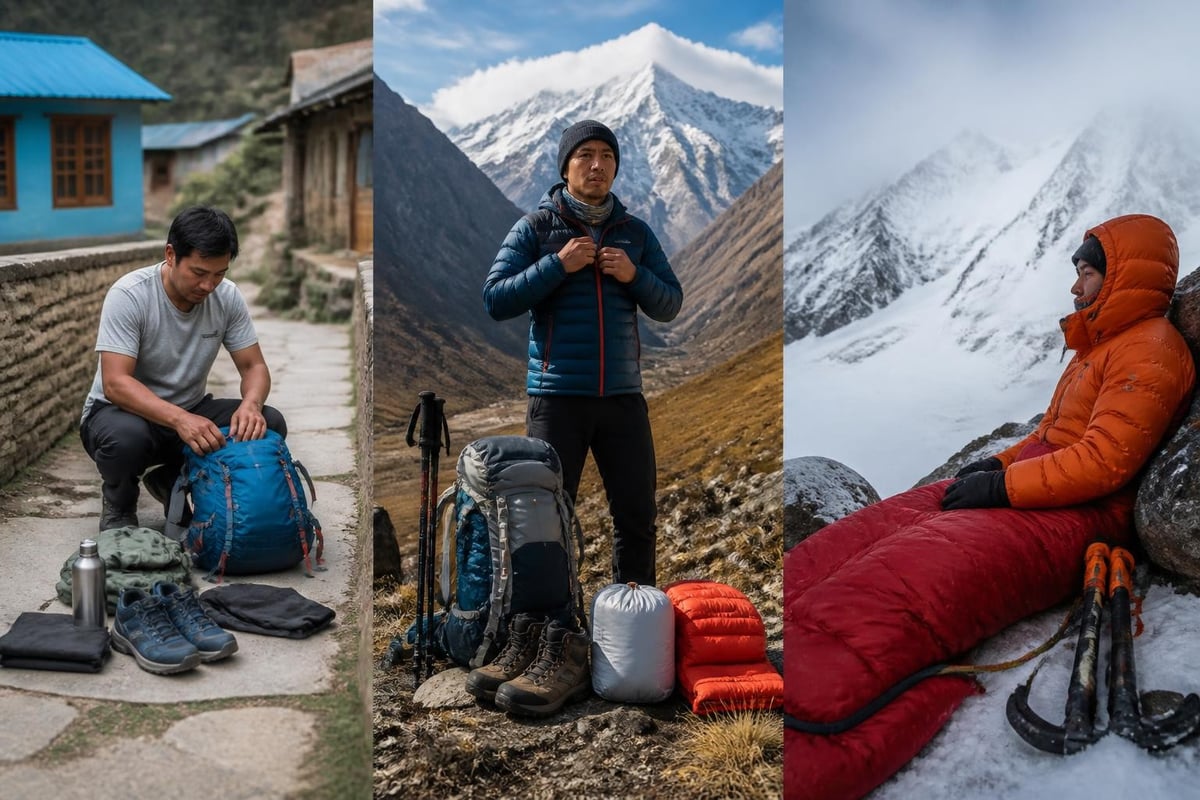
Layering allows adjustment to changing temperatures and exertion levels. Base layers manage moisture, insulation layers provide warmth, and outer shells protect from wind and precipitation.
Essential clothing items:
- Moisture-wicking base layers (top and bottom)
- Insulating mid-layers (fleece or down)
- Waterproof and breathable jacket
- Trekking pants and shorts
- Warm hat and sun hat
- Gloves (liner and insulated)
- Quality hiking socks (several pairs)
Footwear and Accessories
Well-broken-in hiking boots with ankle support prevent injuries on rough trails. Bring camp shoes for evenings, as boots should dry overnight. Gaiters protect against snow, mud, and leeches depending on season and region.
Additional essential gear includes a quality sleeping bag rated for expected temperatures, headlamp with spare batteries, trekking poles for stability, water purification system, and comprehensive first aid kit. Sunglasses with high UV protection and broad-spectrum sunscreen prevent intense high-altitude exposure damage.
Health and Safety Considerations
Mountain trekking involves inherent risks requiring preparation and vigilance. Understanding potential health issues and emergency procedures contributes significantly to safe experiences.
Common Health Concerns
Beyond altitude sickness, trekkers may encounter gastrointestinal issues from unfamiliar foods or water contamination. Bringing broad-spectrum antibiotics (prescribed by your doctor), anti-diarrheal medication, and electrolyte supplements helps manage these conditions.
Injuries from falls, twisted ankles, or overuse prove more common than serious altitude illness. Trekking poles reduce joint stress, while measured pace and proper footwear prevent many injuries. Comprehensive travel insurance covering helicopter evacuation provides essential security, as serious medical emergencies require airlift to Kathmandu facilities.
Emergency Protocols
Mobile phone coverage exists in many popular trekking areas, though battery charging opportunities may be limited. Satellite communication devices provide backup in remote regions. Guides carry phones and know evacuation procedures, including helicopter landing zones.
Recognize when to descend. Mild altitude headaches often resolve with rest and hydration, but persistent symptoms, difficulty breathing at rest, or altered consciousness demand immediate descent regardless of itinerary plans.
Teahouse Trekking versus Camping
Tour trekking Nepal accommodations fall into two main categories, each offering distinct experiences. Teahouse networks along popular routes provide comfortable, social options, while camping expeditions suit remote areas and those seeking wilderness immersion.
Teahouse Advantages
The extensive teahouse system allows trekking with minimal gear, as lodges provide beds, meals, and social atmosphere. This accessibility makes tour trekking Nepal available to those unable or unwilling to carry camping equipment. Dining halls become evening gathering places where trekkers from around the world share experiences.
Facilities range from basic to surprisingly comfortable, with some lodges offering hot showers, charging stations, and varied menus. Costs remain reasonable, though prices increase with altitude due to transport challenges.
Camping Expeditions
Restricted areas and remote trails require organized camping treks with full support staff. These expeditions offer solitude and flexibility impossible in teahouse regions, with camps positioned for optimal scenery and acclimatization.
Camping requires larger teams including kitchen staff, and involves greater environmental responsibility. However, experiencing sunrise over glaciers from your tent door, or camping beside pristine alpine lakes, creates unforgettable memories unavailable in lodges.
Combining Nepal Trekking with Regional Exploration
Many visitors combine tour trekking Nepal with exploration of the broader Himalayan region. The country's proximity to Tibet and Bhutan enables extraordinary multi-destination journeys experiencing diverse Buddhist cultures and mountain landscapes.
Extended Himalayan Adventures
After completing a Nepal trek, continuing to Tibet offers contrasting high-plateau landscapes and unique Tibetan Buddhist culture. The journey from Kathmandu to Lhasa crosses spectacular mountain passes, while visits to monasteries like Sera and Drepung provide profound spiritual encounters.
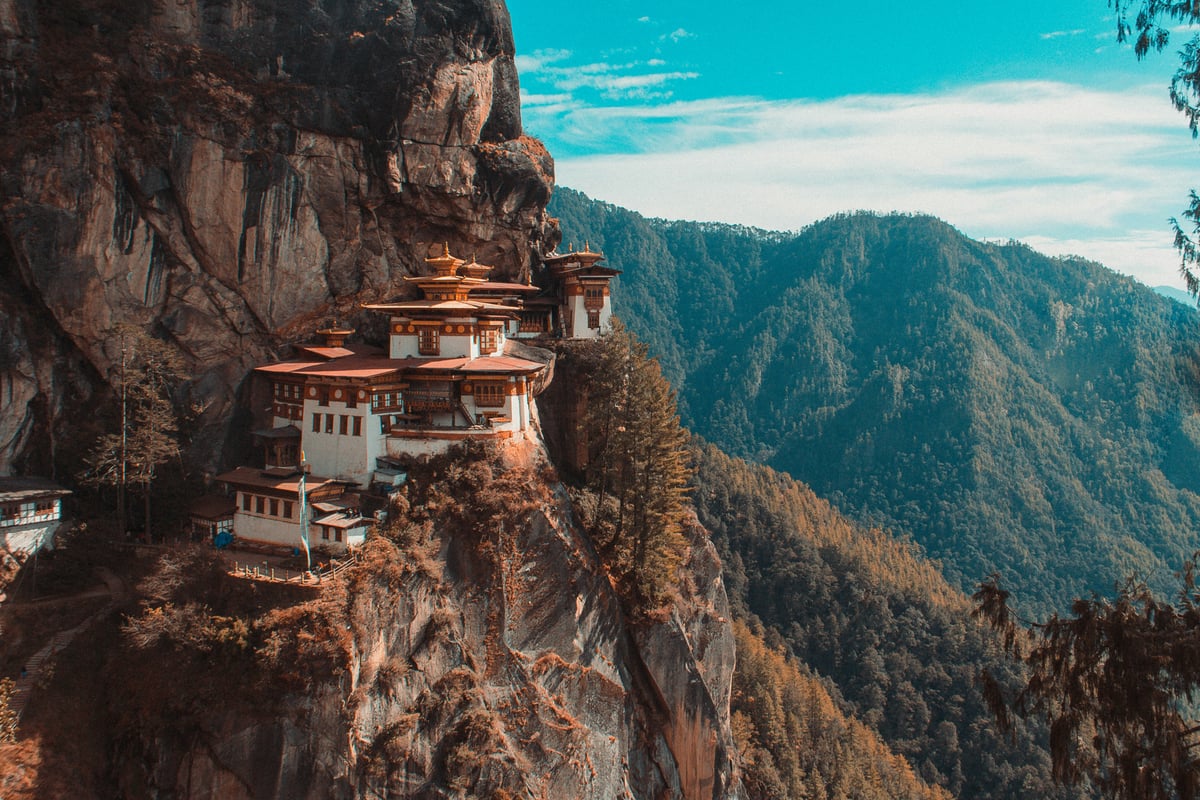
Bhutan presents another compelling combination, where regulated tourism preserves traditional culture while providing exceptional trekking through pristine forests and past cliff-side monasteries. These neighboring destinations share cultural and religious heritage with Nepal while maintaining distinct identities.
Cultural Immersion Beyond Trekking
Nepal's Kathmandu Valley houses extraordinary UNESCO World Heritage sites including Durbar Squares, Buddhist stupas, and Hindu temples. Spending several days before or after treks exploring these cultural treasures, taking cooking classes, or participating in meditation retreats deepens understanding of the spiritual traditions encountered in mountains.
Wildlife experiences in lowland national parks like Chitwan or Bardia complement mountain adventures, showcasing Nepal's biodiversity from one-horned rhinoceros to Bengal tigers. This geographic and ecological diversity makes Nepal far more than just a trekking destination.
Planning Your Trek Timeline
Successful tour trekking Nepal requires realistic timeline planning accounting for acclimatization, physical demands, and desired experiences. Rushing increases altitude sickness risk and diminishes enjoyment, while overly conservative schedules may not suit limited vacation time.
Standard Trek Durations
Popular routes have established itineraries balancing safety and efficiency:
- Everest Base Camp: 12-14 days (including acclimatization)
- Annapurna Circuit: 15-20 days (depending on route variations)
- Annapurna Base Camp: 7-10 days
- Langtang Valley: 7-10 days
- Manaslu Circuit: 14-18 days
These durations include Kathmandu buffer days but not international travel time. Adding contingency days accommodates weather delays, rest needs, or spontaneous cultural experiences.
Customization Options
Working with experienced operators allows itinerary customization matching fitness levels, interests, and time constraints. Side trips to additional viewpoints, rest days in particularly appealing villages, or route variations create personalized adventures.
Pre-trek acclimatization through staying at moderate elevations around Kathmandu or taking short hikes helps bodies adjust before main treks begin. Similarly, post-trek relaxation in Pokhara's lakeside setting or traditional Newari towns provides pleasant recovery time.
Tour trekking Nepal delivers transformative experiences combining physical challenge, natural grandeur, and profound cultural encounters within welcoming Himalayan communities. By preparing thoroughly, respecting local customs, and treading lightly on fragile mountain environments, trekkers contribute positively while creating lasting memories. Whether you're drawn to iconic routes or seeking authentic adventures off the beaten path, Elevated Trips specializes in culturally immersive small group tours throughout Nepal and the broader Himalayan region, ensuring your journey benefits both you and the communities you visit. Start planning your Himalayan adventure today and discover why these ancient mountain paths continue inspiring travelers from around the world.