Planning Your Cross-Border Journey
The foundation of a successful India Nepal trip begins with understanding the logistics of moving between these neighboring countries. Multiple entry points exist, each offering distinct advantages depending on your itinerary and interests.
Transportation Options and Border Crossings
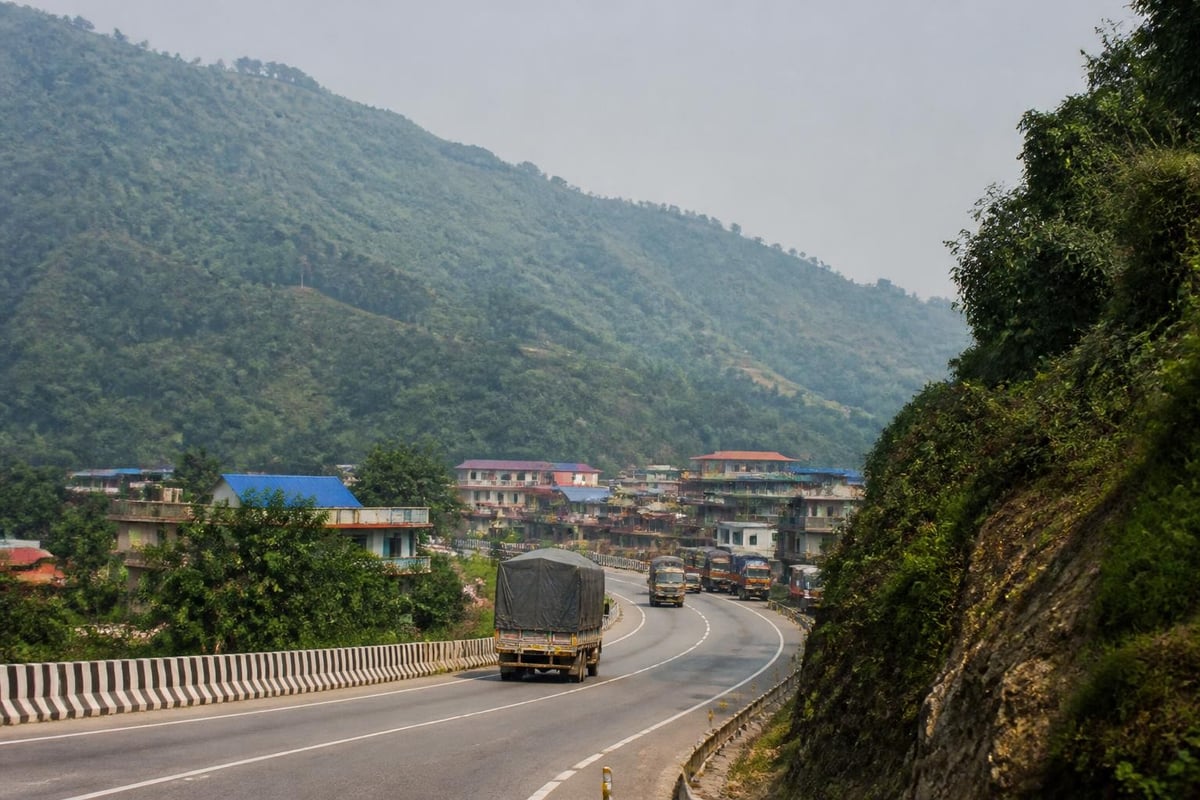
Travelers have several viable routes when planning their India Nepal trip. The most common entry points include the Sunauli-Bhairahawa border crossing, which connects the Indian state of Uttar Pradesh with Nepal's Terai region, and the Raxaul-Birgunj crossing linking Bihar with central Nepal. For those starting from Sikkim or West Bengal, the Kakarbhitta crossing provides access to eastern Nepal and serves as a gateway to the hill stations.
Air travel remains the fastest option, with regular flights connecting major Indian cities like Delhi, Mumbai, and Kolkata to Kathmandu's Tribhuvan International Airport. Budget airlines have made this option increasingly affordable, though overland routes offer richer cultural exposure and more gradual altitude transitions that help with acclimatization.
Key Transportation Considerations:
- Flight duration from Delhi to Kathmandu: approximately 1.5 hours
- Train and bus combinations allow for scenic overland journeys
- Private vehicle hire offers maximum flexibility for customized itineraries
- Shared jeeps and tourist buses provide economical group travel options
Documentation and Permits
Essential paperwork can make or break your India Nepal trip experience. Indian citizens enjoy simplified entry requirements compared to other nationalities, though proper documentation remains critical for smooth border crossings.
Indian nationals can enter Nepal without a visa, requiring only a valid passport or approved photo identification for stays up to 90 days. However, maintaining organized documentation prevents delays at checkpoints and ensures compliance with local regulations. For comprehensive information about permits and visa requirements across the Himalayan region, specialized resources help travelers navigate bureaucratic requirements efficiently.
Foreign nationals visiting both countries should secure Indian visas before departure and can obtain Nepal visas on arrival at major entry points or through advance application at Nepalese embassies. The visa process for Nepal includes multiple-entry options perfect for travelers planning circular routes through both nations.
| Document Type | Indian Citizens | Foreign Nationals |
|---|---|---|
| Nepal Entry | Passport or approved ID | Visa required (on arrival available) |
| India Entry | N/A | E-visa or embassy visa required |
| Tibet Permits | Chinese visa + Tibet permit | Chinese visa + Tibet permit |
| Restricted Areas | Special permits needed | Special permits needed |
Cultural Highlights Worth Prioritizing
The spiritual and architectural treasures scattered across an India Nepal trip route create opportunities for profound cultural engagement. Understanding which sites deliver the most authentic experiences helps travelers allocate time effectively.
Sacred Sites in Northern India
Beginning your India Nepal trip in northern India establishes important cultural context. The Buddhist sites at Sarnath near Varanasi, where Buddha delivered his first sermon, connect directly to the religious heritage you'll encounter throughout Nepal. The ancient city of Varanasi itself offers insights into Hindu traditions that have influenced Nepalese culture for millennia.
Bodh Gaya in Bihar marks another essential stop, representing the location of Buddha's enlightenment. The complex of monasteries built by Buddhist communities from around the world demonstrates the international significance of these sacred sites. The Mahabodhi Temple complex, a UNESCO World Heritage Site, draws pilgrims and cultural travelers year-round.
Northern India Cultural Priorities:
- Varanasi's ghats and evening aarti ceremonies
- Sarnath's archaeological museum and Dhamek Stupa
- Bodh Gaya's Mahabodhi Temple and international monasteries
- Kushinagar's nirvana site and reclining Buddha statue
Nepal's Kathmandu Valley Treasures
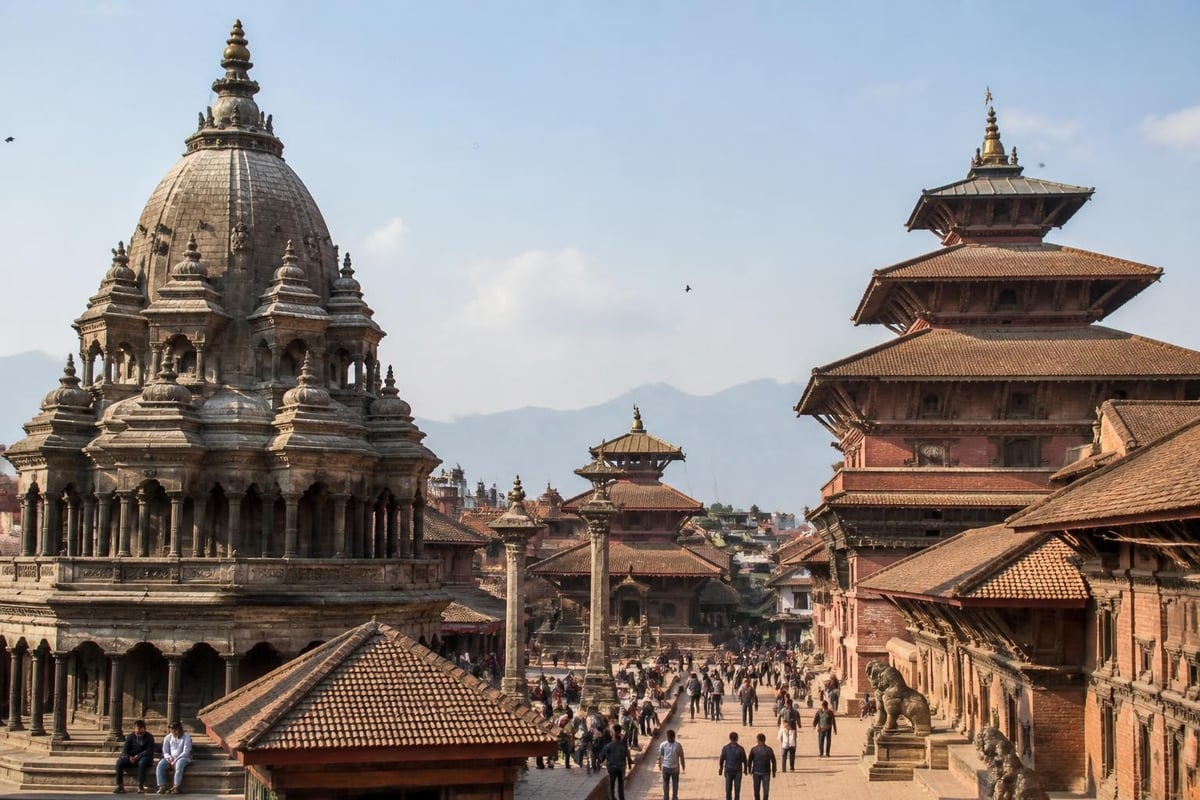
The Kathmandu Valley concentrates an extraordinary density of UNESCO World Heritage Sites within a compact area. Durbar Square in each of the valley's three ancient kingdoms-Kathmandu, Patan, and Bhaktapur-showcases Nepalese architecture and artistry at its finest. Despite earthquake damage in 2015, ongoing restoration efforts maintain these sites as living cultural centers.
Swayambhunath, known colloquially as the Monkey Temple, perches atop a hill offering panoramic valley views while serving as an active Buddhist pilgrimage site. The massive white dome of Boudhanath Stupa anchors Kathmandu's Tibetan community and provides one of the most atmospheric locations for cultural immersion during any India Nepal trip.
The community-focused approach of organizations like Elevated Trips emphasizes authentic interactions with local Nepalese communities, transforming standard sightseeing into meaningful cultural exchange. These connections help travelers understand contemporary Himalayan life beyond tourist stereotypes.
Adventure Activities and Natural Wonders
Beyond cultural sites, the natural landscapes encountered during an India Nepal trip provide extraordinary adventure opportunities. The dramatic elevation changes create ecosystems ranging from subtropical jungles to alpine environments.
Trekking Routes for All Skill Levels
Nepal's trekking infrastructure accommodates everyone from first-time hikers to experienced mountaineers. The Annapurna region offers multiple route variations, including the relatively accessible Poon Hill trek, which delivers stunning Himalayan views within a week-long commitment suitable for travelers with limited time.
The Everest region draws trekkers worldwide, though proper acclimatization and physical preparation remain essential. Shorter treks to Namche Bazaar provide tastes of Sherpa culture without the extended time requirements of routes continuing to Everest Base Camp. For those seeking less-crowded alternatives, the Langtang Valley combines natural beauty with Tamang cultural encounters at accessible elevations.
Trekking Preparation Essentials:
- Book with licensed local operators supporting community development
- Allow extra days for weather delays and rest
- Secure comprehensive travel insurance covering high-altitude rescue
- Pack layered clothing systems for extreme temperature variations
- Carry water purification systems to reduce plastic bottle waste
Wildlife Encounters in Protected Areas
The Terai region along Nepal's southern border hosts exceptional biodiversity within protected national parks. Chitwan National Park offers opportunities to spot one-horned rhinoceros, Bengal tigers, and over 500 bird species through jungle walks, canoe trips, and jeep safaris. These lowland areas contrast dramatically with the mountain environments most associated with an India Nepal trip.
Bardia National Park in western Nepal provides similar wildlife viewing with fewer crowds. The emphasis on community-managed buffer zones demonstrates how conservation efforts can benefit local populations while protecting endangered species. These ecotourism models align perfectly with sustainable travel principles.
Practical Considerations for Sustainable Travel
Responsible tourism practices transform an India Nepal trip from simple consumption to meaningful contribution. Understanding how your travel choices impact local communities and environments creates positive outcomes beyond personal enjoyment.
Budget Planning and Local Economy Support
Financial planning for an India Nepal trip varies enormously based on travel style, though budget guidelines help establish realistic expectations. Accommodation options range from basic teahouses to luxury heritage properties, with mid-range choices typically offering the best value and authentic atmosphere.
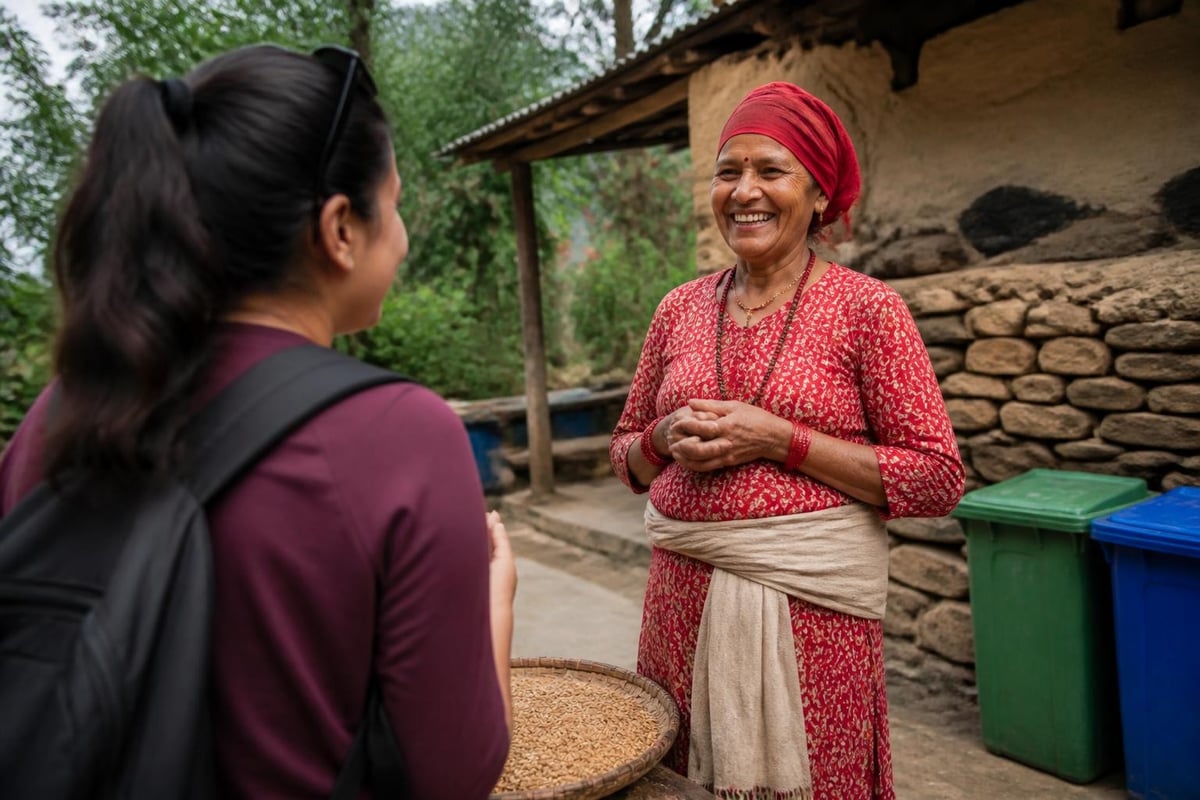
Prioritizing locally owned businesses ensures tourism revenue benefits communities rather than distant corporations. Homestays provide intimate cultural exposure while directly supporting families. Local guides possess knowledge that enriches experiences far beyond what guidebooks provide, and their employment sustains specialized expertise within communities.
| Expense Category | Budget Range (Daily) | Mid-Range | Luxury |
|---|---|---|---|
| Accommodation | $5-15 | $30-60 | $150+ |
| Meals | $5-10 | $15-25 | $50+ |
| Transportation | $3-10 | $15-30 | $75+ |
| Activities | $10-20 | $30-75 | $200+ |
Environmental Responsibility
The fragile Himalayan ecosystem requires conscious effort from visitors to minimize negative impacts. Single-use plastics plague trekking routes and remote villages lacking waste management infrastructure. Carrying reusable water bottles with filtration systems dramatically reduces plastic waste while protecting your health.
Supporting lodges and operators committed to environmental practices encourages broader industry adoption of sustainable methods. Solar power, composting toilets, and waste removal programs represent investments that deserve recognition through your business. The principles guiding ecotourism specialists demonstrate how thoughtful planning creates positive environmental outcomes.
Sustainable Travel Actions:
- Refuse plastic bags and carry reusable shopping bags
- Choose accommodations with visible environmental commitments
- Participate in organized trail cleanup activities
- Respect wildlife viewing distance guidelines
- Support community-based tourism initiatives
Seasonal Timing and Weather Patterns
Weather significantly influences the quality of an India Nepal trip experience. Understanding seasonal patterns helps travelers align their journey with optimal conditions for planned activities.
Optimal Travel Windows
October through November represents peak season for most India Nepal trip itineraries. Clear skies, moderate temperatures, and stable weather create ideal trekking conditions, though popular routes experience higher traffic and increased accommodation prices. The post-monsoon period delivers crisp mountain views with landscapes still green from summer rains.
March through May offers the second-best window, with warming temperatures bringing rhododendron blooms to middle elevations. Spring visibility occasionally suffers from atmospheric haze, though mountain views remain generally excellent. These shoulder months provide good value and less crowding than autumn peak season.
Monsoon and Winter Considerations
June through September monsoon season brings heavy rains to most regions, creating muddy trails, obscured views, and increased landslide risks. However, the rain shadow areas of Upper Mustang and Dolpo remain accessible, offering unique destinations when traditional routes become challenging. Budget travelers benefit from significant discounts during this low season.
Winter months from December through February deliver crystal-clear mountain views but bring bitter cold to high elevations and occasional snowfall closing high passes. Lower elevation destinations remain comfortable, making this period suitable for cultural tours focused on valleys and heritage sites. Budget-conscious travelers find excellent value during winter months.
Cultural Immersion Through Community Interaction
Authentic engagement with local communities distinguishes transformative travel from superficial tourism during an India Nepal trip. Moving beyond transactional interactions creates mutual understanding and supports cultural preservation.
Homestay Experiences
Living with local families provides unparalleled insights into daily Himalayan life. Homestays in Nepalese villages reveal agricultural practices, traditional cooking methods, and family dynamics that hotels cannot replicate. These arrangements generate income distributed directly to households rather than concentrated among tourism businesses.
Participating in daily activities like tea cultivation, animal husbandry, or meal preparation transforms tourists into temporary community members. The relationships formed often extend beyond single visits, with travelers maintaining contact and returning to revisit host families over years.
Festival Participation
Timing an India Nepal trip to coincide with cultural festivals offers extraordinary experiences. Dashain and Tihar in Nepal bring elaborate celebrations comparable to Diwali in India, with families opening their homes to visitors. The vibrant colors, traditional music, and ceremonial rituals create immersive cultural moments impossible to replicate at other times.
Smaller regional festivals often provide more intimate participation opportunities than major celebrations. Local guides from community-based tourism initiatives can identify upcoming events and facilitate appropriate involvement that respects cultural protocols while welcoming outside participation.
Extended Itineraries Incorporating Tibet and Bhutan
Some travelers extend their India Nepal trip into a broader Himalayan circuit including Tibet or Bhutan. These additions require additional permits and planning but deliver unparalleled cultural diversity.
Tibet Extensions
The overland route from Kathmandu to Lhasa crosses some of Earth's most dramatic landscapes. While challenging logistically and requiring special permits coordinated through authorized operators, this journey reveals Tibetan Buddhist culture in its homeland context. The route passes several significant monasteries and provides views of Mount Everest's north face.
For photographers and culture enthusiasts, specialized offerings like the Kham Tibet Photography Tour showcase regions beyond the standard tourist circuits. These deeper explorations reveal the diversity within Tibetan culture and capture landscapes that few travelers witness.
Bhutan Options
Bhutan's regulated tourism model ensures sustainable visitor numbers while preserving cultural authenticity. The required daily fee covers accommodation, meals, transportation, and guides, simplifying budgeting while supporting national development priorities. Combining Bhutan with an India Nepal trip creates a comprehensive exploration of Himalayan Buddhist traditions.
The dramatic dzongs (fortress monasteries), vibrant festivals, and commitment to Gross National Happiness philosophy distinguish Bhutan from neighboring countries. Flight connections from Kathmandu make this addition logistically straightforward for travelers already in the region.
Health and Safety Preparedness
Physical and medical preparation ensures your India Nepal trip proceeds smoothly without preventable complications. The combination of altitude, different sanitation standards, and remote locations requires thoughtful precautions.
Altitude Acclimatization
Acute Mountain Sickness (AMS) affects many travelers ascending too rapidly to high elevations. Understanding acclimatization principles prevents serious complications and ensures enjoyable trekking experiences. The standard guideline recommends ascending no more than 300-500 meters per day above 3,000 meters elevation.
Recognition of AMS symptoms-headache, nausea, fatigue, and dizziness-enables prompt response through rest, hydration, or descent if symptoms worsen. Pressure to maintain ambitious schedules causes many altitude-related problems that sensible pacing would prevent. Building extra days into itineraries accommodates individual acclimatization rates.
Altitude Safety Protocols:
- Ascend gradually with rest days at key elevations
- Stay hydrated with 3-4 liters daily fluid intake
- Avoid alcohol and sleeping medications at altitude
- Descend immediately if symptoms worsen despite rest
- Carry altitude sickness medication prescribed by physicians
Food and Water Safety
Gastrointestinal issues represent the most common health complaint during an India Nepal trip. Contaminated water and food cause discomfort that derails carefully planned itineraries. Drinking only purified water, avoiding raw vegetables in questionable hygiene conditions, and choosing busy restaurants with high food turnover minimizes risks.
Comprehensive travel insurance covering medical evacuation provides essential security for Himalayan travel. Remote locations lack facilities for serious medical issues, making evacuation capability potentially life-saving. Travel advice resources outline additional health considerations specific to the region.
Unique Experiences Beyond Standard Tours
Distinguishing your India Nepal trip from conventional tourist routes requires seeking specialized experiences that reveal deeper cultural and natural dimensions.
Meditation and Spiritual Retreats
Nepal hosts numerous Buddhist meditation centers welcoming international participants in programs ranging from weekend introductions to month-long intensive retreats. Kopan Monastery near Kathmandu offers regular courses in Tibetan Buddhism accessible to beginners, while forest meditation centers near Lumbini provide Theravada Buddhist training.
These programs deliver insights into contemplative practices that have shaped Himalayan cultures for centuries. The structured environment and guidance from experienced teachers create transformative experiences impossible through conventional tourism. Many participants report these retreats as their India Nepal trip highlight.
Agricultural Tourism
Participating in seasonal agricultural activities connects travelers with the subsistence farming sustaining most Himalayan communities. Tea plucking in Darjeeling or Ilam, rice planting in Nepalese valleys, or apple harvesting in Mustang provides physical engagement with landscapes beyond photographic consumption.
These activities reveal the challenging realities of mountain agriculture while demonstrating sustainable practices evolved over generations. The labor-intensive work engenders appreciation for food production and the communities maintaining these traditions despite modernization pressures.
Just as travelers seek authentic natural wonders like chasing the aurora borealis with specialized northern lights guides in Iceland, Himalayan adventures benefit from expert local knowledge that reveals hidden cultural treasures and ensures meaningful engagement with communities and landscapes.
Photographic Opportunities and Documentation
The visual richness encountered during an India Nepal trip provides extraordinary subject matter for photography enthusiasts and casual documentarians alike.
Landscape Photography Considerations
Himalayan landscapes demand technical skill and patience for optimal results. Early morning and late afternoon light transforms mountain scenery, requiring pre-dawn starts and evening patience. The interplay of light on snow peaks, dramatic cloud formations, and deep valleys creates ever-changing compositions.
Wide-angle lenses capture expansive vistas while telephoto options compress distant peaks and isolate architectural details. Neutral density filters enable long exposures of waterfalls and rivers, while polarizers enhance sky contrast and reduce atmospheric haze. The investment in quality equipment pays dividends across thousands of potential images.
Cultural Photography Ethics
Photographing people requires sensitivity to cultural norms and individual preferences. Always request permission before photographing individuals, particularly during religious ceremonies or in private settings. Many Himalayan communities welcome respectful photography that acknowledges their humanity rather than treating them as exotic subjects.
Sharing images with subjects when possible builds positive relationships and demonstrates respect. Digital technology enables immediate sharing that wasn't feasible during film photography eras. These exchanges transform one-directional documentation into reciprocal interaction.
An India Nepal trip combines natural grandeur with cultural depth in ways few global destinations can match. The accessible routes between these neighboring nations, rich spiritual heritage, and diverse landscapes from tropical forests to Himalayan peaks create journeys that satisfy adventure seekers and cultural explorers equally. When you're ready to experience authentic Himalayan culture while supporting sustainable tourism that benefits local communities, Elevated Trips specializes in small group tours and customized itineraries throughout India, Nepal, Bhutan, and the Tibetan Plateau. Their commitment to culturally immersive experiences and community partnerships ensures your journey creates positive impacts that extend far beyond your departure.