Geographic and Cultural Context of the Himalayan Kingdoms
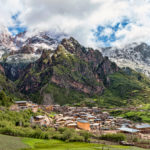
The relationship between Bhutan Nepal extends beyond simple geography. Both nations occupy critical positions along the southern slopes of the Himalayas, creating a natural corridor of cultural exchange, biodiversity, and spiritual significance. Nepal, positioned between India and Tibet, encompasses 147,516 square kilometers and ranges from the subtropical Terai plains to the summit of Mount Everest. Bhutan, smaller at 38,394 square kilometers, maintains a more uniform mountainous terrain with elevations rarely dropping below 1,000 meters.
Cultural Heritage and Buddhist Traditions
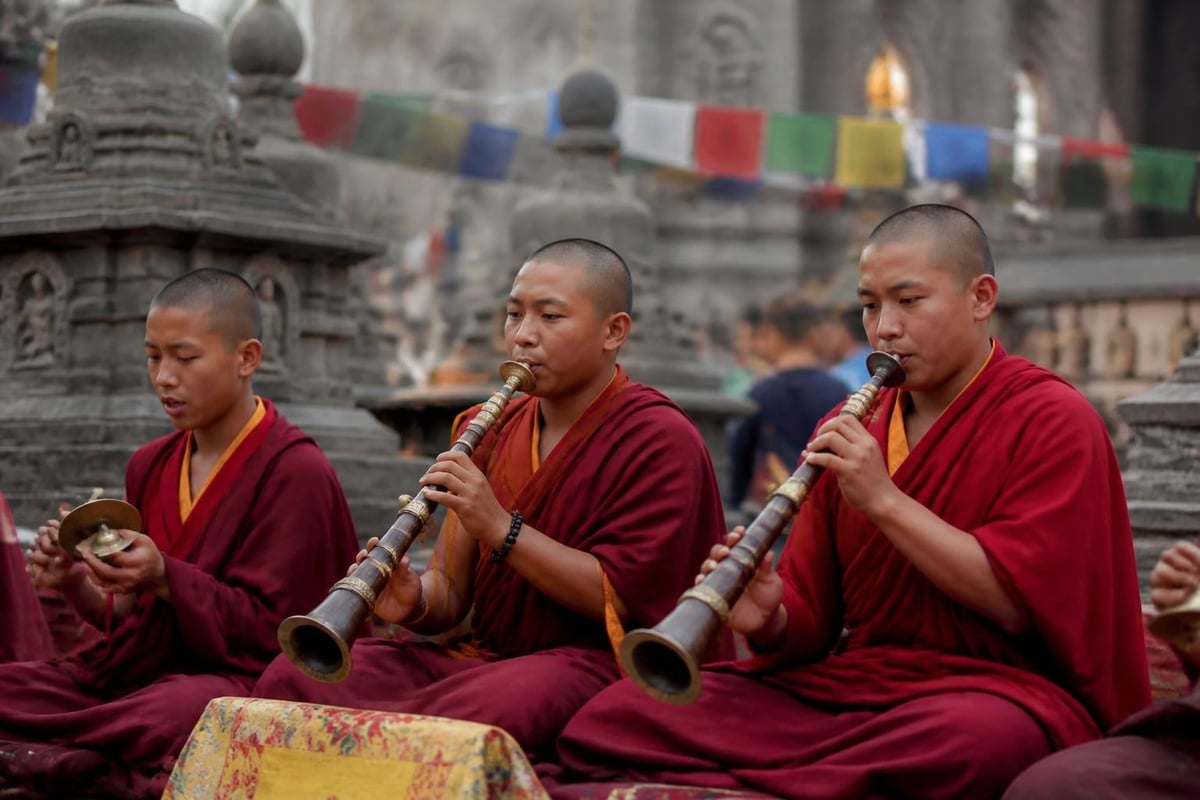
Buddhism forms the spiritual foundation for both nations, though practiced through different schools and traditions. Bhutan follows Vajrayana Buddhism, specifically the Drukpa Kagyu and Nyingma schools, which permeate every aspect of daily life. Nepal embraces religious diversity, with Hinduism as the majority faith alongside significant Buddhist communities, particularly among Sherpa, Tamang, and Newar ethnic groups.
The official diplomatic relations between Bhutan and Nepal were established formally in 1983, though cultural and trade connections span centuries. These ties have fostered cooperation in areas including hydropower development, civil aviation agreements, and educational exchanges.
Key cultural distinctions include:
- Language diversity: Bhutan's official language is Dzongkha, while Nepal recognizes 123 languages with Nepali as the national language
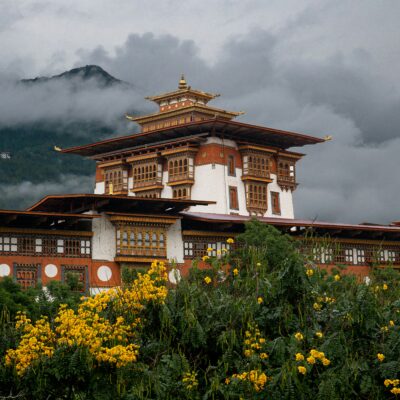
- Architectural styles: Bhutanese dzongs serve dual religious and administrative purposes, while Nepalese temples showcase Newari craftsmanship
- Festival calendars: Bhutan's tshechus celebrate Buddhist teachings, Nepal's festivals blend Hindu and Buddhist traditions
- Dress codes: Bhutan mandates traditional gho and kira in formal settings, Nepal encourages but doesn't require traditional attire
Tourism Philosophies: High Value Versus High Volume
The Bhutan Nepal tourism contrast provides one of the most striking examples of divergent development strategies in the modern world. Bhutan's "High Value, Low Impact" policy stands in direct opposition to Nepal's more accessible tourism model, creating fundamentally different travel experiences.
Bhutan's Sustainable Daily Fee Structure
Bhutan requires all tourists (except Indian, Bangladeshi, and Maldivian nationals) to pay a Sustainable Development Fee of $100 per night, plus arrange tours through licensed operators. This policy, implemented to protect cultural integrity and environmental resources, limits annual visitors to approximately 300,000 in recent years.
Benefits of Bhutan's approach:
- Preservation of traditional architecture and cultural practices
- Minimal environmental degradation despite tourism growth
- Equitable distribution of tourism revenue to local communities
- Controlled development maintaining authentic village experiences
- Protection of biodiversity in pristine forest ecosystems
Nepal's Open Access Tourism Model
Nepal welcomes over 1.1 million tourists annually through a more accessible framework. Independent travelers can secure visas on arrival, arrange their own accommodations, and explore without mandatory guides in most regions. This openness has created a robust tourism infrastructure while presenting challenges for sustainable management.
| Aspect | Bhutan | Nepal |
|---|---|---|
| Annual Visitors | ~300,000 | ~1,100,000 |
| Entry Requirements | Mandatory tour booking + SDF | Visa on arrival available |
| Daily Costs | $200-350 (all-inclusive) | $30-100 (budget to mid-range) |
| Trekking Permits | Included in tour packages | Separate permit purchase required |
| Independent Travel | Not permitted for most nationalities | Fully permitted |
| Peak Seasons | March-May, September-November | October-November, March-April |
Trekking and Adventure Tourism in Bhutan Nepal
Mountain adventures represent the primary draw for many travelers exploring the Bhutan Nepal region. Both nations offer world-class trekking opportunities, though the experiences differ significantly in difficulty, infrastructure, and cultural immersion.
Nepal's Legendary Trekking Routes
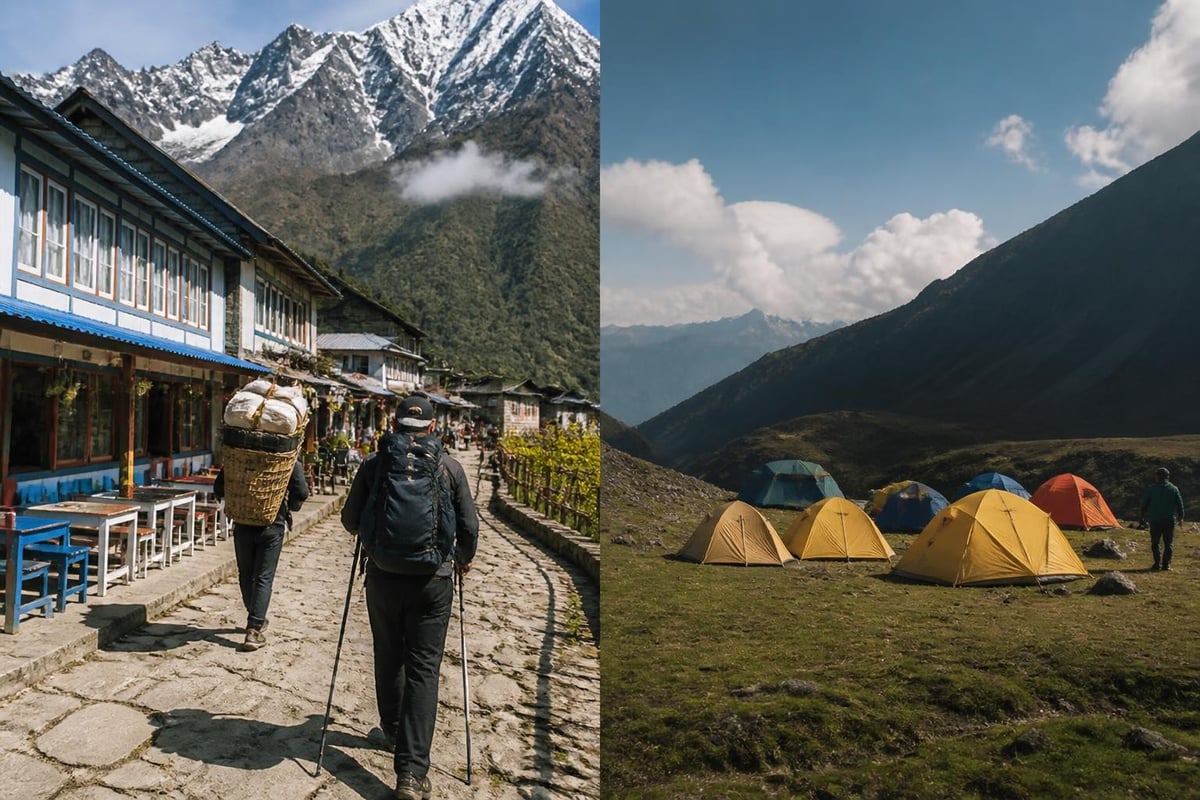
Nepal's trekking industry has evolved over six decades, creating well-established trails with extensive teahouse networks, guide services, and emergency evacuation protocols. The Annapurna Circuit, Everest Base Camp, and Langtang Valley attract hundreds of thousands of trekkers annually.
Popular Nepal trekking experiences:
- Everest Base Camp Trek: 12-14 days through Sherpa heartland to the base of the world's highest peak
- Annapurna Circuit: 15-20 days circumnavigating the Annapurna massif through diverse climate zones
- Manaslu Circuit: 14-18 days on a restricted area trek requiring special permits
- Upper Mustang: 10-12 days in the restricted former kingdom near the Tibetan border
- Langtang Valley: 7-10 days in a region recovering from the 2015 earthquake
Bhutan's Remote Mountain Trails
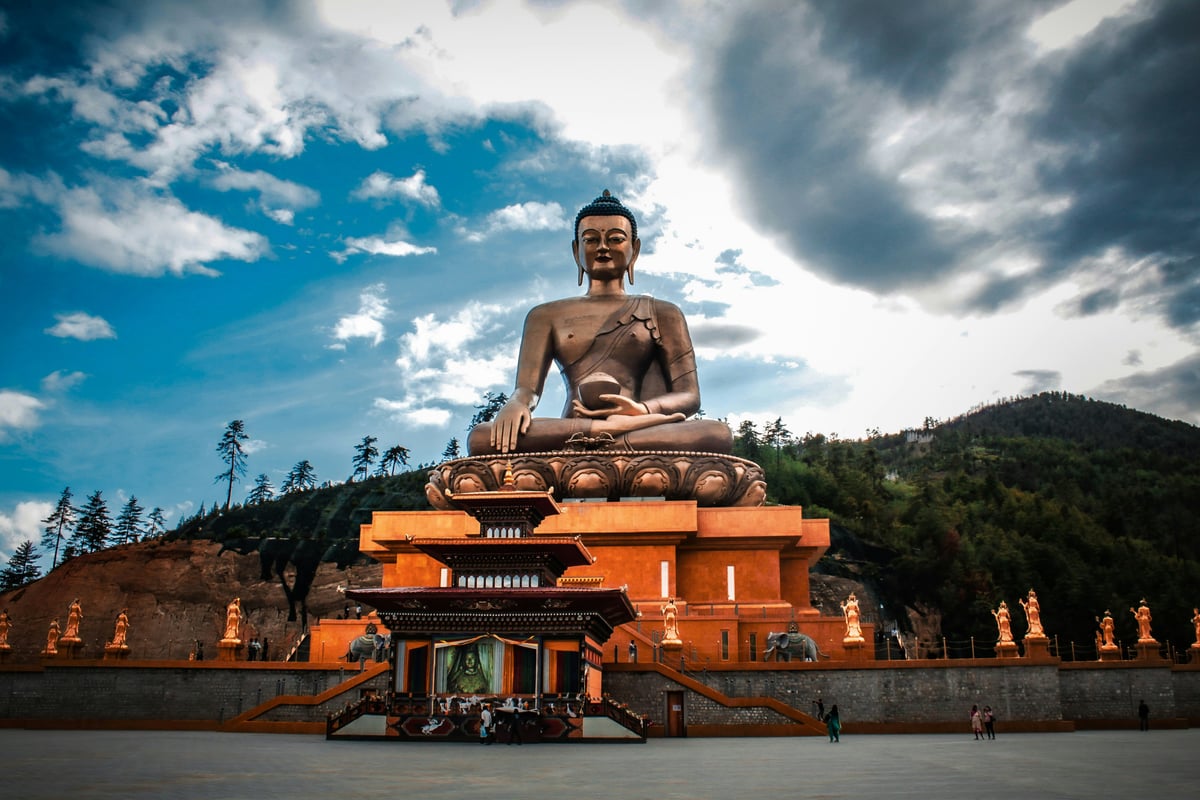
Bhutanese treks prioritize cultural immersion and pristine wilderness over established infrastructure. Most routes traverse high mountain passes connecting isolated valleys, with camping required throughout. The famous Snowman Trek, lasting 25-30 days and crossing eleven passes above 4,500 meters, ranks among the world's most challenging treks.
For those seeking to explore both regions, the Bhutan Cultural Tour provides an excellent foundation for understanding Bhutanese heritage before embarking on more strenuous mountain adventures. This immersive journey through Bhutan's cultural heartland includes visits to ancient monasteries, traditional villages, and iconic dzongs, offering travelers authentic interactions with local communities committed to preserving their Buddhist heritage.
Bhutan trekking characteristics:
- Limited trekker numbers due to permit restrictions
- Mandatory guide, cook, and support staff requirements
- Higher costs reflecting all-inclusive camping arrangements
- Less trail erosion and environmental impact
- Fewer emergency medical facilities along routes
Environmental Conservation and Biodiversity
The Bhutan Nepal region harbors exceptional biodiversity, functioning as a critical corridor for species movement across the Himalayas. Both nations have adopted conservation strategies reflecting their distinct development philosophies and resource capacities.
Bhutan's Constitutional Environmental Protection
Bhutan's constitution mandates maintaining at least 60% forest coverage, a requirement the nation exceeds with 72% forest coverage as of 2026. This constitutional commitment creates legal protection for ecosystems while generating carbon-negative status (Bhutan absorbs more CO2 than it produces).
The nation's network of protected areas covers over 50% of total land area, connected through biological corridors enabling wildlife movement. Species including Bengal tigers, snow leopards, red pandas, and black-necked cranes thrive in these habitats.
Nepal's Community Forest Management
Nepal pioneered community forestry programs, transferring management rights of designated forest areas to local user groups. This innovative approach has reversed deforestation trends in many regions, though challenges persist in the accessible Terai lowlands and popular trekking corridors.
Protected areas in Nepal cover approximately 23% of the country, including ten national parks, three wildlife reserves, six conservation areas, and one hunting reserve. The Annapurna Conservation Area, managed through community participation, demonstrates successful integration of tourism revenue with conservation objectives.
| Conservation Metric | Bhutan | Nepal |
|---|---|---|
| Forest Coverage | 72% | 45% |
| Protected Areas | 51% of land | 23% of land |
| Carbon Status | Carbon negative | Carbon neutral goal 2045 |
| Community Involvement | Centralized management | Community forest groups |
| Tourism Impact | Controlled through fees | Variable by region |
Practical Considerations for Travelers
Planning a journey through the Bhutan Nepal region requires understanding logistical differences, cost structures, and timing considerations. Many travelers choose to combine both destinations in a single extended trip, maximizing the cultural diversity and natural beauty of the Himalayas.
Visa and Entry Requirements
Nepal offers visa-on-arrival services for most nationalities at Tribhuvan International Airport in Kathmandu and major land border crossings with India and China. Tourist visas cost $30 for 15 days, $50 for 30 days, and $125 for 90 days, easily extendable within Nepal.
Bhutan requires advance visa approval through licensed tour operators for most nationalities. The visa application process typically takes 5-7 business days, with the $40 visa fee added to the tour package cost. Indian, Bangladeshi, and Maldivian citizens can enter Bhutan with valid identification and obtain permits upon arrival.
Best Times to Visit
The Bhutan Nepal climate patterns follow monsoon cycles, creating distinct seasons that affect travel experiences significantly. Spring (March-May) and autumn (September-November) provide optimal conditions for both destinations, with clear skies, moderate temperatures, and excellent mountain visibility.
Seasonal considerations:
- Spring (March-May): Rhododendron blooms, stable weather, increasing temperatures at lower elevations
- Monsoon (June-August): Heavy rainfall, lush vegetation, fewer tourists, risk of landslides
- Autumn (September-November): Crystal clear visibility, harvest festivals, peak tourist season
- Winter (December-February): Cold temperatures at altitude, excellent high-altitude views, minimal precipitation
Budget Planning and Cost Comparison
Financial requirements differ dramatically between Bhutan Nepal destinations. Nepal accommodates budget travelers with guesthouse rooms starting at $5-10 per night and meals costing $3-8, while also offering luxury lodges exceeding $500 nightly. Bhutan's mandatory minimum daily package rate (approximately $200-250 in low season, $250-350 in peak season) covers accommodation, meals, guide, transportation, and entrance fees.
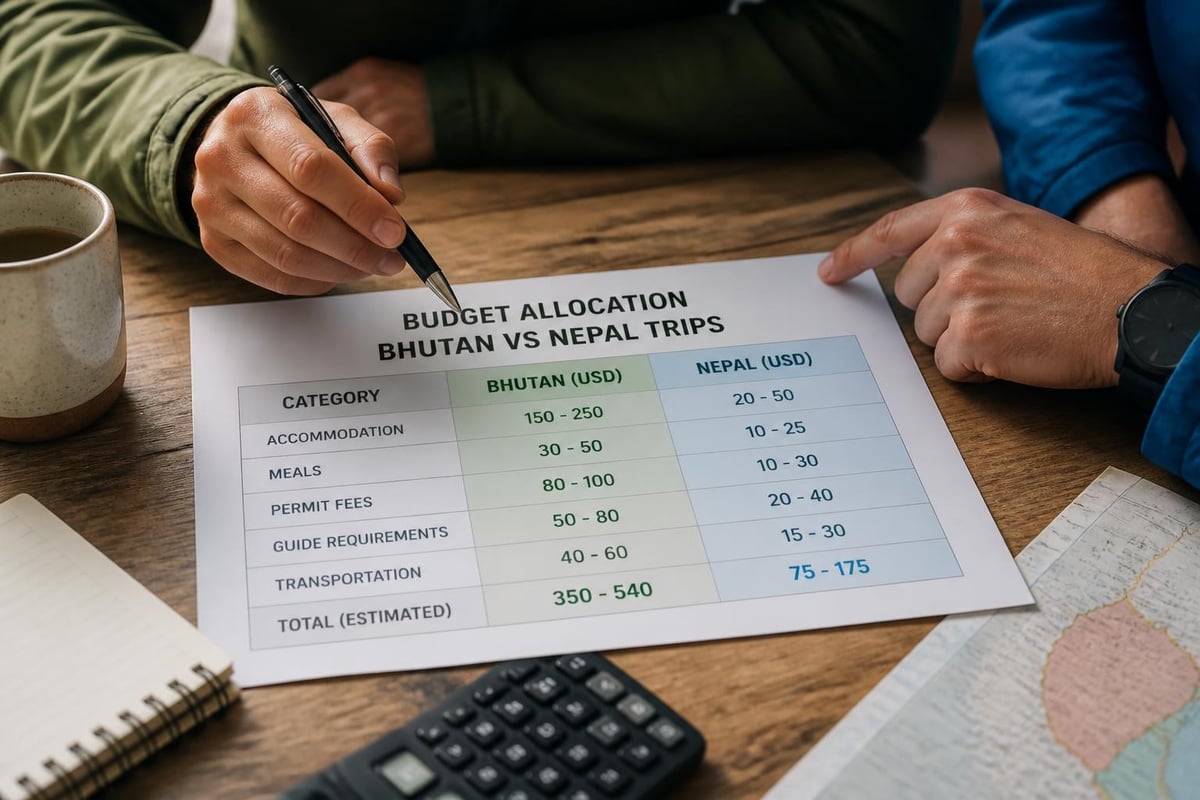
Travelers can explore diverse tourist packages for Nepal that accommodate various budgets and interests, from budget backpacking adventures to luxury cultural immersions. The flexibility of Nepal's tourism infrastructure allows customization impossible under Bhutan's structured approach.
Cultural Festivals and Spiritual Experiences
The festival calendars of Bhutan Nepal offer windows into living traditions that have evolved over centuries. These celebrations combine religious devotion, community bonding, and cultural preservation, providing travelers with profound insights into Himalayan spirituality.
Bhutanese Tshechus and Masked Dances
Bhutanese tshechus occur annually in each district, featuring elaborate masked dances (cham) performed by monks and laypeople. These multi-day festivals commemorate Guru Rinpoche, the Indian master who brought Buddhism to Bhutan in the 8th century. The Paro Tshechu, held in spring, and Thimphu Tshechu in autumn attract thousands of participants and spectators.
Significant Bhutanese festivals:
- Paro Tshechu (March/April): Five-day festival culminating in the unfurling of a giant thongdrel (religious scroll)
- Thimphu Tshechu (September/October): The nation's largest festival in the capital city
- Punakha Drubchen (February/March): Commemorating 17th-century victory over Tibetan invaders
- Black-Necked Crane Festival (November): Celebrating the annual arrival of endangered cranes in Phobjikha Valley
Nepalese Religious Celebrations
Nepal's religious diversity manifests in festivals blending Hindu and Buddhist traditions. Dashain, the longest and most significant Hindu festival, celebrates the goddess Durga's victory over evil. Buddhist festivals like Buddha Jayanti honor the Buddha's birth, enlightenment, and death.
The unique syncretic traditions of the Kathmandu Valley showcase centuries of Hindu-Buddhist coexistence, visible in shared sacred sites and integrated ritual practices. Historical relations between Bhutan and Nepal have facilitated cultural exchanges that enrich both nations' spiritual landscapes.
Culinary Traditions and Food Culture
The cuisines of Bhutan Nepal reflect geographic diversity, agricultural practices, and cultural influences from Tibet, India, and indigenous traditions. Food experiences range from simple mountain fare to elaborate festival feasts.
Bhutanese Cuisine and Chili Culture
Bhutanese cuisine centers on red rice, buckwheat, and dairy products, with chilies treated as vegetables rather than mere spices. Ema datshi (chilies in cheese sauce) serves as the national dish, accompanied by red rice and various side dishes. Meat consumption focuses on yak, pork, and chicken, though many Bhutanese observe Buddhist vegetarian principles on holy days.
Traditional Bhutanese meals include:
- Ema datshi: Spicy chilies in creamy cheese sauce
- Phaksha paa: Pork with red chilies and radishes
- Jasha maroo: Spicy chicken with tomatoes and chilies
- Momos: Tibetan-style dumplings filled with meat or vegetables
- Suja: Butter tea made with salt and yak butter
Nepalese Dal Bhat and Regional Variations
Dal bhat (lentil soup with rice) forms the foundation of Nepalese cuisine, eaten twice daily throughout the country. Regional variations incorporate local vegetables, pickles, and meat preparations. The Newari community of the Kathmandu Valley maintains elaborate culinary traditions including buffalo meat dishes and fermented preparations rarely found elsewhere.
Trekking regions have developed unique food cultures, with teahouses serving hybrid menus combining Nepali staples with Western comfort foods. This adaptation reflects Nepal's longer tourism history and greater exposure to international visitors.
Sustainable Tourism and Community Impact
The approaches to sustainable tourism in Bhutan Nepal demonstrate different pathways toward balancing economic development with cultural and environmental preservation. Both models offer valuable lessons for ecotourism development globally.
Bhutan's Holistic Development Philosophy
Bhutan's Gross National Happiness framework prioritizes well-being over economic growth, integrating environmental conservation, cultural preservation, good governance, and equitable development. Tourism policy explicitly serves these broader goals, using visitor fees to fund education, healthcare, and infrastructure improvements.
Community-based tourism initiatives ensure local participation in tourism planning and benefit distribution. Farmhouse stays, village-based cultural programs, and handicraft sales provide direct income to rural households while maintaining authentic cultural expressions.
Nepal's Community-Based Tourism Networks
Nepal has developed extensive community-based tourism networks, particularly in areas like the Annapurna region, where the Annapurna Conservation Area Project pioneered community involvement in tourism management. These programs direct tourism revenue toward local development priorities including schools, health posts, and trail maintenance.
Homestay programs throughout Nepal provide cultural exchange opportunities while generating income for families in remote villages. Organizations coordinate training in hospitality, language skills, and sustainable practices to enhance service quality while preserving traditional lifestyles.
Community tourism benefits include:
- Direct income to rural households supplementing agricultural livelihoods
- Incentives for cultural preservation and traditional skill maintenance
- Youth employment opportunities reducing urban migration
- Infrastructure improvements benefiting residents and visitors
- Cross-cultural understanding through personal interactions
Adventure Activities Beyond Trekking
While trekking dominates the Bhutan Nepal adventure tourism landscape, both nations offer diverse activities for travelers seeking varied experiences in mountain environments.
White Water Rafting and Kayaking
Nepal's rivers provide world-class rafting opportunities across difficulty levels, from gentle float trips on the Trisuli River to extreme expeditions on the Karnali and Sun Kosi. The Bhote Koshi, near the Tibetan border, offers one of the world's steepest rafting gradients in commercially operated sections.
Bhutan's rivers, particularly the Pho Chu, Mo Chu, and Mangde Chu, offer pristine rafting experiences through remote valleys. Limited rafting infrastructure ensures uncrowded rivers, though requires more comprehensive tour arrangements.
Mountain Biking and Cycling Routes
Mountain biking has grown rapidly in Nepal, with established routes around the Kathmandu Valley, Pokhara, and even high-altitude options on the Upper Mustang and Annapurna circuits. Bike rental shops, guided tours, and support services make cycling accessible to various skill levels.
Bhutan's mountainous terrain and limited traffic create excellent cycling conditions, though elevation changes demand strong fitness levels. The 403-kilometer lateral highway traversing the country offers multi-day cycling adventures through changing landscapes and cultural zones.
Rock Climbing and Mountaineering
Nepal's mountaineering heritage attracts climbers to eight of the world's fourteen 8,000-meter peaks, plus countless trekking peaks requiring technical skills but not full expedition support. Popular trekking peaks like Island Peak and Mera Peak provide Himalayan summit experiences accessible to fit climbers with basic technical skills.
Bhutan maintains restrictions on mountaineering to preserve the sacred status of peaks, though regulations have loosened slightly in recent years. Most climbing opportunities focus on smaller technical peaks and rock climbing development around Thimphu and Paro.
Wildlife and Nature Tourism Opportunities
The biodiversity of Bhutan Nepal supports specialized wildlife tourism appealing to naturalists, photographers, and conservation-minded travelers. Protected areas in both nations offer opportunities to observe rare Himalayan species in natural habitats.
Bhutan's Bird Watching and Wildlife Safaris
Bhutan records over 770 bird species, including globally threatened species like the black-necked crane, white-bellied heron, and rufous-necked hornbill. The Phobjikha Valley's crane festival celebrates the annual arrival of endangered black-necked cranes from Tibetan breeding grounds.
Wildlife viewing opportunities include:
- Royal Manas National Park: Bengal tigers, Asian elephants, greater one-horned rhinoceros
- Jigme Dorji National Park: Snow leopards, blue sheep, red pandas, takin (national animal)
- Thrumshingla National Park: Bird watching paradise with over 340 recorded species
- Sakteng Wildlife Sanctuary: Unique habitat for migoi (yeti) legends and red panda populations
Nepal's National Parks and Conservation Areas
Nepal's protected area system supports dense concentrations of endangered species, with Chitwan and Bardia National Parks in the Terai lowlands offering classic jungle safari experiences. These parks protect Bengal tigers, greater one-horned rhinoceros, Asian elephants, and gharial crocodiles.
Mountain national parks including Sagarmatha (Everest), Langtang, and Makalu-Barun harbor snow leopards, Himalayan tahr, musk deer, and diverse pheasant species. The combination of altitude zones creates exceptional biodiversity within relatively compact areas.
Preparing for High-Altitude Travel
The elevation ranges encountered in Bhutan Nepal require physiological adaptation and careful preparation to prevent altitude-related illnesses. Understanding acclimatization principles, recognizing warning signs, and following proven protocols ensures safe mountain travel.
Altitude Acclimatization Guidelines
Both countries present altitude challenges, though Nepal's trekking routes typically involve more dramatic elevation gains over shorter periods. The standard recommendation of ascending no more than 300-500 meters per night above 3,000 meters applies throughout the region, with rest days incorporated every 1,000 meters of elevation gain.
Acclimatization best practices:
- Gradual ascent: Allow multiple days for ascent to 3,500 meters and above
- Hydration: Drink 3-4 liters of water daily at altitude
- Climb high, sleep low: Day hikes to higher elevations aid acclimatization
- Avoid alcohol and sleeping medications: Both suppress respiratory drive
- Recognize symptoms: Headache, nausea, fatigue, and sleep disturbance indicate acute mountain sickness
Medical Preparedness and Evacuation
Nepal's established trekking infrastructure includes health posts in major villages and helicopter evacuation services throughout popular regions. Comprehensive travel insurance covering helicopter evacuation costs (potentially $5,000-10,000) is essential for Nepal trekking.
Bhutan's more limited rescue infrastructure necessitates greater self-sufficiency, though tour operators maintain communication equipment and evacuation protocols. The mandatory guide requirement ensures experienced personnel can recognize altitude illness and coordinate responses.
Photography and Documentation Considerations
The visual splendor of Bhutan Nepal attracts photographers ranging from casual smartphone users to professional expedition photographers. Understanding regulations, respecting cultural sensitivities, and preparing for technical challenges ensures successful image documentation.
Cultural Sensitivity and Photography Restrictions
Bhutanese regulations prohibit photography inside temple sanctums and of certain sacred objects without explicit permission. During festivals, designated photography areas balance documentation opportunities with religious reverence. Always request permission before photographing individuals, particularly monks and rural villagers.
Nepal maintains fewer photography restrictions, though temple interiors often prohibit flash photography that could damage ancient paintings and artifacts. Cremation ceremonies at Pashupatinath Temple and other sacred sites require discretion and respectful distance.
Technical Challenges and Equipment Recommendations
High-altitude photography presents technical challenges including extreme contrast ranges, rapidly changing light conditions, and equipment performance issues in cold temperatures. Digital sensors and LCD screens may function poorly below freezing, while batteries drain faster in cold conditions.
Essential photography equipment:
- Multiple camera batteries (cold reduces capacity by 30-50%)
- Polarizing filters to manage glare on snow and reduce haze
- Wide-angle lenses for landscapes and architectural interiors
- Telephoto lenses for wildlife and distant mountain peaks
- Protective cases against dust, moisture, and impact
- Backup memory cards and portable charging solutions
Exploring the Bhutan Nepal region offers unparalleled opportunities to experience Himalayan cultures, pristine mountain environments, and authentic community interactions. Whether drawn to Bhutan's carefully preserved traditions or Nepal's diverse adventure options, travelers committed to responsible tourism practices support sustainable development benefiting local communities. Elevated Trips specializes in creating culturally immersive experiences throughout the Himalayan region, designing small-group tours that balance adventure, cultural depth, and environmental responsibility while directly supporting the communities you'll visit.