The mount everest trek base camp represents one of the most iconic adventures in the Himalayan region, drawing thousands of trekkers annually to witness the majesty of the world's highest peak. This legendary journey through the Khumbu Valley combines stunning mountain vistas, rich Sherpa culture, and the personal challenge of high-altitude trekking. Whether you're an experienced mountaineer or an ambitious first-time trekker, understanding the nuances of this expedition ensures a safe, rewarding experience that honors both the environment and the communities that call this region home.
Understanding the Mount Everest Trek Base Camp Route
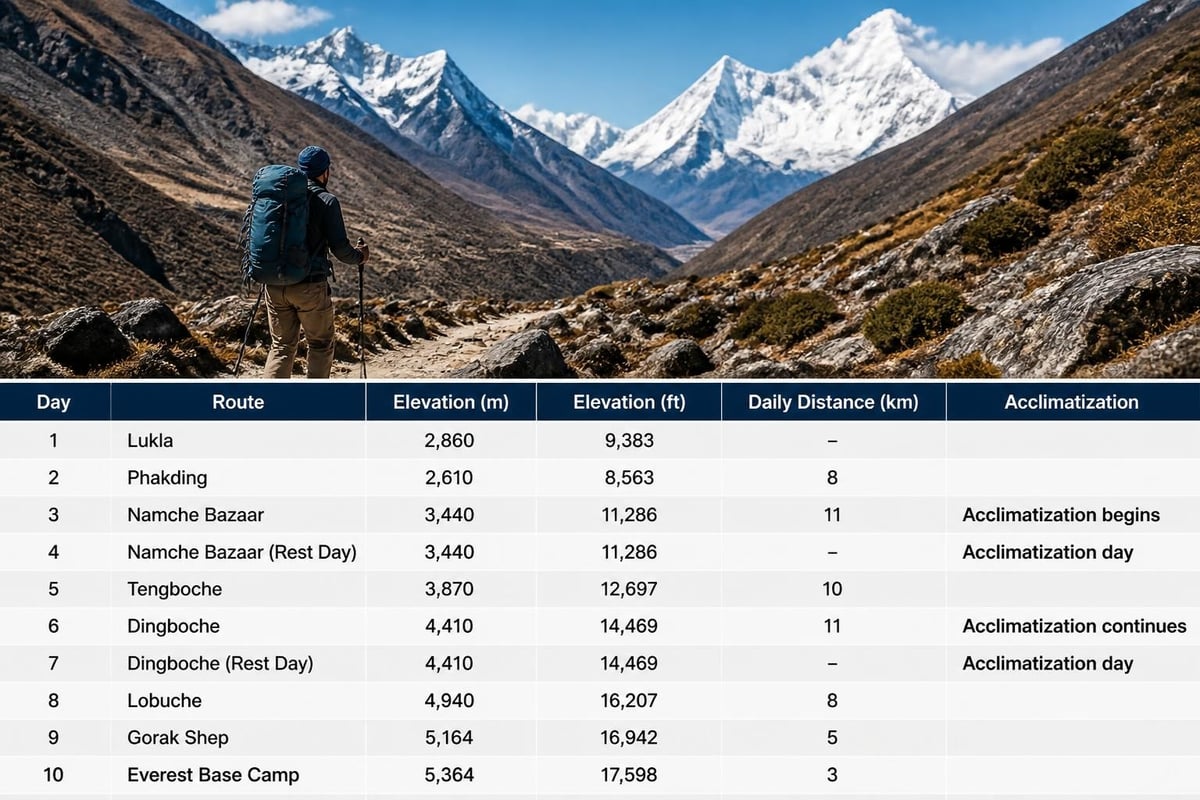
The classic route to Everest Base Camp begins with a spectacular flight from Kathmandu to Lukla, a small mountain town at 2,860 meters. This starting point serves as the gateway to the Khumbu region, where the real adventure begins.
Key Stops Along the Journey
The trek follows a well-established path through traditional Sherpa villages, each offering unique cultural experiences and necessary acclimatization opportunities. From Lukla, trekkers typically spend their first night in Phakding before ascending to Namche Bazaar, the vibrant trading hub of the Khumbu at 3,440 meters.
Major waypoints include:
- Namche Bazaar (3,440m) – acclimatization hub with markets and bakeries
- Tengboche (3,867m) – home to the region's largest Buddhist monastery
- Dingboche (4,410m) – crucial acclimatization stop with stunning valley views
- Lobuche (4,940m) – final overnight stop before base camp
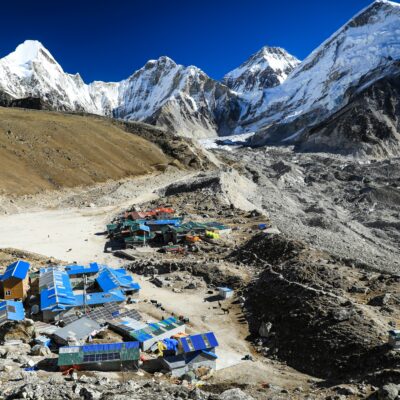
- Gorak Shep (5,164m) – last settlement and launching point
- Everest Base Camp (5,364m) – the ultimate destination
The complete route details and day-by-day itinerary provide comprehensive information about each stage of this transformative journey.
Duration and Daily Trekking Hours
Most mount everest trek base camp itineraries span 12 to 14 days round trip from Lukla. This timeframe includes critical rest days for altitude acclimatization, typically at Namche Bazaar and Dingboche. Daily trekking hours average between five to seven hours, though this varies based on terrain difficulty and individual pace.
The measured approach to gaining altitude makes all the difference. Rushing this journey increases the risk of altitude sickness significantly, which is why experienced guides and responsible tour operators build in adequate rest days.
Physical Preparation and Fitness Requirements
Completing the mount everest trek base camp demands solid cardiovascular endurance and mental resilience rather than technical climbing skills. The trek itself involves no technical mountaineering, but the combination of high altitude, long daily distances, and challenging terrain requires proper preparation.
Training Timeline and Exercises
Begin training at least three to four months before your scheduled departure. Focus on building cardiovascular endurance through activities like running, cycling, and swimming. Incorporate elevation gain by hiking with a weighted backpack on inclines whenever possible.
| Training Component | Weekly Frequency | Duration/Intensity |
|---|---|---|
| Cardiovascular exercise | 4-5 days | 45-60 minutes moderate to high |
| Hiking with weight | 2-3 days | 2-4 hours with 8-10kg pack |
| Strength training | 2-3 days | 30-45 minutes focus on legs/core |
| Flexibility work | Daily | 15-20 minutes stretching/yoga |
Mental preparation proves equally important. The physical training and preparation requirements extend beyond just fitness to include psychological readiness for challenging days and basic accommodations.
Managing Altitude Acclimatization
Altitude sickness remains the primary health concern on the mount everest trek base camp. The body needs time to adjust to decreasing oxygen levels as you ascend. Following the "climb high, sleep low" principle helps tremendously.
Acclimatization strategies include:
- Ascending gradually with proper rest days
- Staying well-hydrated with 3-4 liters of water daily
- Avoiding alcohol and sleeping medications
- Recognizing early symptoms of altitude sickness
- Being willing to descend if symptoms worsen
Consider spending an extra acclimatization day at Namche Bazaar for a day hike to Everest View Hotel or the villages of Khumjung and Khunde. This approach significantly improves success rates and overall enjoyment.
Essential Gear and Packing Strategy
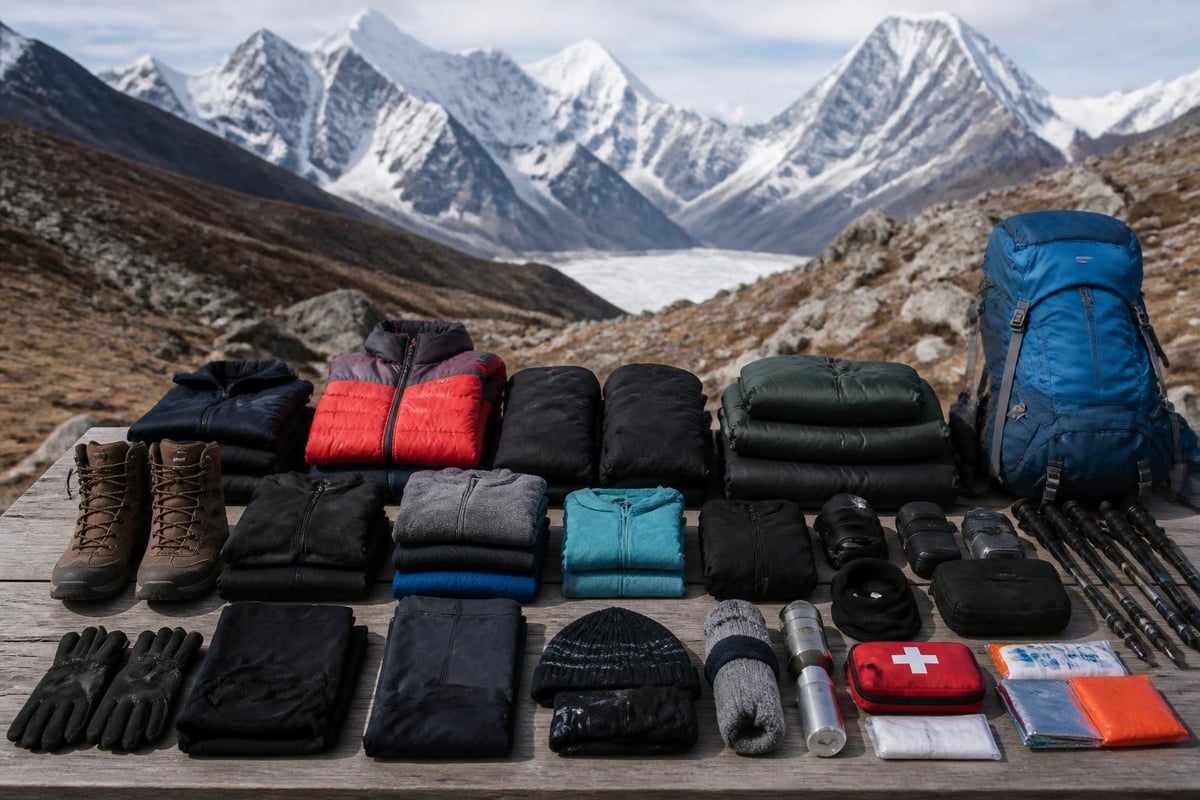
Packing appropriately for the mount everest trek base camp balances carrying enough essentials while keeping your pack manageable. Temperature variations from warm afternoons to freezing mornings require a layering system that adapts throughout the day.
Clothing Layers and Footwear
The layering system forms the foundation of your trekking wardrobe. Base layers should wick moisture, mid-layers provide insulation, and outer layers protect against wind and precipitation.
Core clothing items:
- Moisture-wicking base layers (top and bottom)
- Insulating mid-layers (fleece or down jacket)
- Waterproof, breathable shell jacket and pants
- Warm hat, sun hat, and buff
- Insulated gloves and liner gloves
- Quality trekking boots (broken in before departure)
- Camp shoes or sandals for evenings
Your boots deserve special attention. They should be waterproof, provide ankle support, and be thoroughly broken in before your trek. Many experienced trekkers on the mount everest trek base camp recommend boots with good traction for rocky and potentially icy sections at higher elevations.
Technical Equipment and Personal Items
| Equipment Category | Essential Items | Optional but Recommended |
|---|---|---|
| Sleeping | Sleeping bag (-15°C rating), liner | Inflatable pillow |
| Trekking | Trekking poles, headlamp, water bottles | GPS device, spare batteries |
| Health | First aid kit, altitude medication, sunscreen | Electrolyte tablets, blister kit |
| Electronics | Phone, camera, power bank | Solar charger, e-reader |
| Documents | Passport, permits, insurance, cash | Photocopies, digital backups |
Many trekkers hire porters who carry the bulk of gear in duffel bags, while you carry a daypack with essentials like water, snacks, camera, and extra layers. This system allows you to trek comfortably while supporting local employment.
Permits, Regulations, and Costs
Successfully completing the mount everest trek base camp requires navigating Nepal's permit system and budgeting appropriately for the journey. The regulatory framework protects both the environment and ensures proper resource management in the Sagarmatha National Park.
Required Permits and Documentation
Two primary permits are mandatory for this trek. The Sagarmatha National Park Entry Permit costs approximately 3,000 Nepali Rupees (about $30 USD) for foreign nationals. The Khumbu Pasang Lhamu Rural Municipality Entrance Permit costs another 2,000 Nepali Rupees (roughly $20 USD).
These permits support conservation efforts and local infrastructure development. Many trekkers arrange permits through their tour operator, simplifying the administrative process. Independent trekkers can obtain permits in Kathmandu or at entry points, though processing times vary.
Budget Breakdown and Cost Factors
The comprehensive cost analysis for the mount everest trek base camp varies significantly based on trek style. Budget trekkers managing their own arrangements might spend $1,200-$1,500, while guided group tours with full support typically range from $2,000-$4,000.
Major expense categories include:
- International flights to Kathmandu ($800-$1,500)
- Kathmandu-Lukla flights round trip ($350-$400)
- Accommodation along the trek ($5-$15 per night)
- Meals and beverages ($25-$35 per day)
- Guide and porter services ($25-$40 per day)
- Permits and TIMS card ($50-$60)
- Travel insurance with altitude coverage ($100-$200)
- Gear purchase or rental ($200-$500)
Teahouse accommodation provides the most economical option, offering basic but comfortable rooms with communal dining areas. Meals grow progressively more expensive at higher elevations due to transport logistics, but the cost remains reasonable overall.
Best Seasons and Weather Patterns
Timing your mount everest trek base camp correctly dramatically influences your experience. The Himalayas experience distinct seasonal patterns that affect trail conditions, visibility, and trekking comfort.
Spring Season (March to May)
Spring represents the most popular trekking season, particularly April and early May. Temperatures gradually warm, rhododendrons bloom at lower elevations, and the weather stabilizes after winter. Daytime temperatures at lower elevations reach comfortable levels, though nights remain cold at higher camps.
Spring advantages:
- Clear mountain views with minimal cloud cover
- Warmer temperatures for comfortable trekking
- Colorful rhododendron forests in bloom
- Moderate crowds (increasing toward May)
The tradeoff involves sharing the trail with more trekkers, especially during peak weeks. Teahouses fill quickly, making advance booking advisable.
Autumn Season (September to November)
Many experienced trekkers prefer autumn for the mount everest trek base camp. Following the monsoon, the air clears beautifully, providing exceptional mountain visibility. October offers particularly stable weather with comfortable temperatures.
| Month | Temperature Range | Precipitation | Crowd Level | Visibility |
|---|---|---|---|---|
| September | 8-15°C | Low-Moderate | Moderate | Good |
| October | 5-12°C | Very Low | High | Excellent |
| November | 0-8°C | Very Low | Moderate | Excellent |
| March | 3-10°C | Low | Moderate | Good |
| April | 5-12°C | Low | High | Very Good |
| May | 8-15°C | Moderate | High | Good |
Winter (December-February) and monsoon (June-August) seasons present significant challenges. Winter brings extreme cold and snow, while monsoon conditions create dangerous trail conditions and obscure mountain views.
Cultural Immersion and Responsible Trekking
The mount everest trek base camp offers far more than mountain scenery. The Khumbu region represents the heartland of Sherpa culture, where Buddhist traditions shape daily life and ancient monasteries punctuate the landscape.
Engaging with Sherpa Communities
Sherpa people have inhabited this region for centuries, developing unique cultural practices adapted to high-altitude life. Their mountaineering expertise and hospitality form the backbone of Everest trekking infrastructure. Taking time to understand and respect local customs enriches the journey immeasurably.
Visit Tengboche Monastery to witness monk ceremonies and explore the spiritual significance of mountains in Buddhist cosmology. The monastery offers breathtaking views of Everest, Lhotse, and Ama Dablam while providing insight into monastic life. Similarly, exploring cultural experiences across the Himalayan region reveals the interconnected traditions spanning Nepal, Bhutan, and Tibet.
Cultural etiquette guidelines:
- Remove shoes before entering monasteries and homes
- Walk clockwise around Buddhist stupas and prayer wheels
- Ask permission before photographing people
- Dress modestly, especially in religious sites
- Support local businesses and fair wages for guides
- Learn basic Nepali or Sherpa greetings
Environmental Stewardship Principles
The increasing popularity of the mount everest trek base camp brings environmental challenges. Responsible trekkers minimize their impact through conscious choices about waste, water usage, and energy consumption.
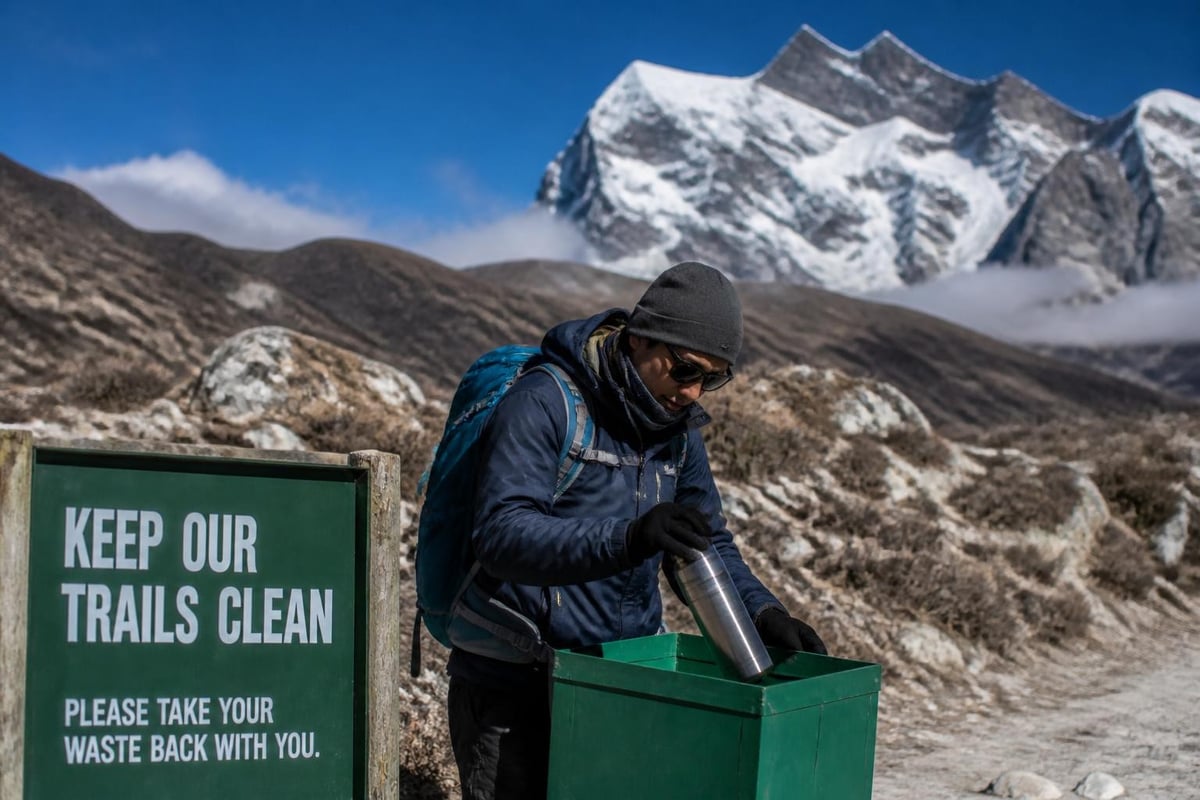
Carry reusable water bottles and use purification tablets or filters rather than buying plastic bottles. Many teahouses now offer filtered water refill stations. Pack out all non-biodegradable waste, including batteries and used batteries. Choose teahouses that practice sustainable waste management and support local conservation initiatives.
The Sagarmatha Pollution Control Committee works tirelessly to manage waste in the region. Supporting their efforts through proper waste disposal and choosing eco-conscious tour operators helps preserve this pristine environment for future generations.
Health, Safety, and Emergency Protocols
Prioritizing health and safety transforms the mount everest trek base camp from a risky endeavor into a calculated adventure. Understanding potential hazards and preparing appropriate responses proves essential for all trekkers.
Common Health Challenges
Acute Mountain Sickness (AMS) affects approximately 50% of trekkers to some degree. Symptoms include headache, nausea, fatigue, and difficulty sleeping. Most cases remain mild and resolve with proper acclimatization. However, AMS can progress to life-threatening conditions like High Altitude Pulmonary Edema (HAPE) or High Altitude Cerebral Edema (HACE).
Warning signs requiring immediate descent:
- Severe headache unrelieved by medication
- Confusion or altered mental state
- Difficulty breathing at rest
- Persistent coughing with pink, frothy sputum
- Loss of coordination or balance
- Severe fatigue preventing normal activities
Carry acetazolamide (Diamox) as a preventive medication after consulting your physician. This medication helps accelerate acclimatization but doesn't replace proper pacing and rest days.
Emergency Evacuation Options
Helicopter evacuation services operate throughout the Khumbu region, weather permitting. Comprehensive travel insurance covering helicopter rescue at high altitude is absolutely essential for the mount everest trek base camp. Policies should cover evacuation up to at least 6,000 meters.
The detailed planning considerations emphasize that evacuation costs can exceed $10,000, making proper insurance non-negotiable. Save emergency contact numbers in your phone and share your itinerary with family or friends.
Satellite communication devices provide peace of mind in areas without cellular coverage. While unnecessary for most trekkers on established routes, they offer security for those with medical conditions or traveling in shoulder seasons.
Choosing Tour Operators and Trekking Styles
Deciding between independent trekking and guided tours for the mount everest trek base camp depends on experience level, budget, and personal preferences. Each approach offers distinct advantages and considerations.
Independent Trekking Considerations
Solo trekking or trekking with friends without a guide remains possible on this well-marked route. Teahouses provide accommodation and meals, eliminating the need for camping equipment. The trail sees heavy traffic during peak seasons, reducing navigation concerns.
However, independent trekking requires thorough research, self-sufficiency, and confidence managing logistics. Language barriers, permit procedures, and altitude emergency response become your sole responsibility. Many independent trekkers hire porters while navigating themselves, balancing support with autonomy.
Guided Group Tours and Private Expeditions
Professional guide services significantly enhance safety, cultural understanding, and logistical ease. Experienced guides recognize altitude sickness symptoms, navigate changing weather, and facilitate meaningful cultural exchanges through language skills and local connections.
For travelers seeking the mount everest trek base camp within a broader Himalayan adventure, specialized operators like Lhasa to Everest Base Camp, Tibet offer unique perspectives from the Tibetan side. This alternative route combines the Everest journey with Tibet's rich cultural heritage, ancient monasteries, and stunning high-altitude landscapes, providing a comprehensive understanding of the Himalayan region.
Guided tour benefits:
- Expert altitude management and health monitoring
- Cultural interpretation and language assistance
- Logistics coordination (permits, accommodation, meals)
- Safety support and emergency response capability
- Porter coordination and fair wage assurance
- Group camaraderie and shared experiences
Small group tours typically range from 6-12 participants, creating manageable dynamics while maintaining personalized attention. Private expeditions offer maximum flexibility regarding pace, rest days, and side excursions.
Training Your Mind for High Altitude
Physical preparation receives considerable attention for the mount everest trek base camp, but mental readiness proves equally critical. The psychological challenges of altitude, discomfort, and uncertainty test every trekker's resolve.
Building Mental Resilience
Long days of repetitive walking through sometimes harsh conditions require mental fortitude. Develop strategies for managing discomfort, boredom, and frustration before departure. Meditation practices, positive visualization, and realistic expectation-setting build psychological reserves for difficult moments.
Accept that some days will be hard. Weather may turn poor, your body might feel sluggish from altitude, or facilities may disappoint. Maintaining perspective and focusing on the larger journey rather than momentary discomfort helps immensely.
Managing Expectations and Flexibility
The mountain environment demands flexibility. Weather delays, altitude symptoms, or unexpected trail conditions may necessitate itinerary changes. Embracing adaptability rather than rigidly adhering to plans reduces stress and enhances enjoyment.
Mental preparation strategies:
- Research thoroughly but remain open to surprises
- Practice discomfort tolerance in training hikes
- Develop positive self-talk patterns
- Set process goals rather than only outcome goals
- Cultivate gratitude practices for daily experiences
- Build connection with fellow trekkers
- Remember that reaching base camp, while meaningful, is just one part of the journey
Understanding that the complete trek experience encompasses cultural immersion, personal challenge, and natural beauty beyond just reaching the destination shifts focus from a single point to the entire journey.
Nutrition and Hydration Strategies
Maintaining energy and health throughout the mount everest trek base camp requires deliberate attention to nutrition and hydration. Altitude affects appetite and digestion, making strategic eating crucial for performance and acclimatization.
Meal Planning Along the Route
Teahouse menus offer remarkable variety considering the remote locations. Standard fare includes dal bhat (rice and lentils), pasta, pizza, fried rice, and various soups. Dal bhat provides excellent nutritional balance with carbohydrates, protein, and vegetables, and most lodges offer unlimited refills.
Breakfast options typically include porridge, eggs, toast, and pancakes. Lunch and dinner menus expand considerably, though ingredient variety decreases at higher elevations. Vegetables become scarce above 4,000 meters, and fresh fruit essentially disappears.
Nutritional priorities:
- Consume 3,000-4,000 calories daily to maintain energy
- Emphasize complex carbohydrates for sustained fuel
- Include adequate protein for muscle recovery
- Supplement with brought snacks (nuts, energy bars, chocolate)
- Avoid heavy, greasy meals that slow digestion
- Eat smaller portions more frequently at altitude
Hydration Management
Dehydration exacerbates altitude sickness symptoms and impairs physical performance. The dry mountain air and increased respiratory rate at altitude increase fluid requirements significantly. Aim for 3-4 liters of water daily, adjusting based on exertion level and altitude.
Monitor urine color as a hydration indicator – it should remain light yellow throughout the day. Dark urine signals inadequate hydration requiring immediate attention. Herbal teas, lemon water, and soup broths contribute to overall fluid intake while providing warmth and comfort.
Water purification becomes essential above Namche Bazaar, where water quality becomes questionable. Carry both purification tablets and a filter bottle for redundancy. Many teahouses sell boiled water, though environmental consciousness encourages using purification methods instead of buying plastic bottles.
Beyond Base Camp: Alternative Destinations
While reaching Everest Base Camp represents the primary goal for most trekkers, the Khumbu region offers numerous additional destinations worth considering if time and energy permit.
Kala Patthar Summit
Most mount everest trek base camp itineraries include an early morning ascent of Kala Patthar (5,644 meters), which provides superior Everest views compared to base camp itself. The summit offers unobstructed panoramas of Everest, Nuptse, Changtse, and the surrounding peaks during sunrise.
The climb from Gorak Shep takes approximately 2-3 hours, covering 400 meters of elevation gain on steep, rocky terrain. While challenging at altitude, the views justify the effort immensely. Many trekkers consider Kala Patthar the trek's true highlight.
Gokyo Lakes and Cho La Pass
Extended itineraries might incorporate the Gokyo Lakes circuit or the challenging Cho La Pass crossing. These additions transform the mount everest trek base camp into a comprehensive Khumbu exploration, typically requiring an additional 5-7 days.
Gokyo's turquoise glacial lakes provide stunning beauty distinct from the Everest Base Camp route. The Gokyo Ri viewpoint (5,357 meters) rivals Kala Patthar for mountain vistas. Combining both routes via Cho La Pass creates the famous Everest Base Camp and Gokyo Lakes trek, considered one of the Himalayan region's finest itineraries.
Exploring diverse trekking options across different regions reveals how the Himalayan range offers countless adventures beyond the classic Everest trek, each with unique cultural and environmental characteristics.
The mount everest trek base camp combines physical challenge, cultural immersion, and natural beauty into an unforgettable Himalayan adventure that demands proper preparation, respect for local communities, and environmental consciousness. By understanding the route's demands, preparing adequately, and approaching the journey with flexibility and cultural sensitivity, trekkers create meaningful experiences that extend far beyond reaching base camp itself. Elevated Trips specializes in culturally immersive adventures throughout the Himalayan region, offering expertly guided small group tours that prioritize authentic experiences, environmental sustainability, and direct benefits to local communities across Nepal, Tibet, Bhutan, and the broader Tibetan Plateau.