Understanding What Makes Activities Truly Ecological
Not every outdoor activity qualifies as genuine eco-tourism. The distinction lies in intentionality and impact. Authentic eco tour activities minimize environmental footprint while maximizing benefits for local communities and conservation efforts. They follow principles established by organizations like the American Humane Society, which emphasizes ethical practices in wildlife tourism.
Core Principles of Sustainable Tourism Activities
Responsible eco tour activities operate under several fundamental guidelines. These principles ensure that tourism supports rather than exploits natural and cultural resources:
- Environmental Protection: Activities must preserve ecosystems and wildlife habitats through careful planning and visitor management
- Community Benefit: Local populations should receive economic advantages and participate in decision-making processes
- Educational Value: Participants gain understanding about ecosystems, conservation challenges, and cultural heritage
- Limited Group Sizes: Small groups reduce environmental impact and enhance authentic interactions
- Cultural Respect: Activities honor traditional practices and sacred sites without commodifying them
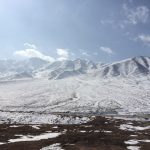
The U.S. Environmental Protection Agency documents how ecosystems provide recreational opportunities while maintaining cultural significance. This balance becomes particularly important in fragile environments like high-altitude plateaus and protected mountain regions.
Measuring Genuine Environmental Impact
Selecting truly sustainable experiences requires discernment. JSTOR Daily’s examination of eco-tour consciousness provides valuable guidance for evaluating operators and activities. Look for concrete conservation commitments, transparent business practices, and verifiable community partnerships rather than superficial "green" marketing.
Wildlife Observation and Habitat Conservation Activities
Wildlife-focused eco tour activities create powerful connections between participants and biodiversity conservation. These experiences teach participants about ecosystems while funding protection efforts through responsible tourism revenue.
Ethical Wildlife Encounters
Observing animals in natural habitats differs fundamentally from zoo visits or staged interactions. Authentic wildlife eco tour activities maintain respectful distances, avoid habitat disruption, and operate during appropriate seasons. Participants might track endangered species with trained naturalists, document bird migrations through citizen science programs, or observe nocturnal wildlife using non-invasive night vision equipment.
High-altitude regions harbor unique species adapted to extreme conditions. The Tibetan Plateau supports snow leopards, Tibetan antelope, and wild yaks that visitors can observe through carefully managed viewing programs. These activities contribute data to conservation research while generating income for community-based protection initiatives.
| Activity Type | Conservation Benefit | Participant Experience |
|---|---|---|
| Bird Migration Tracking | Population data collection | Hands-on scientific contribution |
| Predator Observation | Reduced human-wildlife conflict | Understanding ecological balance |
| Marine Ecosystem Snorkeling | Reef health monitoring | Direct biodiversity exposure |
| Night Wildlife Safaris | Nocturnal species research | Unique viewing opportunities |
Supporting Habitat Restoration Projects
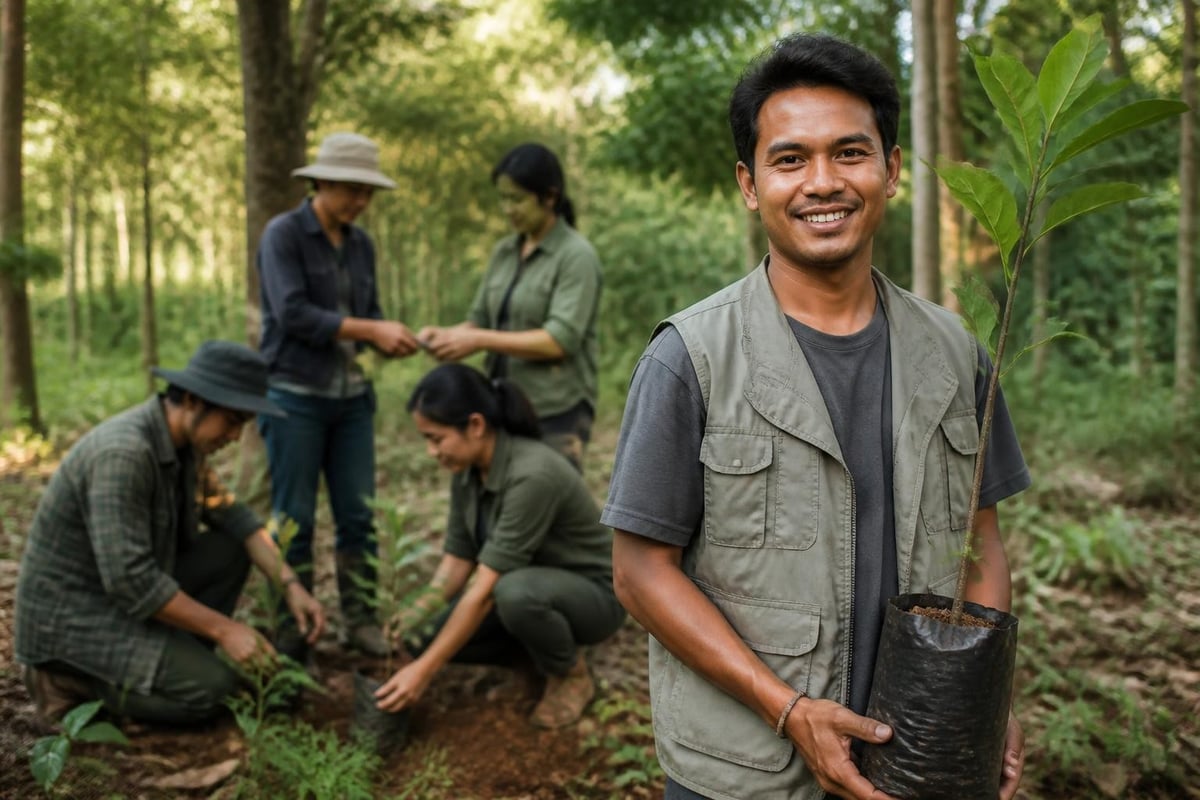
Participatory conservation represents one of the most impactful eco tour activities available. Travelers work alongside scientists and local communities on reforestation, invasive species removal, or wetland restoration. These hands-on projects create tangible environmental improvements while educating participants about ecosystem management.
Cultural Immersion Through Community-Based Activities
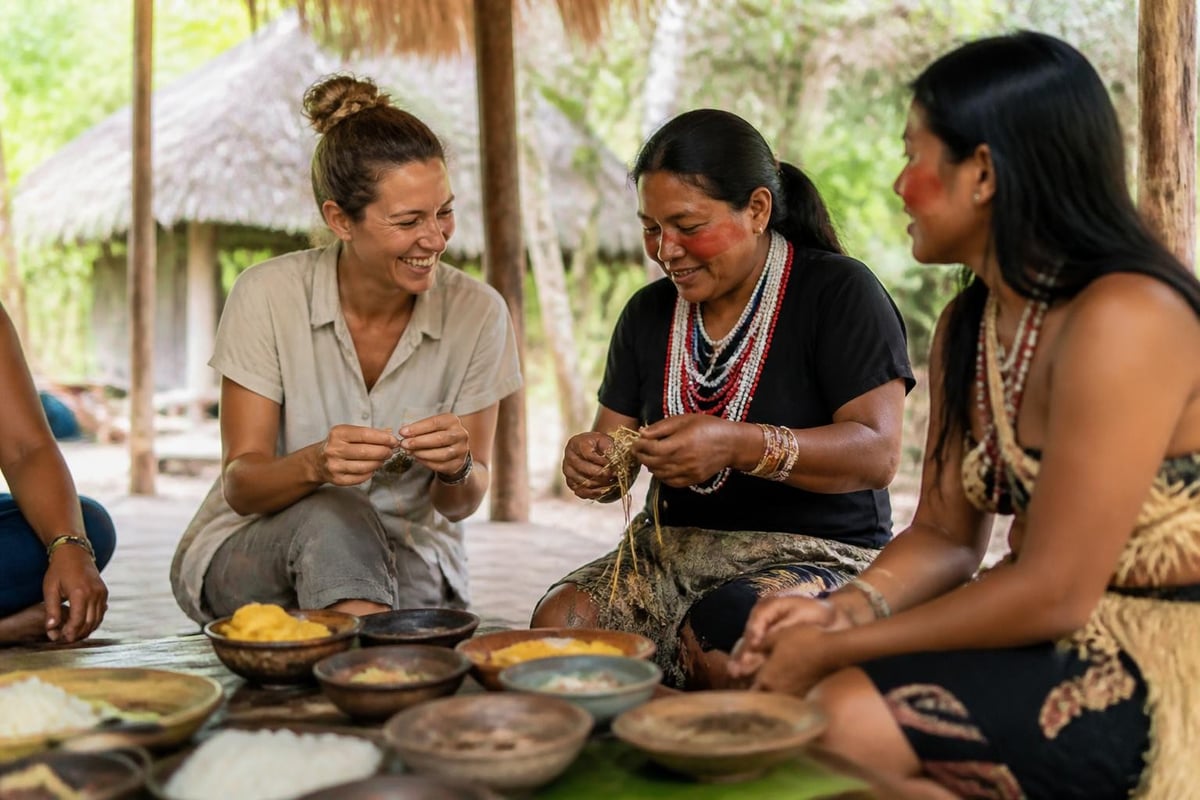
The most meaningful eco tour activities integrate cultural authenticity with environmental consciousness. These experiences honor traditional knowledge while providing economic alternatives to environmentally destructive industries.
Living with Indigenous Communities
Homestay programs and village immersion activities allow travelers to experience daily life in remote communities. Participants learn traditional crafts, agricultural techniques, and spiritual practices directly from local teachers. This cultural exchange preserves intangible heritage while creating income streams that incentivize young people to maintain ancestral lifestyles.
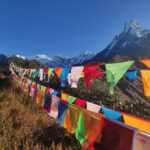
In Himalayan regions, visitors might learn butter tea preparation, participate in yak herding, or study traditional textile weaving. These activities maintain cultural continuity while demonstrating the economic value of heritage preservation. The revenue supports community development projects chosen by residents themselves rather than imposed by external organizations.
Sacred Site Stewardship
Many eco tour activities involve visiting spiritually significant locations. Responsible operators ensure these experiences respect religious protocols and contribute to site maintenance. Participants might join monastery cleanups, support traditional festival preparations, or learn about sacred geography from local spiritual leaders.
For travelers interested in culturally immersive experiences, exploring Bhutan’s eco-tourism initiatives demonstrates how entire nations can prioritize sustainability and cultural preservation over mass tourism development.
High-Altitude Trekking and Mountain Conservation
Trekking represents one of the most popular eco tour activities in mountain regions. When conducted responsibly, these multi-day journeys support remote communities while raising awareness about alpine ecosystem fragility.
Sustainable Trekking Practices
Responsible trekking minimizes environmental impact through careful logistics. This includes:
- Waste Management: Pack-out systems ensure no trash remains on trails or at campsites
- Local Provisioning: Purchasing food and supplies from mountain communities rather than importing from distant cities
- Porter Welfare: Fair wages, appropriate equipment, and reasonable load limits for support staff
- Trail Maintenance: Contributing to path restoration and erosion control projects
- Cultural Sensitivity: Respecting local customs regarding photography, dress codes, and sacred areas
The Nepal Everest Base Camp trek exemplifies how iconic routes can operate sustainably when operators prioritize environmental protection and community benefit over profit maximization.
Alpine Ecosystem Education
Mountain trekking provides unparalleled opportunities for environmental education. Participants observe climate change impacts firsthand through glacier retreat, shifting vegetation zones, and changing wildlife patterns. Knowledgeable guides interpret these phenomena, connecting personal observation to global environmental challenges.
High-altitude eco tour activities also introduce participants to unique adaptations of alpine flora and fauna. Understanding how organisms survive extreme cold, intense solar radiation, and oxygen scarcity deepens appreciation for biodiversity and ecosystem resilience.
Adventure Activities with Minimal Environmental Footprint
Eco tour activities can satisfy adventure seekers while maintaining sustainability standards. These experiences prove that adrenaline and environmental responsibility aren't mutually exclusive.
Human-Powered Exploration
Activities relying on human energy rather than motorized vehicles minimize carbon emissions and noise pollution. Mountain biking on designated trails, kayaking through coastal ecosystems, and rock climbing in appropriate locations provide thrills without environmental degradation.
| Adventure Activity | Environmental Advantage | Skill Level Options |
|---|---|---|
| Backcountry Skiing | Zero emissions, quiet wildlife approach | Beginner to expert |
| River Rafting | Ecosystem observation, no infrastructure | Moderate to advanced |
| Rock Climbing | Vertical habitat access, minimal footprint | All levels with guides |
| Mountain Biking | Trail-based exploration, efficient travel | Beginner to expert |
Platforms like Innobook help travelers discover and book sustainable adventure experiences throughout various regions, making it easier to find verified eco-conscious operators.
Photography and Artistic Documentation
Nature photography and artistic interpretation serve as eco tour activities that create lasting value without consuming resources. Wildlife photography workshops teach ethical practices like maintaining respectful distances and avoiding behavior manipulation. Landscape painting or sketching sessions encourage deep observation and connection with environments.
These creative activities produce tangible takeaways that keep destinations alive in participants' consciousness long after trips conclude. The resulting artwork often inspires others to support conservation or visit destinations responsibly.
Agricultural and Food-Focused Sustainable Experiences
Farm-based eco tour activities connect participants with sustainable food production while supporting agricultural communities. These experiences demonstrate alternatives to industrial farming that prioritize environmental health.
Organic Farm Stays and Workshops
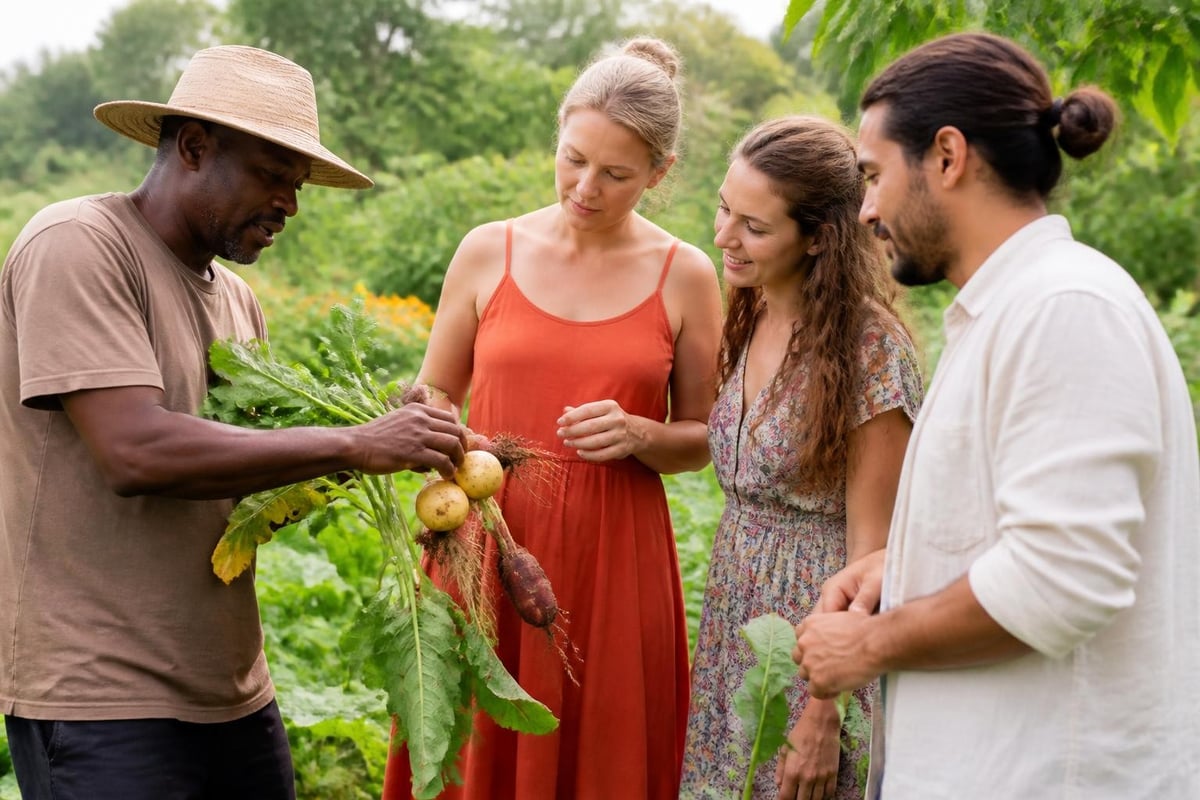
Visitors participate in daily farm operations, learning about organic cultivation, traditional crop varieties, and sustainable livestock management. Activities might include cheese-making from yak milk, harvesting highland barley, or preparing traditional meals using locally grown ingredients.
These experiences prove particularly valuable in regions where modern agricultural practices threaten traditional knowledge. By demonstrating tourism demand for heritage foods and methods, farm stays incentivize preservation of agricultural biodiversity and time-tested sustainable techniques.
Foraging and Wild Food Education
Guided foraging walks teach participants to identify edible and medicinal plants while understanding sustainable harvesting principles. These eco tour activities preserve ethnobotanical knowledge while creating appreciation for non-cultivated food sources.
In high-altitude environments, foraging might include identifying medicinal herbs used in traditional Tibetan medicine or learning which alpine plants provide emergency nutrition. This knowledge connects participants to landscapes in deeply personal ways while supporting traditional healers and knowledge keepers.
Water-Based Conservation Activities
Aquatic ecosystems face severe threats from pollution, development, and climate change. Water-focused eco tour activities raise awareness while supporting protection efforts.
River and Lake Cleanup Initiatives
Participatory cleanups combine service with recreation. Travelers spend mornings removing trash from waterways, then enjoy afternoons kayaking or swimming in cleaner environments. These activities demonstrate immediate impact while educating participants about plastic pollution and watershed health.
Wetland Restoration Projects
Wetlands provide crucial ecosystem services but disappear rapidly worldwide. Eco tour activities focused on wetland restoration might involve planting native vegetation, constructing nesting platforms for migratory birds, or removing invasive species that threaten wetland ecology.
Educational Programs and Citizen Science
Learning-focused eco tour activities appeal to intellectually curious travelers who want deeper understanding of destinations. These programs often contribute to scientific research while providing exceptional educational value.
Field Research Participation
Citizen science programs allow travelers to assist professional researchers with data collection. Activities might include:
- Wildlife population surveys using standardized protocols
- Water quality testing in remote locations
- Archaeological site documentation and artifact cataloging
- Climate change impact monitoring through vegetation surveys
- Cultural heritage recording through oral history interviews
These eco tour activities produce genuine scientific value while giving participants insider perspectives on research methodologies and conservation challenges.
Environmental Education Centers
Visiting research stations and environmental education facilities provides structured learning opportunities. Interactive exhibits, laboratory tours, and researcher presentations explain complex ecological concepts accessibly. Some programs allow visitors to observe ongoing experiments or participate in controlled data collection activities.
For instance, the National Park Service outlines structured approaches to environmental education tours in protected areas, providing models that responsible operators worldwide adapt to local contexts.
Seasonal and Festival-Based Cultural Activities
Timing visits around traditional festivals creates eco tour activities rich in cultural significance while supporting communities during important celebrations. These experiences require cultural sensitivity and appropriate operator partnerships to ensure authentic, respectful participation.
Religious Festivals and Ceremonies
Many mountain communities celebrate seasonal festivals tied to agricultural cycles, astronomical events, or religious calendars. Responsible eco tour activities allow visitors to observe or participate appropriately in these celebrations, learning about their cultural significance and contemporary relevance.
Participation guidelines vary by tradition. Some ceremonies welcome outside observers with proper conduct, while others remain closed to non-community members. Ethical operators ensure clear communication about appropriate behavior and facilitate genuine understanding rather than superficial spectacle.
Traditional Sports and Competitions
Highland communities often practice traditional sports that reflect historical lifestyles. Horse racing, archery competitions, and yak racing events provide exciting eco tour activities that celebrate cultural heritage. Attending these events supports community pride while creating economic incentives for maintaining traditional skills.
The Mount Kailash journey demonstrates how spiritual pilgrimages and cultural festivals can become part of responsible tourism itineraries when approached with proper respect and community partnership.
Creating Personalized Sustainable Itineraries
The most impactful eco tour activities align with individual interests, fitness levels, and values. Customization ensures meaningful experiences while maintaining sustainability standards.
Assessing Personal Travel Values
Before selecting activities, travelers should consider what matters most to them. Some prioritize wildlife conservation, while others focus on cultural preservation or outdoor adventure. Identifying core motivations helps create itineraries that feel personally significant rather than checking generic boxes.
Travelers should also honestly assess physical capabilities. Overestimating fitness levels leads to incomplete experiences or safety issues. Reputable operators offer activities across difficulty ranges, ensuring options for various ability levels.
Working with Specialized Operators
Specialized eco-tourism companies possess knowledge and relationships that general tour operators lack. They understand seasonal variations, can arrange unique access to conservation projects or cultural events, and maintain established partnerships with local communities.
When planning tourist packages for Nepal or similar destinations, working with operators who prioritize authenticity and sustainability ensures eco tour activities deliver on environmental and cultural promises rather than offering greenwashed conventional tourism.
Discovering authentic cultural immersion opportunities in cities complements wilderness experiences. Services like Kathmandu Sightseeing demonstrate how urban cultural exploration can follow sustainable principles while connecting travelers to heritage sites and local communities before or after high-altitude adventures.
Preparation and Responsible Participation
Successfully engaging in eco tour activities requires proper preparation. Physical conditioning, cultural research, and appropriate gear selection enhance experiences while minimizing negative impacts.
Physical and Mental Preparation
High-altitude activities demand cardiovascular fitness and acclimatization strategies. Participants should begin conditioning programs weeks before departure, focusing on endurance and strength. Mental preparation includes researching cultural norms, learning basic local language phrases, and developing realistic expectations about comfort levels and challenges.
Equipment and Supply Considerations
Sustainable travel minimizes consumption and waste. This means:
- Investing in durable, repairable gear rather than disposable alternatives
- Choosing environmentally responsible materials like organic cotton or recycled synthetics
- Bringing reusable water bottles, utensils, and containers
- Packing appropriately to avoid purchasing unnecessary items at destinations
- Selecting biodegradable toiletries and minimal packaging
Cultural Research and Etiquette
Understanding cultural contexts prevents offensive behavior and deepens appreciation. Research should cover religious practices, social hierarchies, gender norms, and communication styles. Learning about historical relationships between communities and outsiders provides context for contemporary attitudes toward tourism.
Long-Term Impact and Continued Engagement
The most valuable eco tour activities inspire lasting behavior changes and continued support for destinations beyond trip duration. This ongoing engagement multiplies positive impacts.
Post-Trip Advocacy and Education
Returning travelers become ambassadors for conservation and cultural preservation. Sharing experiences through presentations, social media, or writing raises awareness about destinations and challenges they face. This advocacy can influence others' travel choices while building support for conservation policies.
Maintaining Community Connections
Modern technology enables ongoing relationships with visited communities. Supporting local businesses through online purchases, contributing to community-identified development projects, or maintaining correspondence with guides and hosts extends tourism benefits beyond initial visits.
Supporting Conservation Organizations
Many destinations have nonprofit organizations working on environmental protection and community development. Financial contributions, volunteer expertise, or fundraising efforts provide sustained support that complements one-time visit revenues.
| Engagement Type | Time Commitment | Impact Level |
|---|---|---|
| Social media advocacy | Minutes weekly | Awareness building |
| Nonprofit donations | One-time or recurring | Direct conservation funding |
| Return visits | Annual or periodic | Sustained economic benefit |
| Professional expertise sharing | Hours monthly | Capacity building |
| Community correspondence | Minutes weekly | Cultural exchange |
Eco tour activities transform travel from passive consumption into active participation in conservation and cultural preservation. These experiences demonstrate that adventure, authenticity, and environmental responsibility enhance rather than contradict each other. Whether trekking through high-altitude landscapes, participating in community-based conservation projects, or learning traditional skills from indigenous teachers, sustainable activities create meaningful connections between travelers and the world's most precious places. Elevated Trips specializes in creating these transformative experiences across the Tibetan Plateau, India, Nepal, and Bhutan, offering small-group journeys that prioritize cultural authenticity, environmental stewardship, and genuine community benefit. Ready to explore the Himalayas responsibly while making a positive difference? Discover how thoughtfully designed eco-tourism can change both destinations and travelers themselves.