Understanding the Routes and Approaches
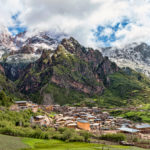
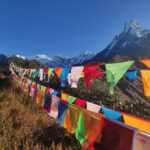
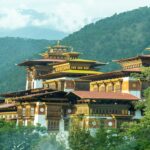
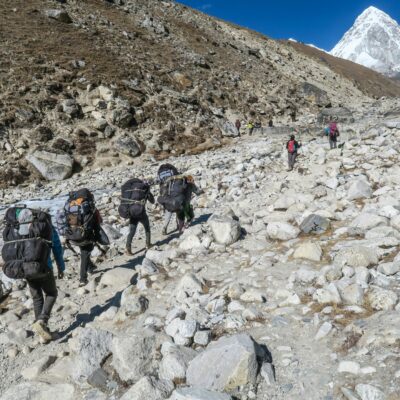
The two primary routes for an expedition to Mount Everest offer distinct challenges and cultural experiences. The South Col route from Nepal begins at Lukla and winds through the Khumbu Valley, passing through Sherpa villages and Buddhist monasteries before reaching Everest Base Camp at 17,600 feet. This approach provides rich cultural immersion and stunning views of the Himalayan landscape.
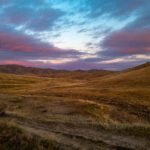
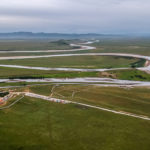
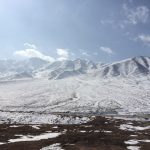
The North Col route from Tibet starts with travel through the Tibetan Plateau, offering a completely different perspective on the world's highest peak. Climbers following this route experience the vast high-altitude desert landscape and ancient Tibetan Buddhist culture. The journey typically includes stops at significant cultural sites before reaching the Tibetan Base Camp at 17,000 feet.
Comparing the Technical Challenges
| Route Aspect | South Col (Nepal) | North Col (Tibet) |
|---|---|---|
| Base Camp Altitude | 17,600 feet | 17,000 feet |
| Technical Difficulty | Higher (Khumbu Icefall) | Moderate (steep headwall) |
| Weather Window | April-May, Sept-Oct | April-May |
| Cultural Experience | Sherpa villages, monasteries | Tibetan plateau, monasteries |
| Permit Complexity | Moderate | Higher (China regulations) |
Each route presents unique advantages depending on climber experience, budget, and cultural interests. The South Col route faces the notorious Khumbu Icefall, a constantly shifting maze of ice blocks and crevasses that poses significant objective danger. The North Col route avoids this hazard but presents challenging sections like the Second Step, a nearly vertical rock face at 28,300 feet.
Physical and Mental Preparation Requirements
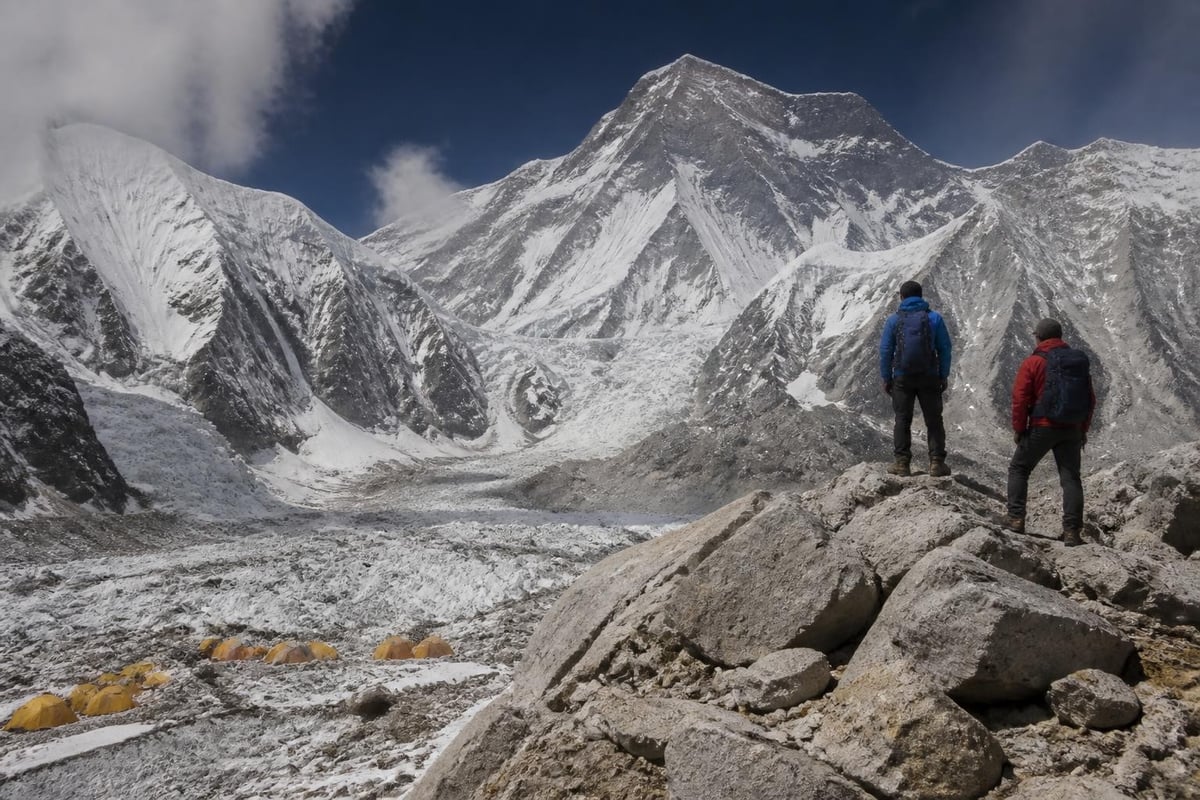
Preparing for an expedition to Mount Everest demands at least 12-18 months of dedicated training. Physical conditioning must focus on cardiovascular endurance, muscular strength, and altitude adaptation. Successful climbers typically spend 50-60 days on the mountain, with the majority dedicated to acclimatization rather than climbing.
Training programs should incorporate:
- Cardiovascular training: Running, cycling, or hiking with weighted packs for 4-6 hours weekly
- Strength conditioning: Focus on legs, core, and upper body to handle technical climbing sections
- Altitude exposure: Practice climbs on peaks above 14,000 feet to assess personal response
- Technical skills: Ice climbing, rope handling, and crampon techniques
- Mental resilience: Meditation, visualization, and stress management practices
Mental preparation proves equally critical. The psychological demands of extreme altitude, confined tent living, and the constant awareness of danger require exceptional mental fortitude. Many expedition leaders recommend working with sports psychologists to develop coping strategies for the inevitable challenges.
Acclimatization Strategy
The human body cannot survive indefinitely above 26,000 feet in the "death zone" where oxygen levels drop to one-third of sea level. Research on emergent risks in the Everest region highlights how climate change affects acclimatization schedules and weather patterns.
Proper acclimatization follows the "climb high, sleep low" principle, with multiple rotations between camps:
- Rotation One: Climb to Camp 1 or 2, return to Base Camp
- Rotation Two: Push to Camp 2 or 3, return to Base Camp
- Rest Period: Recovery at Base Camp for 5-7 days
- Summit Push: Continuous climb through all camps to summit
This process typically requires 40-50 days, allowing the body to produce more red blood cells and adapt to reduced oxygen availability.
Permits, Regulations, and Environmental Responsibility
Securing permits represents one of the most complex aspects of planning an expedition to Mount Everest. Nepal charges $11,000 per person for climbing permits during peak season, while Tibet's permits cost approximately $7,000 but require additional documentation through Chinese authorities. These fees support local conservation efforts and provide infrastructure maintenance.
Beyond official permits, climbers must demonstrate:
- Previous high-altitude experience: Most operators require summits above 20,000 feet
- Medical clearance: Comprehensive health screenings and altitude fitness assessments
- Insurance coverage: Including helicopter evacuation from high camps
- Environmental deposits: Refundable bonds ensuring waste removal and proper conduct
Environmental Impact and Sustainable Practices
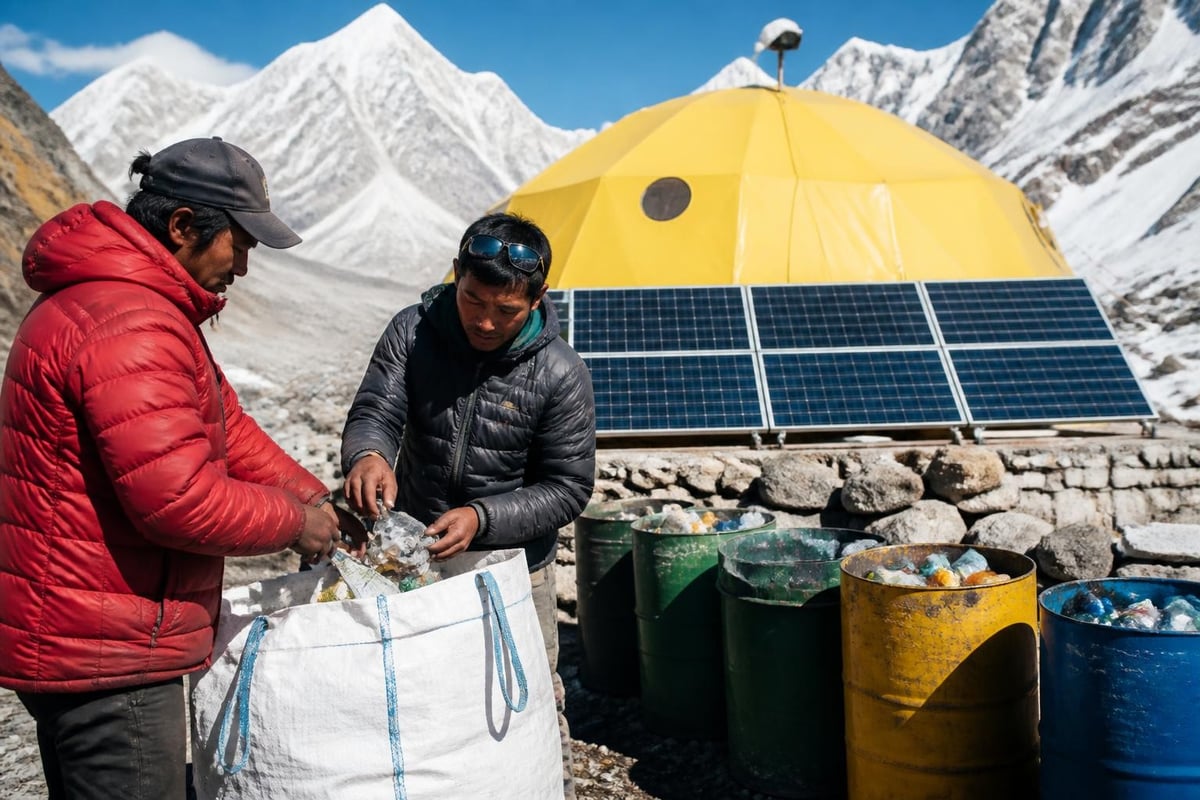
The surge in Everest expeditions has created significant environmental challenges. Safety problems facing climbers often stem from overcrowding and inadequate operator standards. Responsible expeditions prioritize sustainability through:
- Carrying all waste down from high camps, including human waste
- Using solar panels and renewable energy at Base Camp
- Supporting local porter and guide communities with fair wages
- Limiting group sizes to reduce environmental footprint
- Contributing to clean-up initiatives and trail maintenance
Elevated Trips exemplifies this responsible approach through their Lhasa to Everest Base Camp, Tibet tour, which emphasizes cultural immersion and environmental stewardship while providing authentic engagement with Tibetan communities.
Weather Patterns and Timing Considerations
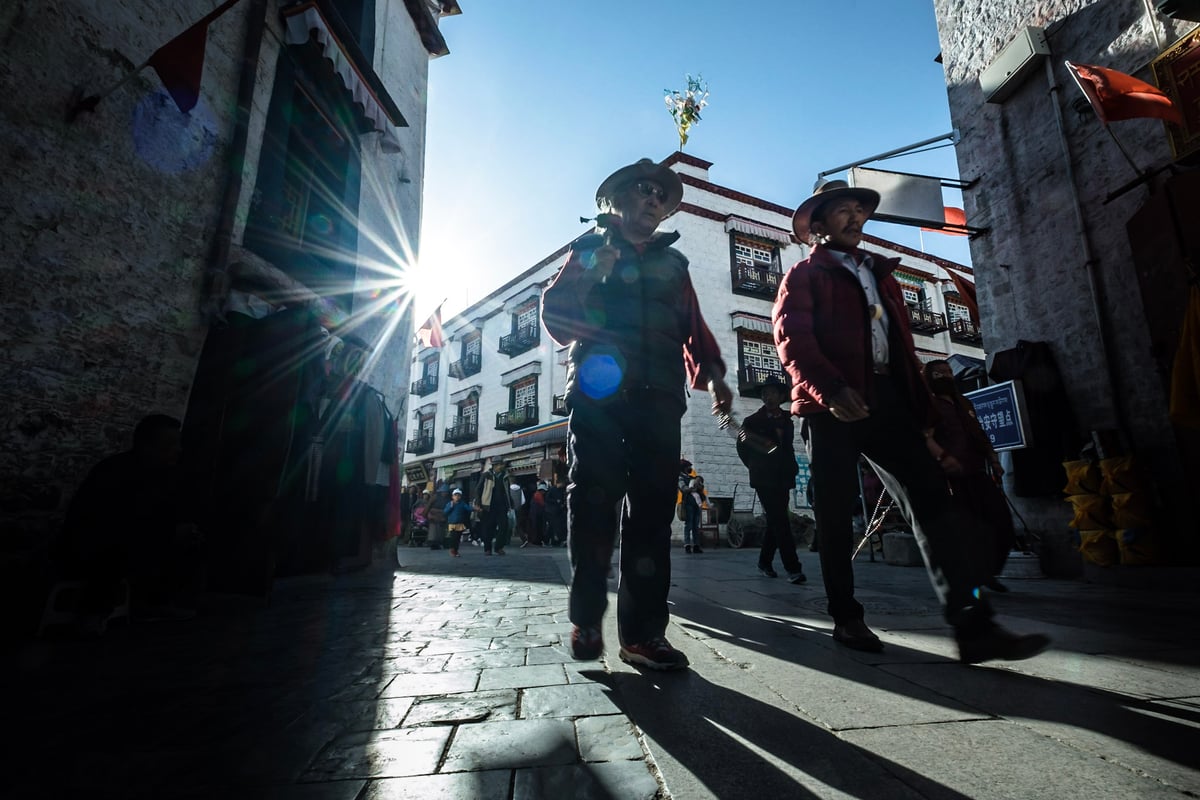
Weather dictates everything on an expedition to Mount Everest. The mountain experiences extreme conditions year-round, with only brief windows suitable for summit attempts. The pre-monsoon season (April-May) offers the most stable weather, though recent years have seen increased unpredictability.
Key weather factors include:
- Jet stream position: When the jet stream lifts north of the summit, wind speeds drop from 100+ mph to manageable levels
- Temperature: Summit temperatures range from -20°F to -40°F even during favorable conditions
- Precipitation: Heavy snowfall can trap climbers, as hundreds experienced in recent storms
- Visibility: Cloud cover and blowing snow can reduce visibility to zero within minutes
Experienced expedition leaders monitor multiple weather services and maintain constant communication with meteorologists. The decision to attempt the summit often comes with just 24-48 hours notice when weather models align favorably.
Team Selection and Expedition Operators
Choosing the right team for an expedition to Mount Everest significantly impacts safety and success rates. The comprehensive overview of climbing Mount Everest emphasizes that operator selection should prioritize experience over cost.
| Operator Criteria | Why It Matters | Questions to Ask |
|---|---|---|
| Sherpa-to-client ratio | Safety and support | What is your guide ratio above Camp 2? |
| Oxygen supply | Emergency reserves | How many bottles per climber? |
| Weather forecasting | Summit timing | Which weather services do you use? |
| Emergency protocols | Rescue capability | What evacuation plans exist for each camp? |
| Success rate | Experience level | What percentage reach the summit safely? |
Reputable operators provide comprehensive support including high-altitude Sherpas, Western guides, Base Camp medical staff, and communication systems. They also maintain ethical practices regarding summit timing, refusing to push clients when conditions deteriorate.
The Role of Sherpas and Local Communities
Sherpas provide indispensable expertise and labor for Everest expeditions. These high-altitude specialists fix ropes, carry supplies, establish camps, and often make the difference between success and failure. Ethical expeditions ensure fair compensation, proper insurance, and respect for Sherpa decision-making regarding safety.
Supporting local communities extends beyond hiring Sherpas. Responsible expeditions purchase supplies locally, employ porters from nearby villages, and contribute to community development projects. This approach aligns with the principles of ecotourism, ensuring that the economic benefits of mountaineering support the people who call the Himalayas home.
Health Risks and Medical Preparedness
Medical challenges represent the most serious aspect of any expedition to Mount Everest. Recent fatalities on the mountain underscore the importance of understanding and mitigating health risks.
Primary medical concerns include:
- Acute Mountain Sickness (AMS): Headaches, nausea, and fatigue that can progress to life-threatening conditions
- High Altitude Pulmonary Edema (HAPE): Fluid accumulation in the lungs requiring immediate descent
- High Altitude Cerebral Edema (HACE): Brain swelling that can cause death within hours
- Frostbite: Permanent tissue damage from exposure to extreme cold
- Exhaustion: Physical depletion that impairs judgment and motor function
All expedition members should understand early warning signs and commit to descending at the first indication of serious altitude illness. Base Camp medical facilities provide initial treatment, but helicopter evacuation remains the only option for severe cases above certain altitudes.
Medical Kit Essentials
Comprehensive medical preparation includes personal medications, altitude illness treatments, and first aid supplies. Critical items include dexamethasone for HACE, nifedipine for HAPE, antibiotics for respiratory infections, and extensive wound care supplies. Many expeditions now carry portable altitude chambers (Gamow bags) for emergency treatment of altitude sickness.
Cultural Significance and Respectful Engagement
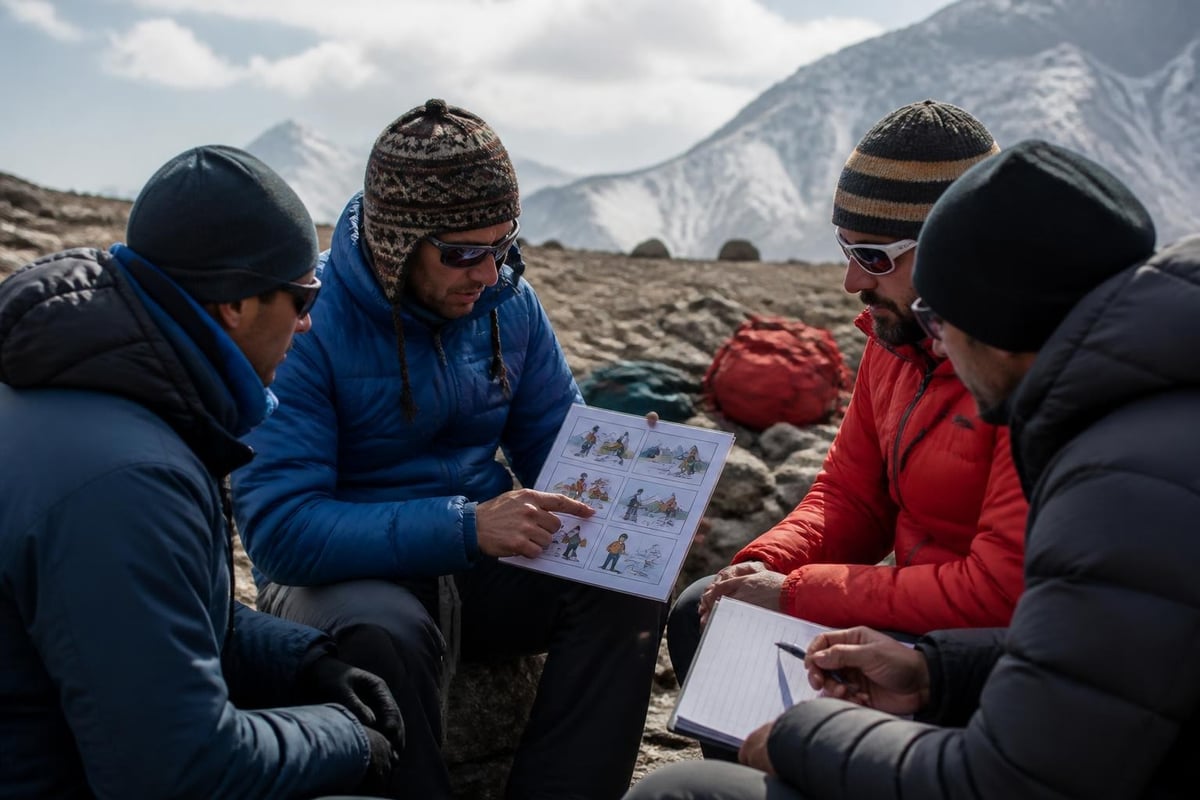
Mount Everest holds profound spiritual significance for local communities. The Sherpa name "Chomolungma" means "Goddess Mother of the World," reflecting deep reverence for the mountain. Tibetans call it "Qomolangma," and both cultures maintain important spiritual connections to the peak.
An expedition to Mount Everest should honor these cultural traditions through:
- Puja ceremonies: Participating in Buddhist blessing rituals before climbing
- Respectful conduct: Avoiding inappropriate behavior near sacred sites
- Cultural learning: Understanding local customs and traditions
- Community engagement: Supporting local economies and cultural preservation
- Environmental reverence: Treating the mountain as sacred, not merely a conquest
The Nepal Everest Base Camp trek offers opportunities to engage deeply with Sherpa culture while experiencing the Himalayan landscape. This cultural immersion enriches the climbing experience and builds meaningful connections with local communities.
Financial Planning and Budget Considerations
The cost of an expedition to Mount Everest ranges from $30,000 to over $100,000 depending on operator, route, and service level. Budget expeditions may compromise on safety equipment, experienced guides, or adequate oxygen supplies, while premium operators provide comprehensive support.
Major expense categories include:
- Climbing permit: $7,000-$11,000
- Expedition operator fee: $25,000-$65,000
- Travel and logistics: $3,000-$8,000
- Equipment and gear: $5,000-$15,000
- Training expeditions: $5,000-$20,000
- Insurance: $2,000-$5,000
Additional costs arise from extended time away from work, often 2-3 months including preparation climbs. Historical expedition data shows that success rates correlate with investment in experienced operators and comprehensive support systems.
Equipment and Gear Requirements
Specialized equipment for an expedition to Mount Everest must withstand extreme conditions while minimizing weight. Every item serves a critical function, and equipment failure can prove catastrophic.
Essential Gear Checklist
Clothing layers:
- Base layers: Merino wool or synthetic moisture-wicking fabrics
- Insulation: Down suits rated for -40°F
- Shell layers: Waterproof, windproof Gore-Tex or similar
- Extremities: Multiple glove systems, insulated boots, face protection
Technical equipment:
- Crampons and ice axes for glacier travel
- Harness and ascending/descending devices
- Supplemental oxygen system with multiple bottles
- High-altitude sleeping bag rated to -40°F
- Four-season expedition tent
Safety and communication:
- Satellite phone or two-way radio
- GPS device with pre-loaded routes
- Emergency beacon (PLB or satellite messenger)
- Headlamps with extra batteries
Quality equipment represents a significant investment but provides essential protection against Everest's harsh environment. Many climbers test all gear during training expeditions to ensure proper fit and function.
Current Challenges and Future of Everest Expeditions
The future of expeditions to Mount Everest faces significant challenges from climate change, overcrowding, and evolving safety standards. Glacial retreat affects route stability, while warming temperatures increase rockfall and avalanche danger in previously stable areas.
Regulatory bodies continue refining requirements to improve safety outcomes. Nepal now requires proof of previous high-altitude experience, while discussions continue regarding limiting annual permits to reduce overcrowding. These measures aim to preserve both climber safety and the mountain's environmental integrity.
Emerging considerations include:
- Climate adaptation strategies for changing conditions
- Technology integration for improved safety and communication
- Sustainable waste management systems
- Enhanced rescue capabilities at extreme altitudes
- Cultural preservation amid increasing commercialization
Organizations advocating for responsible mountaineering emphasize quality over quantity, encouraging fewer, better-prepared expeditions that prioritize environmental stewardship and cultural respect. This approach aligns with broader ecotourism principles that value sustainable, meaningful engagement over mass tourism.
The Reality of Summit Success
While many dream of standing atop the world's highest peak, the reality of an expedition to Mount Everest involves accepting that summit success remains uncertain. Weather windows close unexpectedly, health issues arise, and equipment fails despite careful preparation. Experienced climbers understand that the summit is optional, but descent is mandatory.
Success rates vary dramatically based on route, season, and operator quality. Recent years have seen success rates between 40-60% for climbers attempting the summit, with significantly higher rates among those using premium operators with experienced Sherpa support. However, these statistics don't account for climbers who turn back during acclimatization or never attempt the summit push.
The decision to turn around requires tremendous discipline and wisdom. Many who reach the summit do so on their second or third attempt, having learned from previous experiences and refined their preparation. This patience and respect for the mountain ultimately leads to safer, more meaningful climbing experiences.
An expedition to Mount Everest represents far more than athletic achievement-it embodies the intersection of human aspiration, environmental responsibility, and cultural respect. Success requires comprehensive preparation, ethical engagement with local communities, and unwavering commitment to safety and sustainability. If you're inspired to experience the majesty of the Himalayas while supporting local communities and practicing responsible tourism, Elevated Trips offers culturally immersive adventures throughout the Tibetan Plateau, Nepal, and Bhutan that honor both the land and its people. Their small group approach ensures authentic experiences that benefit the communities who call these extraordinary landscapes home.