Understanding Bhat Eco Tourism Fundamentals
Bhat eco tourism operates on principles that distinguish it from mainstream tourism by embedding visitors within the social fabric of remote communities. Unlike hotel-based tourism that often channels profits to external investors, bhat-style accommodations keep revenue within local households.
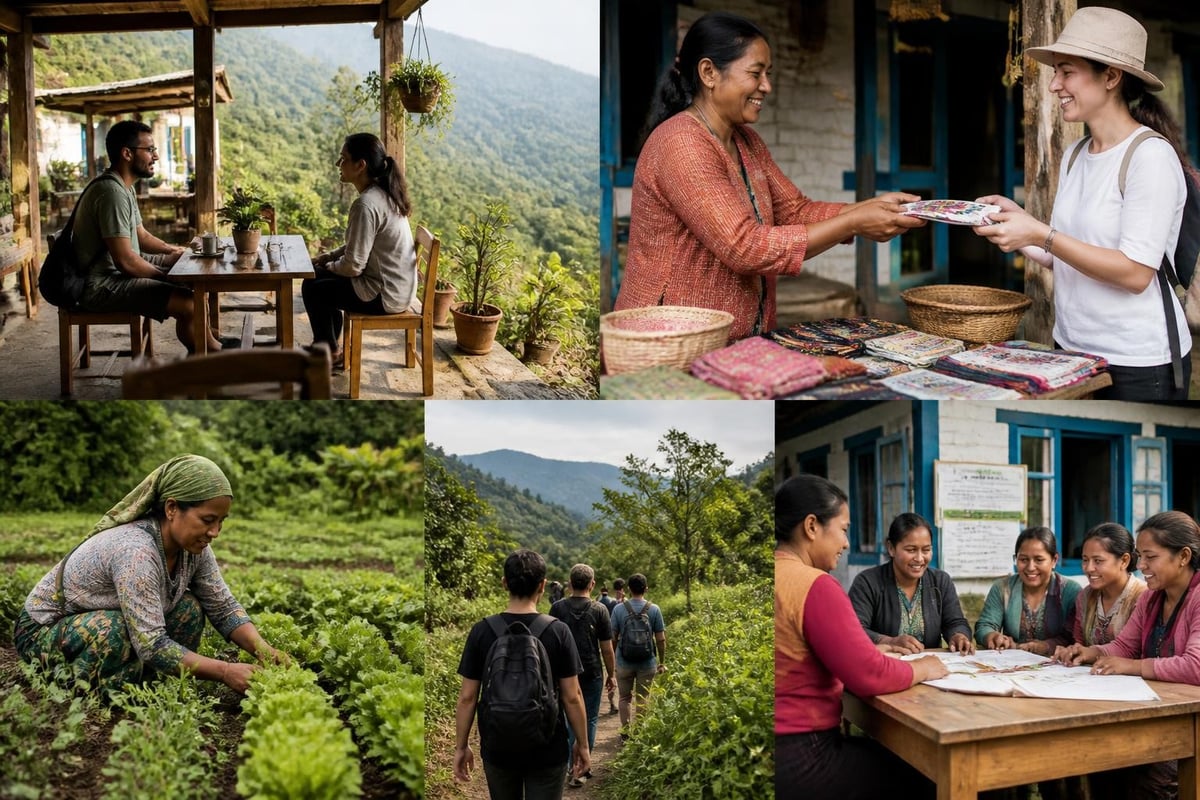
The concept aligns with broader ecotourism principles that emphasize minimal environmental impact and maximum community benefit. In practice, this means travelers stay in family-run homes, eat locally sourced meals, and participate in daily activities that reveal authentic cultural practices.
Core Principles That Define This Model
Several foundational elements characterize effective bhat eco tourism programs across different regions:
- Direct economic benefits flowing to host families rather than intermediaries
- Cultural exchange through shared meals, storytelling, and participation in traditional activities
- Environmental stewardship using local resources responsibly and supporting conservation efforts
- Small-scale operations that prevent overtourism and maintain community character
- Educational components where visitors learn indigenous knowledge systems and sustainable practices
These principles ensure that tourism development strengthens rather than disrupts traditional ways of life. The success of bhat eco tourism depends on maintaining this delicate balance between welcoming outsiders and preserving cultural authenticity.
Regional Variations and Implementation Models
Different Himalayan regions have adapted bhat eco tourism concepts to fit their unique cultural contexts and environmental conditions. The Tibetan Plateau, for instance, features high-altitude homestays where travelers experience nomadic traditions and Buddhist monastery culture firsthand.
| Region | Accommodation Style | Cultural Elements | Environmental Focus |
|---|---|---|---|
| Tibetan Plateau | Traditional stone houses | Buddhist practices, yak herding | High-altitude ecosystem preservation |
| Nepal Hills | Multi-level bhattis | Sherpa culture, mountain agriculture | Forest conservation, watershed protection |
| Bhutan Valleys | Farmhouse stays | Dzong architecture, archery traditions | Gross National Happiness principles |
| Indian Himalayas | Village guesthouses | Diverse tribal cultures, handicrafts | Biodiversity hotspot protection |
In Bhutan, bhat eco tourism integrates with the national tourism policy requiring visitors to use licensed operators and pay daily sustainability fees. This ensures tourism revenue supports nationwide conservation efforts while individual families benefit from hosting travelers in their homes.
Community Organization and Governance
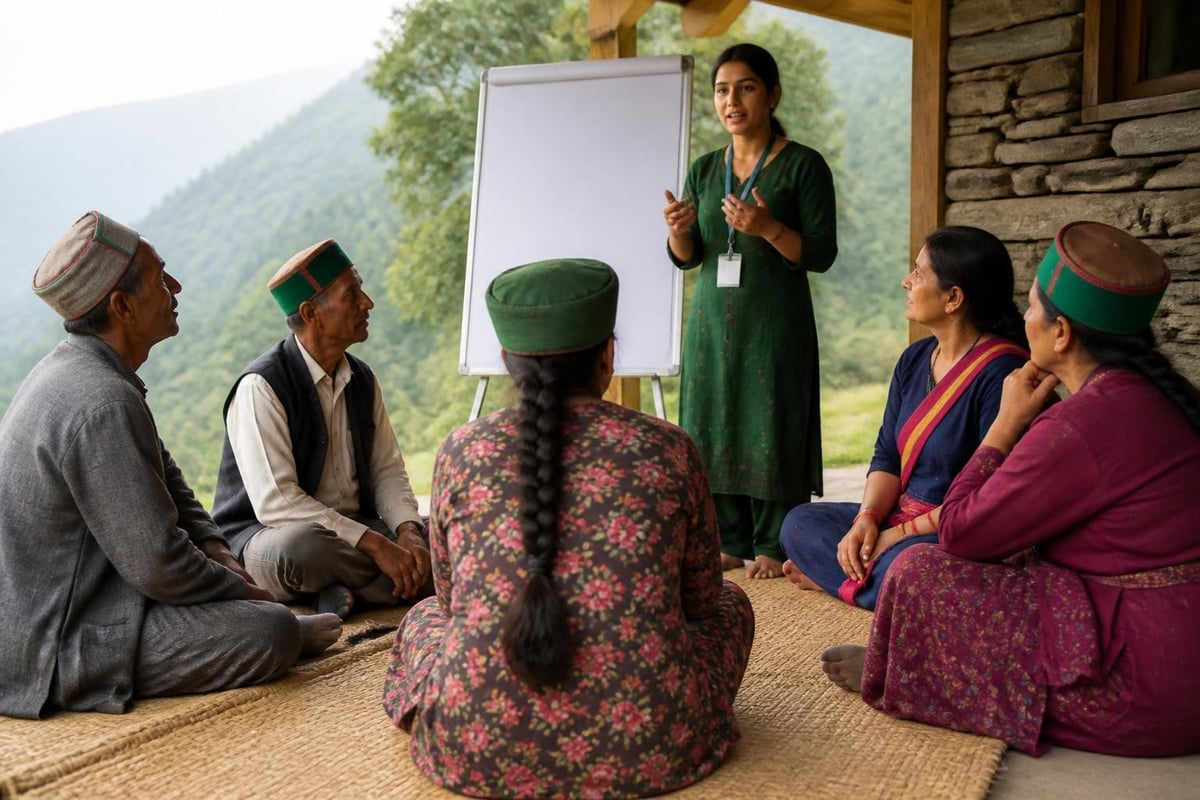
Successful bhat eco tourism initiatives typically involve collective decision-making processes where communities establish guidelines for visitor management. Village committees determine carrying capacities, rotate hosting responsibilities among families, and set pricing standards that prevent undercutting.
Inclusive ecotourism models demonstrate how these governance structures can provide sustainable livelihood opportunities while maintaining social cohesion. When communities control tourism development, they can ensure benefits are distributed equitably and cultural values are respected.
Economic Impact and Livelihood Diversification
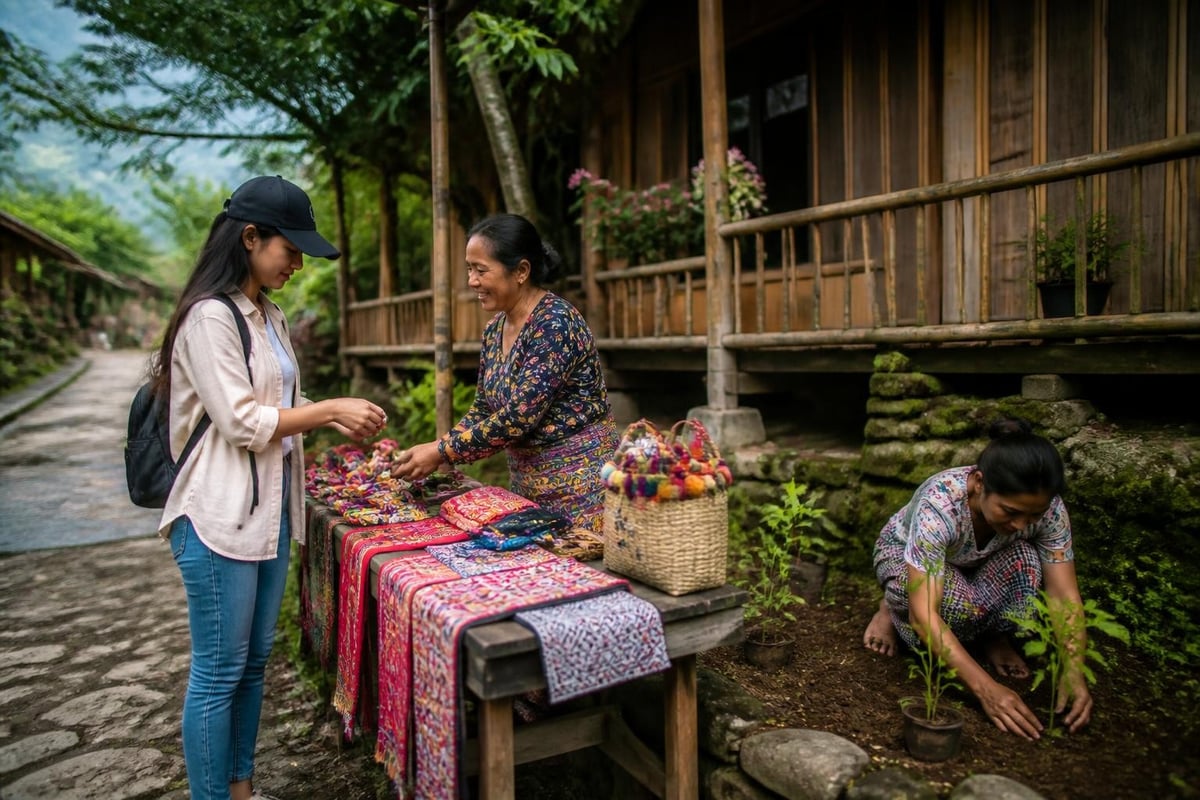
Bhat eco tourism creates direct income opportunities for households in regions where traditional livelihoods face increasing challenges from climate change and market pressures. A single traveler staying three nights can generate income equivalent to weeks of agricultural labor, providing crucial economic diversification.
The multiplier effect extends beyond accommodation fees. Visitors purchase local handicrafts, hire community guides, and consume agricultural products that might otherwise lack market access. This creates interdependencies that strengthen local economies without requiring large infrastructure investments.
Measuring Success Beyond Revenue
Financial metrics tell only part of the story. Effective bhat eco tourism programs track multiple indicators of community wellbeing:
- Cultural vitality measured through continued practice of traditional crafts and ceremonies
- Youth retention as young people find viable livelihoods without urban migration
- Resource health including forest cover, water quality, and wildlife populations
- Social cohesion assessed through community participation and equitable benefit distribution
- Visitor satisfaction gauged by return rates and positive cultural exchange experiences
Research on sustainable tourism challenges in South Asia highlights the importance of these holistic assessments in evaluating long-term program viability.
Environmental Conservation Through Tourism
Bhat eco tourism creates economic incentives for environmental protection by making intact ecosystems valuable to local communities. When forests provide tourism income through wildlife viewing or medicinal plant education, communities have tangible reasons to prevent deforestation.
The small-scale nature of bhat accommodations inherently limits environmental impact compared to hotel developments. Traditional construction methods using local materials have minimal carbon footprints, and waste management systems typically rely on composting and recycling practices communities already employ.
Many bhat eco tourism programs explicitly fund conservation projects through visitor fees. A portion of accommodation charges might support wildlife corridors, reforestation initiatives, or watershed protection programs that benefit both residents and ecosystems.
Climate Adaptation and Resilience
Mountain communities face disproportionate climate change impacts, from glacial melt affecting water supplies to shifting weather patterns disrupting agriculture. Bhat eco tourism provides adaptive capacity by diversifying income sources and creating financial reserves for climate shocks.
However, tourism itself contributes to climate change through transportation emissions. Responsible bhat eco tourism programs address this by encouraging longer stays that maximize the value of each journey, supporting regional transportation infrastructure, and investing tourism revenues in renewable energy and climate adaptation projects.
Cultural Preservation and Knowledge Exchange
One of bhat eco tourism's most significant contributions is creating space for intergenerational cultural transmission. When travelers express genuine interest in traditional practices, elders gain motivation to teach younger generation skills that might otherwise be lost.
The documentation and sharing of indigenous knowledge systems through tourism interactions can support cultural preservation efforts. Visitors often photograph traditional techniques, record oral histories, and help communities recognize the value of practices they might otherwise consider outdated.
For those seeking authentic experiences, exploring cultural tour options reveals the diversity of heritage across different Himalayan regions.
Avoiding Cultural Commodification
The challenge lies in maintaining authenticity while sharing culture with outsiders. Communities must navigate the tension between economic incentives to perform culture and the need to preserve sacred or private aspects of their traditions.
- Setting clear boundaries around which ceremonies are appropriate for visitor participation
- Training community members as cultural interpreters who can explain context without compromising meaning
- Creating separate tourist-oriented events that don't interfere with genuine religious or social practices
- Ensuring communities retain control over cultural representation and storytelling
Successful bhat eco tourism programs emphasize mutual learning rather than one-way cultural consumption, creating space for genuine dialogue between visitors and hosts.
Practical Implementation Challenges
Despite its benefits, bhat eco tourism faces significant obstacles that can undermine sustainability goals. Infrastructure limitations in remote areas often mean inconsistent electricity, limited communication facilities, and basic sanitation systems that may not meet all travelers' expectations.
Quality control presents another challenge when multiple independent households offer accommodation. Without standardization, visitor experiences vary widely, potentially affecting destination reputation. However, excessive standardization can eliminate the authentic variation that makes bhat stays appealing.
| Challenge | Impact | Potential Solutions |
|---|---|---|
| Language barriers | Limits communication and cultural exchange | Community language training, interpretation apps, bilingual youth engagement |
| Seasonal fluctuations | Income instability for host families | Diversified livelihoods, visitor shoulder season marketing, agricultural integration |
| Safety concerns | Visitor hesitation, liability issues | First aid training, emergency protocols, insurance mechanisms |
| Marketing reach | Limited visitor awareness and bookings | Cooperative marketing platforms, partnership with ethical tour operators, social media training |
Case studies of community-driven ecotourism from other regions provide valuable lessons for addressing these challenges through collective action and external partnerships.
Technology's Role in Connecting Communities and Travelers
Digital platforms have revolutionized how bhat eco tourism programs reach potential visitors. Communities that once relied entirely on word-of-mouth or travel agent partnerships can now market directly to conscious travelers worldwide.
Online booking systems reduce dependency on intermediaries who extract significant commissions, though they require internet access and digital literacy that aren't universal in remote areas. Social media enables communities to share their stories authentically, building relationships with travelers before arrival.
Balancing Connectivity and Cultural Integrity
While technology expands opportunities, it also introduces risks. The pressure to maintain constant online presence can distract from cultural and economic activities. Communities must determine what level of digital engagement serves their interests without becoming burdensome.
Many successful programs designate specific community members as digital liaisons who manage online communications while others focus on hospitality and cultural programming. This division of labor recognizes different skill sets and prevents technology from overwhelming traditional knowledge holders.
Training and Capacity Building Initiatives
Effective bhat eco tourism requires host communities to develop new skills while maintaining traditional knowledge. Training programs often cover hospitality standards, hygiene practices, basic English communication, and visitor safety protocols.
However, the most successful capacity-building efforts are bidirectional. While communities learn about visitor expectations and tourism management, they also assert their expertise in sustainable living, cultural practices, and environmental stewardship.
External organizations supporting bhat eco tourism development should adopt facilitation rather than instruction models. Communities know their contexts best and should drive program design with technical support rather than imposed solutions.
The sustainable development opportunities and challenges in ecotourism highlight the importance of locally-led capacity building that respects community autonomy.
Policy Frameworks Supporting Community-Based Tourism
Government policies significantly influence bhat eco tourism viability through regulations, support programs, and resource allocation decisions. Progressive frameworks recognize community tourism as a development strategy worthy of investment rather than merely tolerating it within existing tourism structures.
Supportive policies might include streamlined licensing processes for small-scale operators, tax incentives for eco-friendly practices, marketing support through national tourism boards, and infrastructure investments in rural areas. Regional ecotourism potential often remains untapped without such governmental backing.
Conversely, policies designed for conventional tourism can inadvertently harm bhat initiatives through inappropriate safety standards, registration requirements that favor larger operators, or marketing that emphasizes luxury accommodations over authentic experiences.
Land Rights and Resource Access
Secure land tenure and resource rights are fundamental to community-based tourism. Communities cannot sustainably manage tourism if they lack legal control over the landscapes and resources that attract visitors.
Policy advocacy by bhat eco tourism networks often focuses on strengthening indigenous and community land rights, ensuring that tourism development cannot displace local populations or privatize commons that support both livelihoods and visitor experiences.
Integrating Traditional Sustainability Practices
Himalayan communities have sustained themselves for generations through sophisticated resource management systems that modern sustainability science is only beginning to appreciate. Bhat eco tourism provides a platform for demonstrating these practices to outsiders.
Traditional water harvesting techniques, rotational grazing patterns, sacred forest groves that protect biodiversity, and agricultural methods adapted to extreme conditions all represent indigenous sustainability knowledge. When visitors witness these systems in action, they gain insights applicable to global environmental challenges.
This knowledge exchange benefits both parties. Communities receive validation for practices that external development agendas sometimes dismiss as backward, while travelers gain practical sustainability lessons they can apply at home. Some eco-conscious travelers even adopt sustainable lifestyle changes inspired by their bhat eco tourism experiences.
Partnership Models for Enhanced Impact
Strategic partnerships can amplify bhat eco tourism benefits while mitigating risks. Collaborations with ethical tour operators, conservation organizations, research institutions, and social enterprises each offer distinct advantages.
Tour operators specializing in responsible travel can provide marketing reach and quality control that individual communities struggle to achieve independently. The Kham Tibet Photography Tour exemplifies how professionally organized tours can facilitate deep cultural engagement while ensuring communities receive fair compensation and maintain control over visitor experiences.
Conservation organizations bring technical expertise in ecosystem management and can help communities develop tourism products around wildlife viewing or nature interpretation. Research partnerships document traditional knowledge, assess environmental impacts, and provide evidence for policy advocacy.
Establishing Equitable Partnership Terms
The key to successful partnerships is ensuring community agency and equitable benefit distribution. Communities should participate as decision-makers, not merely service providers implementing external visions.
Partnership agreements should explicitly address revenue sharing, intellectual property rights over cultural knowledge, decision-making processes, and exit strategies if relationships prove unsustainable. Written agreements in local languages prevent misunderstandings and provide recourse if disputes arise.
Visitor Responsibilities and Ethical Engagement
Bhat eco tourism success depends equally on traveler behavior and community hospitality. Visitors carry responsibilities to engage respectfully, minimize impacts, and contribute meaningfully to host communities.
Pre-trip preparation should include learning basic cultural protocols, understanding regional environmental challenges, and setting realistic expectations about accommodation standards. During visits, travelers should prioritize cultural sensitivity over personal comfort, recognizing that different norms around privacy, meal timing, and daily routines reflect legitimate cultural differences rather than inadequacies.
Guidelines for Responsible Participation
Conscious travelers engaging in bhat eco tourism should:
- Learn and respect local customs including dress codes, photography restrictions, and sacred space protocols
- Minimize resource consumption through conservative water use, waste reduction, and energy conservation
- Support local economies by purchasing handicrafts directly and hiring community guides
- Engage authentically through genuine curiosity rather than extractive tourism behaviors
- Provide constructive feedback that helps communities improve while respecting their autonomy
- Share experiences responsibly through testimonials and social media that attract appropriate visitors
These practices transform visits from transactions into meaningful exchanges that benefit both communities and travelers. Resources on responsible tourism practices provide additional guidance for conscious travelers.
Measuring and Communicating Impact
Bhat eco tourism programs need robust monitoring systems that track progress toward sustainability goals while remaining simple enough for community implementation. Overly complex assessment frameworks become burdens rather than management tools.
Participatory monitoring approaches where communities define success indicators and collect data ensure relevance and build local capacity. Indicators might include number of households benefiting, distribution of tourism income, environmental condition metrics, and cultural vitality measures.
Communicating impact to potential visitors, partners, and policymakers requires translating data into compelling narratives. Stories of individual families whose lives improved through tourism, quantified environmental benefits, or cultural practices revitalized through visitor interest make abstract metrics meaningful.
Future Directions and Scaling Considerations
As bhat eco tourism demonstrates viability, questions arise about scaling impact without undermining the small-scale intimacy that defines the model. Growth strategies must carefully balance expanded benefits against risks of overcrowding and cultural dilution.
Network approaches where multiple communities offer similar experiences across a region can distribute visitor pressure while maintaining individual program integrity. Regional bhat eco tourism networks might share marketing costs, develop common quality standards, and negotiate collectively with tour operators.
However, bhat eco tourism may never achieve mass tourism scale, and that limitation is actually a strength. By remaining small-scale and selective, these programs maintain the authenticity and environmental sustainability that attract conscious travelers willing to pay premiums for genuine experiences.
The evolving landscape of tourism across different regions shows increasing diversity in sustainable travel options as communities adapt models to their unique contexts.
Integration with Broader Development Goals
Bhat eco tourism shouldn't exist in isolation but rather integrate with comprehensive community development strategies. Tourism revenue can seed other sustainable enterprises, fund education and healthcare, or support agricultural innovations that enhance both livelihoods and visitor experiences.
This integrated approach recognizes that tourism alone cannot solve all development challenges and may introduce new vulnerabilities through economic dependence on external visitors. Diversified local economies where tourism complements rather than replaces traditional livelihoods offer greater resilience.
Communities should maintain agency over development priorities rather than allowing tourism to dominate decision-making. Sometimes the best choice is limiting tourism growth to preserve quality of life, even if expansion could generate more income.
Bhat eco tourism represents a powerful model for sustainable development that honors cultural traditions while creating economic opportunities in mountain communities. By keeping travelers and hosts in direct relationship within authentic cultural settings, this approach builds mutual understanding and channels tourism benefits where they're most needed. Elevated Trips specializes in facilitating these meaningful cultural exchanges across the Tibetan Plateau, India, Nepal, and Bhutan through small group tours that prioritize community benefit and authentic engagement. If you're ready to experience the transformative power of community-based travel in the Himalayas, explore our carefully curated itineraries designed in partnership with local communities.