Understanding the Sacred Significance
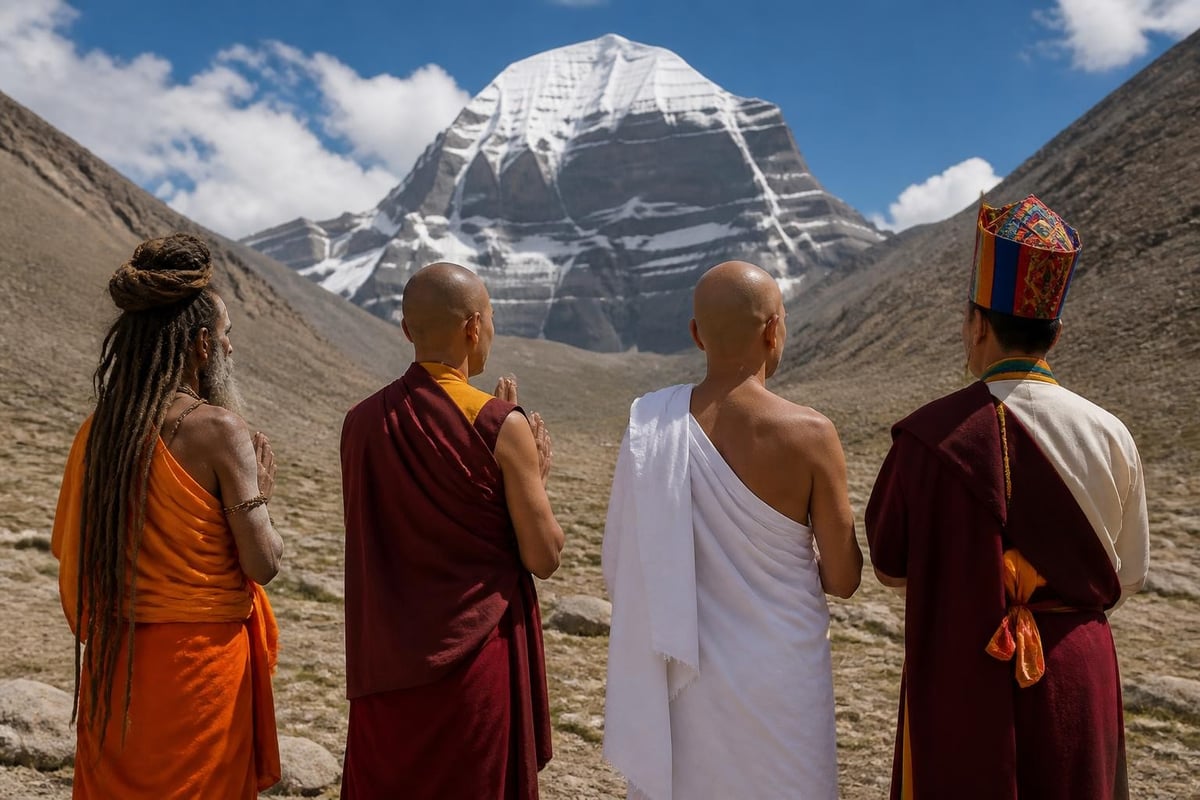
Mount Kailash holds unparalleled importance across four major religions: Hinduism, Buddhism, Jainism, and Bon. Hindus believe the mountain is the eternal abode of Lord Shiva, where the deity sits in perpetual meditation. Buddhists associate it with Buddha Demchok, representing supreme bliss. According to the Encyclopedia of Buddhism, the mountain is considered the physical manifestation of Mount Meru, the center of the Buddhist universe.
Religious Perspectives and Traditions
Jains revere Kailash as the site where their first Tirthankara achieved liberation, while Bon practitioners consider it the nine-story swastika mountain, the seat of all spiritual power. This convergence of faiths creates a unique atmosphere where diverse pilgrims walk the same paths, united by reverence despite different theological interpretations.
The Tibetan Library documents extensive historical records showing how Mount Kailash has remained central to Tibetan cultural identity for centuries. These traditions continue today, with thousands completing the kora annually.
Key Religious Associations:
- Hinduism: Abode of Lord Shiva and Goddess Parvati
- Buddhism: Dwelling place of Buddha Demchok
- Jainism: Liberation site of Rishabhadeva
- Bon: Nine-story swastika mountain, source of spiritual power
Planning Your Mount Kailash Trip
Proper planning separates successful pilgrimages from disappointing experiences. The journey requires extensive preparation, from securing permits to physical conditioning and cultural research. Most travelers spend 12 to 18 months preparing for this transformative expedition.
Permits and Documentation Requirements
Accessing Mount Kailash requires multiple permits, as the region falls under strict Chinese governance. Foreign travelers cannot visit independently and must join organized tours. The essential documents include a Tibet Travel Permit, Alien's Travel Permit, Military Permit, and Foreign Affairs Permit. Understanding permits and visas for Tibetan travel helps streamline this complex process.
According to the U.S. Department of State, travelers should apply for permits at least three months in advance through authorized tour operators. Individual applications are not accepted, reinforcing the necessity of working with established companies that maintain relationships with Chinese authorities.
| Permit Type | Purpose | Processing Time | Validity |
|---|---|---|---|
| Tibet Travel Permit | Basic entry to Tibet | 4-6 weeks | Trip duration |
| Alien's Travel Permit | Access to restricted areas | 2-3 weeks | Specific regions |
| Military Permit | Border region access | 2-3 weeks | Designated zones |
| Foreign Affairs Permit | Mount Kailash area | 2-3 weeks | Circuit route |
Best Time to Visit
Timing dramatically impacts the mount kailash trip experience. The pilgrimage season runs from May through mid-October, with peak months being June through September. During these months, temperatures remain manageable, though still dropping below freezing at night.
May and early June offer fewer crowds and blooming wildflowers across high-altitude meadows. July and August bring warmer temperatures but also monsoon rains to lower elevations, though the Kailash region remains relatively dry due to its rain shadow location. September provides crisp air, clear skies, and moderate crowds, making it ideal for photographers and those seeking solitude.
Seasonal Considerations:
- May-June: Moderate weather, fewer pilgrims, spring landscapes
- July-August: Warmest temperatures, Saga Dawa festival (full moon day)
- September-October: Clear skies, autumn colors, comfortable trekking
The Kora Circuit Route
The circumambulation, or kora, around Mount Kailash covers approximately 52 kilometers and typically takes three days for most pilgrims. This sacred circuit follows ancient paths worn smooth by countless feet over millennia. Lonely Planet’s trekking guide provides detailed route information for those preparing for this challenging walk.
Day One: Darchen to Dirapuk Monastery
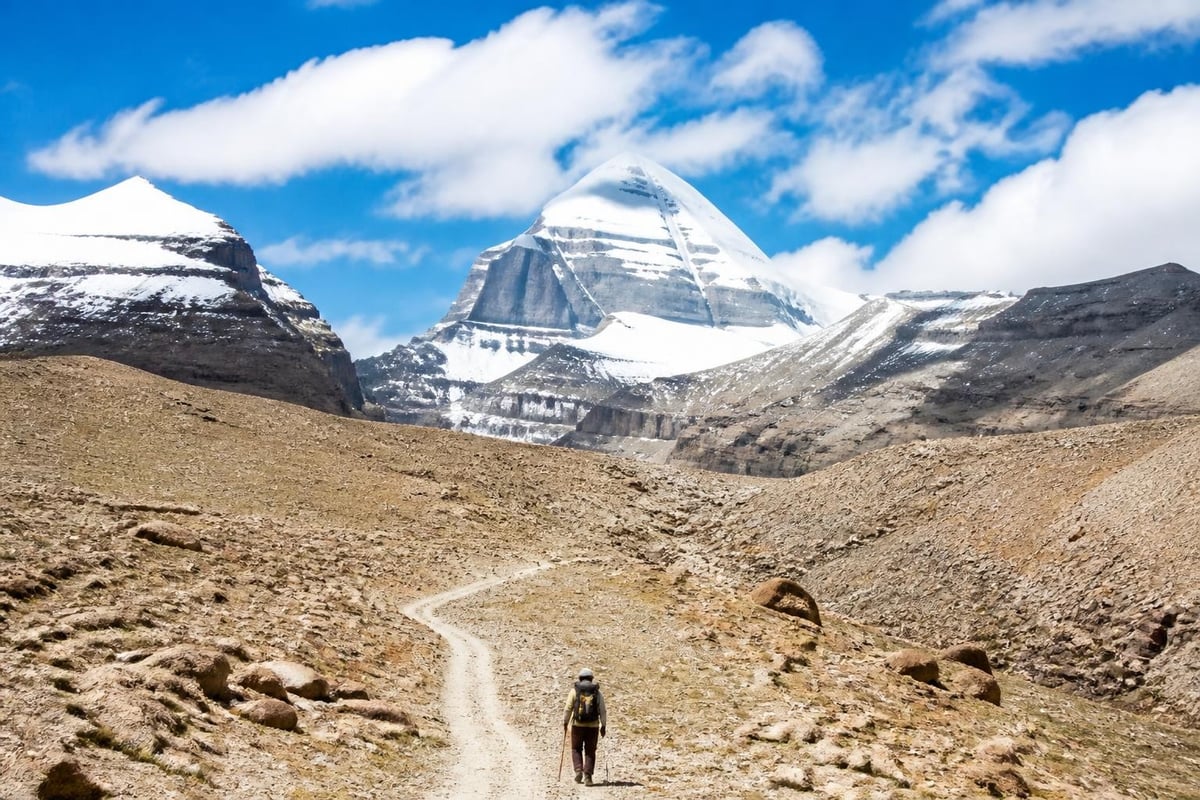
The journey begins in Darchen, a small settlement at 4,560 meters that serves as the base for pilgrims. The first day covers roughly 20 kilometers, gradually ascending to Dirapuk Monastery at 5,080 meters. This section passes by the western face of Kailash, offering spectacular views when weather permits.
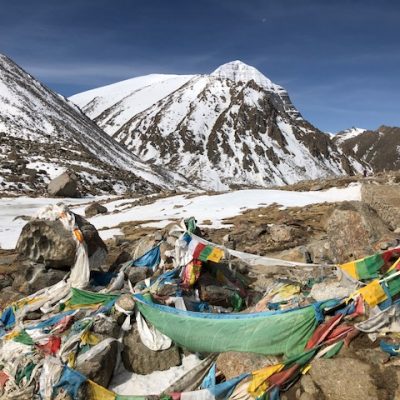
Pilgrims pass through the sacred site where sky burials traditionally occurred, a powerful reminder of Buddhist beliefs about impermanence and the cycle of rebirth. The trail follows the Lha-chu river valley, with prayer flags marking sacred spots and rest areas.
Day Two: Crossing Drolma La Pass
The second day presents the most challenging section: ascending to and crossing Drolma La Pass at 5,630 meters. This represents the physical and spiritual climax of the mount kailash trip. Pilgrims leave symbolic offerings at the pass, often personal items representing burdens they wish to release.
The descent to Zutulpuk Monastery covers approximately 18 kilometers, dropping to 4,790 meters. This day demands both physical endurance and mental fortitude, particularly for those experiencing altitude effects.
Day Three: Return to Darchen
The final day covers 14 kilometers of relatively easy terrain, descending gradually back to Darchen. Many pilgrims complete this section quickly, energized by their accomplishment and the prospect of rest. The route follows the Dzong-chu river, offering reflection time on the transformative experience.
Altitude Considerations and Acclimatization
Altitude sickness represents the primary health concern for any mount kailash trip. The journey takes place entirely above 4,500 meters, with the kora reaching 5,630 meters at its highest point. Proper acclimatization can mean the difference between a transcendent experience and a medical emergency.
Most tour itineraries include several days in Lhasa (3,650 meters) before proceeding to Kailash, allowing gradual adjustment. Additional acclimatization stops in Shigatse and Saga further prepare the body for extreme elevations. Rushing this process invites serious health complications.
Altitude Management Strategies:
- Ascend gradually, spending at least three days below 4,000 meters
- Stay hydrated, drinking 4-5 liters of water daily
- Avoid alcohol and sleeping medications
- Recognize symptoms early: headache, nausea, fatigue, dizziness
- Carry acetazolamide (Diamox) after consulting your physician
- Descend immediately if severe symptoms develop
The challenging environment requires excellent physical conditioning. Most experts recommend beginning cardiovascular training six months before departure, focusing on hiking, stair climbing, and endurance building. Strength training for legs and core supports the demands of multi-day trekking at altitude.
Cultural Sensitivity and Eco-Tourism Practices
Responsible tourism protects both the sacred nature of Mount Kailash and the communities who call this region home. Elevated Trips emphasizes culturally immersive experiences that benefit local populations while preserving fragile ecosystems. This approach transforms travelers into respectful participants rather than mere observers.
Supporting Local Communities
The Tibetan communities surrounding Mount Kailash depend increasingly on pilgrimage tourism for economic survival. Choosing tour operators who employ local guides, stay in locally-owned guesthouses, and purchase supplies from regional vendors ensures your travel supports those who safeguard these sacred spaces.
Small group tours minimize environmental impact while allowing deeper cultural connections. Unlike mass tourism operations that rush through sites, intimate groups can engage meaningfully with local traditions, learn proper etiquette, and contribute sustainably to regional economies.
Environmental Responsibility
The delicate high-altitude ecosystem requires careful stewardship. Leave No Trace principles apply strictly to the kora circuit. All waste, including organic materials, must be carried out. The thin air and intense UV radiation slow decomposition dramatically, meaning even biodegradable items persist for years.
Essential Eco-Tourism Practices:
- Carry reusable water bottles and purification systems
- Pack out all trash, including toilet paper
- Use designated camping and rest areas only
- Respect wildlife by maintaining distance
- Purchase carbon offsets for flights and transportation
- Support local conservation initiatives
When planning culturally rich experiences across the Tibetan Plateau, tours like Prayers in the Plateau demonstrate how authentic immersion and environmental responsibility combine to create meaningful adventures that benefit both travelers and host communities.
Logistics and Practical Considerations
The remoteness of Mount Kailash creates unique logistical challenges that require thorough preparation. No international airports serve the region directly, necessitating overland journeys of several days from Lhasa or Kathmandu. These extended approaches, while demanding, provide essential acclimatization time.
Transportation Options
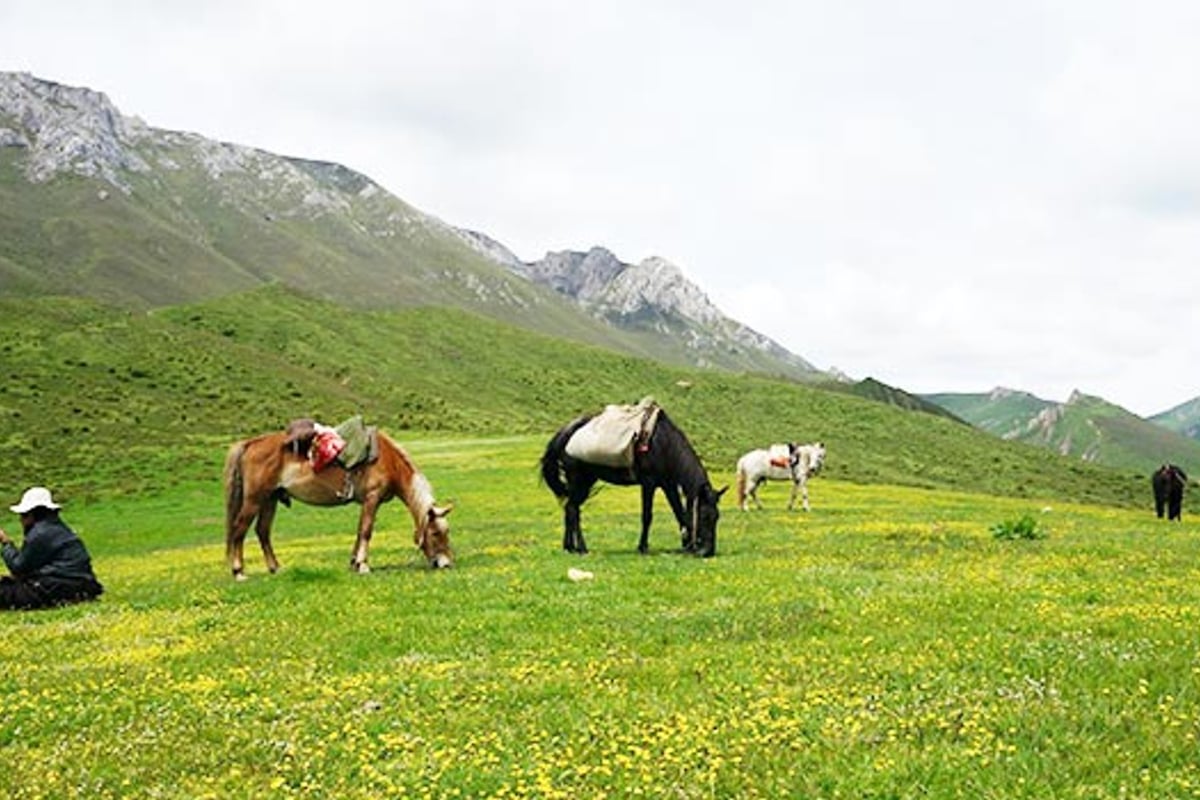
Most mount kailash trip itineraries begin in Lhasa, covering roughly 1,200 kilometers over four to five days by four-wheel-drive vehicle. The route crosses high passes, vast plains, and remote settlements, offering glimpses of traditional Tibetan pastoral life. Alternative approaches from Kathmandu involve similar distances and time commitments.
The journey itself constitutes a significant part of the pilgrimage experience. Stops at sacred sites like Yamdrok Lake, Gyantse Kumbum, and Tashilhunpo Monastery enrich cultural understanding. For those seeking unique Himalayan experiences, exploring travel options through platforms like HELIGOLF can add exceptional aerial perspectives to broader regional itineraries, though helicopter access to Kailash itself remains restricted.
Accommodation and Facilities
Expect basic conditions throughout the mount kailash trip. Guesthouses in Darchen offer simple rooms, often with shared facilities and unreliable electricity. Along the kora circuit, most pilgrims stay in monastery guesthouses or camps, experiencing rustic conditions that emphasize the spiritual over the material.
| Location | Accommodation Type | Facilities | Altitude |
|---|---|---|---|
| Lhasa | Hotels (various standards) | Full amenities | 3,650m |
| Shigatse | Guesthouses/hotels | Basic to moderate | 3,840m |
| Darchen | Guesthouses | Minimal, shared bathrooms | 4,560m |
| Dirapuk | Monastery guesthouse/tents | Very basic | 5,080m |
| Zutulpuk | Monastery guesthouse/tents | Very basic | 4,790m |
Bring a quality sleeping bag rated for temperatures below -10°C (14°F), as bedding provided often proves insufficient. Portable charging systems for electronics offer independence from unreliable power sources.
Essential Gear and Packing Guide
Proper equipment ensures safety and comfort during your mount kailash trip. The extreme environment, with intense sun, freezing temperatures, and unpredictable weather, demands specialized gear. Pack strategically, balancing thoroughness with weight considerations for high-altitude trekking.
Clothing Requirements:
- Moisture-wicking base layers (synthetic or merino wool)
- Insulating mid-layers (fleece or down)
- Waterproof, breathable outer shell
- Warm hat, sun hat, neck gaiter, and gloves
- Quality hiking boots, broken in before departure
- Camp shoes or sandals for rest periods
- Sunglasses with UV protection (category 3 or 4)
Technical Equipment:
- Trekking poles for stability on uneven terrain
- Headlamp with extra batteries
- Water purification tablets or filter system
- First aid kit with altitude sickness medications
- Sunscreen (SPF 50+) and lip balm
- Sleeping bag rated for -10°C or colder
- Daypack (30-40 liters) for kora essentials
The comprehensive guide to Mount Kailash from Adventure Consultants provides additional equipment recommendations based on seasonal variations and personal needs.
Health Preparations and Medical Considerations
Medical preparedness cannot be overstated for a mount kailash trip. The remote location, extreme altitude, and multi-day trekking combine to create significant health challenges. Comprehensive preparation begins months before departure with medical consultations and fitness assessments.
Pre-Trip Medical Evaluations
Schedule appointments with your physician and ideally an altitude medicine specialist at least three months before departure. Discuss pre-existing conditions that altitude might exacerbate, particularly cardiovascular or respiratory issues. Dental work should be completed beforehand, as tooth problems intensify at elevation.
Vaccinations for hepatitis A and B, typhoid, tetanus, and potentially Japanese encephalitis protect against regional diseases. Some travelers receive rabies vaccination given the prevalence of stray dogs in Tibetan settlements. Carry a comprehensive medical kit including prescription medications in original containers with documentation.
Critical Medical Preparations:
- Complete physical examination with focus on cardiovascular health
- Dental checkup and treatment of any issues
- Update all routine vaccinations
- Obtain prescriptions for altitude sickness prevention
- Secure comprehensive travel insurance including evacuation coverage
- Prepare medical history summary for tour operators
Altitude Sickness Prevention and Treatment
Acute Mountain Sickness (AMS) affects many travelers at Kailash's elevations. Symptoms include headache, nausea, fatigue, and shortness of breath. More serious conditions like High Altitude Cerebral Edema (HACE) or High Altitude Pulmonary Edema (HAPE) can develop rapidly and prove fatal without immediate descent and treatment.
Preventive medications like acetazolamide help some travelers, though they carry side effects and contraindications. Natural acclimatization through gradual ascent remains the most reliable strategy. The Sacred Sites overview emphasizes the importance of respecting the mountain's power, including its physical demands on the human body.
Cultural Etiquette and Respectful Engagement
Understanding and honoring Tibetan customs transforms a mount kailash trip from tourism into meaningful cultural exchange. Tibetan Buddhism permeates daily life in the Kailash region, influencing social interactions, business practices, and community structures. Respectful engagement requires learning basic protocols before arrival.
Monastery and Sacred Site Protocols
Always circumambulate monasteries, stupas, and mani walls clockwise, following the Buddhist tradition. Remove hats when entering temples, ask permission before photographing religious objects or ceremonies, and never point feet toward Buddha statues or monks. Small donations support monastery maintenance and community services.
Photography restrictions vary by location. Many monasteries prohibit interior photography to protect sacred art and maintain contemplative atmosphere. When photography is permitted, avoid using flash, which damages ancient paintings and textiles. Always ask permission before photographing people, and respect refusals graciously.
Respectful Behavior Guidelines:
- Walk clockwise around all sacred objects
- Remove shoes before entering temples
- Speak quietly in sacred spaces
- Never touch religious artifacts without permission
- Dress modestly, covering shoulders and knees
- Accept offerings with both hands
- Avoid pointing or gesturing with fingers
- Learn basic Tibetan greetings and thanks
Engaging with Local Communities
Tibetan hospitality is legendary, with communities welcoming pilgrims despite limited resources. Reciprocate this generosity respectfully. Purchase handicrafts directly from artisans at fair prices rather than bargaining aggressively. Eating at local restaurants supports families and provides authentic culinary experiences.
Learn basic Tibetan phrases like "tashi delek" (hello/blessings), "tuk-je-che" (thank you), and "ka-le shu" (slowly please). Even imperfect attempts at language demonstrate respect and openness, creating connections that enrich the journey immeasurably.
The Changing Landscape of Tibetan Tourism
Political complexities shape access to Mount Kailash and the broader Tibetan region. Chinese governance policies fluctuate, occasionally restricting access for foreign travelers, particularly from certain countries during politically sensitive periods. These closures can occur with minimal notice, underscoring the importance of flexible planning and comprehensive travel insurance.
Working with experienced operators who maintain current relationships with Chinese authorities increases the likelihood of successful trips. These companies navigate bureaucratic requirements efficiently and receive early notice of policy changes. The investment in established operators pays dividends through smoother logistics and reduced cancellation risks.
Future of Sustainable Pilgrimage Tourism
Growing interest in Mount Kailash raises questions about sustainable tourism capacity. The fragile high-altitude environment cannot support unlimited visitors without degradation. Some conservation advocates propose visitor caps or seasonal restrictions to protect the ecosystem and maintain the sacred atmosphere.
Responsible tour operators increasingly emphasize environmental and cultural sustainability. By choosing companies committed to Leave No Trace principles, local employment, and community benefit sharing, travelers contribute to preservation efforts. According to Britannica’s overview, balancing access with conservation represents one of the primary challenges facing sacred mountain regions worldwide.
Extending Your Journey Beyond Kailash
Many travelers combine their mount kailash trip with exploration of other Tibetan Plateau destinations, creating comprehensive cultural immersion experiences. The region offers countless opportunities for those seeking authentic encounters with Himalayan traditions and landscapes.
Nearby Sacred Sites and Cultural Destinations
Lake Manasarovar, located just south of Mount Kailash, represents another profoundly sacred site. Hindus believe bathing in its waters cleanses sins, while Buddhists consider it the lake where Buddha's mother was transported before his birth. The two-day kora around Manasarovar adds depth to pilgrimage experiences.
Guge Kingdom ruins near Tsaparang reveal the artistic and architectural achievements of western Tibet's medieval empire. These ancient structures, though deteriorating, maintain spectacular murals and demonstrate the region's historical importance beyond religious pilgrimage. For those interested in broader regional exploration, Tibet Travel offers information about extending itineraries across the plateau.
Connecting with Broader Himalayan Experiences
The Tibetan Plateau extends across multiple countries, each offering distinct perspectives on shared cultural heritage. Nepal's border regions maintain strong Tibetan Buddhist traditions while providing different governance structures and accessibility. Bhutan preserves ancient practices through deliberate cultural conservation policies.
Travelers seeking diverse Himalayan experiences might consider combining Tibetan adventures with explorations of neighboring regions. This approach provides comparative perspectives on how geography, politics, and history shape cultural expression while maintaining Buddhist philosophical foundations.
Transformative Impact and Personal Growth
Beyond physical challenge and cultural immersion, a mount kailash trip often catalyzes profound personal transformation. The combination of extreme environment, sacred atmosphere, and cultural displacement creates conditions for introspection and perspective shifts. Many pilgrims report the journey as among life's most significant experiences.
The kora's physical demands strip away everyday distractions, creating mental space for reflection. Walking among pilgrims from diverse backgrounds, united by shared reverence despite different beliefs, demonstrates humanity's capacity for peaceful coexistence. These lessons often influence how travelers engage with their home communities long after returning.
Common Transformative Themes:
- Renewed appreciation for physical capabilities and limitations
- Deeper understanding of religious devotion's role in human experience
- Recognition of material comfort's relativity
- Enhanced empathy for diverse cultural perspectives
- Strengthened resilience and adaptability
- Clarified personal values and priorities
The isolation and challenge create bonding among group members that endures beyond the journey itself. Shared struggle and achievement forge connections distinct from typical tourist interactions, building communities of individuals committed to meaningful travel and cultural understanding.
A mount kailash trip represents one of the world's most profound pilgrimage experiences, combining physical challenge, cultural immersion, and spiritual exploration in one of Earth's most remote and sacred locations. Success requires thorough preparation, cultural sensitivity, environmental responsibility, and physical readiness. When you're ready to experience the transformative power of sacred mountain pilgrimage through responsible, culturally immersive tours that benefit local communities, Elevated Trips offers expertly guided journeys across the Tibetan Plateau that honor both the land and its people.