What Defines Exceptional Ecotourism Places
Authentic ecotourism places operate on principles that extend far beyond simple nature tourism. According to The International Ecotourism Society, these destinations must demonstrate measurable environmental conservation, provide meaningful benefits to local communities, and offer educational experiences that foster environmental awareness. The distinction matters because not every natural destination qualifies as a true ecotourism location.
Core Characteristics of Quality Destinations
Genuine ecotourism places share several fundamental attributes that set them apart from conventional tourist destinations. These locations implement strict visitor capacity limits to prevent environmental degradation, maintain robust conservation programs, and ensure that tourism revenue directly supports local economies and preservation efforts.
Essential features include:
- Community-led tourism initiatives with local ownership
- Certified sustainable practices verified by recognized organizations
- Active wildlife and habitat conservation programs
- Cultural preservation and authentic community engagement
- Transparent environmental impact monitoring
The Green Destinations Certification Program provides international standards that help travelers identify destinations committed to sustainability. These certified locations undergo rigorous assessment across environmental, social, and economic criteria, offering assurance that your travel choices support responsible tourism.
Premier Ecotourism Places Across the Tibetan Plateau
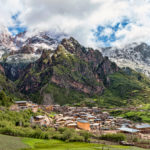
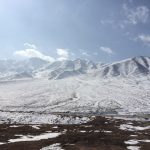
The Tibetan Plateau stands among the world's most remarkable ecotourism places, offering landscapes and cultural experiences found nowhere else on Earth. This vast region encompasses parts of Tibet, Qinghai, Gansu, and extends into neighboring countries, creating opportunities for transformative travel experiences rooted in conservation and cultural respect.
Tibet's Sacred Landscapes
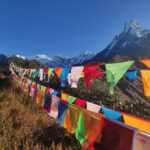
Tibet represents the spiritual and geographical heart of high-altitude ecotourism places in Asia. The region's commitment to preserving both natural environments and ancient Buddhist traditions creates unique opportunities for responsible travelers. Destinations like Lhasa combine architectural marvels with sustainable tourism practices that protect sacred sites while supporting local Tibetan communities.
Travelers can explore remote monasteries, witness traditional ceremonies, and learn about conservation efforts protecting endangered species like the snow leopard. The National Park Service’s approach to sustainable ecotourism offers valuable insights into visitor capacity management applicable even to international destinations.
When visiting these high-altitude ecotourism places, understanding altitude acclimatization becomes essential for both visitor safety and responsible travel. Proper preparation ensures you can fully engage with local communities and natural environments without requiring emergency resources that strain local infrastructure.
Hidden Gems in Qinghai and Gansu
Beyond the well-known Tibetan destinations, Qinghai and Gansu provinces harbor extraordinary ecotourism places that receive fewer visitors while offering equally profound experiences. These regions blend dramatic natural beauty with authentic cultural immersion, maintaining traditional ways of life largely unchanged for centuries.
| Destination Type | Key Features | Conservation Focus | Best Season |
|---|---|---|---|
| Tibetan Villages | Authentic homestays, traditional crafts | Cultural preservation, sustainable agriculture | May-October |
| Alpine Lakes | Pristine ecosystems, endemic species | Water quality protection, wildlife corridors | June-September |
| Nomadic Areas | Traditional lifestyles, grassland ecosystems | Rangeland management, heritage conservation | July-September |
| Sacred Sites | Ancient monasteries, pilgrimage routes | Architectural preservation, visitor education | April-October |
These lesser-known ecotourism places often provide more intimate experiences with local communities. Small group tours limit environmental impact while maximizing meaningful cultural exchange, creating relationships that extend beyond typical tourist interactions.
Bhutan's Model for Sustainable Tourism
Bhutan has established itself among the world's most innovative ecotourism places by implementing a "high value, low impact" tourism philosophy. The country's approach prioritizes quality over quantity, using sustainable tourism fees to fund conservation programs and community development while limiting visitor numbers to protect cultural and environmental integrity.
The Gross National Happiness Framework
Bhutan's unique development philosophy extends to tourism management, measuring success through holistic wellbeing rather than pure economic growth. This framework ensures that Bhutan’s cultural tours maintain authenticity while supporting local communities through employment, infrastructure development, and cultural preservation programs.
The country requires all visitors to book through registered operators, ensuring tourism revenue flows directly into conservation and community programs. This model has proven so effective that other ecotourism places worldwide study Bhutan's approach for potential adaptation to their contexts.
Bhutan's sustainable tourism achievements:
- Over 70% forest coverage maintained through constitutional mandate
- Carbon-negative status through renewable energy and conservation
- Mandatory cultural orientation for all visitors
- Community-based tourism enterprises in rural areas
- Protected areas covering more than 50% of the country
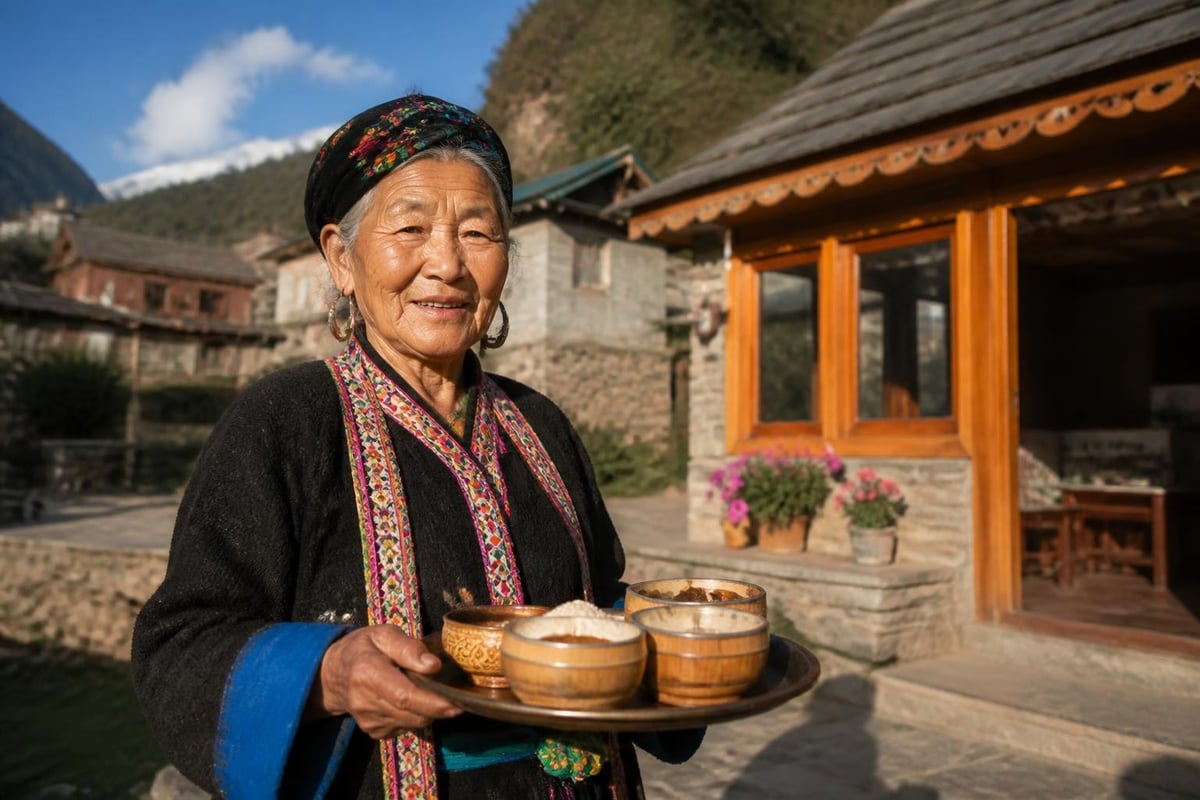
Mountain Ecotourism Places in Nepal
Nepal's diverse geography creates multiple ecosystems supporting some of Asia's most significant ecotourism places. From the Himalayan heights to subtropical lowlands, the country offers destinations where conservation and community development intersect through responsible tourism practices.
Balancing Trekking Tourism with Conservation
The Himalayas attract hundreds of thousands of trekkers annually, creating both opportunities and challenges for ecotourism places throughout Nepal. Successful destinations implement porter welfare programs, waste management systems, and reforestation initiatives that mitigate tourism's environmental impact while supporting local economies.
Community-managed lodges along trekking routes ensure that tourism revenue remains within local villages rather than flowing to urban operators. These enterprises often reinvest profits into schools, health clinics, and conservation projects, demonstrating how ecotourism places can drive sustainable development.
The Destination Stewardship Center’s natural assets framework provides excellent guidance for destinations balancing visitor access with environmental protection, principles Nepal's most successful ecotourism places have embraced.
Cultural Immersion in Authentic Ecotourism Places
The most meaningful ecotourism places prioritize cultural authenticity alongside environmental conservation. These destinations recognize that indigenous and local communities serve as essential stewards of natural resources, with traditional knowledge systems often providing more sustainable land management than modern approaches.
Supporting Local Communities Through Tourism
Genuine cultural immersion requires moving beyond performative experiences to meaningful engagement with local traditions and daily life. The best ecotourism places facilitate homestays, traditional craft workshops, and participation in agricultural or pastoral activities, creating understanding that transforms both visitors and hosts.
Small group sizes prove essential for authentic cultural exchange. Large tour groups overwhelm communities and prevent the personal connections that define quality ecotourism experiences. Limiting group size to 8-12 participants allows for genuine conversation, reduces cultural disruption, and ensures tourism remains manageable for host communities.
Tours designed around cultural immersion often explore regions like the Amdo region, where traditional Tibetan culture thrives in landscapes of extraordinary beauty. These experiences combine natural wonder with cultural depth, offering perspectives impossible to gain through conventional tourism.
Emerging Ecotourism Places for 2026
As awareness of sustainable travel grows, new ecotourism places continue emerging across Asia and beyond. These destinations learn from established models while developing approaches suited to their unique cultural and environmental contexts.
Lesser-Known Himalayan Destinations
Remote areas of the Tibetan Plateau offer exceptional opportunities for travelers seeking undiscovered ecotourism places. Locations like Zhagana and Jiuzhaigou combine stunning natural beauty with authentic cultural experiences largely unmarred by mass tourism.
These emerging destinations often welcome visitors eager to explore responsibly, with local communities developing tourism infrastructure that maintains environmental and cultural integrity. Early adopters of sustainable tourism in these regions help establish positive precedents that shape long-term development patterns.
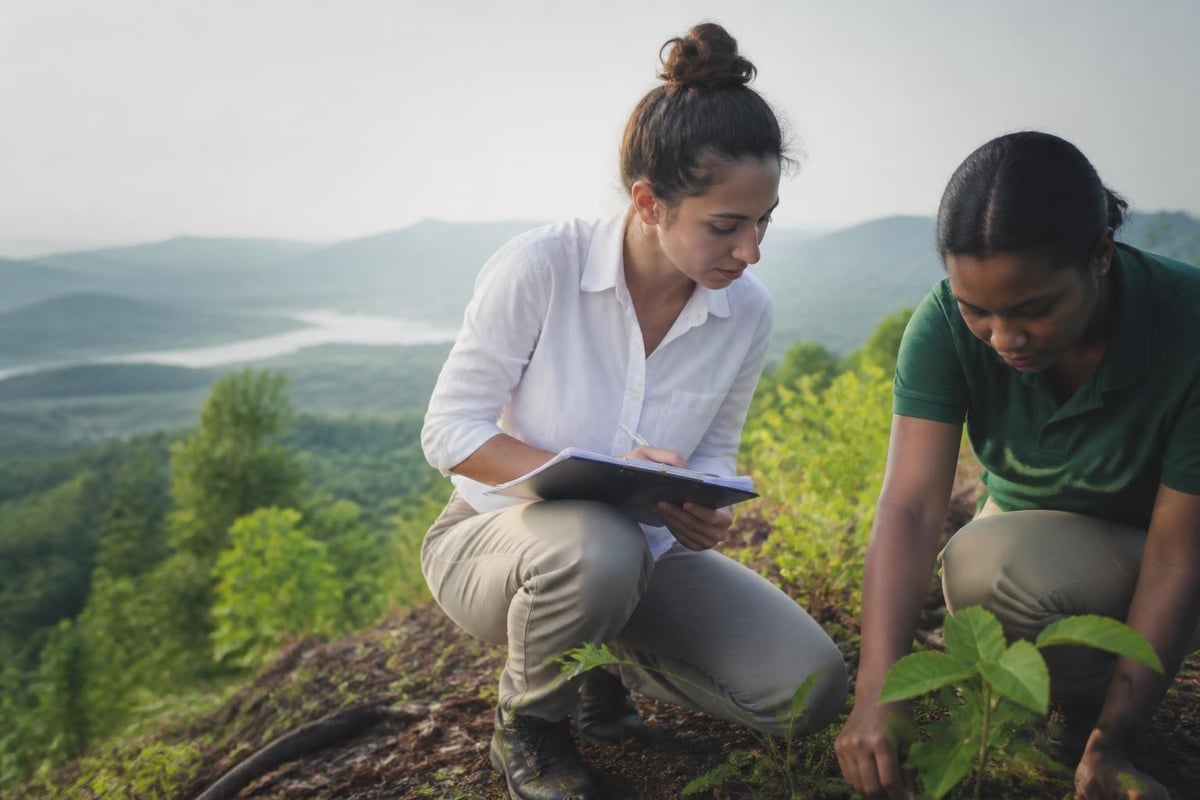
Conservation-focused travelers also discover that emerging ecotourism places often provide more direct connections to conservation work. Smaller-scale operations allow visitors to participate in reforestation projects, wildlife monitoring, or cultural preservation activities, creating hands-on experiences that deepen environmental commitment.
Practical Considerations for Visiting Ecotourism Places
Successful travel to ecotourism places requires preparation beyond typical vacation planning. Understanding local customs, environmental sensitivities, and practical logistics ensures your visit supports rather than undermines conservation and community goals.
Choosing Responsible Tour Operators
The operator you select fundamentally determines whether your trip genuinely supports ecotourism principles or simply markets itself using sustainability language. Quality operators demonstrate transparent relationships with local communities, employ local guides at fair wages, and implement measurable environmental practices.
Questions to ask potential operators:
- What percentage of tour costs goes to local communities?
- How do you minimize environmental impact during tours?
- What training do guides receive in cultural sensitivity and conservation?
- How do you monitor and reduce carbon emissions?
- What ongoing conservation or community projects do you support?
Experienced operators in small group tours across the Tibetan Plateau exemplify these principles, creating itineraries that balance adventure with cultural respect and environmental stewardship. Their expertise ensures visitors navigate complex cultural landscapes appropriately while supporting communities authentically.

Timing Your Visit to Ecotourism Places
Seasonality significantly impacts both visitor experience and environmental effect in ecotourism places. Traveling during shoulder seasons often reduces crowding at popular sites while distributing economic benefits more evenly throughout the year. However, some destinations become inaccessible during certain months due to weather conditions.
| Season | Advantages | Considerations | Best For |
|---|---|---|---|
| Spring (Apr-May) | Wildflowers, moderate temperatures | Variable weather, some high passes closed | Cultural sites, moderate trekking |
| Summer (Jun-Aug) | Full accessibility, festivals | Peak crowds, monsoon in some areas | High-altitude destinations, nomadic areas |
| Autumn (Sep-Oct) | Stable weather, clear mountain views | Popular season, advance booking essential | Photography, major treks |
| Winter (Nov-Mar) | Solitude, authentic local life | Limited accessibility, extreme cold | Cultural immersion, hardy adventurers |
Understanding these patterns helps you choose timing that aligns with your interests while minimizing environmental impact. Off-season travel to ecotourism places often provides more authentic experiences as communities engage in traditional activities rather than catering primarily to tourism.
Environmental Protection in Ecotourism Places
The environmental credentials of ecotourism places rest on measurable conservation outcomes, not marketing claims. Destinations serious about sustainability implement monitoring systems tracking wildlife populations, habitat health, water quality, and other environmental indicators, adjusting tourism practices based on this data.
Waste Management and Resource Conservation
Remote ecotourism places face unique challenges managing visitor waste and resource consumption. Successful destinations implement comprehensive waste management systems including pack-in/pack-out policies, composting programs, and recycling initiatives that address the full lifecycle of tourist-generated materials.
Water and energy conservation become particularly critical in high-altitude and remote ecotourism places where resources are limited. Solar power installations, water recycling systems, and energy-efficient building designs reduce environmental footprints while demonstrating sustainable technologies to local communities.
Visitors contribute to these efforts through conscious choices like using refillable water bottles, limiting shower duration, and properly disposing of all waste according to local guidelines. Small actions multiply across thousands of visitors, creating significant cumulative impact.
Wildlife Protection Initiatives
Ecotourism places in biodiverse regions often anchor their conservation efforts around flagship species protection. Programs protecting snow leopards, red pandas, black-necked cranes, and other threatened species benefit entire ecosystems while creating compelling reasons for visitors to support conservation financially.
The most effective programs engage local communities as conservation partners rather than imposing external restrictions. Community-based wildlife monitoring, livestock insurance programs compensating for predation losses, and tourism revenue sharing create incentives for coexistence rather than conflict with wildlife.
Economic Impact of Sustainable Ecotourism Places
Understanding the economic dimensions of ecotourism places reveals how responsible travel creates prosperity while protecting environments. When structured correctly, ecotourism generates income streams supporting conservation, community development, and cultural preservation simultaneously.
Direct Benefits to Local Economies
Genuine ecotourism places ensure tourism revenue reaches local communities through direct employment, locally-owned accommodations, and purchase of local products and services. This contrasts sharply with conventional tourism where profits often flow to distant corporations with minimal local benefit.
Economic analysis of successful ecotourism places demonstrates that community-based models generate more distributed prosperity than centralized operations. Income reaches families throughout communities rather than concentrating among a few operators, reducing inequality while building broad-based support for conservation.
Sacred sites like Kumbum Monastery exemplify how cultural preservation and economic development can advance together when tourism is managed responsibly, creating opportunities that honor tradition while supporting modern needs.
Long-Term Economic Sustainability
The economic viability of ecotourism places depends on maintaining the natural and cultural assets that attract visitors. This creates powerful incentives for conservation, as degraded environments or eroded cultural authenticity reduce tourism appeal and economic returns.
Forward-thinking destinations invest tourism revenue into diversified economic development that reduces dependence on tourism alone. Agricultural improvements, renewable energy infrastructure, and educational programs create resilience against tourism fluctuations while supporting community wellbeing comprehensively.
Planning Your Journey to Ecotourism Places
Effective preparation transforms travel to ecotourism places from potentially stressful uncertainty into smoothly flowing adventure. Understanding visa requirements, health precautions, cultural expectations, and logistical realities ensures you arrive ready to engage fully with destinations and communities.
Essential Pre-Trip Preparations
Research represents your most valuable pre-trip investment. Understanding the history, culture, environmental challenges, and social dynamics of ecotourism places you'll visit creates context that deepens every experience. Wikipedia’s comprehensive ecotourism overview provides excellent foundational knowledge.
Physical preparation matters particularly for high-altitude ecotourism places. Cardiovascular fitness, strength training, and gradual altitude acclimatization protocols help you enjoy rather than merely endure challenging environments. Consulting healthcare providers familiar with high-altitude medicine ensures appropriate precautions.
Pre-departure checklist:
- Confirm visa requirements and processing timelines
- Schedule necessary vaccinations and altitude medications
- Purchase comprehensive travel insurance covering evacuation
- Research cultural customs and basic language phrases
- Prepare appropriate clothing for variable weather conditions
- Arrange sustainable transportation options
- Download offline maps and essential information
Cultural Sensitivity and Etiquette
Ecotourism places often encompass communities with distinct cultural practices and sensitivities. Demonstrating respect through appropriate behavior, dress, and interaction styles honors hosts while creating conditions for authentic cultural exchange.
Photography etiquette deserves particular attention. Always request permission before photographing people, religious sites, or ceremonies. Some sacred spaces prohibit photography entirely, and respecting these restrictions demonstrates cultural understanding that communities genuinely appreciate.
Gift-giving requires thoughtfulness to avoid creating dependency or disrupting local economies. Rather than distributing money or goods directly, supporting community projects or purchasing fairly-priced local products creates more sustainable benefits. Consulting your tour operator about appropriate ways to express appreciation ensures good intentions translate into positive outcomes.
The Future of Ecotourism Places
The trajectory of ecotourism places through the remainder of 2026 and beyond depends on choices travelers, operators, communities, and governments make today. Emerging technologies, evolving environmental challenges, and shifting traveler values will reshape sustainable tourism in coming years.
Technology and Sustainable Tourism
Digital innovations offer tools for enhancing sustainability in ecotourism places while improving visitor experiences. Carbon tracking apps help travelers understand and offset their environmental impact. Virtual reality previews set appropriate expectations and reduce disappointment-driven destination switching that increases carbon footprints.
Blockchain technologies promise greater transparency in how tourism revenue flows through local economies, addressing longstanding concerns about whether ecotourism genuinely benefits host communities. Smart monitoring systems track environmental indicators in real-time, allowing rapid response to emerging conservation challenges.
Climate Change Adaptation
Ecotourism places face mounting challenges from climate change, with glacial retreat, shifting precipitation patterns, and extreme weather events altering landscapes and livelihoods. Adaptive management becomes essential as destinations respond to environmental changes while maintaining tourism viability.
The most resilient ecotourism places invest in climate adaptation strategies including watershed protection, sustainable agriculture, renewable energy, and economic diversification. Supporting these destinations through responsible tourism helps fund adaptation while demonstrating global solidarity with frontline communities facing climate impacts they did little to cause.
Ecotourism places offer transformative experiences that benefit travelers, communities, and environments simultaneously when approached with intention and respect. The Tibetan Plateau, Bhutan, Nepal, and surrounding regions provide exceptional opportunities for culturally immersive adventures that support conservation and authentic cultural preservation. Elevated Trips specializes in creating these meaningful connections through small group tours designed around sustainability, cultural respect, and adventure, helping you discover the world's most remarkable ecotourism destinations while contributing to their protection for future generations.