Understanding the Everest Base Camp Trek Route
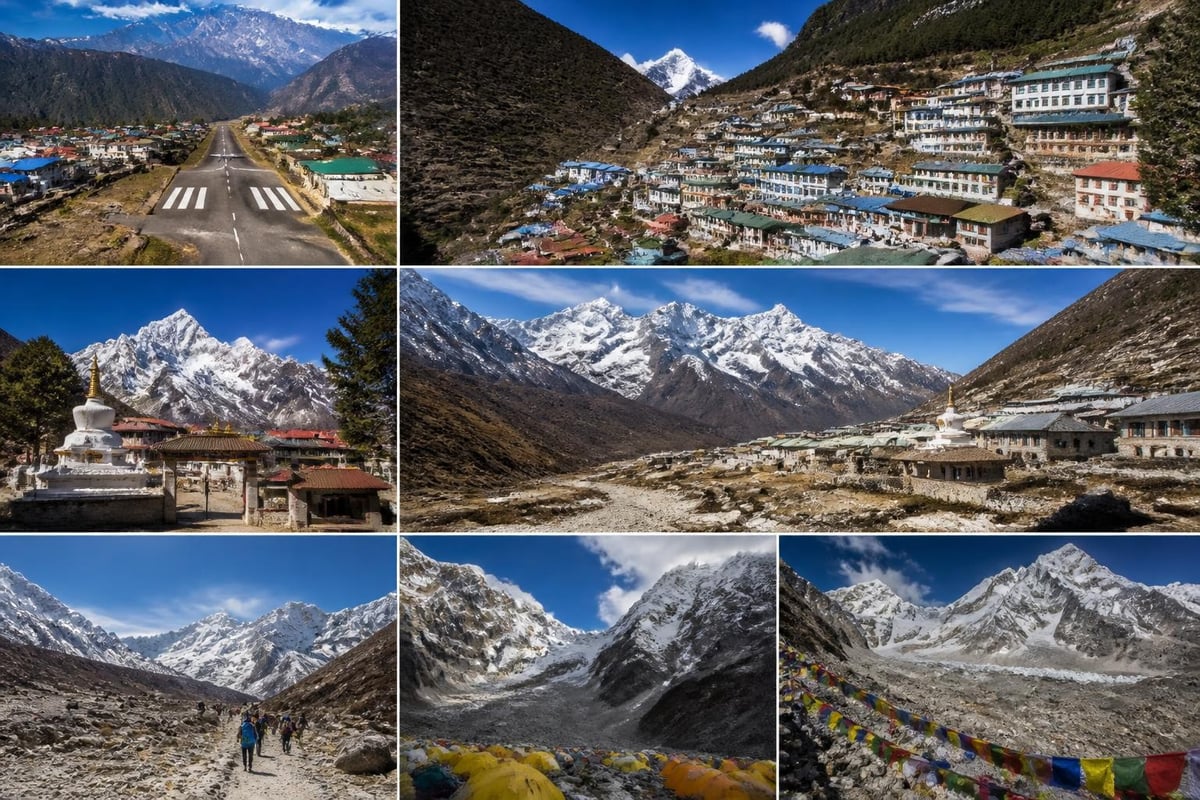
The classic everest base camp trek tour follows a well-established route that begins with a scenic flight to Lukla, perched at 2,860 meters (9,383 feet). From this dramatic mountain airstrip, trekkers embark on a journey that typically spans 12-14 days round trip, covering approximately 130 kilometers through the Sagarmatha National Park.
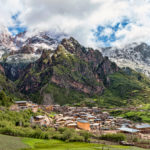
The trail winds through traditional Sherpa villages including Phakding, Namche Bazaar, Tengboche, Dingboche, and Lobuche before reaching the ultimate destination at 5,364 meters (17,598 feet). Each settlement offers insight into the resilient culture that has thrived in these high-altitude conditions for centuries.
Key Stops Along the Journey
- Namche Bazaar: The bustling trading hub and gateway to the Khumbu region
- Tengboche Monastery: Home to one of the most significant Buddhist monasteries in the area
- Dingboche: A crucial acclimatization village with stunning valley views
- Lobuche: The final settlement before base camp
- Gorak Shep: The last teahouse stop and launching point for both base camp and Kala Patthar
Most trekkers include an ascent to Kala Patthar (5,545 meters) for unobstructed views of Everest's summit, as the actual base camp sits in a glacial bowl with limited mountain visibility. This additional climb typically occurs at sunrise and provides the iconic photographs that define many trekking memories.
Physical Preparation and Fitness Requirements
Successfully completing an everest base camp trek tour demands appropriate physical conditioning, though technical climbing skills are unnecessary. The trek requires sustained cardiovascular endurance, strong leg muscles, and mental resilience to handle daily hiking durations of 5-7 hours across varied terrain.
Training Timeline and Recommendations
Begin preparation at least 3-4 months before departure. Focus on building aerobic capacity through hiking, running, cycling, or stair climbing. Weekend hikes with a loaded backpack (8-10 kg) simulate actual trekking conditions and strengthen relevant muscle groups.
Essential Training Components:
- Cardiovascular endurance (4-5 sessions per week)
- Strength training for legs, core, and upper body (2-3 sessions per week)
- Practice hikes with elevation gain (progressively increasing distance)
- Mental preparation for challenging conditions
The altitude factor distinguishes this trek from lower-elevation adventures. While fitness helps, acclimatization cannot be rushed regardless of conditioning level. Experienced guides emphasize safety protocols that prioritize gradual altitude gain over speed.
Altitude Acclimatization and Health Considerations
Acute Mountain Sickness (AMS) poses the primary health risk on any everest base camp trek tour. Symptoms typically emerge above 2,500 meters and can affect anyone, regardless of fitness level or previous high-altitude experience.
| Altitude Zone | Elevation Range | Primary Concerns |
|---|---|---|
| Moderate | 2,500-3,500m | Initial AMS symptoms, headaches |
| High | 3,500-5,000m | Increased AMS risk, reduced oxygen |
| Very High | 5,000-5,500m | Significant physiological stress |
Recognition and Response Strategies
Monitor yourself and fellow trekkers for warning signs including persistent headache, nausea, dizziness, unusual fatigue, or sleep disturbances. The golden rule remains simple: never ascend with symptoms, and descend if symptoms worsen.
Built-in acclimatization days at Namche Bazaar and Dingboche allow bodies to adjust to reduced oxygen levels. These rest days typically include short hikes to higher elevations followed by returns to sleeping altitude, optimizing the adaptation process.
Hydration plays a crucial role in altitude acclimatization. Consume 4-5 liters of water daily, avoid alcohol, and maintain regular eating patterns even when appetite diminishes. Many trekkers find Diamox (acetazolamide) helpful as a preventive measure, though consultation with a physician is essential before departure.
Seasonal Considerations and Weather Patterns
Timing significantly influences the everest base camp trek tour experience. Two primary trekking seasons offer distinct advantages and considerations for adventurers planning their Himalayan journey.
Spring Season (March-May)
Pre-monsoon months deliver stable weather, warming temperatures, and vibrant rhododendron blooms across lower elevations. This period coincides with Everest climbing season, creating bustling base camp activity and increased trail traffic.
Spring Advantages:
- Clear mountain views and stable weather
- Warmer daytime temperatures
- Cultural festivals in Sherpa villages
- Active base camp with climbing expeditions
Autumn Season (September-November)
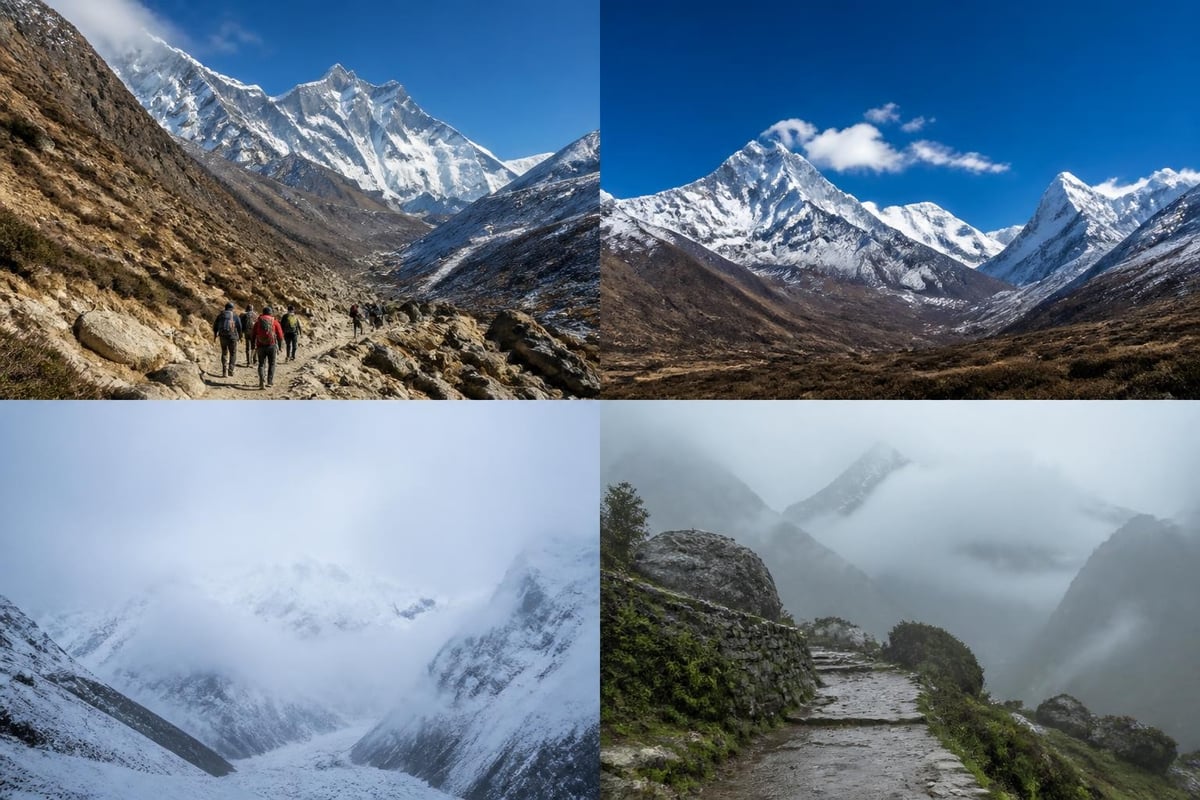
Post-monsoon conditions provide crystal-clear visibility, comfortable temperatures, and the most reliable weather windows. October particularly attracts peak trekking numbers due to ideal conditions.
Winter (December-February) and monsoon (June-August) present challenging conditions. Winter brings extreme cold and heavy snowfall above 4,000 meters, while monsoon delivers persistent rain, leeches at lower elevations, and obscured mountain views.
Permits, Documentation, and Logistics
Organized preparation ensures smooth navigation through bureaucratic requirements. An everest base camp trek tour requires specific permits issued by Nepalese authorities and proper documentation for entry into protected areas.
Required Permits
- Sagarmatha National Park Entry Permit: Issued in Kathmandu or Monjo (entry point)
- Khumbu Pasang Lhamu Rural Municipality Permit: Obtained in Lukla or Kathmandu
- TIMS Card (Trekkers' Information Management System): Required for independent trekkers
International trekkers must carry valid passports with at least six months remaining validity. Travel insurance covering emergency helicopter evacuation from high altitude is mandatory and potentially life-saving.
Most organized tours handle permit acquisition, removing logistical burdens from participants. Independent trekkers navigate these processes personally, requiring additional time in Kathmandu before trek commencement.
Accommodation and Teahouse Culture
The teahouse system supporting everest base camp trek tour participants represents a unique cultural and economic ecosystem. These family-run lodges provide basic accommodation, meals, and social gathering spaces throughout the Khumbu region.
What to Expect in Teahouses
Standard rooms feature twin beds with pillows and blankets, though sleeping bags provide additional warmth at higher elevations. Shared bathroom facilities are common, with hot showers available for an additional fee (becoming more expensive with altitude).
| Elevation | Accommodation Style | Typical Amenities |
|---|---|---|
| Below 3,500m | Basic teahouses | Hot showers, electricity, WiFi |
| 3,500-4,500m | Simple lodges | Limited hot water, solar power |
| Above 4,500m | Basic shelters | Minimal amenities, cold conditions |
Dining halls serve as community centers where trekkers from around the world share experiences over traditional dal bhat, fried rice, noodle soups, and western-style dishes. This social aspect enriches the cultural dimension of the journey.
The teahouse economy directly benefits Sherpa communities, creating sustainable livelihoods in remote mountain regions. Choosing locally-owned establishments and respecting cultural norms maximizes positive impact on host communities.
Packing Essentials and Gear Recommendations
Strategic packing balances preparedness with weight management. Most trekking companies include porter services, allowing participants to carry only daypacks while porters transport main duffels between lodges.
Critical Gear Categories
Clothing Layers:
- Moisture-wicking base layers (merino wool or synthetic)
- Insulating mid-layers (fleece or down)
- Waterproof outer shell jacket and pants
- Warm hat, sun hat, gloves (liner and insulated)
- Trekking pants and shorts
Footwear:
- Broken-in hiking boots with ankle support
- Camp shoes or sandals for teahouse evenings
- Quality wool or synthetic trekking socks
Technical Equipment:
- Four-season sleeping bag rated to -15°C
- Trekking poles for knee protection and stability
- Headlamp with extra batteries
- Water purification system or tablets
Personal medical kits should include altitude sickness medication, pain relievers, blister treatment, antibiotics, and any prescription medications. Sunscreen (SPF 50+) and lip balm with UV protection prevent severe sunburn at high altitude.
Cultural Immersion and Sherpa Heritage
An everest base camp trek tour transcends physical achievement when participants engage meaningfully with local culture. The Sherpa people, originally migrating from Tibet centuries ago, have developed unique traditions adapted to high-altitude life.
Buddhist Practices and Etiquette
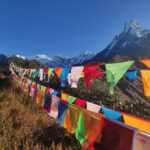
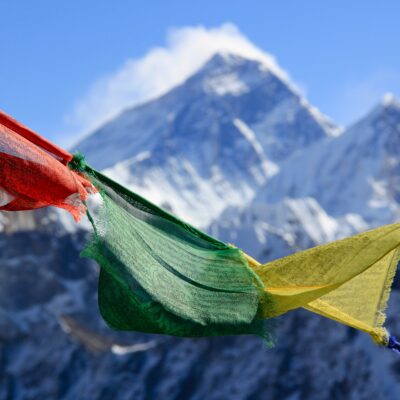
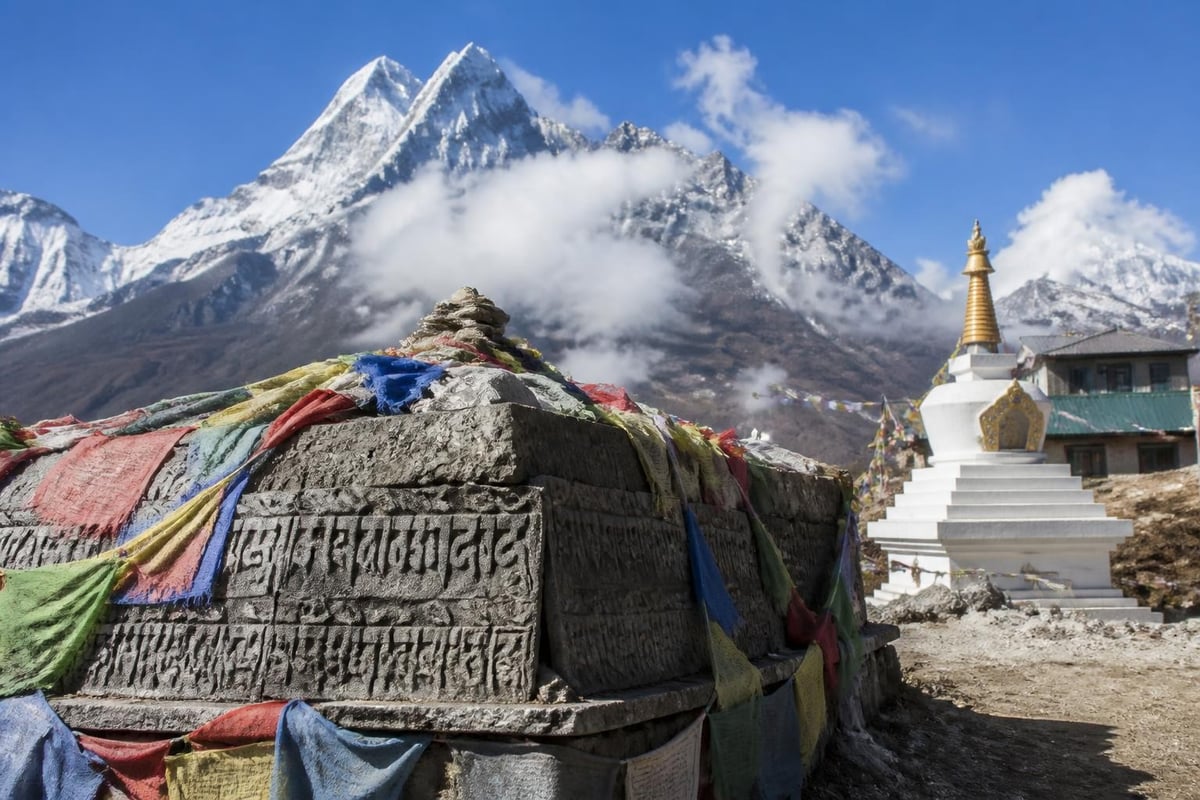
Prayer flags strung across mountain passes carry mantras on the wind, sending blessings across the landscape. Mani stones carved with sacred texts line trails, always passed on the left side to maintain proper circumambulation.
Monasteries welcome respectful visitors, with Tengboche serving as a spiritual center for the Khumbu region. Monks conduct daily prayers and ceremonies, occasionally allowing trekkers to observe these ancient practices.
Cultural Respect Guidelines:
- Ask permission before photographing people
- Dress modestly, especially near religious sites
- Remove shoes before entering monasteries
- Avoid pointing feet toward altars or people
- Support local businesses and guides
The Sherpa culture emphasizes community interdependence and environmental stewardship. Learning basic Nepali phrases like "Namaste" (hello), "Dhanyabad" (thank you), and "Mitho chha" (delicious) demonstrates respect and facilitates meaningful connections.
Environmental Responsibility and Sustainable Trekking
The increasing popularity of everest base camp trek tour expeditions creates environmental pressures on fragile Himalayan ecosystems. Responsible trekking practices protect these landscapes for future generations while respecting local communities.
Leave No Trace Principles in Practice
Waste management challenges intensify with altitude as natural decomposition slows dramatically. Carry all non-biodegradable waste back to lower elevations, dispose of human waste properly in designated facilities, and minimize single-use plastics.
Many organizations now promote sustainable trekking practices that benefit local communities while minimizing environmental impact. Choosing operators committed to fair porter wages, environmental conservation, and community development ensures trekking dollars support positive change.
Sustainable Practices:
- Refuse plastic water bottles (use purification systems)
- Bring reusable shopping bags for purchases
- Choose lodges with solar power and waste management
- Support porter welfare through appropriate loads and equipment
- Stick to established trails to prevent erosion
Climate change visibly affects the Khumbu region, with retreating glaciers and altered weather patterns. Trekkers witness these changes firsthand, creating environmental ambassadors who understand the urgent need for global climate action.
Guided Tours Versus Independent Trekking
Deciding between organized tours and independent trekking shapes the entire everest base camp trek tour experience. Each approach offers distinct advantages depending on experience level, preferences, and priorities.
Benefits of Organized Tours
Professional guide services provide safety expertise, cultural interpretation, and logistical management. Experienced guides recognize altitude sickness symptoms, navigate weather challenges, and share deep knowledge of Sherpa culture and mountain environments.
Group dynamics create built-in social support and shared experiences. Tour operators handle permit acquisition, accommodation bookings, and emergency protocols, allowing participants to focus entirely on the trekking experience.
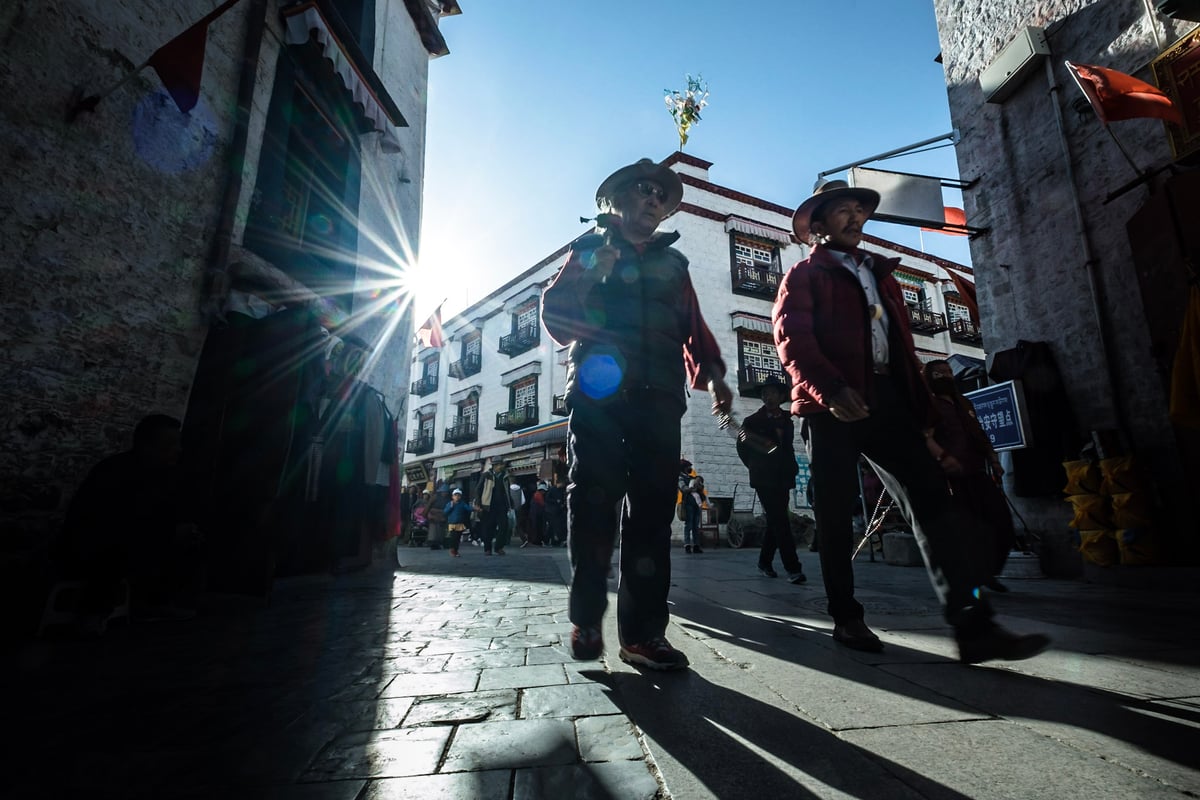
For travelers interested in exploring the Tibetan Plateau region, companies like Elevated Trips specialize in culturally immersive experiences that connect adventurers with local communities. Their Lhasa to Everest Base Camp, Tibet tour offers a unique perspective on Everest from the Tibetan side, combining stunning landscapes with authentic cultural encounters.
Independent Trekking Considerations
Solo or small private group trekking offers maximum flexibility in pace, schedule, and route decisions. Independent trekkers navigate their own journeys, though hiring a local guide remains advisable for safety and cultural exchange.
Budget considerations often favor independent approaches, though hidden costs and time investments can narrow financial differences. The learning curve for navigation, permit acquisition, and altitude management requires research and preparation.
Cost Breakdown and Budgeting
Understanding the financial investment required for an everest base camp trek tour enables realistic planning. Costs vary significantly based on service level, group size, and included amenities.
| Cost Category | Budget Range | Mid-Range | Premium |
|---|---|---|---|
| Tour Package | $1,000-1,400 | $1,500-2,200 | $2,500-4,000 |
| Flights (International) | $800-1,500 | $1,200-2,000 | $1,500-3,000 |
| Gear Purchase/Rental | $200-400 | $300-600 | $500-1,000 |
| Travel Insurance | $150-250 | $200-350 | $300-500 |
| Tips and Personal Expenses | $200-300 | $300-500 | $500-800 |
Package tours typically include domestic flights to Lukla, accommodation, meals, permits, guide services, and porter support. Budget-conscious trekkers can reduce costs through independent arrangements, though safety considerations warrant careful evaluation.
Tipping represents an important cultural practice and income source for guides and porters. Industry standards suggest $100-150 for guides and $75-100 for porters over a standard trek duration, adjusted for group size and service quality.
Training Your Mind: Mental Preparation Strategies
Physical conditioning alone doesn't guarantee everest base camp trek tour success. Mental resilience determines outcomes when facing challenging conditions, altitude symptoms, or unexpected obstacles.
Building Psychological Endurance
Visualization techniques help prepare for demanding days. Mentally rehearse challenging sections, practice positive self-talk, and develop strategies for managing discomfort. Understanding that difficulty is temporary and part of the journey reduces stress when challenges arise.
Setting realistic expectations prevents disappointment and dangerous decision-making. Not every day features perfect weather and stunning views. Embracing the full spectrum of experiences, including fog-shrouded days and challenging terrain, deepens appreciation for the journey.
Mental Preparation Techniques:
- Practice mindfulness and breathing exercises
- Study practical trekking advice from experienced guides
- Develop contingency plans for various scenarios
- Focus on daily goals rather than distant objectives
- Cultivate gratitude for the opportunity and experience
Solo time during the trek offers reflection opportunities absent in daily life. Many trekkers report profound personal insights emerging during quiet trail sections or in teahouse evenings.
Safety Protocols and Emergency Procedures
Comprehensive safety planning transforms an everest base camp trek tour from risky adventure to managed challenge. Understanding potential hazards and response protocols provides confidence and protection.
Common Risks and Mitigation
Altitude-related illnesses represent the primary concern, requiring vigilant symptom monitoring and conservative ascent profiles. Never ignore warning signs, and always communicate honestly with guides about physical condition.
Weather changes rapidly in mountain environments, with afternoon storms common during certain seasons. Early morning starts avoid afternoon weather windows and provide better trail conditions.
Emergency Response Infrastructure:
- Helicopter evacuation services (weather permitting)
- Medical clinics in Namche Bazaar and Pheriche
- Communication networks via satellite phone
- International rescue coordination through tour operators
- Comprehensive travel insurance with evacuation coverage
The Himalayan Rescue Association operates clinics staffed by volunteer doctors during peak seasons, providing medical consultations and altitude sickness treatment. These resources prove invaluable when health concerns arise.
Photography and Documenting Your Journey
Capturing the everest base camp trek tour experience through photography creates lasting memories and shares this remarkable journey with others. Understanding technical considerations at high altitude optimizes results.
Camera Equipment and Settings
Cold temperatures drain batteries rapidly, requiring multiple spares kept warm against your body. Protect equipment from moisture and dust, particularly around Lukla airport where helicopter downwash creates challenging conditions.
Early morning and late afternoon provide optimal lighting for landscape photography, with the golden hour illuminating snow-capped peaks dramatically. Midday harsh light flattens mountain features but works well for detail shots and cultural photography.
Photography Tips:
- Shoot in RAW format for maximum editing flexibility
- Bring extra memory cards and batteries
- Use polarizing filters to enhance sky and snow contrast
- Respect cultural sensitivities regarding portrait photography
- Balance documentation with present-moment experience
Video documentation adds dynamic dimension to still photographs. Short clips capturing trail sections, teahouse atmospheres, and summit moments complement photographic records.
Post-Trek Recovery and Reflection
The journey doesn't end upon returning to Kathmandu. Physical recovery and processing the profound experiences encountered during an everest base camp trek tour require intentional attention.
Physical Recuperation
Allow several days for rest before resuming normal activities. Gentle stretching, massage, and adequate sleep support muscle recovery and immune system restoration. The physical stress of high-altitude trekking temporarily compromises immune function, making post-trek illness common.
Rehydration and nutritious meals replenish depleted reserves. Many trekkers lose weight during the journey despite consuming substantial calories, as high-altitude metabolism increases significantly.
Integration and Sharing
Processing the cultural encounters, personal challenges, and natural beauty witnessed creates lasting value beyond the physical achievement. Journaling, photo organization, and conversations with fellow trekkers help integrate experiences into ongoing life narratives.
Many participants describe the everest base camp trek tour as transformative, shifting perspectives on personal capability, material possessions, and life priorities. These insights often motivate lifestyle changes, environmental advocacy, or additional adventure pursuits.
The connections formed with Sherpa guides, fellow trekkers, and local communities frequently endure beyond the trek itself. Maintaining these relationships through correspondence or return visits deepens cultural understanding and supports ongoing community development.
Advanced Variations and Extended Itineraries
Standard everest base camp trek tour routes can be extended or modified to include additional destinations and experiences for adventurers seeking deeper exploration of the Khumbu region.
Popular Extensions
The Gokyo Lakes trek adds turquoise alpine lakes and the challenging Cho La Pass (5,420m) to the itinerary, creating a comprehensive circuit combining two iconic destinations. This variation adds 4-6 days and requires additional acclimatization.
Three Passes trek represents the ultimate Khumbu challenge, crossing Renjo La, Cho La, and Kongma La passes while visiting both Everest Base Camp and Gokyo Lakes. This demanding 18-21 day route suits experienced trekkers with strong altitude tolerance.
Island Peak (Imja Tse) climbing expeditions combine the base camp trek with a technical summit attempt on this 6,189-meter peak. Previous mountaineering experience and proper equipment become essential for this extension.
The Role of Technology and Connectivity
Modern technology increasingly influences the everest base camp trek tour experience, offering both benefits and potential drawbacks to traditional trekking immersion.
Communication and Navigation
WiFi availability in most teahouses allows trekkers to maintain contact with home, share experiences through social media, and access weather forecasts. These connections provide security and enable real-time updates but can diminish present-moment awareness.
GPS devices and smartphone apps offer navigation backup, though physical maps and guide knowledge remain primary navigation tools. Battery management becomes critical, with solar chargers and power banks extending device functionality.
Technology Considerations:
- Download offline maps before trek commencement
- Bring multiple charging solutions (solar, battery banks)
- Use airplane mode to conserve battery power
- Balance connectivity with digital detox benefits
- Respect teahouse WiFi as a premium service
Satellite communication devices provide emergency contact capability beyond mobile network coverage. While expensive, these tools offer critical safety backup for independent trekkers or those venturing beyond standard routes.
The everest base camp trek tour stands as one of the world's premier adventure experiences, combining physical challenge, cultural immersion, and natural beauty in a transformative journey. Success requires appropriate preparation, respect for local communities and environments, and realistic expectations about both rewards and difficulties. For travelers seeking authentic, culturally rich experiences in the Himalayas, Elevated Trips offers expertly guided adventures throughout the Tibetan Plateau, Nepal, and Bhutan that prioritize sustainable tourism and meaningful community engagement. Their small group approach ensures personalized attention while their commitment to ecotourism creates lasting positive impact in the regions they serve.