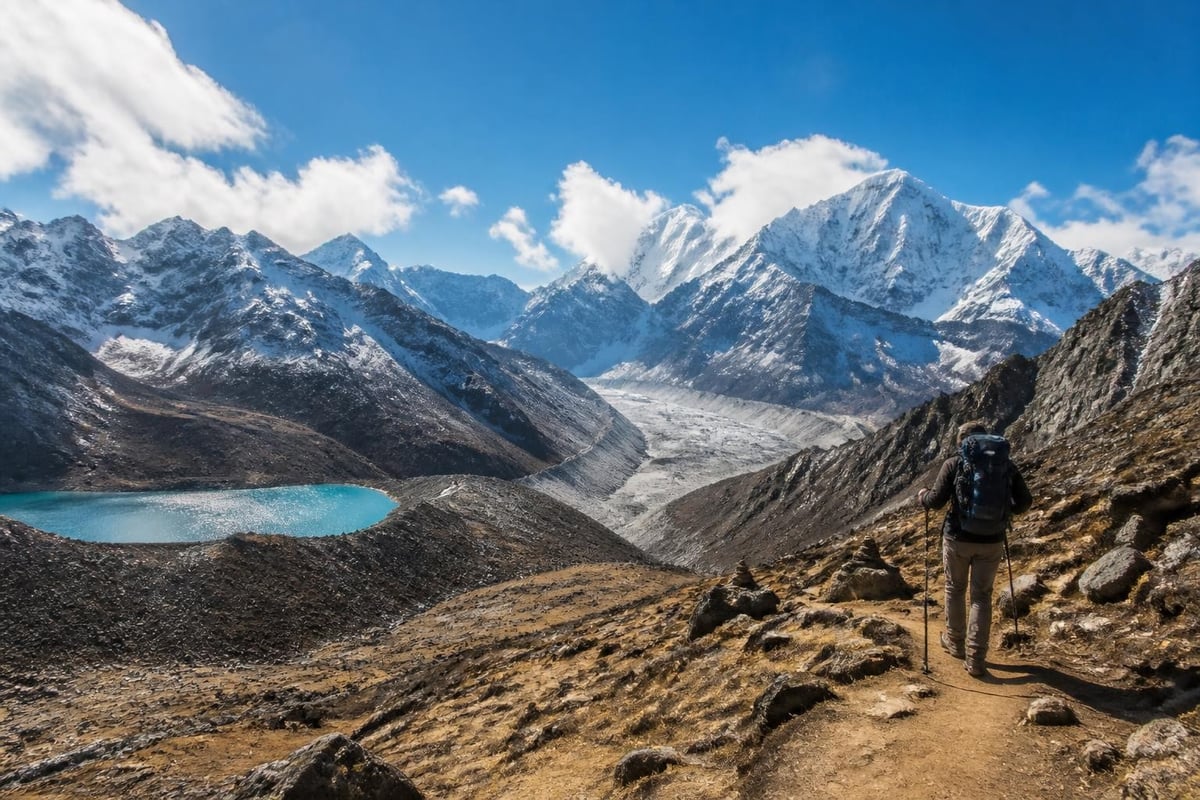
Planning Your Nepal Everest Base Camp Trek

Best Time to Trek

Timing your trek correctly makes the difference between a magical experience and a challenging ordeal. The nepal everest base camp trek has two optimal seasons that offer distinct advantages for different types of trekkers.

Spring season (March through May) brings warming temperatures and blooming rhododendron forests. The trails come alive with color, and clear post-monsoon skies provide spectacular mountain views. This period sees higher traffic but offers stable weather patterns.

Autumn season (September through November) delivers the most reliable conditions with crystal-clear visibility and comfortable temperatures. This is peak trekking season, so expect more crowded trails and teahouses. According to Lonely Planet’s comprehensive trekking guide, autumn provides the best photographic opportunities.

Winter and monsoon seasons are possible but present significant challenges. Winter brings extreme cold and snow-blocked passes, while monsoon season means leeches, rain, and obscured mountain views.

Required Permits and Documentation
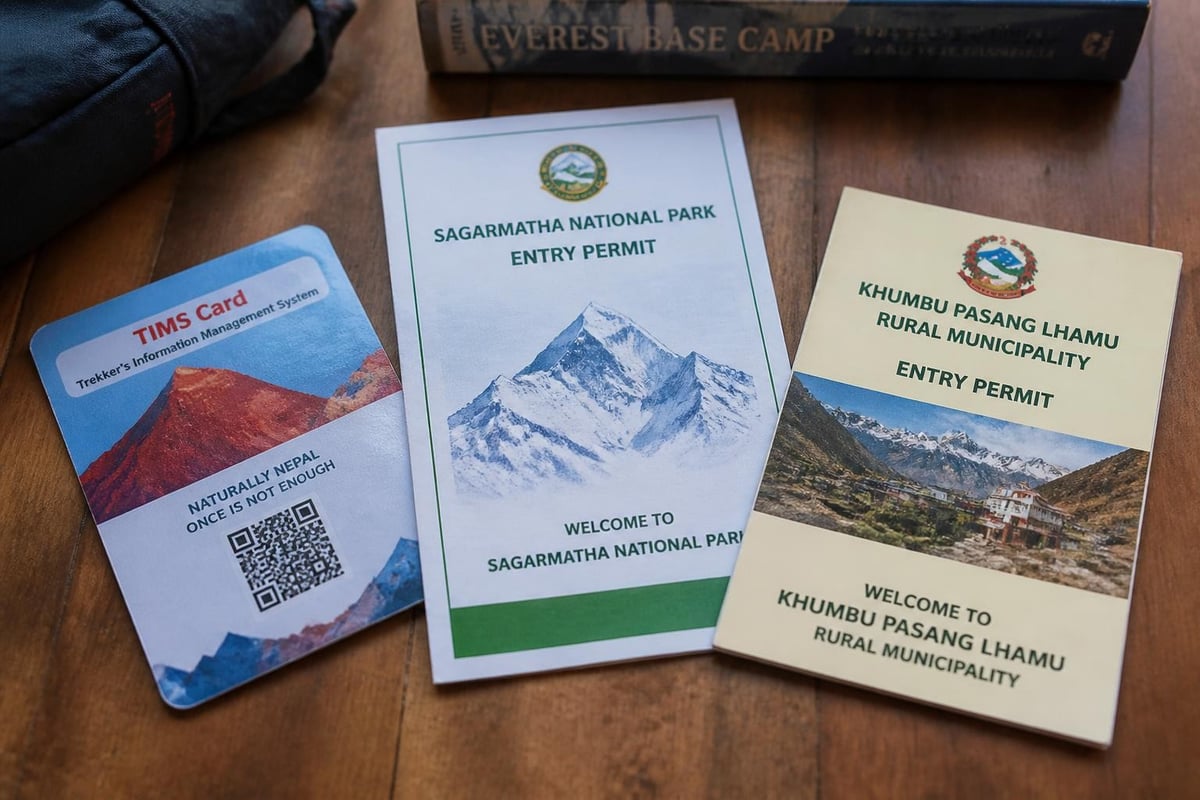
Nepal trekking permits

Every trekker needs specific permits before entering the Khumbu region. Understanding the permits and documentation requirements ensures smooth passage through checkpoints.

Permit Type Cost (2026) Where to Obtain
Sagarmatha National Park Entry NPR 3,000 (~$23 USD) Monjo entrance gate or Kathmandu
Khumbu Pasang Lhamu Entry NPR 2,000 (~$15 USD) Lukla
TIMS Card NPR 2,000 (~$15 USD) Tourism Board in Kathmandu

You'll also need a valid passport with at least six months remaining validity. Most nationalities can obtain a Nepal tourist visa on arrival at Tribhuvan International Airport in Kathmandu.

The Classic Trek Itinerary

Route Overview and Duration

The standard nepal everest base camp trek typically spans 12-14 days, though variations exist. The Nepal Tourism Board recommends allowing sufficient time for proper acclimatization.

Standard 12-day itinerary breakdown:

  1. Fly Kathmandu to Lukla, trek to Phakding (2,610m)
  2. Phakding to Namche Bazaar (3,440m)
  3. Acclimatization day in Namche Bazaar
  4. Namche to Tengboche (3,860m)
  5. Tengboche to Dingboche (4,410m)
  6. Acclimatization day in Dingboche
  7. Dingboche to Lobuche (4,910m)
  8. Lobuche to Gorak Shep (5,140m) to EBC (5,364m), return to Gorak Shep
  9. Gorak Shep to Kala Patthar (5,545m), descend to Pheriche (4,280m)
  10. Pheriche to Namche Bazaar
  11. Namche to Lukla
  12. Fly Lukla to Kathmandu

This pacing allows for crucial rest days that help prevent altitude sickness. Many trekkers add extra days for flexibility or extend their journey to include side trips.

Key Villages and Stops

The trek passes through remarkable Sherpa settlements, each offering unique cultural experiences and stunning vistas. Namche Bazaar serves as the region's commercial hub, featuring bakeries, gear shops, and the famous Saturday market where local traders sell everything from yak cheese to handwoven textiles.

Tengboche houses the region's most important monastery, where monks perform daily prayers against a backdrop of Ama Dablam's dramatic peak. Visitors often time their arrival to witness evening prayer ceremonies.

Dingboche and Pheriche provide crucial acclimatization stops in the high-altitude terrain. These villages offer fewer amenities but more authentic experiences of traditional Sherpa life.

Physical Preparation and Fitness Requirements

Training Recommendations

Success on the nepal everest base camp trek depends heavily on physical preparation. While technical climbing skills aren't required, you'll need strong cardiovascular endurance and leg strength to handle 5-7 hours of daily hiking.

Essential training activities:

  • Long-distance hiking with elevation gain (4-6 hours weekly)
  • Stair climbing or stadium step training
  • Cardiovascular exercise (running, cycling, swimming)
  • Leg strengthening exercises (squats, lunges, step-ups)
  • Core stability work

Begin training at least 8-12 weeks before departure. Gradually increase duration and difficulty, incorporating a weighted backpack to simulate trekking conditions.

Managing Altitude Challenges

Altitude sickness poses the greatest risk on this trek. National Geographic’s feature on the world's best hikes emphasizes the importance of proper acclimatization strategies.

The principle of "climb high, sleep low" governs smart altitude gain. Never increase your sleeping elevation by more than 300-500 meters per day above 3,000 meters. Rest days allow your body to produce more red blood cells and adjust to decreased oxygen levels.

Warning signs of altitude sickness:

  • Persistent headache unrelieved by medication
  • Nausea and loss of appetite
  • Dizziness and fatigue
  • Difficulty sleeping

Descend immediately if symptoms worsen. Most trekkers experience mild headaches and breathlessness, which resolve with rest and hydration.
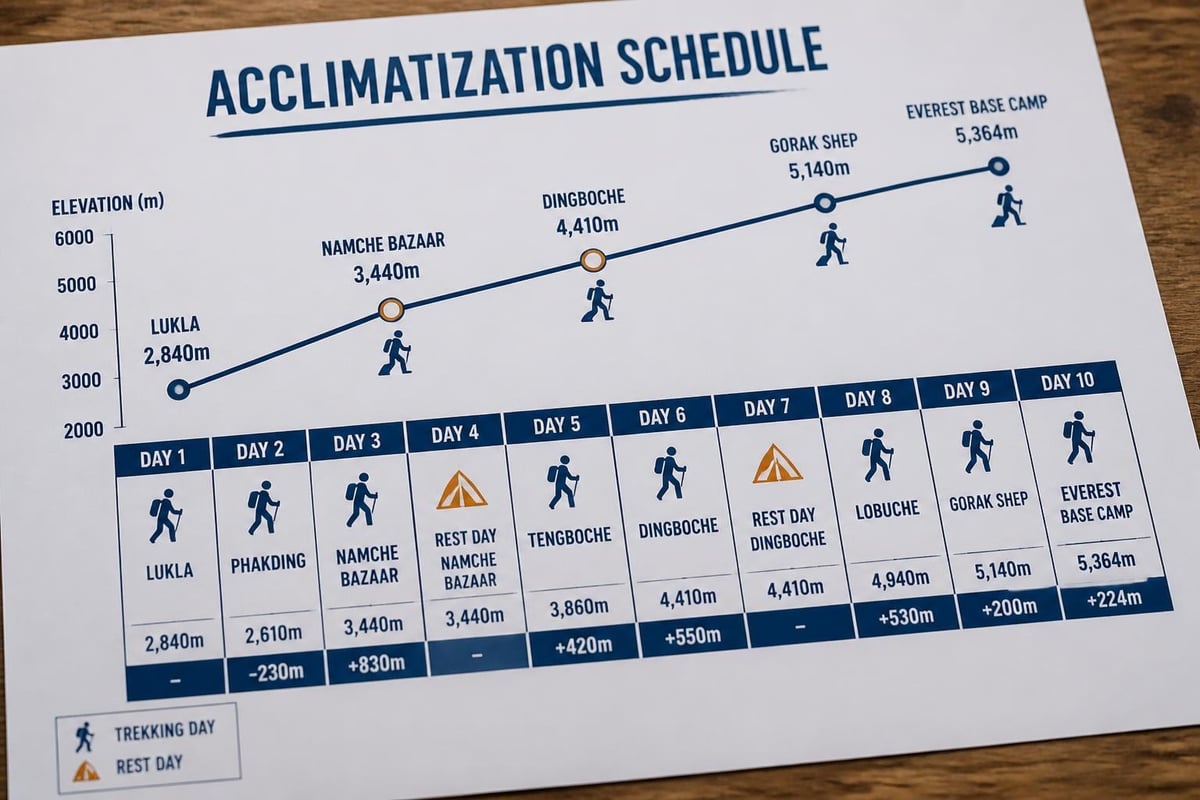
Altitude acclimatization strategy

Cultural Immersion and Local Communities

Sherpa Heritage and Buddhism

The nepal everest base camp trek offers profound cultural encounters with Sherpa communities whose ancestors migrated from Tibet centuries ago. These resilient mountain people have adapted to extreme environments while maintaining rich spiritual traditions.

Buddhism permeates daily life in the Khumbu region. Prayer flags flutter at high passes, sending blessings on the wind. Mani walls carved with sacred mantras line the trails. Spinning prayer wheels outside teahouses allow trekkers to participate in devotional practices.

Cultural etiquette guidelines:

  • Always pass mani walls and chortens on the left side
  • Ask permission before photographing people or inside monasteries
  • Remove shoes before entering religious buildings
  • Dress modestly, covering shoulders and knees
  • Accept tea or food offerings with both hands

Supporting Sustainable Tourism

Responsible trekking practices protect the fragile Himalayan environment and support local economies. The Sagarmatha Pollution Control Committee works tirelessly to manage waste, but trekkers must do their part.

Bring reusable water bottles and purification tablets rather than buying plastic bottles. Many teahouses now offer filtered water refill stations. Pack out all non-biodegradable waste, including batteries and toiletries.

Stay in locally-owned teahouses rather than foreign-operated lodges. This ensures your spending directly benefits Sherpa families. Eat local foods like dal bhat (lentil soup with rice) rather than imported Western meals, reducing the environmental impact of helicopter food deliveries. For travelers interested in culturally immersive experiences across the region, connecting authentically with local communities transforms any journey into something meaningful.

Accommodation and Meals

Teahouse Experience

The teahouse trekking system makes the nepal everest base camp trek accessible without camping equipment. These family-run lodges provide basic but comfortable accommodation throughout the route, as detailed in Mountain IQ’s comprehensive guide.

Rooms typically feature twin beds with pillows and blankets. Heating is minimal or nonexistent, so bring a quality sleeping bag rated for sub-zero temperatures. Shared bathrooms offer squat or Western toilets, though hot showers require extra payment and become less reliable at higher elevations.

Elevation Zone Accommodation Quality Typical Cost Per Night
Lukla – Namche Good facilities, some en-suite rooms $5-10 USD
Namche – Tengboche Comfortable, reliable electricity $5-8 USD
Tengboche – Dingboche Basic but clean, intermittent power $3-7 USD
Dingboche – Gorak Shep Very basic, limited facilities $5-10 USD

Food and Nutrition

Teahouse menus offer surprising variety, from traditional Nepali dishes to pasta, pizza, and pancakes. Dal bhat provides the most nutritious and economical option, typically including unlimited refills.

Maintain high calorie intake to fuel daily exertion and combat altitude effects. Breakfast might include porridge, eggs, or Tibetan bread. Lunch and dinner offer soups, noodles, fried rice, and meat dishes, though food variety decreases at higher elevations.

Drink 3-4 liters of water daily to prevent dehydration and aid acclimatization. Avoid alcohol and excessive caffeine, which worsen altitude symptoms.

Essential Gear and Packing

Clothing Layers

Temperature fluctuations from valley bottoms to high passes require versatile layering systems. Morning temperatures at Base Camp can drop below -20°C (4°F), while afternoon sun in Namche might warm to 15°C (59°F).

Core clothing items:

  • Moisture-wicking base layers (top and bottom)
  • Insulating mid-layers (fleece or down jacket)
  • Waterproof and windproof outer shell
  • Insulated winter jacket for high elevations
  • Trekking pants and thermal leggings
  • Warm hat, sun hat, and buff/neck gaiter
  • Quality hiking boots (broken in before departure)
  • Camp shoes or sandals for evenings

Technical Equipment

Beyond clothing, specific gear enhances safety and comfort. A headlamp with extra batteries proves essential for early morning starts and teahouse power outages. Trekking poles significantly reduce knee strain during long descents.

Additional essentials:

  • Quality sleeping bag (-15°C rating minimum)
  • Water purification system (tablets or filter)
  • Sunglasses with UV protection
  • High SPF sunscreen and lip balm
  • First aid kit with altitude medication
  • Portable battery pack for devices
  • Stuff sacks and dry bags for organization

Costs and Budgeting

Budget Breakdown

The nepal everest base camp trek accommodates various budgets depending on service level and personal spending habits. Global Summit Guide’s detailed cost analysis helps trekkers plan finances accurately.

Independent trekking costs (12 days):

  • Flights: Kathmandu-Lukla-Kathmandu ($350-400 USD)
  • Permits and fees ($55-60 USD)
  • Accommodation ($60-120 USD total)
  • Meals and drinks ($300-400 USD)
  • Miscellaneous (snacks, hot showers, charging): ($100-150 USD)
  • Total: $865-1,130 USD

Guided trekking packages:

  • Budget group trek: $1,200-1,500 USD
  • Mid-range private trek: $2,000-2,800 USD
  • Premium guided experience: $3,500-5,000 USD

Guided treks include permits, accommodation, meals, guide and porter services, and sometimes internal flights. Tipping guides and porters requires additional budget (10-15% of package cost).

Safety Considerations and Emergency Protocols

Health Precautions

Beyond altitude sickness, trekkers face other health challenges. Gastric issues from unfamiliar food or contaminated water affect many visitors. Bring anti-diarrheal medication and antibiotics prescribed by your doctor.

Travel insurance covering helicopter evacuation is mandatory. Serious altitude sickness, injuries, or sudden illness may require emergency evacuation from remote locations, costing $5,000-10,000 USD without insurance.

Weather and Trail Conditions

Weather in the Himalayas changes rapidly. Clear morning skies can transform into afternoon snowstorms, particularly during shoulder seasons. According to the Nepal Tourism Directory, trail conditions vary significantly based on recent weather and foot traffic.

Landslides occasionally block trails during monsoon season. Snow and ice make high passes treacherous in winter. Always check conditions before departing and remain flexible with your itinerary.

The Base Camp Experience

What to Expect at EBC

Reaching Everest Base Camp delivers an incredible sense of achievement, though the location itself surprises many first-time visitors. Unlike the dramatic mountain vistas elsewhere on the trek, Base Camp doesn’t offer direct views of Everest’s summit.

The camp sits on the Khumbu Glacier amid a chaotic landscape of ice and rock. During climbing season (April-May), colorful expedition tents dot the area, and you might spot mountaineers preparing for summit attempts. Off-season, the site feels desolate and wind-scoured.

Most trekkers spend 20-30 minutes at Base Camp before beginning the return journey. The real highlight comes the next morning at Kala Patthar.

Kala Patthar Summit

This small peak (5,545m) provides the trek's most spectacular viewpoint. Pre-dawn ascents reward early risers with sunrise illuminating Everest's summit pyramid, along with Nuptse, Changtse, and the surrounding Himalayan giants.

The climb from Gorak Shep takes 1.5-2 hours and tests your acclimatization with steep switchbacks at extreme altitude. Bring warm layers, as temperatures plummet in the darkness. The panoramic views make this the true pinnacle moment for most trekkers.

For those seeking even more high-altitude adventures, the Lhasa to Everest Base Camp, Tibet journey approaches the world's highest peak from the Tibetan side, offering a completely different perspective on this magnificent mountain while exploring ancient monasteries and stunning plateau landscapes.
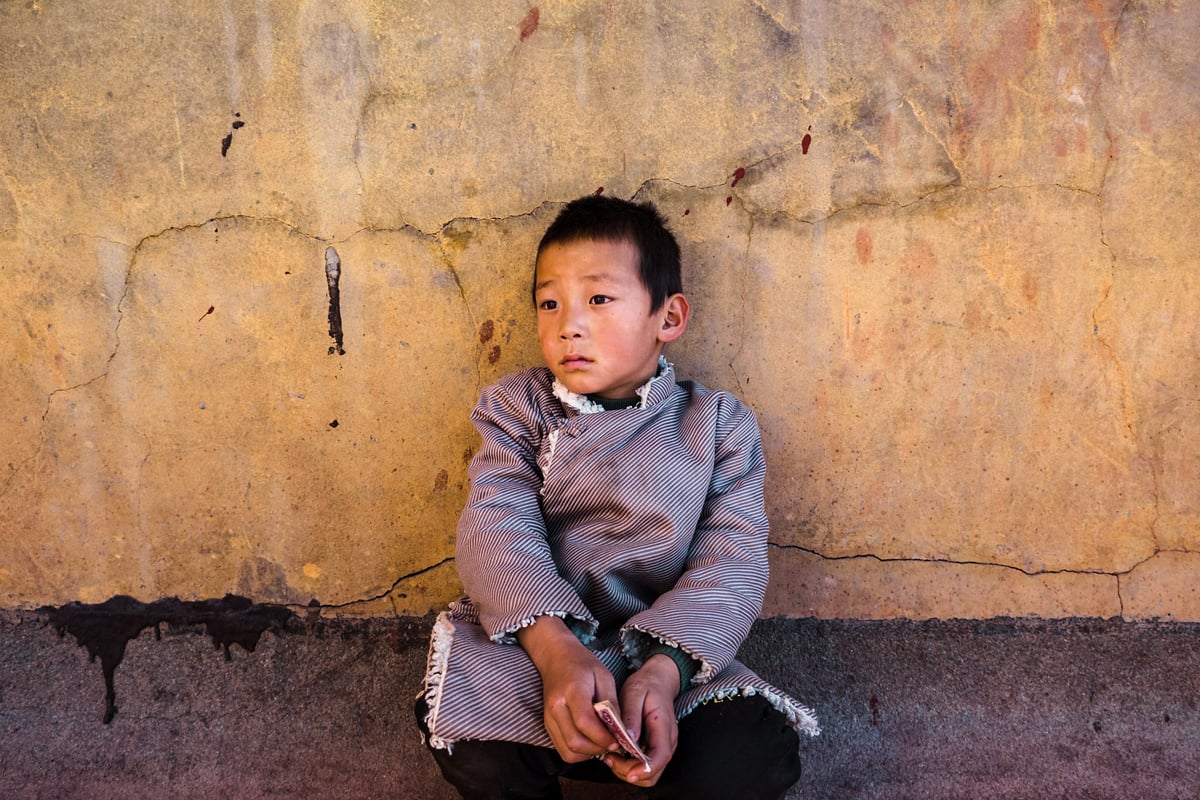
Lhasa to Everest Base Camp, Tibet - Elevated Trips

Extending Your Nepal Adventure

Nepal trekking region map

Alternative Routes and Add-Ons

Adventurous trekkers often extend their nepal everest base camp trek with additional routes. The Gokyo Lakes trek adds 3-5 days and visits stunning turquoise lakes beneath Cho Oyu, the world's sixth-highest mountain.

The Three Passes trek represents the ultimate Khumbu challenge, crossing Kongma La, Cho La, and Renjo La passes in a 18-21 day circuit. This demanding route requires excellent fitness and previous high-altitude experience.

Island Peak (Imja Tse) climbing appeals to trekkers wanting a taste of mountaineering. This 6,189-meter peak requires technical equipment and rope skills but offers a realistic summit opportunity.

Kathmandu and Cultural Tours

Most trekkers spend 2-3 days in Kathmandu before and after their trek. The capital city offers incredible cultural sites including Durbar Square, Swayambhunath (Monkey Temple), and Boudhanath Stupa.

Day trips to Bhaktapur and Patan reveal medieval architecture and traditional craftsmanship. The nearby hill station of Nagarkot provides Himalayan panoramas without altitude challenges, perfect for acclimatization or recovery.

Much like the commitment required for planning a trek to Everest Base Camp, choosing the right travel destination demands careful research and preparation-something organizations like the Kennebec Valley Tourism Council understand well as they help visitors navigate their own regional adventures with comprehensive planning resources.

Environmental Impact and Conservation

Leave No Trace Principles

The nepal everest base camp trek crosses through Sagarmatha National Park, a UNESCO World Heritage Site protecting unique ecosystems and endangered species. Trekkers share trails with Himalayan tahr, musk deer, and occasionally the elusive snow leopard.

Human impact threatens this fragile environment. Deforestation for firewood, trail erosion, and waste accumulation create ongoing challenges. Practice Leave No Trace principles by staying on designated trails, using kerosene or solar-heated teahouses, and carrying out all trash.

Community-Based Tourism

The shift toward sustainable tourism benefits both environment and local communities. Many organizations now train Sherpa guides in safety protocols, sustainable practices, and language skills, creating better employment opportunities beyond traditional porter work.

Choose operators committed to fair wages, proper equipment for staff, and community development projects. These companies often contribute portions of profits to schools, health clinics, and environmental initiatives in the Khumbu region.

Solo Trekking vs. Guided Groups

Independent Trekking

Solo trekking on the nepal everest base camp trek is entirely feasible for experienced hikers. Well-marked trails, frequent teahouses, and steady trekker traffic make navigation straightforward during peak seasons.

Advantages of solo trekking:

  • Complete flexibility with itinerary and pace
  • Lower overall costs
  • Opportunity for deeper cultural connections
  • Personal achievement and self-reliance

Challenges to consider:

  • No built-in safety net during emergencies
  • Navigation in bad weather conditions
  • Language barriers in remote villages
  • Carrying all personal gear

Benefits of Guided Treks

Professional guides provide invaluable knowledge, safety oversight, and cultural interpretation. They handle logistics, recommend acclimatization strategies, and respond to health issues before they become serious.

Porters carry heavy gear, allowing you to trek with only a daypack. This significantly reduces physical strain and increases enjoyment. Supporting porter employment also directly benefits local families, though ensuring ethical treatment requires choosing reputable companies that provide proper wages, equipment, and insurance.

Unique Challenges for Different Demographics

Age Considerations

Trekkers from teenagers to those in their seventies successfully complete this journey. Fitness matters more than age, though older trekkers should consult physicians about cardiovascular health at altitude. Understanding altitude’s effects on the body helps all age groups prepare appropriately.

Younger trekkers often adapt to altitude more quickly but may lack the mental toughness for long, challenging days. Older adventurers bring patience and determination but require longer acclimatization periods.

Female Trekkers

Women trek safely throughout Nepal, though cultural sensitivity enhances the experience. Dress modestly in villages, covering shoulders and wearing loose pants or long skirts. Female guides and porter services are increasingly available for those preferring same-gender support.

Menstruation at altitude requires planning. Bring sufficient supplies, as availability decreases higher up. Used products must be carried out, as burning creates toxic fumes and disposal damages the environment.


The nepal everest base camp trek represents far more than a physical challenge-it's a transformative journey through spectacular landscapes, ancient cultures, and personal limits. From the bustling markets of Namche Bazaar to the windswept heights of Kala Patthar, every step reveals something extraordinary about both the Himalayas and yourself. If you're ready to experience authentic cultural immersion while supporting local communities through responsible tourism, Elevated Trips specializes in small-group adventures throughout Nepal, Bhutan, and the Tibetan Plateau that combine adventure with meaningful connections to the people and places that make these regions unforgettable.
Planning Your Nepal Everest Base Camp Trek

Best Time to Trek

Timing your trek correctly makes the difference between a magical experience and a challenging ordeal. The nepal everest base camp trek has two optimal seasons that offer distinct advantages for different types of trekkers.

Spring season (March through May) brings warming temperatures and blooming rhododendron forests. The trails come alive with color, and clear post-monsoon skies provide spectacular mountain views. This period sees higher traffic but offers stable weather patterns.

Autumn season (September through November) delivers the most reliable conditions with crystal-clear visibility and comfortable temperatures. This is peak trekking season, so expect more crowded trails and teahouses. According to Lonely Planet’s comprehensive trekking guide, autumn provides the best photographic opportunities.

Winter and monsoon seasons are possible but present significant challenges. Winter brings extreme cold and snow-blocked passes, while monsoon season means leeches, rain, and obscured mountain views.

Required Permits and Documentation

Nepal trekking permits

Every trekker needs specific permits before entering the Khumbu region. Understanding the permits and documentation requirements ensures smooth passage through checkpoints.

Permit Type Cost (2026) Where to Obtain
Sagarmatha National Park Entry NPR 3,000 (~$23 USD) Monjo entrance gate or Kathmandu
Khumbu Pasang Lhamu Entry NPR 2,000 (~$15 USD) Lukla
TIMS Card NPR 2,000 (~$15 USD) Tourism Board in Kathmandu

You'll also need a valid passport with at least six months remaining validity. Most nationalities can obtain a Nepal tourist visa on arrival at Tribhuvan International Airport in Kathmandu.

The Classic Trek Itinerary

Route Overview and Duration

The standard nepal everest base camp trek typically spans 12-14 days, though variations exist. The Nepal Tourism Board recommends allowing sufficient time for proper acclimatization.

Standard 12-day itinerary breakdown:

  1. Fly Kathmandu to Lukla, trek to Phakding (2,610m)
  2. Phakding to Namche Bazaar (3,440m)
  3. Acclimatization day in Namche Bazaar
  4. Namche to Tengboche (3,860m)
  5. Tengboche to Dingboche (4,410m)
  6. Acclimatization day in Dingboche
  7. Dingboche to Lobuche (4,910m)
  8. Lobuche to Gorak Shep (5,140m) to EBC (5,364m), return to Gorak Shep
  9. Gorak Shep to Kala Patthar (5,545m), descend to Pheriche (4,280m)
  10. Pheriche to Namche Bazaar
  11. Namche to Lukla
  12. Fly Lukla to Kathmandu

This pacing allows for crucial rest days that help prevent altitude sickness. Many trekkers add extra days for flexibility or extend their journey to include side trips.

Key Villages and Stops

The trek passes through remarkable Sherpa settlements, each offering unique cultural experiences and stunning vistas. Namche Bazaar serves as the region's commercial hub, featuring bakeries, gear shops, and the famous Saturday market where local traders sell everything from yak cheese to handwoven textiles.

Tengboche houses the region's most important monastery, where monks perform daily prayers against a backdrop of Ama Dablam's dramatic peak. Visitors often time their arrival to witness evening prayer ceremonies.

Dingboche and Pheriche provide crucial acclimatization stops in the high-altitude terrain. These villages offer fewer amenities but more authentic experiences of traditional Sherpa life.

Physical Preparation and Fitness Requirements

Training Recommendations

Success on the nepal everest base camp trek depends heavily on physical preparation. While technical climbing skills aren't required, you'll need strong cardiovascular endurance and leg strength to handle 5-7 hours of daily hiking.

Essential training activities:

  • Long-distance hiking with elevation gain (4-6 hours weekly)
  • Stair climbing or stadium step training
  • Cardiovascular exercise (running, cycling, swimming)
  • Leg strengthening exercises (squats, lunges, step-ups)
  • Core stability work

Begin training at least 8-12 weeks before departure. Gradually increase duration and difficulty, incorporating a weighted backpack to simulate trekking conditions.

Managing Altitude Challenges

Altitude sickness poses the greatest risk on this trek. National Geographic’s feature on the world's best hikes emphasizes the importance of proper acclimatization strategies.

The principle of "climb high, sleep low" governs smart altitude gain. Never increase your sleeping elevation by more than 300-500 meters per day above 3,000 meters. Rest days allow your body to produce more red blood cells and adjust to decreased oxygen levels.

Warning signs of altitude sickness:

  • Persistent headache unrelieved by medication
  • Nausea and loss of appetite
  • Dizziness and fatigue
  • Difficulty sleeping

Descend immediately if symptoms worsen. Most trekkers experience mild headaches and breathlessness, which resolve with rest and hydration.

Altitude acclimatization strategy

Cultural Immersion and Local Communities

Sherpa Heritage and Buddhism

The nepal everest base camp trek offers profound cultural encounters with Sherpa communities whose ancestors migrated from Tibet centuries ago. These resilient mountain people have adapted to extreme environments while maintaining rich spiritual traditions.

Buddhism permeates daily life in the Khumbu region. Prayer flags flutter at high passes, sending blessings on the wind. Mani walls carved with sacred mantras line the trails. Spinning prayer wheels outside teahouses allow trekkers to participate in devotional practices.

Cultural etiquette guidelines:

  • Always pass mani walls and chortens on the left side
  • Ask permission before photographing people or inside monasteries
  • Remove shoes before entering religious buildings
  • Dress modestly, covering shoulders and knees
  • Accept tea or food offerings with both hands

Supporting Sustainable Tourism

Responsible trekking practices protect the fragile Himalayan environment and support local economies. The Sagarmatha Pollution Control Committee works tirelessly to manage waste, but trekkers must do their part.

Bring reusable water bottles and purification tablets rather than buying plastic bottles. Many teahouses now offer filtered water refill stations. Pack out all non-biodegradable waste, including batteries and toiletries.

Stay in locally-owned teahouses rather than foreign-operated lodges. This ensures your spending directly benefits Sherpa families. Eat local foods like dal bhat (lentil soup with rice) rather than imported Western meals, reducing the environmental impact of helicopter food deliveries. For travelers interested in culturally immersive experiences across the region, connecting authentically with local communities transforms any journey into something meaningful.

Accommodation and Meals

Teahouse Experience

The teahouse trekking system makes the nepal everest base camp trek accessible without camping equipment. These family-run lodges provide basic but comfortable accommodation throughout the route, as detailed in Mountain IQ’s comprehensive guide.

Rooms typically feature twin beds with pillows and blankets. Heating is minimal or nonexistent, so bring a quality sleeping bag rated for sub-zero temperatures. Shared bathrooms offer squat or Western toilets, though hot showers require extra payment and become less reliable at higher elevations.

Elevation Zone Accommodation Quality Typical Cost Per Night
Lukla – Namche Good facilities, some en-suite rooms $5-10 USD
Namche – Tengboche Comfortable, reliable electricity $5-8 USD
Tengboche – Dingboche Basic but clean, intermittent power $3-7 USD
Dingboche – Gorak Shep Very basic, limited facilities $5-10 USD

Food and Nutrition

Teahouse menus offer surprising variety, from traditional Nepali dishes to pasta, pizza, and pancakes. Dal bhat provides the most nutritious and economical option, typically including unlimited refills.

Maintain high calorie intake to fuel daily exertion and combat altitude effects. Breakfast might include porridge, eggs, or Tibetan bread. Lunch and dinner offer soups, noodles, fried rice, and meat dishes, though food variety decreases at higher elevations.

Drink 3-4 liters of water daily to prevent dehydration and aid acclimatization. Avoid alcohol and excessive caffeine, which worsen altitude symptoms.

Essential Gear and Packing

Clothing Layers

Temperature fluctuations from valley bottoms to high passes require versatile layering systems. Morning temperatures at Base Camp can drop below -20°C (4°F), while afternoon sun in Namche might warm to 15°C (59°F).

Core clothing items:

  • Moisture-wicking base layers (top and bottom)
  • Insulating mid-layers (fleece or down jacket)
  • Waterproof and windproof outer shell
  • Insulated winter jacket for high elevations
  • Trekking pants and thermal leggings
  • Warm hat, sun hat, and buff/neck gaiter
  • Quality hiking boots (broken in before departure)
  • Camp shoes or sandals for evenings

Technical Equipment

Beyond clothing, specific gear enhances safety and comfort. A headlamp with extra batteries proves essential for early morning starts and teahouse power outages. Trekking poles significantly reduce knee strain during long descents.

Additional essentials:

  • Quality sleeping bag (-15°C rating minimum)
  • Water purification system (tablets or filter)
  • Sunglasses with UV protection
  • High SPF sunscreen and lip balm
  • First aid kit with altitude medication
  • Portable battery pack for devices
  • Stuff sacks and dry bags for organization

Costs and Budgeting

Budget Breakdown

The nepal everest base camp trek accommodates various budgets depending on service level and personal spending habits. Global Summit Guide’s detailed cost analysis helps trekkers plan finances accurately.

Independent trekking costs (12 days):

  • Flights: Kathmandu-Lukla-Kathmandu ($350-400 USD)
  • Permits and fees ($55-60 USD)
  • Accommodation ($60-120 USD total)
  • Meals and drinks ($300-400 USD)
  • Miscellaneous (snacks, hot showers, charging): ($100-150 USD)
  • Total: $865-1,130 USD

Guided trekking packages:

  • Budget group trek: $1,200-1,500 USD
  • Mid-range private trek: $2,000-2,800 USD
  • Premium guided experience: $3,500-5,000 USD

Guided treks include permits, accommodation, meals, guide and porter services, and sometimes internal flights. Tipping guides and porters requires additional budget (10-15% of package cost).

Safety Considerations and Emergency Protocols

Health Precautions

Beyond altitude sickness, trekkers face other health challenges. Gastric issues from unfamiliar food or contaminated water affect many visitors. Bring anti-diarrheal medication and antibiotics prescribed by your doctor.

Travel insurance covering helicopter evacuation is mandatory. Serious altitude sickness, injuries, or sudden illness may require emergency evacuation from remote locations, costing $5,000-10,000 USD without insurance.

Weather and Trail Conditions

Weather in the Himalayas changes rapidly. Clear morning skies can transform into afternoon snowstorms, particularly during shoulder seasons. According to the Nepal Tourism Directory, trail conditions vary significantly based on recent weather and foot traffic.

Landslides occasionally block trails during monsoon season. Snow and ice make high passes treacherous in winter. Always check conditions before departing and remain flexible with your itinerary.

The Base Camp Experience

What to Expect at EBC

Reaching Everest Base Camp delivers an incredible sense of achievement, though the location itself surprises many first-time visitors. Unlike the dramatic mountain vistas elsewhere on the trek, Base Camp doesn’t offer direct views of Everest’s summit.

The camp sits on the Khumbu Glacier amid a chaotic landscape of ice and rock. During climbing season (April-May), colorful expedition tents dot the area, and you might spot mountaineers preparing for summit attempts. Off-season, the site feels desolate and wind-scoured.

Most trekkers spend 20-30 minutes at Base Camp before beginning the return journey. The real highlight comes the next morning at Kala Patthar.

Kala Patthar Summit

This small peak (5,545m) provides the trek's most spectacular viewpoint. Pre-dawn ascents reward early risers with sunrise illuminating Everest's summit pyramid, along with Nuptse, Changtse, and the surrounding Himalayan giants.

The climb from Gorak Shep takes 1.5-2 hours and tests your acclimatization with steep switchbacks at extreme altitude. Bring warm layers, as temperatures plummet in the darkness. The panoramic views make this the true pinnacle moment for most trekkers.

For those seeking even more high-altitude adventures, the Lhasa to Everest Base Camp, Tibet journey approaches the world's highest peak from the Tibetan side, offering a completely different perspective on this magnificent mountain while exploring ancient monasteries and stunning plateau landscapes.

Lhasa to Everest Base Camp, Tibet - Elevated Trips

Extending Your Nepal Adventure

Nepal trekking region map

Alternative Routes and Add-Ons

Adventurous trekkers often extend their nepal everest base camp trek with additional routes. The Gokyo Lakes trek adds 3-5 days and visits stunning turquoise lakes beneath Cho Oyu, the world's sixth-highest mountain.

The Three Passes trek represents the ultimate Khumbu challenge, crossing Kongma La, Cho La, and Renjo La passes in a 18-21 day circuit. This demanding route requires excellent fitness and previous high-altitude experience.

Island Peak (Imja Tse) climbing appeals to trekkers wanting a taste of mountaineering. This 6,189-meter peak requires technical equipment and rope skills but offers a realistic summit opportunity.

Kathmandu and Cultural Tours

Most trekkers spend 2-3 days in Kathmandu before and after their trek. The capital city offers incredible cultural sites including Durbar Square, Swayambhunath (Monkey Temple), and Boudhanath Stupa.

Day trips to Bhaktapur and Patan reveal medieval architecture and traditional craftsmanship. The nearby hill station of Nagarkot provides Himalayan panoramas without altitude challenges, perfect for acclimatization or recovery.

Much like the commitment required for planning a trek to Everest Base Camp, choosing the right travel destination demands careful research and preparation-something organizations like the Kennebec Valley Tourism Council understand well as they help visitors navigate their own regional adventures with comprehensive planning resources.

Environmental Impact and Conservation

Leave No Trace Principles

The nepal everest base camp trek crosses through Sagarmatha National Park, a UNESCO World Heritage Site protecting unique ecosystems and endangered species. Trekkers share trails with Himalayan tahr, musk deer, and occasionally the elusive snow leopard.

Human impact threatens this fragile environment. Deforestation for firewood, trail erosion, and waste accumulation create ongoing challenges. Practice Leave No Trace principles by staying on designated trails, using kerosene or solar-heated teahouses, and carrying out all trash.

Community-Based Tourism

The shift toward sustainable tourism benefits both environment and local communities. Many organizations now train Sherpa guides in safety protocols, sustainable practices, and language skills, creating better employment opportunities beyond traditional porter work.

Choose operators committed to fair wages, proper equipment for staff, and community development projects. These companies often contribute portions of profits to schools, health clinics, and environmental initiatives in the Khumbu region.

Solo Trekking vs. Guided Groups

Independent Trekking

Solo trekking on the nepal everest base camp trek is entirely feasible for experienced hikers. Well-marked trails, frequent teahouses, and steady trekker traffic make navigation straightforward during peak seasons.

Advantages of solo trekking:

  • Complete flexibility with itinerary and pace
  • Lower overall costs
  • Opportunity for deeper cultural connections
  • Personal achievement and self-reliance

Challenges to consider:

  • No built-in safety net during emergencies
  • Navigation in bad weather conditions
  • Language barriers in remote villages
  • Carrying all personal gear

Benefits of Guided Treks

Professional guides provide invaluable knowledge, safety oversight, and cultural interpretation. They handle logistics, recommend acclimatization strategies, and respond to health issues before they become serious.

Porters carry heavy gear, allowing you to trek with only a daypack. This significantly reduces physical strain and increases enjoyment. Supporting porter employment also directly benefits local families, though ensuring ethical treatment requires choosing reputable companies that provide proper wages, equipment, and insurance.

Unique Challenges for Different Demographics

Age Considerations

Trekkers from teenagers to those in their seventies successfully complete this journey. Fitness matters more than age, though older trekkers should consult physicians about cardiovascular health at altitude. Understanding altitude’s effects on the body helps all age groups prepare appropriately.

Younger trekkers often adapt to altitude more quickly but may lack the mental toughness for long, challenging days. Older adventurers bring patience and determination but require longer acclimatization periods.

Female Trekkers

Women trek safely throughout Nepal, though cultural sensitivity enhances the experience. Dress modestly in villages, covering shoulders and wearing loose pants or long skirts. Female guides and porter services are increasingly available for those preferring same-gender support.

Menstruation at altitude requires planning. Bring sufficient supplies, as availability decreases higher up. Used products must be carried out, as burning creates toxic fumes and disposal damages the environment.


The nepal everest base camp trek represents far more than a physical challenge-it's a transformative journey through spectacular landscapes, ancient cultures, and personal limits. From the bustling markets of Namche Bazaar to the windswept heights of Kala Patthar, every step reveals something extraordinary about both the Himalayas and yourself. If you're ready to experience authentic cultural immersion while supporting local communities through responsible tourism, Elevated Trips specializes in small-group adventures throughout Nepal, Bhutan, and the Tibetan Plateau that combine adventure with meaningful connections to the people and places that make these regions unforgettable.
Leave a Reply

Your email address will not be published. Required fields are marked *

captcha

Please enter the characters shown in the CAPTCHA to ensure that you are human.