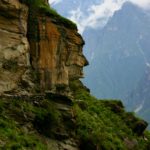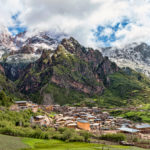
The allure of a nepal mountain trek draws thousands of adventurers each year to the world's highest peaks and most dramatic landscapes. From the legendary slopes of Everest to the culturally rich trails winding through remote villages, trekking in Nepal offers far more than physical challenge. It represents a journey into ancient traditions, encounters with resilient mountain communities, and the opportunity to walk among some of Earth's most spectacular natural formations. Whether you're planning your first high-altitude adventure or returning to explore lesser-known routes, understanding the nuances of trekking in this Himalayan nation ensures both a safer journey and deeper cultural connection.
Understanding Nepal's Trekking Regions
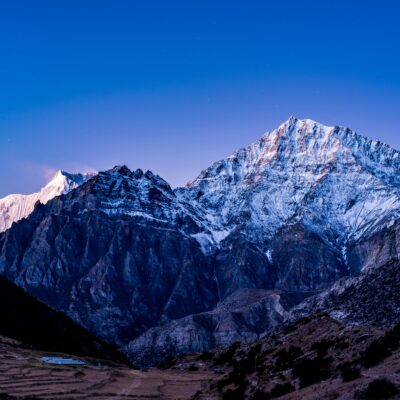
Nepal's diverse geography creates distinct trekking zones, each offering unique landscapes and cultural experiences. The Nepal Himalayas stretch across the northern border, featuring eight of the world's fourteen highest peaks.
Everest Region
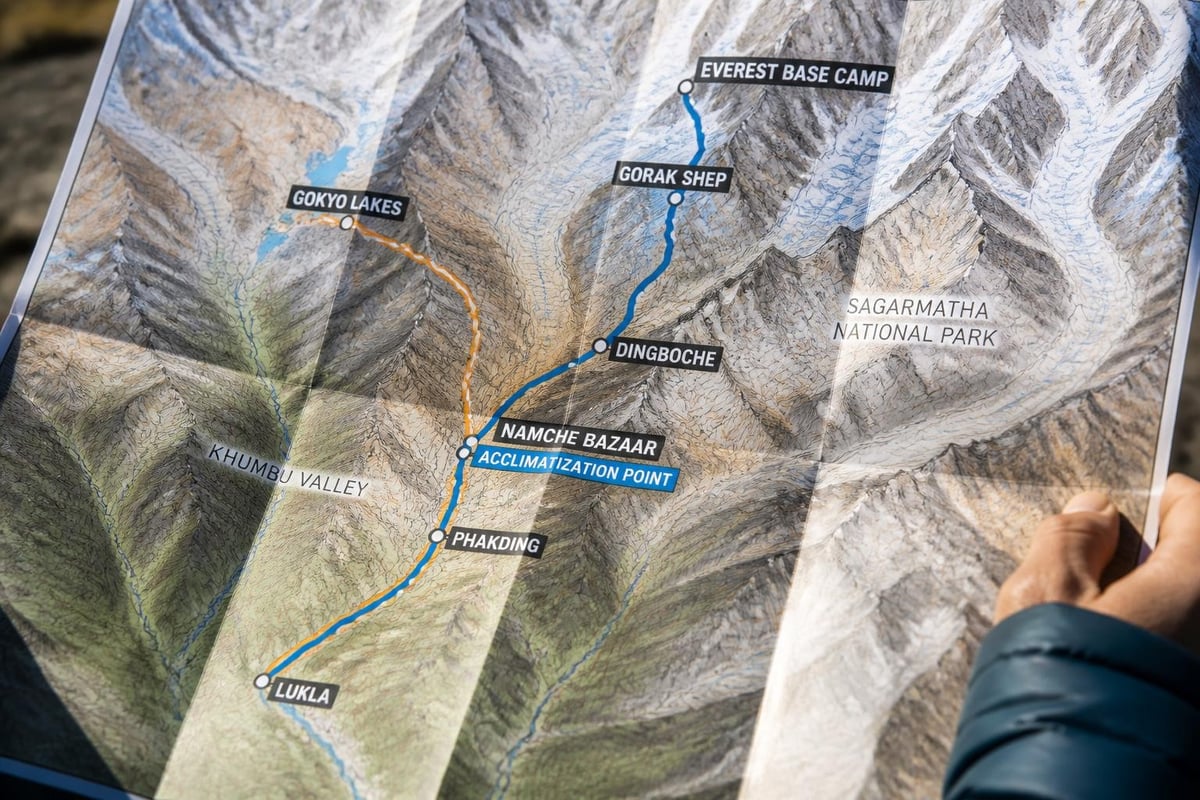
The Khumbu area represents Nepal's most iconic trekking destination. Routes here range from the challenging Everest Base Camp circuit to less demanding trails through Sherpa villages. Elevations quickly climb above 4,000 meters, demanding proper acclimatization. Tengboche Monastery and Namche Bazaar provide cultural highlights alongside mountain vistas.
Most trekkers spend 12-14 days completing the classic Everest Base Camp route. Side trips to Gokyo Lakes or Island Peak extend adventures for those with additional time and experience.
Annapurna Circuit
This diverse region offers everything from subtropical valleys to high desert landscapes. The Annapurna Circuit circumnavigates the Annapurna massif, crossing Thorong La Pass at 5,416 meters. According to detailed climbing guides, this area presents varied terrain requiring different skill sets.
- Annapurna Base Camp: Shorter trek reaching 4,130 meters
- Poon Hill: Accessible route suitable for beginners
- Tilicho Lake: High-altitude extension for experienced trekkers
- Mardi Himal: Less crowded alternative with stunning views
The Annapurna region typically experiences more moderate weather than Everest, making it attractive for trekkers concerned about extreme conditions.
Langtang Valley
Often overshadowed by more famous routes, Langtang provides authentic village experiences closer to Kathmandu. The 2015 earthquake severely impacted this region, but communities have rebuilt with remarkable resilience. Supporting tourism here directly aids ongoing recovery efforts.
Kyanjin Gompa serves as the primary destination, offering glacier viewpoints and cultural immersion. The trek requires 7-10 days and reaches maximum elevations around 4,600 meters.
Seasonal Considerations for Your Nepal Mountain Trek
Timing significantly impacts trekking conditions, safety, and overall experience. The Nepal Tourism Board outlines distinct seasons affecting mountain activities.
Pre-Monsoon Season (March-May)
Spring brings warming temperatures and blooming rhododendrons. Visibility gradually decreases as the season progresses toward monsoon. March and April offer the most stable weather, though afternoons can bring clouds.
| Advantages | Challenges |
|---|---|
| Warmer temperatures at altitude | Increasing afternoon clouds |
| Clear morning views | Higher lodge prices |
| Rhododendron blooms | More crowded trails |
| Stable weather patterns | Dustier trails |
Post-Monsoon Season (September-November)
Autumn represents peak trekking season. Fresh monsoon rains clear dust from the atmosphere, creating exceptional mountain visibility. Temperatures remain comfortable during the day while nights grow cold at higher elevations.
October sees the heaviest trail traffic. Booking lodges in advance becomes essential on popular routes. Prices peak during this window, but conditions justify the premium for most trekkers.
Winter and Monsoon Alternatives
December through February brings extreme cold to high passes, though lower elevations remain accessible. Some teahouses close for winter, limiting route options. June through August monsoon rains create hazardous trail conditions and obscure views, though rain-shadow areas like Upper Mustang remain viable.
Physical Preparation and Acclimatization
A successful nepal mountain trek demands months of physical preparation and careful attention to altitude adjustment. Cardiovascular fitness forms the foundation, but specific training enhances enjoyment and safety.
Training Recommendations
Build aerobic capacity through hiking, running, or cycling for at least 12 weeks before departure. Focus on sustained moderate effort rather than intense intervals. Stair climbing with a weighted pack replicates trekking demands effectively.
- Train with your actual trekking boots to break them in
- Practice with a loaded pack (8-12 kg)
- Include back-to-back training days to simulate multi-day trekking
- Strengthen core and leg muscles through targeted exercises
- Train at whatever altitude is locally available
Mental preparation matters equally. Long trekking days require psychological resilience, particularly when facing challenging weather or altitude symptoms.
Acclimatization Strategies
The traditional guidance of "climb high, sleep low" prevents acute mountain sickness. Plan rest days at key elevations, typically every 1,000 meters above 3,000 meters. Namche Bazaar and Dingboche serve as common acclimatization stops in the Everest region.
Recognize symptoms of altitude sickness: headache, nausea, dizziness, and unusual fatigue. Descend immediately if symptoms worsen despite rest. According to professional guides certified by the Nepal National Mountain Guide Association, many preventable evacuations result from ignoring early warning signs.
Permits, Regulations, and Logistics
Understanding Nepal’s climbing rules streamlines preparation and ensures legal compliance. Different regions require various permits and documentation.
Required Documentation
TIMS Cards (Trekkers' Information Management System) track trekker movements for safety purposes. Most organized treks include this in package prices. Independent trekkers must obtain cards through registered agencies or tourism offices.
National Park Permits protect conservation areas. Sagarmatha National Park, Annapurna Conservation Area, and Langtang National Park each require separate entry permits. Fees vary for foreign nationals versus SAARC country citizens.
Insurance Requirements
Comprehensive travel insurance covering helicopter evacuation from high altitude is non-negotiable. Standard policies exclude trekking above certain elevations. Verify your policy covers the maximum altitude of your planned route.
Medical facilities decrease rapidly beyond major villages. Evacuation from remote areas can cost $5,000-$10,000 without proper coverage. The Mountain Guide Association of Nepal emphasizes this as the single most important preparation step.
Environmental and Cultural Responsibility
Sustainable practices preserve Nepal's mountain environments and support local communities. Elevated Trips prioritizes eco-tourism principles that minimize impact while maximizing community benefit.
Leave No Trace Principles
Waste management challenges increase with altitude. Many lodges lack proper disposal systems. Carry out all non-biodegradable waste, including batteries, plastics, and hygiene products. Purify drinking water using filters or purification tablets rather than purchasing bottled water.
Some trekkers participate in cleanup treks, combining their journey with removing accumulated waste from popular routes. These initiatives have removed thousands of kilograms of trash from high-altitude areas.
Cultural Sensitivity
Remote mountain communities maintain traditional lifestyles. Respectful interaction enriches both visitor and host experiences. Dress modestly in villages, ask permission before photographing people, and learn basic Nepali greetings.
Monastery etiquette requires specific awareness:
- Remove shoes before entering religious buildings
- Walk clockwise around stupas and religious monuments
- Avoid pointing feet toward religious objects or people
- Ask permission before photographing inside monasteries
- Make small donations when visiting religious sites
Supporting local economies through lodge stays, hiring local guides, and purchasing locally-made goods creates sustainable tourism benefits. Elevated Trips structures experiences to ensure trekking revenue directly supports mountain communities.
Choosing Guides and Porter Services
The role of professional mountain guides extends beyond navigation. Qualified guides enhance safety, provide cultural interpretation, and ensure appropriate emergency response. The Mountain Guide Association of Nepal maintains standards and certification programs.
Independent Versus Guided Trekking
| Factor | Independent | Guided |
|---|---|---|
| Cost | Lower overall | Higher but comprehensive |
| Flexibility | Complete route control | Set itineraries |
| Cultural Access | Limited by language | Deep local connections |
| Safety Support | Self-reliant | Professional backup |
| Logistics | Self-managed | Fully arranged |
Solo trekkers on popular routes like Everest Base Camp and Annapurna Circuit often meet fellow travelers and occasionally team up informally. However, professional guides navigate permit processes, arrange accommodations, and provide crucial support if health issues arise.
Porter Ethics
Porters carry trekker loads, enabling lighter daily hiking. Ethical treatment includes appropriate wages, proper equipment provision, and reasonable load limits (maximum 30 kg). Reputable agencies provide porters with insurance coverage and adequate rest.
Some organizations advocate for porter welfare specifically. When hiring independently, ensure clear agreements about daily wages, food provisions, accommodation, and insurance coverage. Many trekkers form meaningful connections with their porter team members over multi-week journeys.
Gear Essentials for High-Altitude Trekking
Proper equipment significantly impacts comfort and safety during a nepal mountain trek. Layering systems manage varying temperatures from subtropical valleys to high-altitude passes.
Clothing Layers
Base layers should wick moisture while providing warmth. Merino wool outperforms synthetic materials for multi-day use without washing. Mid layers like fleece or down jackets trap heat. Outer shells protect against wind and precipitation.
Temperature variations exceed 30°C throughout a single trekking day. Starting in a warm valley might require only a t-shirt, while the same afternoon at 4,500 meters demands full cold-weather gear.
Footwear and Accessories
Invest in quality trekking boots with ankle support and robust soles. Break them in thoroughly before departure. Many trekkers bring lightweight camp shoes for evening lodge comfort.
Essential accessories include:
- Trekking poles to reduce knee strain
- Gaiters for snow and debris protection
- Sunglasses with UV protection (crucial at altitude)
- Sun hat and warm beanie
- Headlamp with extra batteries
- Water bottles or hydration system
- Sleeping bag rated for expected temperatures
Rental equipment is available in Kathmandu and major trekking hubs, though quality varies. Critical items like boots and sleeping bags warrant purchasing to ensure proper fit and reliability.
Lodge Life and Trekking Food
Teahouse trekking utilizes the lodge network along popular routes. These family-run establishments provide basic accommodation and meals. Understanding lodge culture enhances the experience while supporting local economies.
Accommodation Standards
Rooms typically offer twin beds with thin mattresses and pillows. Blankets provide warmth, though many trekkers use personal sleeping bags. Shared bathroom facilities are standard, with flush toilets giving way to squat toilets at higher elevations.
Electricity availability decreases with altitude and often requires payment for device charging. Solar panels power many lodges, making charging weather-dependent. Battery banks eliminate this concern.
Menu Options
Dal bhat (rice, lentils, and vegetables) forms the foundation of trekking nutrition. Lodges typically offer unlimited refills, making it the most economical choice. According to comprehensive trekking information, menus expand in popular areas to include Western options like pasta, pizza, and pancakes.
Dietary considerations require advance communication. Vegetarian food is readily available, while vegan options need specific requests. Gluten-free choices are limited, particularly at higher elevations where food variety decreases.
Health and Safety Considerations
Medical preparedness prevents minor issues from becoming serious problems. Remote locations limit access to professional medical care, making prevention and early intervention crucial.
Common Health Issues
Gastrointestinal problems top the list of trekker complaints. Water purification, hand hygiene, and careful food selection minimize risks. Bring comprehensive first aid supplies including rehydration salts, anti-diarrheal medication, and antibiotics prescribed by your physician.
Blisters develop from new boots or wet conditions. Address hot spots immediately with appropriate taping or padding. Untreated blisters can end treks prematurely.
Research indicates that emerging risks from climate change in the Everest region affect route conditions and weather patterns. Stay informed about current conditions and maintain flexibility in planning.
Altitude-Related Concerns
Acute Mountain Sickness (AMS) affects roughly 50% of trekkers above 4,000 meters to some degree. Mild symptoms typically resolve with rest and hydration. High Altitude Pulmonary Edema (HAPE) and High Altitude Cerebral Edema (HACE) represent life-threatening emergencies requiring immediate descent and medical evacuation.
Acetazolamide (Diamox) aids acclimatization when used preventively. Consult with a physician experienced in altitude medicine before departure. Understanding that mountain resonance influences geological hazards adds another dimension to safety awareness in earthquake-prone regions.
Lesser-Known Routes Worth Exploring
Beyond the classic circuits, Nepal offers dozens of spectacular treks receiving fewer visitors. These routes provide authentic experiences with reduced crowding and environmental impact.
Manaslu Circuit
This restricted-area trek circles the eighth-highest mountain in the world. The route requires special permits and guided trekking, preserving its remote character. Larkya La Pass at 5,106 meters presents the high point, offering dramatic Himalayan panoramas.
Cultural diversity distinguishes Manaslu, with Buddhist villages in upper valleys and Hindu communities lower down. The trek typically requires 14-18 days and demands good fitness levels.
Kanchenjunga Base Camp
Nepal's far eastern region sees minimal tourist traffic despite spectacular scenery. Routes approach Kanchenjunga, the world's third-highest peak, from both north and south base camps. Restricted area permits and camping arrangements add complexity but reward with pristine environments.
This trek suits experienced trekkers comfortable with basic facilities and longer daily stages. The region maintains strong traditional culture with minimal outside influence.
Upper Mustang
The former forbidden kingdom opened to trekkers in 1992. This trans-Himalayan region features Tibetan Buddhist culture and desert-like geography. The ancient walled city of Lo Manthang transports visitors to medieval Tibet.
Upper Mustang trekking occurs during monsoon season when most of Nepal receives heavy rain. The rain-shadow location stays relatively dry, providing a summer alternative to traditional routes. You can explore other unique regions that offer similarly distinctive experiences across the broader Himalayan area.
Communication and Connectivity
Staying connected in remote mountains balances safety needs with digital detox opportunities. Communication infrastructure has expanded significantly in recent years.
Mobile Networks
Ncell and Nepal Telecom provide coverage on major trekking routes up to surprisingly high elevations. Data packages enable internet access, though speeds decrease with altitude. SIM cards are available in Kathmandu with proper documentation.
Satellite phones offer backup communication for emergencies in areas without cell coverage. Many guide companies include satellite communication in their support systems.
Digital Resources
GPS devices and smartphone apps with downloaded maps prevent navigation errors. Apps like Maps.me function offline, providing detailed trail information. However, traditional map-reading skills remain valuable when technology fails.
Social media connectivity allows real-time sharing, though consider whether constant updates enhance or detract from the experience. Many trekkers appreciate periodic check-ins balanced with presence in the moment.
Financial Planning and Budgeting
Understanding costs enables realistic budgeting for a nepal mountain trek. Expenses vary dramatically between independent and organized trekking approaches.
Daily Trekking Costs
Independent trekkers on teahouse routes can manage on $25-40 daily, covering accommodation, meals, and basic expenses. This assumes carrying personal gear and navigating independently. Accommodation costs $3-8 per night, while meals run $4-8 each.
Guided treks through reputable operators range from $1,000-3,000 for two-week itineraries, depending on group size and service level. These packages typically include permits, guide and porter services, accommodation, and most meals.
Additional Expenses
Factor in these supplementary costs:
- International flights to Kathmandu
- Domestic flights (Kathmandu-Lukla: $350-400 round trip)
- Gear purchases or rentals
- Travel insurance with evacuation coverage
- Tips for guides and porters (budgeting guidelines vary)
- Hot showers at lodges ($2-5 each)
- Device charging ($2-3 per charge)
- Visa fees ($50 for 30 days)
Cash planning requires attention since ATMs disappear beyond major towns. Carry sufficient rupees for the entire trek, as lodges don't accept cards. USD can sometimes be exchanged in larger villages at poor rates.
Weather Patterns and Climate Variability
Nepal's complex topography creates microclimates varying significantly across short distances. General seasonal patterns guide planning, but day-to-day conditions require flexibility.
Temperature Expectations
Valley elevations (1,000-2,000 meters) experience subtropical to temperate climates. Spring and autumn days reach 15-25°C, while nights cool to 5-15°C. At 4,000 meters, daytime temperatures struggle to exceed 10°C, with nighttime lows dropping below freezing.
Winter trekking at high elevations exposes trekkers to temperatures routinely reaching -20°C overnight. Appropriate gear becomes critical for survival rather than mere comfort.
Precipitation Patterns
Monsoon (June-September) delivers 80% of annual precipitation to most regions. Rainfall increases rapidly through June, peaks in July-August, then tapers in September. Afternoon storms characterize the pattern, though morning hours often stay clear.
Rain-shadow areas north of the main Himalayan crest receive minimal monsoon moisture. Upper Mustang, Dolpo, and Upper Manang remain accessible when southern regions experience heavy rainfall.
Building Your Trekking Itinerary
Thoughtful route planning balances ambition with realistic capabilities. Many first-time trekkers underestimate the physical and mental demands of sustained high-altitude trekking.
Acclimatization Days
Schedule strategic rest days rather than continuous climbing. The classic Everest Base Camp itinerary includes rest days at Namche Bazaar and Dingboche, allowing physiological adjustment before higher elevations.
"Acclimatization hikes" involve climbing several hundred meters above sleeping elevation and returning. This "climb high, sleep low" strategy enhances red blood cell production and physiological adaptation.
Pace Considerations
Hiking duration varies with fitness, altitude, and terrain. Plan for 4-7 hours of actual walking time on typical days. Starting early (6-7 AM) ensures afternoon arrival at lodges with warm tea and comfortable rest.
Contingency days build flexibility for weather delays, minor illness, or slower-than-expected progress. Rush itineraries create stress and increase altitude sickness risk. For those seeking culturally immersive experiences beyond trekking, building in extra time enables meaningful village interactions.
Group Dynamics
Trekking companions significantly influence the experience. Group size affects pace, lodge availability, and environmental impact. Smaller groups (4-8 people) offer better flexibility and lighter footprints than large organized tours.
Planning a nepal mountain trek requires balancing physical preparation, cultural sensitivity, and environmental responsibility while remaining flexible to changing conditions and personal capabilities. The right combination of thorough preparation and open-minded adaptability creates transformative experiences that extend far beyond the physical journey.
When you're ready to embark on an authentic, culturally immersive trekking adventure that directly benefits local communities, Elevated Trips specializes in small-group experiences throughout Nepal, Tibet, Bhutan, and the broader Himalayan region. Our eco-focused approach ensures your journey creates lasting positive impact while delivering the adventure and cultural connection you seek.