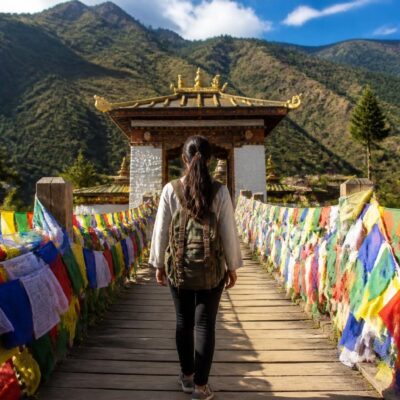
Traveling from India to Nepal offers one of the most accessible and rewarding Himalayan adventures available today. With shared borders, cultural connections spanning millennia, and simplified travel requirements between the two nations, Indian travelers enjoy unique advantages when planning nepal tours from india. The journey across the border opens doors to ancient monasteries perched on mountainsides, pristine trekking routes through the Annapurna and Everest regions, and sustainable tourism experiences that directly benefit local communities. Whether you’re seeking spiritual enlightenment in Kathmandu’s sacred temples, adrenaline-pumping adventures in the high Himalayas, or culturally immersive experiences in traditional mountain villages, Nepal delivers extraordinary opportunities just beyond India’s northern frontier.
Understanding Border Crossing Options and Travel Routes
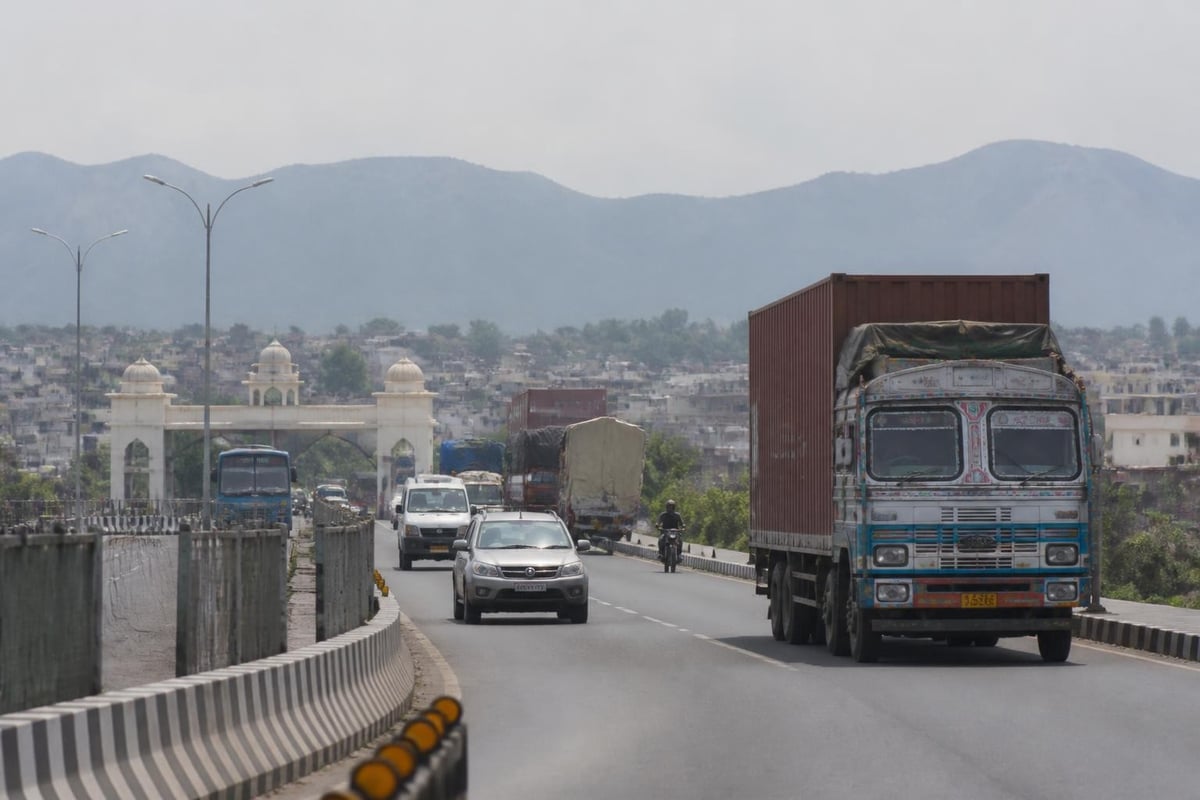
The geographic proximity between India and Nepal creates multiple entry points for travelers, each offering distinct advantages depending on your starting location and final destination within Nepal. The most popular border crossings include Sunauli (connecting Gorakhpur to Lumbini and Pokhara), Raxaul-Birgunj (linking Patna to Kathmandu), and Panitanki-Kakarbhitta (connecting Siliguri to eastern Nepal and Kathmandu).
Major Border Crossings and Their Advantages
Indian citizens benefit from exceptional ease of movement across the India-Nepal border. Unlike most international travel, visa requirements for Nepal are minimal for Indian nationals, who can cross freely without formal visa procedures for tourism purposes up to six months.
Popular border crossing routes include:
- Sunauli-Bhairahawa: Ideal for travelers from Uttar Pradesh heading to Lumbini, Pokhara, or Kathmandu
- Raxaul-Birgunj: Most direct route from Bihar to Kathmandu via the Tribhuvan Highway
- Panitanki-Kakarbhitta: Perfect entry point for visitors from West Bengal and Northeast India
- Banbasa-Mahendranagar: Gateway to far-western Nepal and remote trekking regions
- Jogbani-Biratnagar: Alternative eastern entry with connections to Kathmandu
Travel times vary significantly based on your chosen route. The Raxaul-Birgunj crossing connects to Kathmandu in approximately 6-8 hours by road, while the Sunauli route to Kathmandu can take 8-10 hours depending on road conditions and traffic.
Planning Your Budget for Nepal Tours from India
Cost considerations play a crucial role when organizing nepal tours from india, though Indian travelers benefit from favorable exchange rates and relatively affordable travel options. Understanding the complete cost breakdown helps you plan effectively and avoid unexpected expenses during your journey.
Transportation Cost Analysis
| Route Type | Cost Range (INR) | Duration | Best For |
|---|---|---|---|
| Direct Flight (Delhi/Mumbai-Kathmandu) | 8,000-18,000 | 1.5-2 hours | Time-conscious travelers |
| Bus to Border + Local Transport | 1,500-3,500 | 18-24 hours | Budget travelers |
| Train to Border + Road to Destination | 2,000-5,000 | 20-28 hours | Balanced budget/comfort |
| Private Vehicle | 15,000-30,000 | Variable | Groups, families |
Accommodation expenses in Nepal cater to every budget level. Budget guesthouses in popular areas like Thamel start at 800-1,500 INR per night, mid-range hotels range from 2,500-5,000 INR, while premium accommodations command 8,000-20,000 INR or more. For sustainable, community-based tourism experiences, homestays offer authentic cultural immersion at 1,200-2,500 INR per night while directly supporting local families.
Daily Expense Breakdown
Food costs remain remarkably affordable throughout Nepal. Street food and local dal bhat meals cost 150-300 INR, restaurant meals in tourist areas run 400-800 INR, and international cuisine in upscale establishments reaches 1,000-2,000 INR per person. Many trekking routes offer teahouse accommodations where meals are included or available at fixed prices.
Essential activity costs include:
- Trekking permits: 1,500-4,000 INR depending on region
- National park entry fees: 2,000-3,500 INR
- Cultural site admission: 200-1,000 INR per location
- Adventure activities: 3,000-15,000 INR (paragliding, rafting, bungee jumping)
- Guided tours: 2,500-8,000 INR per day
Culturally Immersive Experiences and Sustainable Tourism
The most meaningful nepal tours from india prioritize authentic cultural exchanges and environmental responsibility. Elevated Trips specializes in small-group experiences that minimize environmental impact while maximizing benefits to local communities throughout the Himalayan region.
Community-Based Tourism Opportunities
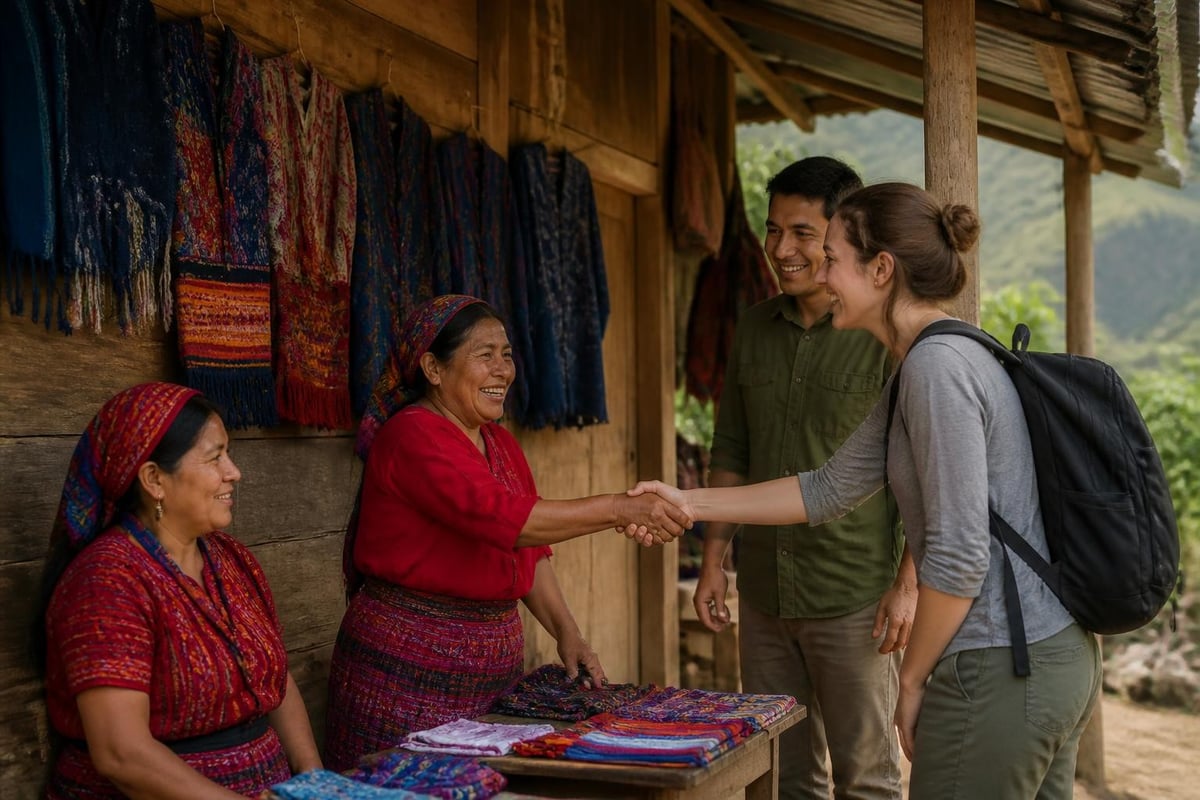
Sustainable travel approaches transform tourism from extractive industry to community partnership. Choosing locally-owned accommodations, hiring local guides, and purchasing handicrafts directly from artisans ensures your travel spending supports the communities you visit. Villages throughout Nepal’s mid-hills and mountain regions now offer homestay programs where families welcome guests into their homes, sharing traditional meals, agricultural practices, and daily life.
These immersive experiences provide insights impossible to gain from standard hotel stays. You’ll learn traditional cooking methods, participate in agricultural activities seasonally appropriate to your visit, and engage in genuine cultural exchange through shared meals and evening conversations. The economic impact reaches families directly rather than filtering through international corporations.
Buddhist and Hindu pilgrimage sites scattered across Nepal offer profound spiritual experiences. Lumbini, Buddha’s birthplace, draws pilgrims and seekers from across the globe. Pashupatinath Temple in Kathmandu represents one of Hinduism’s most sacred sites, while ancient monasteries in the Solu-Khumbu region near Everest provide glimpses into Tibetan Buddhist traditions maintained for centuries.
Trekking Adventures Accessible from India
Nepal’s trekking opportunities represent the primary draw for many visitors embarking on nepal tours from india. The diversity of routes accommodates everyone from first-time trekkers to experienced mountaineers seeking technical challenges.
Classic Trekking Routes and Difficulty Levels
The Annapurna Base Camp trek offers spectacular mountain scenery within a moderate 7-12 day timeframe, suitable for trekkers with basic fitness levels. The route passes through diverse ecological zones, from subtropical forests through rhododendron groves to alpine meadows and finally the high-altitude amphitheater surrounding Annapurna I.
Popular trekking options by difficulty:
- Easy (7-15 days): Poon Hill, Ghorepani, Lower Mustang
- Moderate (10-16 days): Annapurna Base Camp, Langtang Valley, Manaslu Circuit (restricted area)
- Challenging (14-21 days): Everest Base Camp, Three Passes, Upper Mustang (restricted area)
- Expert (21+ days): Great Himalayan Trail sections, remote area expeditions
Permit requirements vary by region and must be arranged before departure. The Annapurna Conservation Area requires ACAP permits, while Sagarmatha National Park (Everest region) requires separate entry permits. Restricted areas including Upper Mustang and Manaslu demand special permits costing significantly more and requiring registered guide accompaniment.
Teahouse trekking dominates Nepal’s popular routes, eliminating the need for camping equipment and simplifying logistics considerably. Various transportation methods connect Kathmandu to trailheads, with domestic flights to Pokhara (for Annapurna treks) or Lukla (for Everest treks) saving multiple days of road travel.
Best Seasons for Nepal Tours from India
Timing significantly impacts the quality of your nepal tours from india experience. Nepal’s seasons create distinct advantages and challenges for different activities and regions.
Seasonal Considerations and Activity Planning
| Season | Months | Advantages | Challenges | Best Activities |
|---|---|---|---|---|
| Spring | March-May | Clear skies, rhododendrons blooming | Increasing temperatures at lower elevations | Trekking, cultural tours, photography |
| Monsoon | June-August | Lush landscapes, fewer tourists | Heavy rain, leeches on trails | Cultural immersion, meditation retreats |
| Autumn | September-November | Perfect weather, crystal-clear views | Crowded trails, higher prices | All activities, major festivals |
| Winter | December-February | Excellent visibility, snow-capped peaks | Cold temperatures at altitude, some passes closed | Lower elevation treks, cultural exploration |
Autumn (September through November) represents peak season for good reason. Post-monsoon skies deliver exceptional mountain visibility, temperatures remain comfortable for trekking, and Nepal’s major festivals including Dashain and Tihar create vibrant cultural experiences. However, popular trails become crowded, and accommodation prices increase 30-50% compared to off-season rates.
Spring (March through May) offers comparable weather conditions with the added spectacle of rhododendron forests bursting into bloom throughout mid-hill regions. Temperatures gradually warm through the season, making April and early May hot at lower elevations but ideal for high-altitude trekking.
Festival Timing and Cultural Events
Planning nepal tours from india around major festivals enhances cultural immersion dramatically. Dashain, Nepal’s most important Hindu festival occurring in September or October, transforms the entire country with family reunions, animal sacrifices, and elaborate ceremonies. Tihar (the festival of lights) follows approximately two weeks later, illuminating homes and streets with countless oil lamps.
The Maha Shivaratri festival at Pashupatinath Temple draws tens of thousands of devotees and sadhus from across the subcontinent, creating an extraordinary spiritual atmosphere. Buddhist festivals including Buddha Jayanti (celebrating Buddha’s birth) and Losar (Tibetan New Year) offer insights into Nepal’s Buddhist communities, particularly in areas with significant Tibetan populations.
Essential Documentation and Preparation
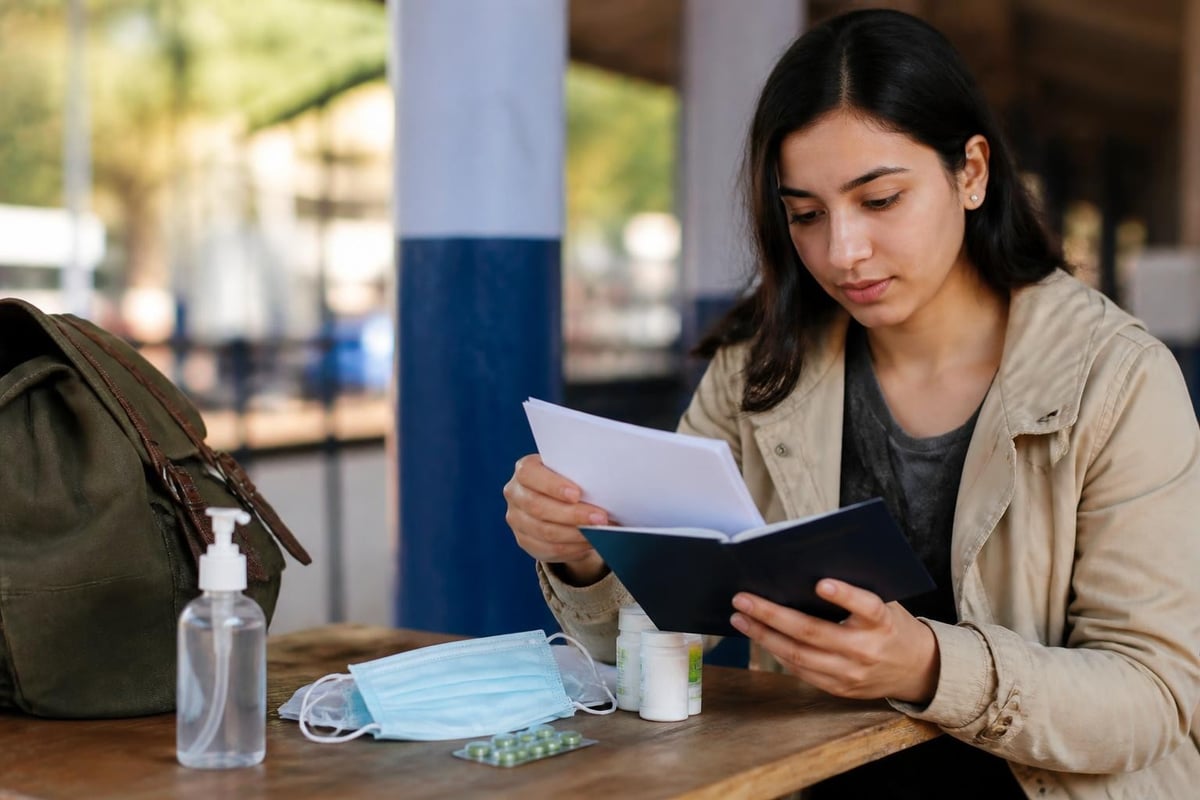
While Indian citizens enjoy simplified entry procedures for nepal tours from india, proper documentation and preparation ensure smooth travel experiences. Understanding entry requirements prevents border crossing complications and legal issues during your stay.
Required Documents and Identification
Indian nationals can enter Nepal with any government-issued photo identification including:
- Passport (most universally accepted, recommended for domestic flights within Nepal)
- Voter ID card with photograph
- Driving license with photograph
- Official identity cards issued by Indian government agencies
For stays exceeding six months or employment purposes, formal immigration procedures apply. Tourist stays under six months require no visa fees or advance arrangements, though registration at immigration checkpoints occurs automatically at border crossings.
Additional recommended documentation includes:
- Travel insurance covering emergency evacuation (essential for trekking)
- Copies of identification stored separately from originals
- Emergency contact information including embassy details
- Trekking permits and national park entry permits
- Hotel confirmations for initial nights (occasionally requested at borders)
Health preparation deserves careful attention before departing on nepal tours from india. Nepal requires no mandatory vaccinations for Indian travelers, though doctors recommend ensuring routine vaccinations remain current. Hepatitis A and B, typhoid, and tetanus vaccinations provide sensible protection. For trekking above 3,000 meters, understanding altitude sickness symptoms and prevention strategies becomes critical to safety and enjoyment.
Kathmandu Valley Cultural Exploration
The Kathmandu Valley serves as the gateway for most nepal tours from india, offering extraordinary cultural wealth within a compact geographic area. Seven UNESCO World Heritage Sites concentrate within the valley, each representing pinnacles of Nepali art, architecture, and spiritual significance.
Ancient Cities and Sacred Sites
Kathmandu Durbar Square epitomizes Newari architectural brilliance with its concentration of palaces, temples, and courtyards built between the 12th and 18th centuries. Despite earthquake damage in 2015, ongoing restoration preserves these architectural treasures. The living goddess Kumari still resides in her traditional residence, appearing briefly at windows for devotees and visitors.
Swayambhunath Stupa, popularly known as the Monkey Temple, crowns a hilltop overlooking the entire valley. The site predates Kathmandu’s founding, with legends claiming origins over 2,000 years ago. Prayer flags streaming from the central spire flutter in constant motion while pilgrims circumambulate the stupa spinning prayer wheels and chanting mantras.
Boudhanath Stupa represents one of the world’s largest stupas and the spiritual center for Nepal’s Tibetan Buddhist community. The massive mandala creates a focal point for Tibetan refugees who established monasteries and businesses surrounding the monument following their displacement in 1959. Evening circumambulation joins locals and travelers in meditative walking while monks debate philosophy in monastery courtyards.
Pashupatinath Temple complex along the Bagmati River serves as Nepal’s most sacred Hindu site. Non-Hindus cannot enter the main temple, but the riverside ghats offer profound observations of Hindu death rituals as cremation ceremonies occur continuously throughout daylight hours. The juxtaposition of death, devotion, and daily life creates powerful reflections on impermanence and spirituality.
Adventure Activities Beyond Trekking
While trekking dominates most nepal tours from india, the country offers diverse adventure activities catering to different interests and fitness levels. The Himalayas create natural playgrounds for activities ranging from white-water rafting to paragliding, mountain biking to rock climbing.
Adrenaline Activities and Outdoor Pursuits
River rafting on Nepal’s Himalayan-fed rivers provides world-class experiences:
- Trishuli River: Accessible day trips from Kathmandu or Pokhara, Class II-III rapids
- Seti River: Gentler family-friendly rafting, stunning canyon scenery
- Bhote Koshi: Extreme rafting with continuous Class IV-V rapids
- Sun Koshi: Multi-day expeditions through remote regions, Class III-IV
Paragliding from Sarangkot near Pokhara delivers tandem flights soaring above Phewa Lake with the Annapurna range dominating the northern horizon. Morning thermals provide optimal conditions, with flights lasting 20-60 minutes depending on package selection. No prior experience necessary, making this accessible to most visitors on nepal tours from india.
Mountain biking routes traverse ancient trade routes, terraced hillsides, and challenging single tracks. The Kathmandu Valley rim offers excellent day rides with cultural stops in traditional villages. More ambitious cyclists can join multi-day rides descending from the Tibetan border to the Terai lowlands, covering dramatic elevation changes and diverse landscapes.
For family-friendly adventures, Pokhara serves as an ideal base combining lakeside relaxation with accessible activities. Boat rentals on Phewa Lake, short hikes to viewpoints and waterfalls, visits to Tibetan refugee settlements, and the International Mountain Museum create engaging itineraries suitable for all ages.
Pokhara: Adventure Capital and Natural Beauty
Pokhara ranks second only to Kathmandu for tourist arrivals on nepal tours from india, attracting visitors with its stunning lakeside setting, mountain panoramas, and adventure activity concentration. The city serves as the gateway for Annapurna region treks while offering attractions worthy of extended stays independent of trekking plans.
Lakeside Attractions and Mountain Views
Phewa Lake dominates Pokhara’s landscape, with the Annapurna range reflected in its waters on clear mornings. Lakeside neighborhoods contain the majority of tourist infrastructure, with restaurants, shops, and accommodations lining the shore. Tal Barahi Temple occupies a small island accessed by colorful boats, creating one of Nepal’s most photographed scenes.
The World Peace Pagoda perched on a forested ridge above the lake requires a moderate hike or taxi ride, rewarding visitors with panoramic views encompassing the lake, city, and Himalayan peaks. Four Buddha statues facing cardinal directions symbolize the stupa’s message of universal peace and non-violence.
Davis Falls disappears into an underground tunnel carved by the Pardi Khola stream, creating an unusual geological phenomenon. Gupteshwor Cave adjacent to the falls contains a sacred shrine and extends underground, allowing visitors to view the waterfall from below during dry seasons.
The International Mountain Museum documents Himalayan mountaineering history, mountain cultures, geology, and biodiversity through extensive exhibits. Displays honor legendary climbers including Tenzing Norgay and feature equipment from historic expeditions. The museum provides essential context for understanding the Himalayas’ significance to human culture and scientific exploration.
Chitwan National Park and Wildlife Experiences
Nepal’s biodiversity extends far beyond mountain environments, with subtropical forests in the southern Terai region protecting endangered species and offering wildlife experiences distinct from Himalayan adventures. Chitwan National Park represents Nepal’s premier wildlife destination and a popular addition to nepal tours from india itineraries.
Wildlife Safaris and Conservation Efforts
Chitwan became Nepal’s first national park in 1973, protecting lowland forests and grasslands harboring remarkable biodiversity. The 952 square kilometer park shelters one-horned rhinoceros, Bengal tigers, sloth bears, leopards, and over 500 bird species. Successful conservation programs have increased rhino populations from fewer than 100 in the 1960s to over 600 today.
Recommended Chitwan activities include:
- Jeep safaris through sal forests and grasslands at dawn and dusk
- Canoe trips along the Rapti River observing gharial crocodiles and waterbirds
- Walking safaris with experienced naturalist guides
- Elephant breeding center visits learning about conservation programs
- Tharu cultural performances showcasing indigenous traditions
Community-based lodges around Chitwan’s buffer zones offer sustainable accommodation options where tourism revenue directly supports conservation and local livelihoods. These lodges employ village residents as guides, cooks, and hospitality staff while funding community development projects including schools and health clinics.
The Tharu people, indigenous to the Terai region, maintain distinct cultural traditions including unique architecture, stick dances, and agricultural practices adapted to the region’s ecology. Cultural programs at community lodges provide insights into Tharu life while respecting cultural integrity and providing fair compensation to performers.
Extending Your Journey: Regional Connections
Nepal’s central location within the Himalayan region creates opportunities to combine nepal tours from india with explorations of neighboring territories. Elevated Trips specializes in multi-country itineraries that weave together the cultural and natural treasures of Nepal, Tibet, Bhutan, and India’s Himalayan regions into cohesive journeys.
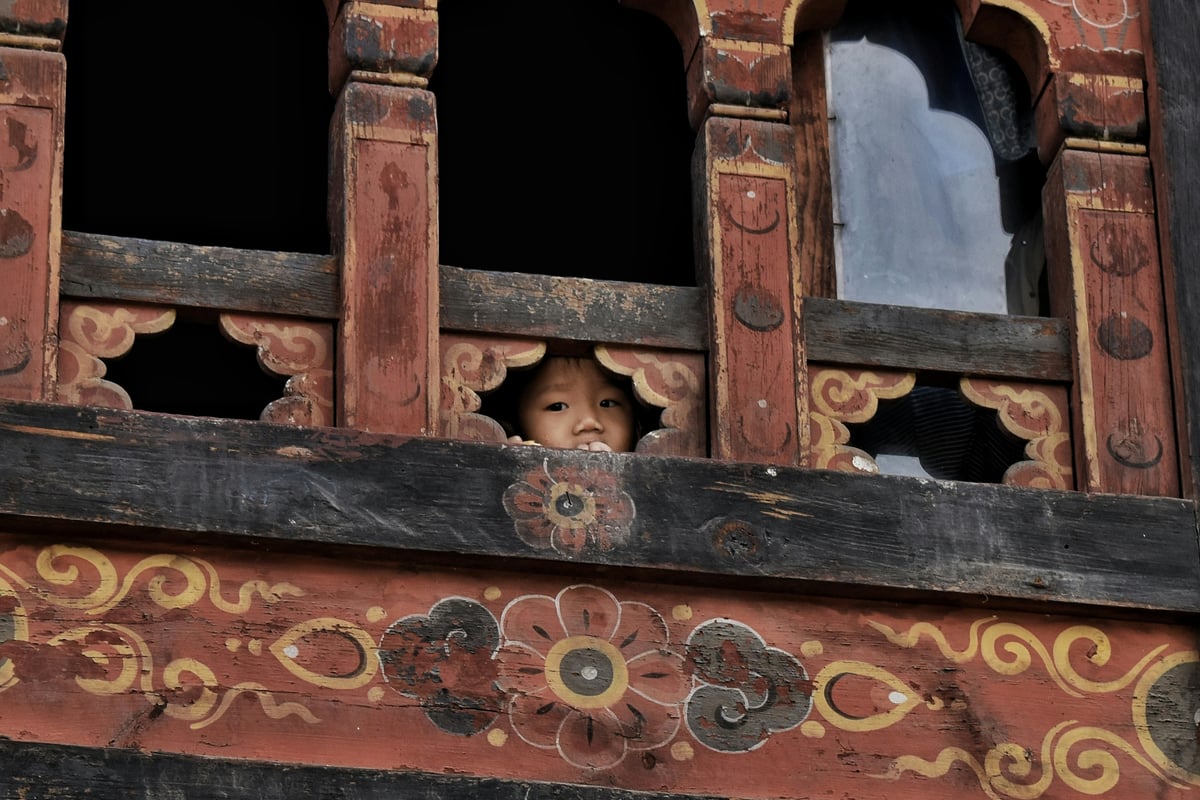
Their Bhutan Cultural Tour seamlessly connects with Nepal adventures, allowing travelers to experience both Himalayan kingdoms in a single journey while maintaining the small-group, culturally immersive approach that defines responsible tourism. These combined itineraries eliminate logistical complexities while ensuring continuity of sustainable travel principles across borders.
Multi-Country Himalayan Itineraries
Tibet’s cultural connections to Nepal run deep, with centuries of religious, artistic, and commercial exchange shaping both regions. Overland routes from Kathmandu to Lhasa cross the Himalayas through dramatic high-altitude landscapes, following ancient trade and pilgrimage paths. These journeys require special permits and organized tours but offer unparalleled cultural and scenic rewards.
Bhutan’s approach to tourism emphasizing high-value, low-impact travel aligns perfectly with sustainable nepal tours from india. The kingdom’s mandatory daily tariff funds free education and healthcare for Bhutanese citizens while limiting tourist numbers to protect cultural and environmental integrity. Combined Nepal-Bhutan itineraries create comprehensive Himalayan experiences highlighting different approaches to modernization and cultural preservation.
India’s northern states including Sikkim, Uttarakhand, and Himachal Pradesh offer natural extensions for travelers seeking deeper Himalayan immersion. Exploring diverse tour regions across the Himalayan arc reveals how geography, religion, and history create distinct cultural expressions within broader Himalayan civilization.
Practical Tips for Smooth Travel
Successful nepal tours from india benefit from attention to practical details that prevent common problems and enhance overall experiences. These considerations apply regardless of your specific itinerary or budget level.
Money, Communications, and Connectivity
Nepal’s official currency, the Nepali rupee (NPR), exchanges at approximately 1.6 NPR per Indian rupee as of 2026, though rates fluctuate regularly. Indian rupees are widely accepted in Nepal, particularly in tourist areas and near the border, though exchange rates at merchants may be less favorable than official rates. ATMs in Kathmandu and Pokhara accept international cards, but carrying sufficient cash becomes essential when trekking or visiting remote areas.
Mobile connectivity has improved dramatically across Nepal, with 4G coverage extending to most tourist destinations and even reaching high-altitude trekking routes. Indian mobile carriers offer Nepal roaming packages, or purchasing a local SIM card provides affordable data and calling. Ncell and Nepal Telecom represent the dominant carriers, with SIM cards available at airports and urban shops with passport presentation required.
Communication and connectivity tips:
- Download offline maps before departing cellular coverage areas
- Inform your bank of Nepal travel to prevent card blocking
- Carry small denomination notes for purchases in rural areas
- Save important phone numbers including embassy contacts
- Consider portable battery banks for charging devices during treks
Electrical compatibility between India and Nepal simplifies packing, as both countries use 230V supply with Type C, D, and M outlets. Standard Indian plugs function in Nepal without adapters, though higher-end hotels may feature international outlets. Power outages occur occasionally, particularly during monsoon season, making headlamps and battery banks valuable accessories.
Responsible Travel Practices
Implementing responsible travel principles during nepal tours from india protects the environments and cultures that make these journeys meaningful. Small individual actions accumulate into significant collective impact when adopted widely across the tourism industry.
Environmental Stewardship
Single-use plastics plague Nepal’s tourism infrastructure despite government bans and awareness campaigns. Carrying reusable water bottles with purification systems eliminates thousands of plastic bottles annually per traveler. Many teahouses along trekking routes now provide filtered water refills for minimal fees, reducing plastic waste dramatically compared to bottled water purchases.
Proper waste disposal becomes crucial in mountain environments where degradation occurs slowly and waste management infrastructure remains limited. The “pack it in, pack it out” principle applies to all non-biodegradable waste, with many trekking regions now requiring depositing toilet paper in bins rather than burying or burning it.
Supporting local economies through conscious spending choices multiplies your positive impact. Purchasing meals at local restaurants rather than international chains, hiring Nepali guides and porters through reputable agencies ensuring fair wages and proper equipment, and buying handicrafts directly from artisans rather than middleman shops all strengthen community resilience.
Responsible trekking practices include:
- Staying on established trails to prevent erosion
- Using designated toilet facilities rather than open defecation
- Minimizing water usage, particularly when water is scarce
- Respecting porter loads and welfare standards
- Avoiding single-use plastics and disposable products
Cultural sensitivity enhances interactions and demonstrates respect for local traditions. Dress modestly, particularly when visiting religious sites, remove shoes before entering temples and homes, ask permission before photographing people, and learn basic Nepali greetings which delight locals and facilitate connection.
Health and Safety Considerations
Medical preparation and risk awareness ensure nepal tours from india remain safe and enjoyable throughout their duration. While Nepal presents no extraordinary health risks compared to many destinations, certain precautions prevent common problems.
Altitude Sickness Prevention and Treatment
Acute mountain sickness (AMS) affects travelers ascending too quickly to high altitudes, where reduced oxygen levels challenge the body’s acclimatization capacity. Symptoms include headache, nausea, dizziness, and fatigue, typically appearing above 2,500 meters when ascending rapidly.
Key altitude safety principles:
- Ascend gradually, following “climb high, sleep low” when possible
- Allow acclimatization days every 1,000 meters above 3,000 meters
- Stay well-hydrated and avoid alcohol during altitude gain
- Recognize AMS symptoms early and descend if they worsen
- Carry acetazolamide (Diamox) for altitude sickness prevention after medical consultation
Food and water safety deserves attention throughout Nepal. Stick to bottled or purified water, avoid raw vegetables in areas with questionable water quality, choose busy restaurants with high turnover ensuring food freshness, and carry basic medications for diarrhea and stomach upset.
Travel insurance covering emergency evacuation becomes essential for trekking itineraries, as helicopter rescue from high altitudes costs $5,000-15,000 USD without coverage. Policies should cover adventure activities specifically, as many standard policies exclude trekking and mountaineering.
Customizing Your Nepal Tour Experience
The diversity of available tours throughout Nepal accommodates virtually any interest, fitness level, time availability, and budget constraint. Customization transforms generic itineraries into personalized journeys aligned with your specific priorities and preferences.
Matching Tours to Personal Interests
Photography enthusiasts benefit from itineraries emphasizing golden hour arrivals at scenic locations, cultural festivals offering vibrant visual opportunities, and specialized workshops with professional photographers familiar with optimal locations and lighting conditions. Spring rhododendron blooms and autumn’s clear skies provide ideal conditions for landscape photography, while monsoon seasons create dramatic cloudscapes and lush vegetation.
Spiritual seekers find abundant opportunities for meditation retreats, Buddhist teachings, yoga intensives, and pilgrimage circuits visiting sacred sites. Kopan Monastery near Kathmandu offers regular meditation courses suitable for beginners, while longer retreats in remote locations provide intensive practice environments. Hindu pilgrimage routes connect temples throughout the Kathmandu Valley and beyond, retracing paths traveled by devotees for centuries.
Culinary tourism has emerged as a popular specialization, with cooking classes teaching traditional Nepali, Newari, and Tibetan recipes using local ingredients and traditional techniques. Market tours followed by hands-on cooking instruction provide delicious cultural education, while food walks through Kathmandu’s neighborhoods sample street food specialties and regional variations.
Adventure athletes can arrange technical climbing instruction, canyoning in Himalayan gorges, mountain bike races, ultra-trail running events, or expedition-style treks to restricted areas requiring special permits and logistical support. Nepal’s outdoor infrastructure has matured significantly, with professional guides, quality equipment rental, and safety protocols meeting international standards.
Planning successful nepal tours from india requires balancing practical logistics with aspirational experiences, ensuring sustainable practices support the communities and environments that make these journeys transformative. Whether you’re seeking challenging high-altitude treks, profound cultural immersion, wildlife encounters, or combinations of all these elements, Nepal’s diversity accommodates every vision. Elevated Trips specializes in small-group, culturally immersive experiences throughout Nepal and the broader Himalayan region, crafting itineraries that benefit local communities while delivering authentic adventures that respect both cultural traditions and environmental limits.