Why Choose Bhutan for Your Next Trekking Adventure
Bhutan stands apart from other Himalayan destinations through its approach to tourism and environmental conservation. The country measures success through Gross National Happiness rather than GDP, resulting in policies that protect cultural heritage and natural resources.
The Unique Appeal of Bhutan's Trails
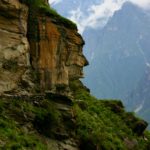
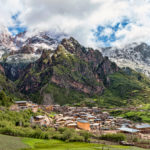
The kingdom's trekking routes traverse landscapes that range from subtropical forests to alpine meadows and high-altitude passes reaching over 16,000 feet. Each trail offers unparalleled cultural immersion as trekkers pass through remote villages where daily life revolves around Buddhist traditions and agricultural practices unchanged for centuries.
Key advantages of trekking in Bhutan include:
- Low tourist density due to controlled visitor numbers
- Well-preserved ecosystems with minimal environmental impact
- Authentic cultural encounters in traditional communities
- Comprehensive support infrastructure with experienced guides
- Strict regulations ensuring sustainable practices
The country's commitment to maintaining 60% forest coverage creates diverse ecosystems supporting snow leopards, red pandas, and over 700 bird species. The Bhutan Tourism Corporation Ltd provides valuable insights into how the country balances tourism with environmental preservation.
Essential Trekking Routes and Difficulty Levels
Trekking in Bhutan encompasses routes suitable for various experience levels, from gentle valley walks to challenging high-altitude expeditions. Understanding each route's characteristics helps trekkers select adventures matching their fitness and experience.
Popular Treks for First-Time Visitors
The Druk Path Trek stands as the most accessible multi-day trek, connecting Paro to Thimphu over five to six days. This moderate route passes pristine alpine lakes, offers stunning views of Mount Jhomolhari, and provides comfortable camping locations with relatively gentle altitude gains.
| Trek Name | Duration | Max Altitude | Difficulty | Best Season |
|---|---|---|---|---|
| Druk Path | 5-6 days | 13,780 ft | Moderate | March-May, Sept-Nov |
| Jhomolhari Base Camp | 7-9 days | 14,100 ft | Moderate-Difficult | April-June, Sept-Oct |
| Bumdra Monastery | 2 days | 12,900 ft | Easy-Moderate | March-June, Sept-Nov |
| Dagala Thousand Lakes | 6 days | 15,250 ft | Moderate | June-Sept |
The Bumdra Monastery Trek provides an excellent introduction for those seeking a shorter experience. This two-day journey offers spectacular views of the Paro Valley and introduces trekkers to Bhutan's spiritual landscape through visits to sacred sites.
Advanced Routes for Experienced Trekkers
The Snowman Trek represents one of the world's most challenging treks, spanning 25 days across the remote northern regions bordering Tibet. This expedition crosses eleven passes above 15,000 feet, traversing the Lunana region where isolated communities maintain traditional lifestyles.
Considerations for difficult treks:
- Acclimatization requires additional days
- Weather windows are narrower in high-altitude zones
- Support logistics become more complex
- Physical conditioning should begin months in advance
- Mental preparation for extended isolation proves essential
Mountain IQ’s comprehensive guide emphasizes that even experienced Himalayan trekkers find Bhutan's remote routes challenging due to limited infrastructure and variable weather conditions.
Permits, Regulations, and Planning Requirements
Understanding Bhutan's tourism framework is crucial for successful trek planning. The country requires all tourists to book through licensed tour operators and pay a Sustainable Development Fee that funds education, healthcare, and environmental conservation.
The Daily Package System
The minimum daily package for tourists includes accommodation, meals, transportation, guide services, and the Sustainable Development Fee. For 2026, this fee stands at $200 per person per day during peak season (March through May and September through November) and $165 during shoulder months.
Package inclusions:
- Licensed professional guide
- All meals throughout the trek
- Camping equipment and support crew
- Internal transportation
- Trekking permits and entry fees
This comprehensive approach ensures trekkers receive quality services while supporting local communities. The system eliminates hidden costs and guarantees that tourism revenue benefits Bhutanese citizens directly.
Specialized Trekking Permits
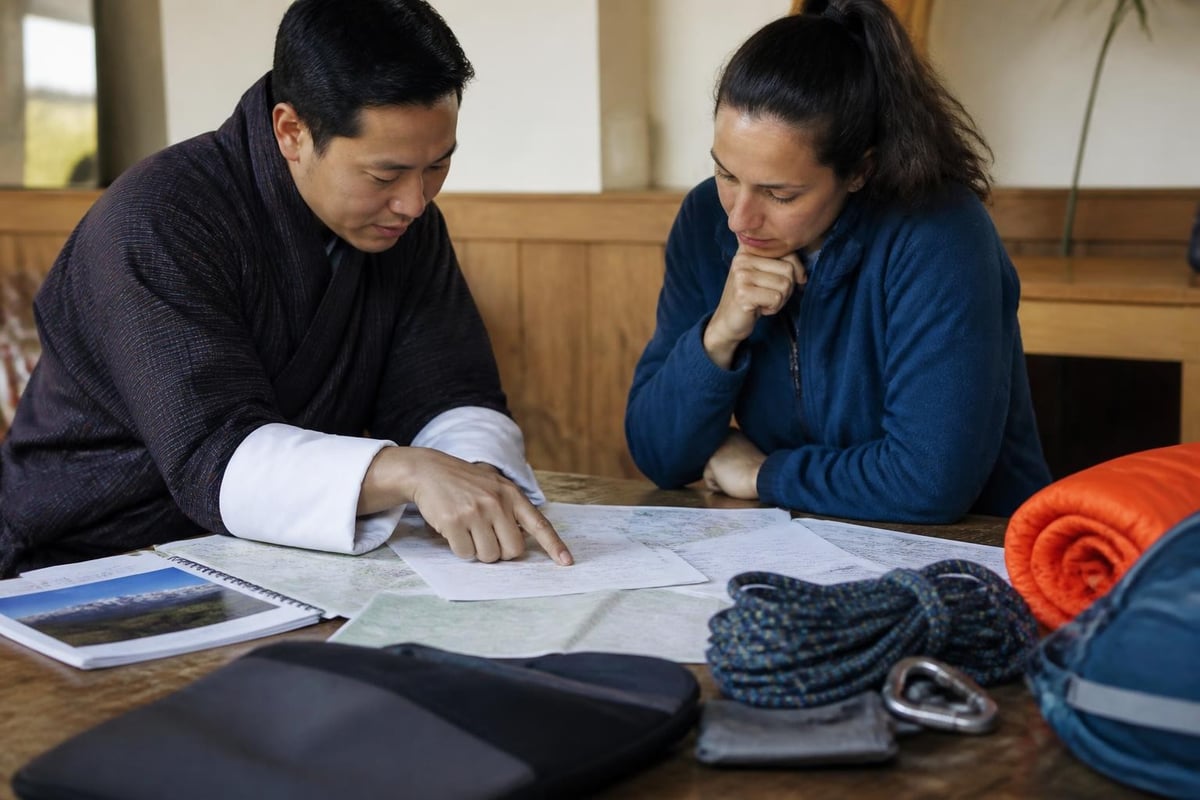
Beyond standard tourist visas, trekking in Bhutan requires additional permits issued through tour operators. These documents grant access to restricted areas and must be secured weeks before departure. Protected areas require special clearances, particularly for routes approaching sensitive border regions.
The application process involves submitting passport details, medical information, and detailed itineraries to Bhutanese authorities. Experienced operators familiar with permit procedures streamline this process, ensuring all documentation is correct before arrival.
Optimal Seasons and Weather Considerations
Bhutan's climate varies dramatically by elevation and season, creating distinct trekking windows throughout the year. Strategic timing maximizes favorable conditions and enhances the overall experience.
Spring Trekking Season
March through May offers warming temperatures, blooming rhododendrons, and generally stable weather patterns. This period attracts the highest number of trekkers, particularly to routes like the Jhomolhari and Druk Path treks.
Spring advantages include:
- Clear mountain visibility before monsoon clouds arrive
- Comfortable daytime temperatures at moderate elevations
- Vibrant wildflower displays transforming mountain meadows
- Festival season with opportunities to witness traditional celebrations
However, higher elevations may still experience snow, and popular campsites can feel crowded during peak weeks. Booking well in advance becomes essential during this season.
Autumn Excellence
September through November provides the most reliable weather for trekking in Bhutan. Post-monsoon conditions create crystal-clear skies, mild temperatures, and dry trails perfect for both novice and experienced trekkers.
| Month | Temperature Range | Precipitation | Visibility | Trail Conditions |
|---|---|---|---|---|
| September | 50-65°F | Low | Excellent | Dry |
| October | 45-60°F | Minimal | Outstanding | Excellent |
| November | 35-55°F | Very Low | Good | Cold at altitude |
The autumn months also coincide with important festivals, adding cultural depth to trekking experiences. Detailed information about seasonal considerations helps trekkers align their visits with optimal conditions.
Monsoon and Winter Considerations
June through August brings monsoon rains that make most high-altitude routes inadvisable due to slippery trails, obscured views, and increased landslide risk. However, lower-elevation cultural treks remain accessible, and reduced tourist numbers create intimate experiences.
Winter months (December through February) present extreme cold at higher altitudes but offer unique opportunities for experienced trekkers seeking solitude. Lower valleys remain pleasant, though daylight hours shorten significantly.
Cultural Immersion and Community Interaction
What distinguishes trekking in Bhutan from other Himalayan destinations is the depth of cultural engagement possible along the trails. Remote villages maintain traditions that have disappeared elsewhere, offering insights into authentic mountain life.
Village Homestays and Cultural Exchange
Many itineraries incorporate overnight stays in traditional farmhouses where families welcome trekkers into their homes. These experiences provide windows into daily rhythms, agricultural practices, and social customs that define rural Bhutanese life.
Guests participate in butter tea ceremonies, observe traditional weaving techniques, and share meals prepared using age-old methods. These interactions benefit local economies directly while creating meaningful connections between visitors and hosts.
Monastery Visits and Spiritual Sites
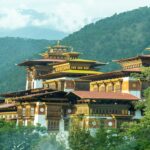
Buddhist monasteries dot Bhutan's landscape, serving as centers of spiritual practice and community life. Trekking routes frequently pass these sacred sites, allowing visitors to observe monks in prayer, examine intricate religious artwork, and learn about Vajrayana Buddhism's influence on Bhutanese culture.
Respectful monastery visitation guidelines:
- Dress modestly with covered shoulders and knees
- Remove shoes before entering temples
- Walk clockwise around stupas and prayer wheels
- Request permission before photographing
- Maintain quiet voices in meditation halls
- Avoid pointing feet toward religious objects
Understanding these customs demonstrates respect and deepens the spiritual dimension of the trekking experience. Guides provide context about the religious significance of sites and explain how Buddhism shapes Bhutanese worldviews.
Physical Preparation and Training
Success in high-altitude environments requires proper physical conditioning and mental preparation. Trekking in Bhutan challenges even fit individuals due to altitude, terrain, and multi-day duration.
Cardiovascular Conditioning
Building aerobic capacity should begin at least three months before departure. Effective preparation includes:
- Regular hiking with gradually increasing distances
- Stair climbing with weighted backpacks
- Running or cycling for endurance
- Swimming for overall fitness without joint stress
Training should progress to include back-to-back long days simulating trek conditions. Weekend trips carrying full pack weight help identify gear issues and build confidence.
Altitude Acclimatization Strategies
Most Bhutan treks begin at elevations between 7,000 and 9,000 feet, with gradual ascents allowing natural acclimatization. However, understanding altitude sickness symptoms and prevention remains crucial.
| Altitude Range | Acclimatization Needs | Common Symptoms | Prevention Strategies |
|---|---|---|---|
| 8,000-10,000 ft | Minimal | Mild headache | Hydration, slow pace |
| 10,000-13,000 ft | Moderate | Headache, fatigue | Rest days, proper nutrition |
| 13,000-16,000 ft | Significant | Nausea, dizziness | Gradual ascent, medication if needed |
Staying hydrated, maintaining slow, steady pacing, and listening to your body prevents most altitude-related issues. Guides monitor trekkers for symptoms and adjust itineraries when necessary.
Equipment and Packing Essentials
Proper gear makes the difference between comfortable adventure and miserable endurance. Trekking in Bhutan requires equipment suitable for variable mountain conditions and multi-day camping.
Clothing Layers and Weather Protection
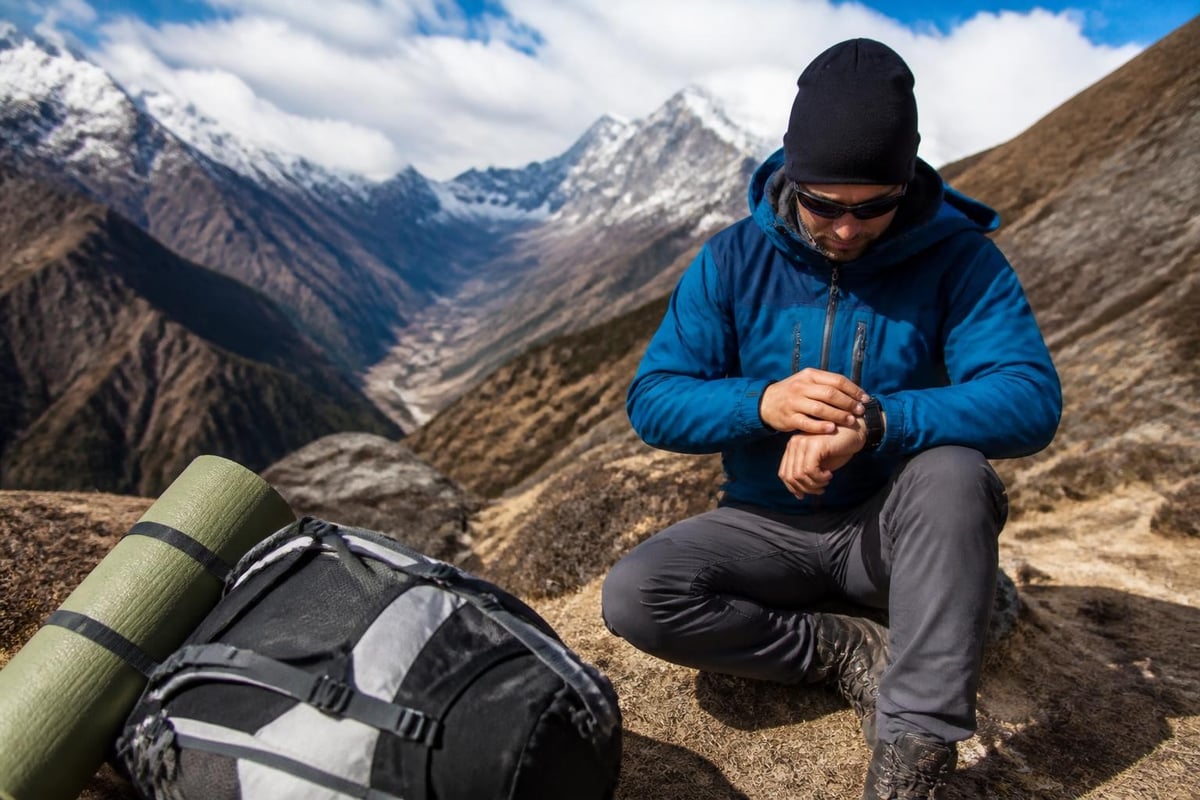
Temperature fluctuations between dawn and midday, sunny slopes and shaded valleys, require versatile layering systems. Base layers should wick moisture, mid-layers provide insulation, and outer shells protect against wind and precipitation.
Essential clothing items:
- Merino wool or synthetic base layers
- Insulated jacket for high camps
- Waterproof and breathable rain jacket
- Trekking pants with zip-off legs
- Warm hat and sun protection hat
- Quality hiking boots broken in before arrival
Quality matters more than quantity. A well-chosen three-layer system adapts to most conditions encountered on standard routes.
Technical Equipment and Accessories
Tour operators provide tents, sleeping mats, and cooking equipment, but personal items require careful selection. Sleeping bags rated to 10°F handle cold high-altitude nights, while trekking poles reduce knee strain on descents.
Headlamps with extra batteries, water purification systems, and comprehensive first-aid kits prove essential. Detailed packing lists from experienced operators help trekkers prepare thoroughly without overpacking.
Supporting Local Communities Through Responsible Tourism
Elevated Trips emphasizes ecotourism practices that benefit local communities while preserving cultural and environmental integrity. This approach aligns perfectly with Bhutan's tourism philosophy.
Economic Benefits of Sustainable Trekking
The mandatory guide and support crew requirements create employment throughout rural areas. Cooks, porters, horsemen, and guides earn substantial income during trekking seasons, supporting extended families and community development.
Purchasing locally made handicrafts, staying in community-run guesthouses, and choosing operators committed to fair wages amplifies positive impacts. These economic relationships give communities incentives to preserve traditional practices and protect natural environments.
Environmental Stewardship on the Trail
Leave No Trace principles take on heightened importance in fragile mountain ecosystems. Trekking in Bhutan requires strict adherence to waste management protocols, including packing out all non-organic materials.
Responsible trekking practices include:
- Using designated toilet facilities or proper cat-hole techniques
- Avoiding single-use plastics
- Staying on established trails to prevent erosion
- Respecting wildlife viewing distances
- Supporting reforestation and conservation initiatives
Many operators organize clean-up initiatives, removing trash left by previous expeditions and educating both staff and clients about environmental protection.
Health and Safety Considerations
Mountain environments present inherent risks that proper preparation and awareness mitigate. Understanding potential challenges allows trekkers to respond effectively when issues arise.
Common Health Challenges
Beyond altitude sickness, trekkers may encounter gastrointestinal issues from unfamiliar foods or water, minor injuries from falls or blisters, and dehydration in dry mountain air. Comprehensive travel insurance covering emergency evacuation is non-negotiable.
Carrying personal medications, basic first aid supplies, and understanding when to descend versus pushing forward requires honest self-assessment. Guides receive training in wilderness first aid and carry communication equipment for emergencies.
Water Safety and Nutrition
Proper hydration at altitude requires consuming three to four liters daily. Treating all water through filtration, purification tablets, or boiling prevents waterborne illness that can derail treks.
Nutritional needs increase during multi-day treks. Support crews prepare meals balancing carbohydrates for energy, proteins for recovery, and fats for sustained warmth. Supplementing with personal favorite snacks helps maintain caloric intake during demanding days.
Combining Cultural Tours with Trekking Experiences
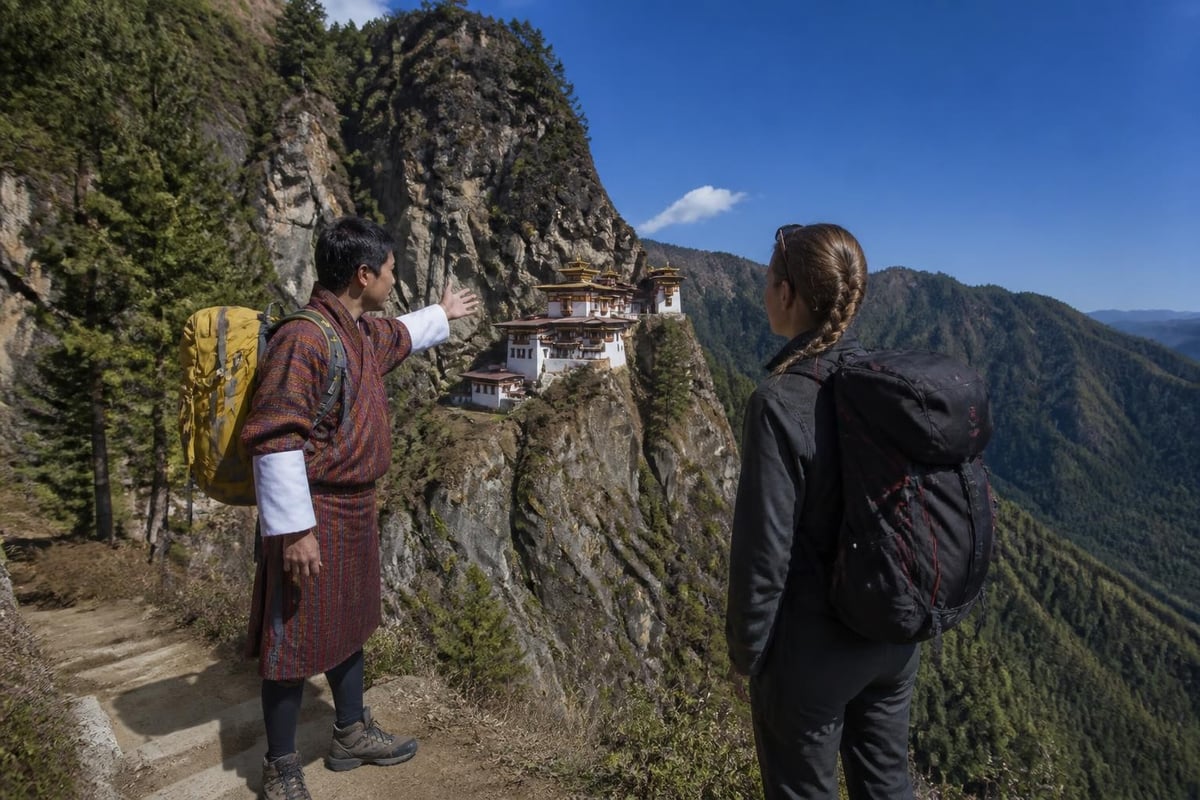
For travelers seeking comprehensive Bhutan experiences, combining trekking with cultural exploration in the western valleys creates unforgettable journeys. The Bhutan Cultural Tour offered by specialized operators provides exactly this balance, allowing visitors to explore Thimphu's museums and monasteries, witness the iconic Tiger's Nest monastery clinging to Paro's cliffs, and then venture into the mountains for multi-day treks. This approach provides context for the landscapes encountered while trekking and deepens understanding of how geography shapes Bhutanese culture.
Pre-Trek Cultural Exploration
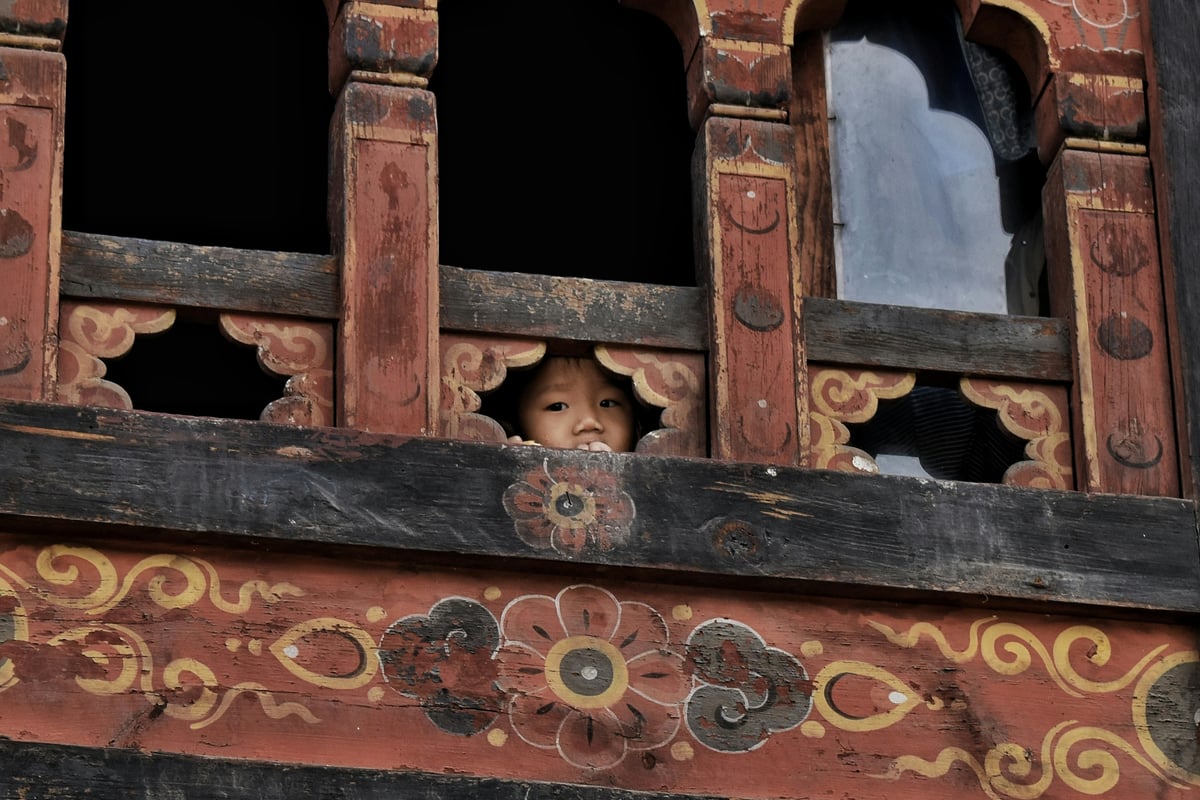
Spending days in Paro, Thimphu, and Punakha before trekking allows acclimatization while visiting dzongs (fortress monasteries), attending festivals, and learning about Bhutanese history. These experiences enrich subsequent trail time as trekkers recognize architectural styles in remote monasteries and understand the Buddhist practices observed in villages.
Post-Trek Recovery and Reflection
After completing demanding routes, several days in the valleys provide physical recovery while processing experiences. Hot stone baths, traditional medicine consultations, and gentle sightseeing help transition from mountain intensity back to regular life.
Photographic Opportunities and Documentation
Bhutan's dramatic landscapes, colorful festivals, and ancient architecture create extraordinary photographic opportunities. Capturing these moments requires both technical preparation and cultural sensitivity.
Essential Photography Equipment
Mountain light changes rapidly, creating challenges and opportunities for photographers. Wide-angle lenses capture sweeping valley vistas, while telephoto lenses bring distant peaks closer and allow respectful wildlife documentation.
Photography considerations:
- Extra batteries (cold drains power quickly)
- Protective bags for dust and moisture
- Lightweight tripods for low-light situations
- Multiple memory cards with backup storage
- Cleaning supplies for lenses
Many trekkers balance photo equipment weight against hiking comfort. Mirrorless cameras offer excellent quality with reduced bulk compared to traditional DSLRs.
Ethical Photography Practices
Always request permission before photographing people, particularly during religious ceremonies or in private moments. Some sacred sites prohibit photography entirely, and respecting these restrictions demonstrates cultural awareness.
Sharing images responsibly after returning home supports conservation and cultural preservation efforts. Resources on sustainable tourism practices provide guidance on ethical storytelling that honors communities visited.
Extending Your Himalayan Adventures
Trekking in Bhutan can serve as a gateway to broader Himalayan exploration. The region's interconnected cultures and landscapes invite multi-country itineraries that deepen understanding of mountain civilizations.
Nepal and Tibet Connections
Many travelers combine Bhutan treks with visits to Nepal's Kathmandu Valley or Tibet's sacred sites. Elevated Trips specializes in comprehensive Himalayan experiences that weave together these distinct but related cultural regions, creating journeys that reveal both common threads and unique characteristics.
The logistics of crossing borders, securing multiple country permits, and coordinating varied itineraries require experienced operators familiar with regional complexities. Proper planning allows seamless transitions between countries while maintaining sustainable tourism principles throughout.
Seasonal Itinerary Planning
Strategic timing allows travelers to experience optimal conditions across multiple regions. Spring in Bhutan transitions to summer monsoon, making it ideal for high-altitude treks in Tibet or Nepal before returning to Bhutan for autumn clarity.
Understanding each region's festival calendar, weather patterns, and permit requirements helps maximize limited vacation time while ensuring authentic, meaningful experiences rather than rushed checklist tourism.
Trekking in Bhutan offers transformative experiences combining physical challenge, cultural immersion, and environmental appreciation in one of the world's most carefully preserved kingdoms. The country's commitment to sustainable tourism ensures that these opportunities will remain available for future generations while benefiting local communities today. Elevated Trips specializes in crafting authentic Himalayan adventures that honor both travelers' aspirations and the regions they explore, offering small group treks and cultural tours designed to create lasting connections with the extraordinary landscapes and people of Bhutan and the greater Tibetan Plateau.