The importance of ecotourism becomes immediately clear when examining its role in habitat preservation and species protection. Traditional mass tourism often degrades natural environments through overdevelopment, pollution, and resource depletion. In contrast, ecotourism creates economic incentives to protect ecosystems rather than exploit them.
National parks, wildlife reserves, and protected areas across the Himalayan region demonstrate this principle daily. When local communities see tangible financial benefits from preserving forests, watersheds, and wildlife corridors, conservation becomes an economic priority rather than an obstacle to development. Revenue from responsible tourism practices directly funds ranger programs, anti-poaching initiatives, and habitat restoration projects.
Wildlife Protection and Biodiversity
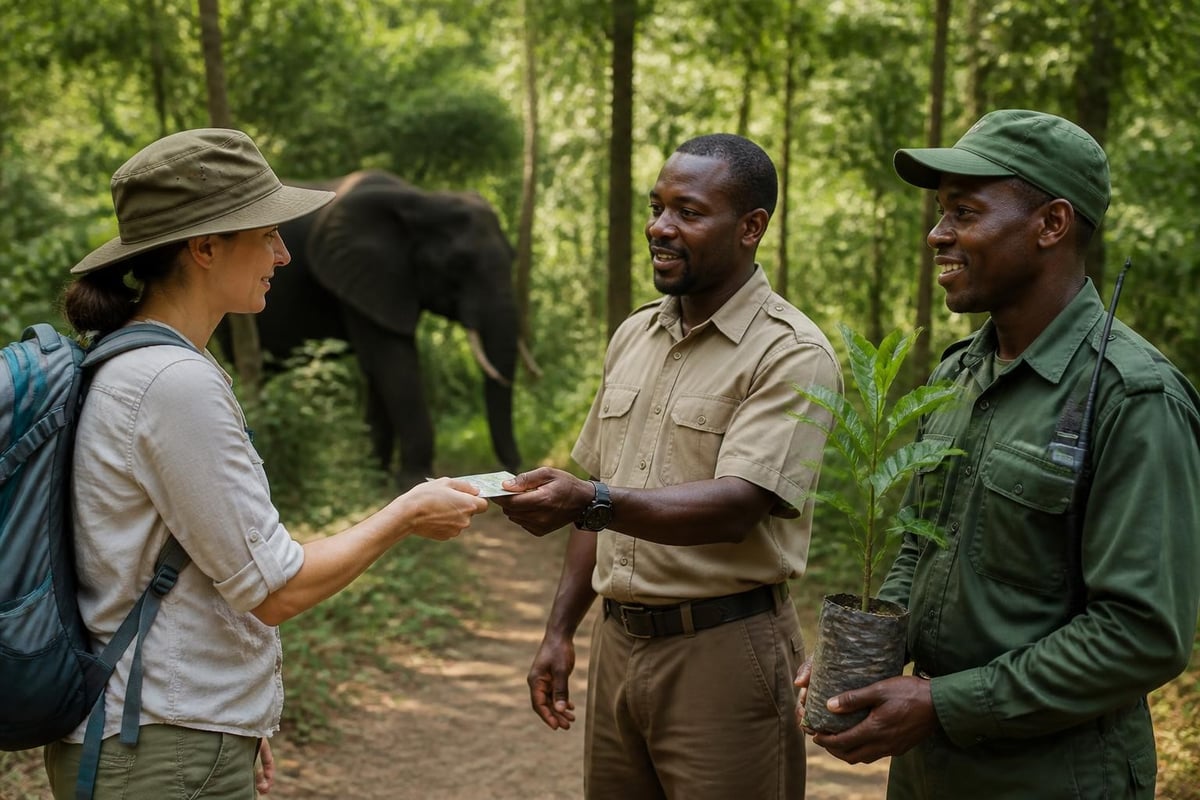
Ecotourism generates crucial funding for endangered species conservation. The presence of tourists in protected areas creates a human deterrent to poaching and illegal logging. Local guides and trackers, employed through ecotourism ventures, become the eyes and ears of conservation efforts, monitoring wildlife populations and reporting threats.
Key conservation benefits include:
- Direct funding for anti-poaching patrols and wildlife monitoring
- Economic alternatives to hunting and habitat destruction
- Scientific research opportunities through visitor fees
- Increased political will to protect natural areas
- Community investment in long-term environmental health
The important of ecotourism extends to climate change mitigation. Well-managed ecotourism operations minimize carbon footprints through careful transportation planning, renewable energy use, and carbon offset programs. Many regions rich in biodiversity also serve as critical carbon sinks, making their protection doubly important for global climate stability.
Ecosystem Restoration and Management
Beyond simple preservation, ecotourism revenues enable active ecosystem restoration. Degraded areas can be rehabilitated, invasive species controlled, and natural processes restored. The financial sustainability provided by ecotourism allows for long-term management strategies that might otherwise be impossible in regions with limited government resources.
| Environmental Benefit | Traditional Tourism | Ecotourism Approach |
|---|---|---|
| Habitat Impact | High development, fragmentation | Minimal footprint, protection zones |
| Resource Use | Excessive water/energy consumption | Conservation-focused management |
| Waste Management | Limited recycling, pollution | Comprehensive waste reduction |
| Carbon Footprint | High emissions, no offsets | Reduced travel impact, carbon programs |
| Wildlife Interaction | Disturbance, feeding, habitat loss | Respectful observation, protection funding |
Economic Empowerment of Local Communities
The important of ecotourism shines brightest in its capacity to transform local economies without destroying cultural identity or natural resources. Unlike extractive industries or mass tourism developments that funnel profits to distant corporate headquarters, ecotourism creates distributed economic benefits that remain within communities.
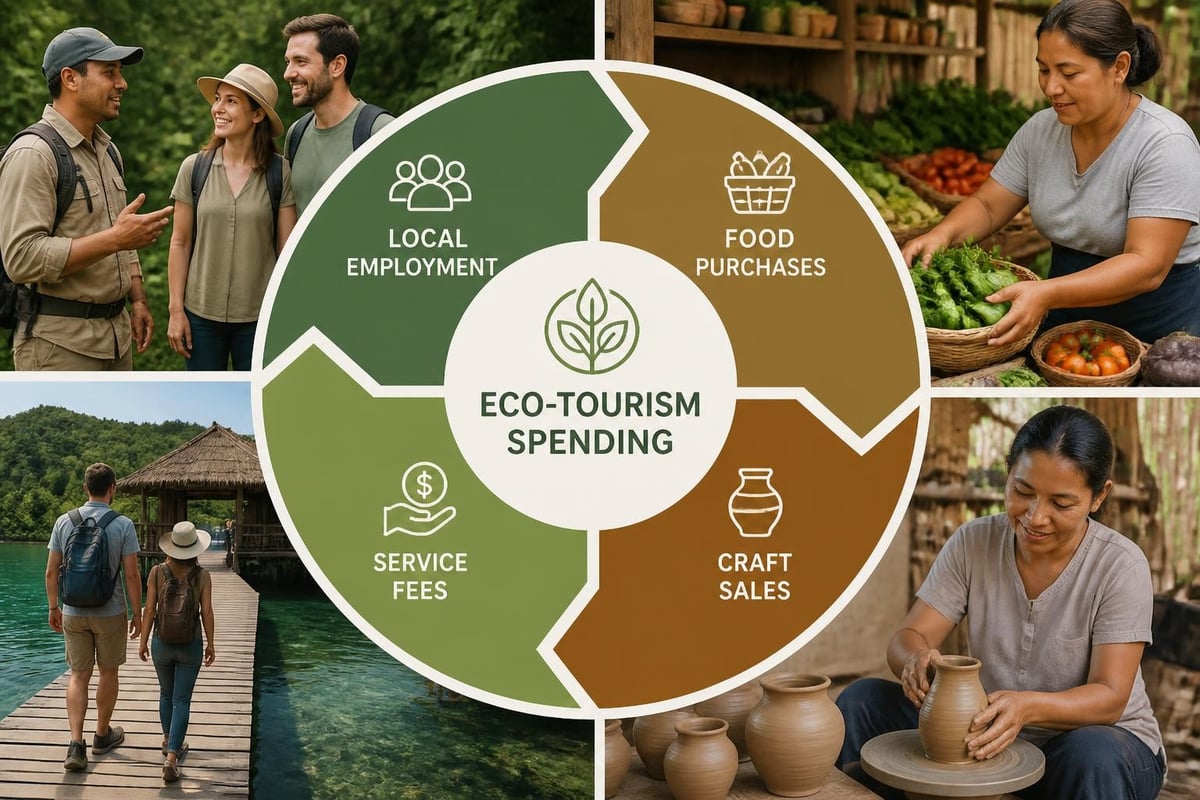
Small-scale ecotourism operations employ local guides, cooks, porters, and hospitality workers at fair wages. These jobs preserve traditional knowledge systems while providing stable income streams. A guide sharing ancestral stories about medicinal plants earns while preserving cultural heritage. A family-run guesthouse maintains traditional architecture and cuisine while generating sustainable revenue.
Direct Economic Benefits
Revenue distribution in ecotourism differs fundamentally from conventional tourism models. Research shows that ecotourism’s economic advantages reach far beyond simple job creation, building entire supporting economies around sustainable practices.
Economic impacts include:
- Employment Generation: Direct jobs in guiding, hospitality, transportation, and crafts
- Multiplier Effects: Secondary employment in food production, construction, and services
- Entrepreneurship Opportunities: Local businesses catering to ecotourist needs
- Skills Development: Training in languages, hospitality, and environmental management
- Infrastructure Investment: Improved roads, communication, and utilities benefiting entire communities
Communities involved in ecotourism maintain economic control over their resources. Rather than selling land to resort developers, they retain ownership while generating sustainable income. This model preserves both economic autonomy and cultural decision-making power.
Reducing Economic Inequality
Traditional tourism often exacerbates wealth gaps, concentrating benefits among already-privileged groups. The important of ecotourism includes its potential to distribute opportunities more equitably, particularly in remote regions with limited economic alternatives.
Women often find new economic opportunities through ecotourism, operating homestays, producing handicrafts, or working as cultural interpreters. Indigenous communities leverage ecotourism to maintain traditional lifestyles while earning income, avoiding forced migration to urban centers.
Cultural Preservation and Exchange
Understanding the important of ecotourism requires recognizing its role as a bridge between cultures. In an era of rapid globalization, ecotourism provides economic incentives to maintain traditional practices, languages, and knowledge systems that might otherwise disappear.
When travelers seek authentic cultural experiences, communities recognize the value of their heritage. Traditional festivals, crafts, architectural styles, and spiritual practices become sources of pride and income rather than markers of "backwardness" to be abandoned. This dynamic creates a powerful motivation for cultural continuity.
Authentic Cultural Exchange
Ecotourism facilitates meaningful interactions between visitors and local communities, moving beyond superficial entertainment to genuine understanding. Small group sizes, extended stays, and community-based tourism models allow for deeper connections than typical tourist experiences.
Travelers learn about traditional agricultural methods, participate in daily activities, and understand local worldviews. Communities share their stories directly, controlling their own narratives rather than having their culture commodified and distorted by outsiders. This exchange enriches both visitors and hosts, building cross-cultural understanding and respect.
Regions like the Tibetan Plateau benefit enormously when culturally immersive tours connect travelers with authentic community experiences. These interactions preserve living cultures while providing economic alternatives to cultural assimilation or migration.
Language and Knowledge Preservation
Many endangered languages survive partly because ecotourism creates contexts where traditional languages retain practical and economic value. Elders teaching traditional ecological knowledge to younger generations find renewed purpose when this knowledge attracts paying visitors interested in medicinal plants, sustainable agriculture, or traditional crafts.
Cultural benefits of ecotourism:
- Documentation and transmission of oral histories
- Preservation of traditional crafts and artistic practices
- Maintenance of architectural heritage
- Continuation of traditional festivals and ceremonies
- Intergenerational knowledge transfer
- Pride in cultural identity among youth
Environmental Education and Awareness
The important of ecotourism extends beyond immediate destinations to create global environmental consciousness. Travelers who experience pristine ecosystems firsthand develop deeper commitments to conservation. They return home as advocates, influencing policy, consumption patterns, and future travel choices.
Interpretation programs at ecotourism sites educate visitors about ecological relationships, conservation challenges, and their personal environmental impact. This education transforms passive observers into active conservation supporters who understand the interconnections between their daily choices and global environmental health.
Building Conservation Constituencies
Each ecotourist becomes a potential conservation advocate. Experiencing the majesty of snow leopards in their habitat or witnessing traditional sustainable farming practices creates emotional connections that statistics and documentaries cannot match. These experiences drive political support for environmental policies, donations to conservation organizations, and lifestyle changes.
Local communities also benefit from environmental education. Ecotourism training programs teach ecological principles, sustainable resource management, and the long-term value of conservation. Children growing up in ecotourism communities often develop strong environmental ethics, understanding their natural heritage as both cultural treasure and economic asset.
| Educational Impact | Visitors | Local Communities |
|---|---|---|
| Ecological Understanding | Firsthand ecosystem observation | Formal conservation training |
| Conservation Value | Emotional connection to places | Economic connection to protection |
| Behavioral Change | Reduced consumption, advocacy | Sustainable resource management |
| Long-term Impact | Political support, donations | Career paths in conservation |
| Knowledge Sharing | Return home as ambassadors | Pride in environmental stewardship |
Sustainable Development Models
The important of ecotourism includes demonstrating viable sustainable development pathways. In regions where economic pressure pushes communities toward destructive practices like deforestation, mining, or unsustainable agriculture, ecotourism proves that prosperity and preservation can coexist.
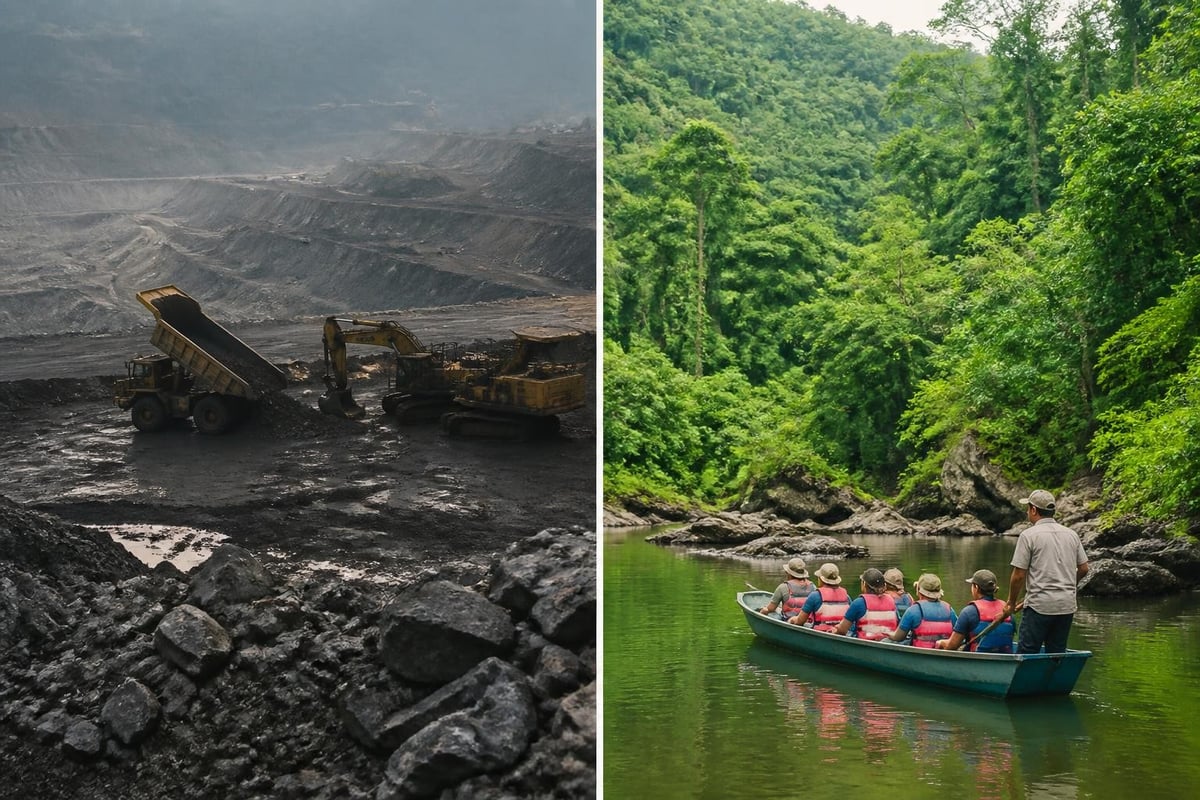
Well-managed ecotourism operations serve as working models of sustainability principles. They demonstrate renewable energy applications, waste reduction strategies, water conservation techniques, and sustainable food systems. These demonstrations inspire adoption beyond the tourism sector, influencing local development patterns.
Infrastructure Development with Minimal Impact
Ecotourism necessitates infrastructure improvements-trails, accommodations, transportation-but prioritizes low-impact development. This approach shows that infrastructure needn't destroy the environments it serves. Solar power systems, composting toilets, rainwater harvesting, and sustainable building materials become normalized through ecotourism projects.
Communities developing ecotourism infrastructure learn construction techniques and technologies applicable to other needs. A solar-powered guesthouse demonstrates feasibility for electrifying schools and health clinics. Water purification systems for travelers improve community water security.
Measuring and Monitoring Impact
Professional ecotourism operations implement monitoring systems to track environmental and social impacts. Visitor numbers, wildlife disturbance indicators, waste generation, water use, and community economic benefits receive regular assessment. This data-driven approach allows continuous improvement and demonstrates accountability to both communities and travelers.
Certification programs and eco-labels help travelers identify genuinely sustainable operations versus "greenwashing." Understanding ecotourism principles helps travelers make informed choices that support legitimate conservation and community benefit efforts.
Challenges and Responsible Implementation
Acknowledging challenges doesn't diminish the important of ecotourism but rather highlights the need for careful implementation. Not all tourism marketed as "eco" meets genuine sustainability standards. Without proper management, even well-intentioned ecotourism can cause environmental damage, cultural commodification, or economic exploitation.
Avoiding Greenwashing
The popularity of ecotourism has led some operators to adopt eco-language without substantive environmental or community commitments. Responsible travelers must look beyond marketing claims to examine actual practices. Genuine ecotourism operations demonstrate measurable conservation contributions, fair community partnerships, and transparent impact reporting.
Red flags indicating greenwashing:
- Vague environmental claims without specifics
- No visible local employment or community involvement
- Large group sizes incompatible with minimal impact
- Lack of environmental education components
- No waste management or energy conservation measures
- Absence of conservation funding mechanisms
Managing Visitor Impacts
Even low-impact tourism creates cumulative effects. Popular ecotourism destinations face pressure from visitor numbers, requiring careful capacity management. Permit systems, seasonal closures, and visitor dispersal strategies protect vulnerable environments while maintaining economic viability.
Trail erosion, wildlife habituation, cultural disruption, and resource strain require constant vigilance. The important of ecotourism includes honest assessment of carrying capacity and willingness to limit visitor numbers when necessary, even if economically costly short-term.
Equitable Community Partnerships
Power imbalances between outside operators and local communities can undermine ecotourism's community benefit potential. Genuine partnership requires community ownership of tourism assets, transparent revenue sharing, and meaningful participation in decision-making. Communities should control tourism development affecting their lands and lives.
Effective partnerships invest in community capacity building, ensuring locals possess skills and knowledge to manage tourism enterprises independently. External operators should serve as facilitators rather than controllers, building local expertise for long-term sustainability.
Best Practices for Ecotourism Excellence
Maximizing the important of ecotourism requires adherence to established best practices. These guidelines ensure tourism delivers promised benefits while minimizing negative impacts.
For Tour Operators
Operators bear primary responsibility for implementing ecotourism principles. Their choices determine whether tourism truly benefits destinations or simply exploits "eco" marketing.
- Employ local guides and staff at fair wages with growth opportunities
- Source supplies locally to maximize economic multiplier effects
- Minimize group sizes to reduce environmental and social impact
- Invest in conservation through direct funding or resource allocation
- Provide thorough environmental education to staff and visitors
- Implement comprehensive environmental management systems
- Establish transparent community partnerships with equitable benefit sharing
- Monitor and report impacts regularly with third-party verification
Specialized experiences like Prayers in the Plateau demonstrate how week-long journeys combining wilderness exploration and cultural immersion create authentic connections while supporting remote Tibetan communities and conservation efforts across Qinghai and Gansu provinces.

For Travelers
Tourists ultimately drive ecotourism demand. Their choices reward responsible operators and punish exploitative ones.
Responsible ecotourist practices:
- Research operators thoroughly before booking
- Choose certified ecotourism providers when available
- Respect local customs, dress codes, and social norms
- Follow designated trails and visitor guidelines strictly
- Never feed, touch, or disturb wildlife
- Minimize waste and pack out all trash
- Support local businesses and artisans directly
- Learn basic phrases in local languages
- Ask permission before photographing people
- Tip local guides and staff appropriately
Travelers should view ecotourism costs as investments in conservation and communities rather than mere vacation expenses. Higher prices often reflect genuine sustainability commitments rather than profit extraction.
Regional Applications and Examples
The important of ecotourism manifests differently across various regions and ecosystems. Understanding these variations helps appreciate ecotourism's adaptability and broad applicability.
Mountain Ecotourism in the Himalayas
The Himalayan region faces unique challenges: fragile high-altitude ecosystems, remote communities with limited economic alternatives, and rich but threatened cultural traditions. Ecotourism here supports yak herder communities, protects snow leopard habitat, and preserves Buddhist monastery traditions.
Small-group treks employing local porters, staying in community lodges, and funding monastery restoration demonstrate how ecotourism can sustain both nature and culture. These tour experiences create economic value for preservation rather than exploitation.
Coastal and Marine Ecotourism
Coastal regions benefit from ecotourism focused on marine conservation. Responsible sea turtle tourism exemplifies how viewing wildlife in natural habitats generates conservation funding and community support for protection measures. Dive operations, whale watching, and beach conservation projects create livelihoods dependent on healthy marine ecosystems.
Protected Area Ecotourism
National parks and reserves worldwide increasingly depend on ecotourism revenue for operational funding. Visitor fees support ranger programs, infrastructure maintenance, and scientific research. The role of ecotourism in protected areas demonstrates how sustainable tourism makes conservation economically viable in regions with limited government conservation budgets.
Policy and Regulatory Frameworks
Maximizing the important of ecotourism requires supportive policy environments. Governments play crucial roles in establishing standards, providing incentives, and preventing exploitation.
Effective ecotourism policies include:
| Policy Area | Key Elements |
|---|---|
| Certification | Standards for eco-labeling, third-party verification, transparency requirements |
| Land Management | Protected area systems, buffer zones, community conservation areas |
| Revenue Distribution | Mechanisms ensuring local communities receive fair shares |
| Capacity Building | Training programs, microfinance, entrepreneurship support |
| Environmental Standards | Waste management requirements, emissions limits, wildlife protection |
| Cultural Protection | Intellectual property rights, sacred site protection, consultation requirements |
Destinations like Bhutan have pioneered innovative policies emphasizing high-value, low-impact tourism. Their "high value, low volume" approach demonstrates how policy can prioritize sustainability over maximum visitor numbers.
Future Directions and Innovations
The important of ecotourism continues growing as environmental pressures intensify and traveler values shift. Several trends are shaping ecotourism's evolution in 2026 and beyond.
Technology Integration
Digital tools increasingly support ecotourism operations. Virtual reality pre-trip experiences help travelers select appropriate destinations while reducing pressure on fragile sites. Real-time monitoring systems track visitor impacts, enabling adaptive management. Blockchain technology creates transparent supply chains and verifiable conservation funding.
Mobile applications facilitate environmental education, interpretive experiences, and impact reporting. Travelers can see exactly how their expenditures benefit conservation and communities, building trust and justifying premium pricing.
Regenerative Tourism
Forward-thinking operations are moving beyond "sustainable" to "regenerative," where tourism actively improves environmental and social conditions rather than merely minimizing harm. Regenerative ecotourism includes habitat restoration projects, community development initiatives, and cultural revitalization programs integrated into tourist experiences.
Climate Adaptation
Climate change impacts are reshaping ecotourism destinations. Operations must adapt to shifting seasons, changing wildlife patterns, and increased extreme weather events. The importance of ecotourism includes demonstrating climate adaptation strategies and funding resilience-building in vulnerable communities.
Post-Pandemic Evolution
The global pandemic fundamentally altered travel patterns, accelerating trends toward smaller groups, outdoor experiences, and meaningful connections. These shifts align perfectly with ecotourism principles, potentially expanding ecotourism's mainstream appeal. Understanding sustainability in modern tourism has become central to industry recovery and future planning.
Measuring Success and Impact
Quantifying the important of ecotourism requires comprehensive metrics beyond simple visitor numbers or revenue generation. Success encompasses environmental, social, and economic indicators assessed across time scales.
Environmental Indicators
- Wildlife population trends in ecotourism zones
- Habitat condition and restoration progress
- Pollution levels and waste management effectiveness
- Carbon sequestration and emission reductions
- Ecosystem health metrics
Social Indicators
- Local employment rates and wage levels
- Community satisfaction with tourism
- Cultural practice continuation among youth
- Educational attainment improvements
- Health and infrastructure outcomes
Economic Indicators
- Revenue retention within local communities
- Economic diversification and resilience
- Business ownership by local residents
- Income inequality measures
- Long-term economic sustainability
Comprehensive assessment requires baseline data, regular monitoring, and long-term tracking. Third-party evaluation increases credibility and identifies improvement opportunities.
The important of ecotourism in 2026 reflects our collective recognition that travel can either harm or heal the planet and its communities. By choosing environmentally responsible, culturally respectful, and economically equitable tourism, travelers become conservation partners rather than threats to the places they visit. Elevated Trips specializes in creating exactly these kinds of transformative experiences across the Tibetan Plateau, India, Nepal, and Bhutan, where small group adventures connect travelers with authentic cultures while directly supporting local communities and conservation initiatives. If you're ready to explore some of the world's most remarkable landscapes while making a positive difference, discover how thoughtfully designed ecotourism journeys can change both the places you visit and your understanding of responsible travel.